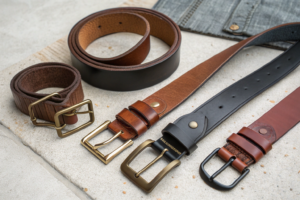
Do your customers complain about skin irritation from belt buckles? This is a common issue in the fashion industry. Metal allergies can cause rashes and discomfort. As a manufacturer, we understand this problem well. It can lead to product returns and damage your brand reputation. Finding the right solution is essential for customer satisfaction.
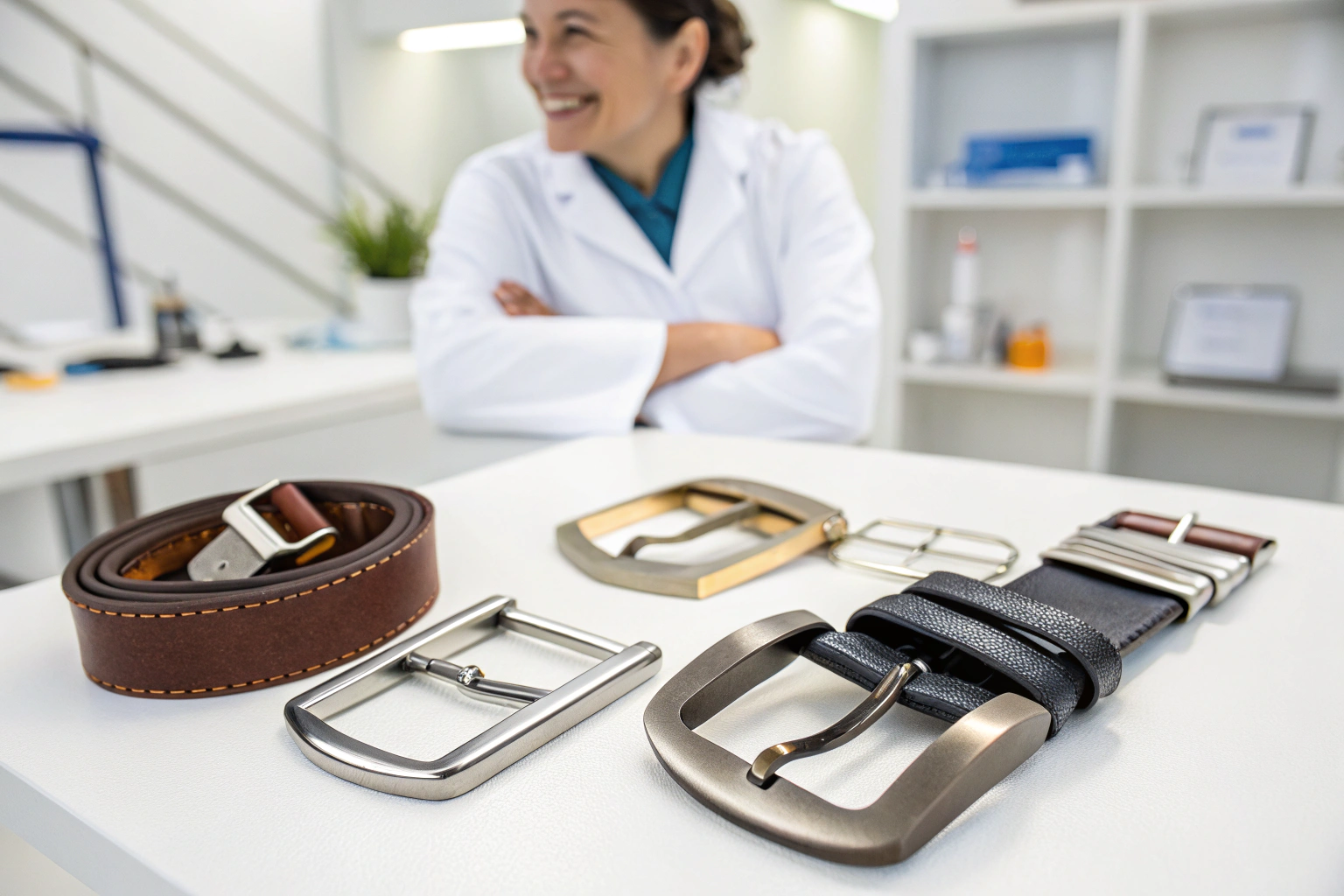
The best materials for hypoallergenic buckles include surgical-grade stainless steel, titanium, properly plated brass, and high-quality plastics or ceramics. These materials have low nickel content and non-reactive properties, making them safe for sensitive skin and perfect for fashion belts and accessories.
Choosing the correct buckle material ensures your products are comfortable and safe. We will examine the best options available. You'll learn which materials to choose for your next belt order. Continue reading to make informed decisions that benefit your customers and business.
Why Choose Surgical Stainless Steel?
You need buckles that are strong, affordable, and safe. Not all stainless steel is the same. Some types can still cause allergic reactions. This confuses many buyers and brands. You need to know which grades are truly hypoallergenic.
Surgical stainless steel grades 316L and 304 are excellent choices. They contain very low nickel levels, which is the most common metal allergen. These materials offer corrosion resistance, durability, and a polished appearance. They work well for both dress belts and casual belts. Their use in medical implants confirms their safety for sensitive skin.

What Makes This Steel Hypoallergenic?
The key is low nickel content. Nickel is often added to metals for malleability and corrosion resistance. However, it's a leading cause of contact dermatitis. Surgical-grade stainless steel uses elements like molybdenum for durability without high nickel levels. This creates a safe, non-reactive metal that won't cause skin irritation, even with long-term wear.
How Durable is Surgical Steel?
Durability is crucial for daily-use products. Surgical stainless steel is exceptionally strong and resists rust and tarnishing. Unlike plated metals that wear off, it's solid hypoallergenic material. This ensures buckles on your men's leather belts or women's fashion belts keep their appearance and integrity for years. Customers get excellent value from this durability.
Is Titanium the Best Choice?
You want maximum protection for customers with severe allergies. Cost may be a concern, but safety comes first. Titanium appears premium, but its benefits are unmatched for specific markets.
Titanium is arguably the best hypoallergenic metal for buckles. It's completely nickel-free and biologically inert, meaning no reaction with human skin. It's exceptionally strong yet very lightweight. This makes it ideal for high-end designer belts and specialty accessories.

Why is Titanium So Safe?
Titanium's safety comes from its natural properties. It forms a protective oxide layer that prevents corrosion and reactivity. This is why it's successfully used in medical prosthetics and piercings. For customers with extreme sensitivities, belts with titanium buckles guarantee no allergic reactions. This can be a powerful selling point for your brand.
Is Titanium Cost-Effective?
Titanium costs more than stainless steel, but it's justified for premium lines. Its unique combination of being nickel-free, corrosion-proof, and lightweight adds significant value. For high-fashion belts or wellness-focused markets, this material differentiates your products. It supports higher retail prices and attracts discerning customers.
Are Plated Metals Like Brass Safe?
You appreciate brass buckles' look but worry about allergies. This is valid since cheap plating wears off quickly. However, with proper manufacturing, plated metals can be safe and attractive.
Plated metals like solid brass can be safe for hypoallergenic buckles. They need a thick, high-quality nickel-free barrier layer first. Then add a top layer of gold, rose gold, or other platings. This multi-layer process prevents underlying metal from touching the skin.

What's the Safe Plating Process?
The correct process is essential. A common error is plating directly over nickel-containing base metal. The right method uses hypoallergenic base metal like surgical steel or brass. Then apply multiple intermediate layers before the final decorative plating. This creates a durable barrier that stops nickel migration and prevents skin irritation.
How Long Does Plating Last?
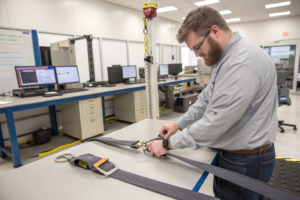
Plating longevity depends on thickness and quality. We perform rigorous quality control tests. These include salt spray tests for corrosion resistance and abrasion tests for wear simulation. For your decorative belts or formal wear belts, this ensures the beautiful finish stays intact and safe. It protects your brand from customer complaints.
What About Plastic and Ceramic Options?
You need trendy, colorful, and lightweight alternatives. Metal isn't the only solution for hypoallergenic needs. Modern materials offer unique benefits that metals can't match, especially for specific fashion lines.
High-quality plastics (like ABS), acrylics, and ceramics are excellent hypoallergenic choices. They contain no metals at all. They enable vibrant colors, intricate designs, and extreme lightness. These are perfect for youth belts, summer fashion belts, and light casual wear.

How Durable Are Plastic Buckles?
Polymer and plastic buckle durability has improved significantly. Engineering-grade plastics like ABS resist impact and withstand daily use well. While not suitable for heavy-duty jeans belts, they suffice for most fashion-centric belt lines. Their low cost and design flexibility make them versatile for expanding your product range.
What Are Ceramic's Advantages?
Ceramic buckles, especially zirconia ceramic, offer a unique modern aesthetic. They have a smooth, cool touch. They're scratch-resistant, maintain color permanently, and are 100% hypoallergenic. This makes them premium alternatives for minimalist fashion belts. They appeal to consumers wanting distinct, non-metallic looks. Their aesthetic appeal creates high perceived value.
Conclusion
Choosing the right hypoallergenic buckle material is crucial for customers with sensitive skin. From reliable surgical stainless steel and premium titanium to properly plated brass and innovative plastics, each option serves specific needs. This choice directly affects customer comfort, product safety, and brand loyalty. Understanding each material's properties helps you make better decisions for your product lines.
If you want to create hypoallergenic belts that customers will trust and love, we can help. Contact our Business Director, Elaine, to discuss material options and request samples for your next order. Email her at elaine@fumaoclothing.com. Let's collaborate to create safe, stylish, and successful products for your market.