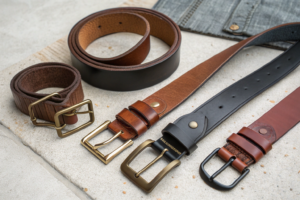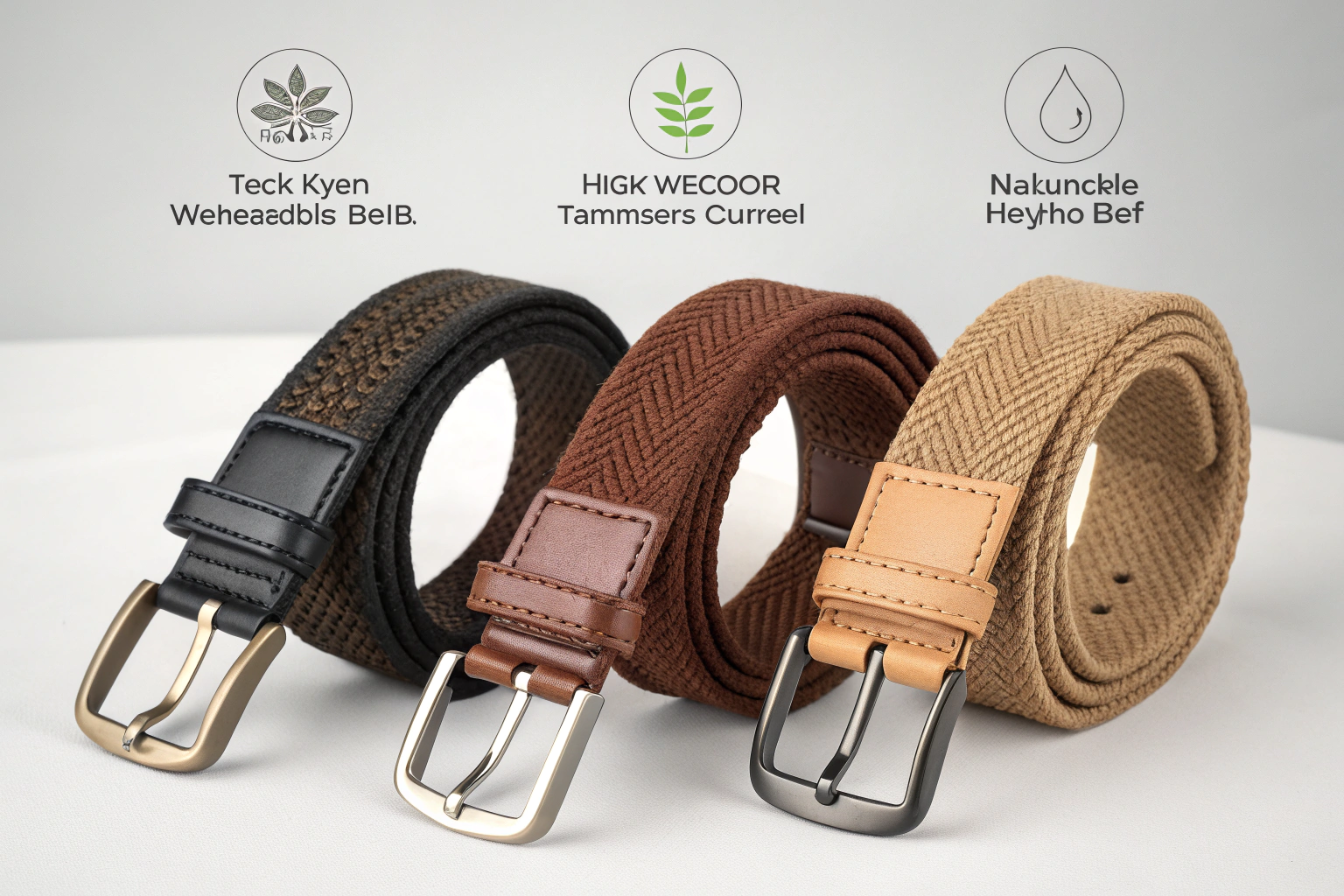
A customer buys a stylish new belt, but after a few weeks of regular wear, an unpleasant, persistent odor develops. No amount of cleaning seems to work. This common issue leads to product abandonment, negative reviews, and a loss of trust in your brand. For active individuals or those in warm climates, odor control isn't just a feature—it's a fundamental requirement for a wearable product.
The top material choices for odor-resistant belts are those that either inhibit microbial growth or manage moisture effectively. These include specialized leathers with specific tanning processes, technical fabrics like polypropylene webbing, natural fibers such as hemp, and metals with inherent antimicrobial properties for buckles. The key is selecting materials that prevent the conditions where odor-causing bacteria thrive.
This guide will detail the best odor-fighting materials for belts. We will explore the role of moisture-wicking technical fabrics, the benefits of specially treated and veg-tanned leathers, the natural resistance of plant-based fibers, and how buckle material and design contribute to a fresher product.
Why are Technical Fabrics the Ultimate Choice for Moisture Management?
For high-intensity activities, travel, or humid environments, traditional materials like standard leather can absorb sweat and become a breeding ground for bacteria. The resulting odor is not just on the surface; it's embedded within the material's fibers. Technical fabrics are engineered from the ground up to solve this problem.
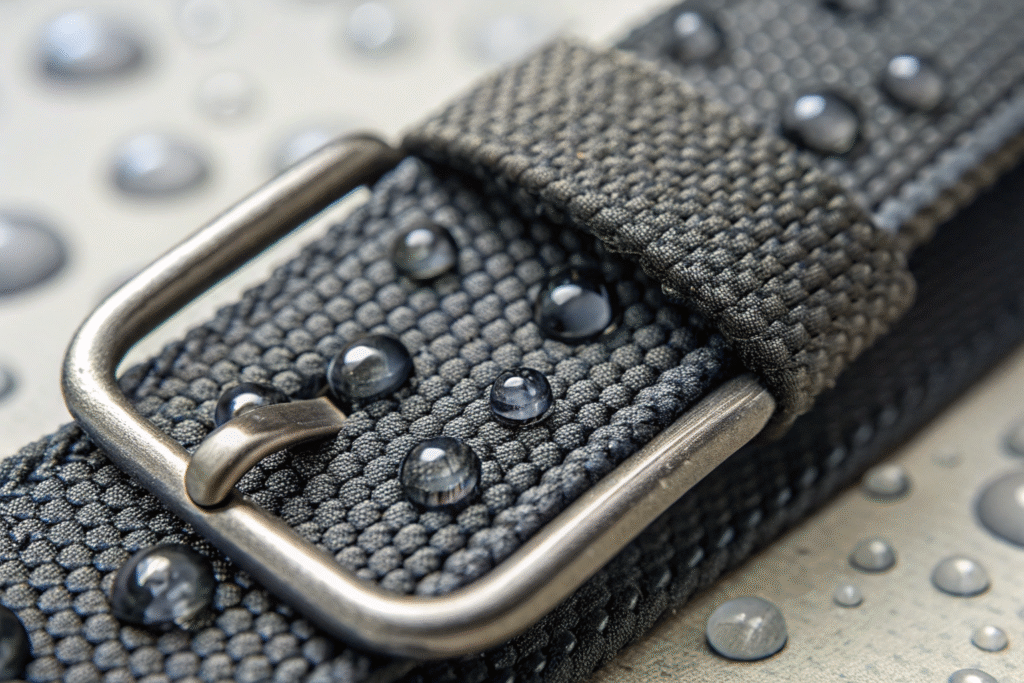
Technical fabrics lead in odor resistance due to their inherent hydrophobic (water-repelling) properties and ability to be engineered with antimicrobial treatments. Unlike porous materials, they do not absorb moisture. Instead, they wick sweat away from the body to the surface where it can evaporate quickly, denying bacteria the damp environment they need to multiply.
How Does Moisture-Wicking Technology Work?
Moisture-wicking is a function of capillary action. Synthetic fibers like polyester and nylon are engineered to have a specific cross-section that pulls moisture along the fiber and spreads it out over a large surface area for rapid evaporation.
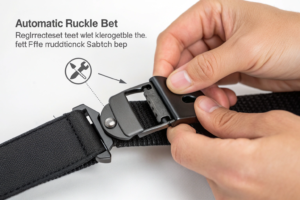
This process keeps the skin-to-belt interface drier, which is the most critical factor in preventing odor. Belts made from these nylon or polyester webbings are ideal for athletic use, travel, and as part of uniform programs where all-day wear is required.
What is the Role of Antimicrobial Treatments?
Many technical fabrics are treated with silver-ion or other EPA-registered antimicrobial agents at the polymer stage. These treatments do not just mask odor; they actively inhibit the growth of bacteria and fungi on the fabric itself.
It's crucial to distinguish between an antimicrobial treatment, which is bonded to the fiber, and a surface coating, which can wash out. A high-quality manufacturer will be able to specify the type and durability of the antimicrobial used in their fabric belts.
Can Leather Belts Be Effectively Odor-Resistant?
The assumption that all leather belts will eventually develop a smell is common, but not entirely accurate. The odor potential of a leather belt is determined by the tanning process and the subsequent finish. Chrome-tanned leathers, while soft and water-resistant, can be more prone to trapping odors if not properly cared for.
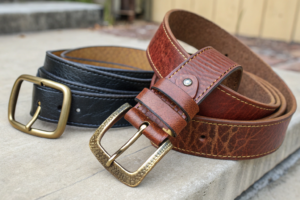
However, certain types of leather are naturally more resistant. The path to an odor-resistant leather belt lies in using vegetable-tanned leather, implementing effective protective sealants, and promoting proper air circulation through the belt's design.
Why is Vegetable-Tanned Leather a Better Option?
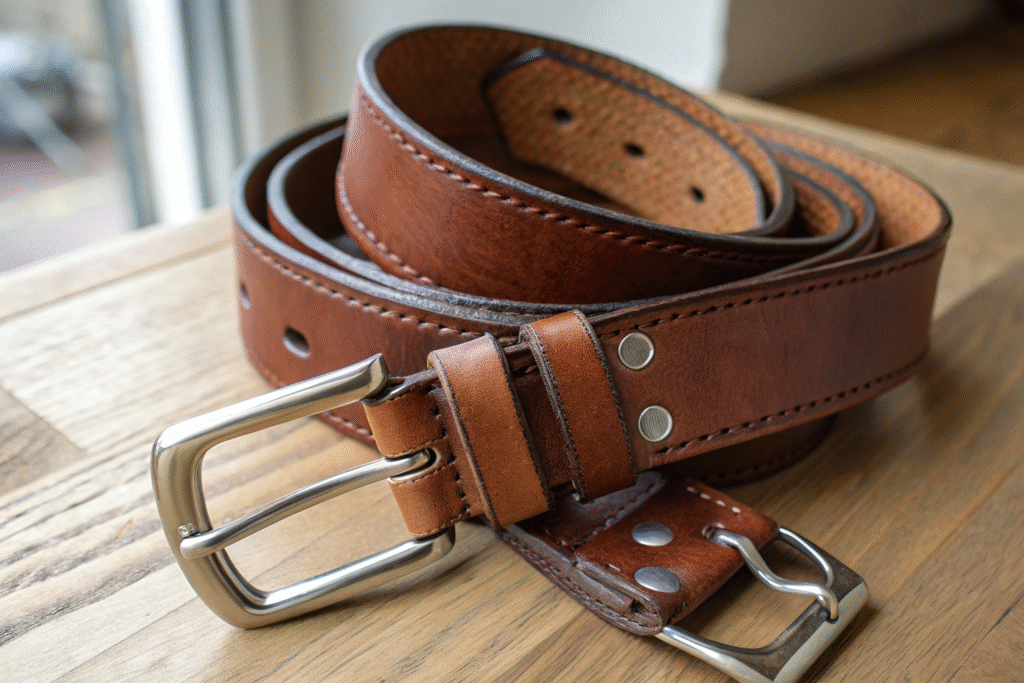
Vegetable tanning is an ancient process that uses natural tannins from trees and plants. This results in a leather that is more breathable and less prone to harboring anaerobic bacteria compared to some chrome-tanned alternatives.
While veg-tanned leather is not inherently waterproof, its breathability allows moisture to escape rather than being trapped inside. Over time, it develops a patina without developing the sour smell associated with some degraded leathers. This makes it a superior choice for everyday leather belts where natural properties are valued.
How Do Finishes and Construction Matter?
A critical factor is the application of a hydrophobic sealant. Products like Sno-Seal or modern polyurethane sealants can be applied to create a moisture barrier on the leather's surface, preventing sweat from being absorbed in the first place.
Furthermore, belt construction plays a role. A belt with a full leather lining can trap moisture against the body. An unlined belt or one with a breathable fabric backing allows for better air circulation, significantly reducing the chance of odor development.
What Natural Fibers Offer Inherent Odor Resistance?
For consumers seeking a non-synthetic, eco-friendly option, certain natural fibers provide excellent inherent odor-resistant properties. These materials are not just passive; they contain natural compounds that fight microbes.
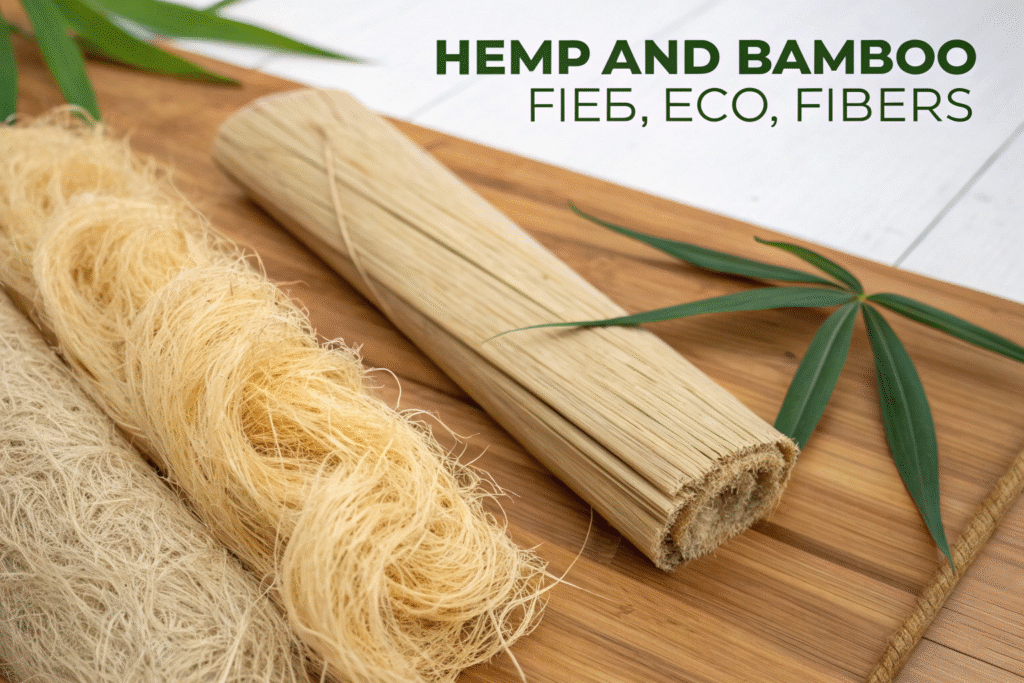
Hemp and bamboo fibers are standout choices in this category. They offer a unique combination of sustainability, durability, and natural antimicrobial characteristics, making them ideal for casual, eco-conscious, and sensitive-skin markets.
What Makes Hemp a Powerful Antimicrobial Fiber?
Hemp fiber possesses natural antimicrobial and antibacterial properties. The molecular structure of hemp makes it resistant to mold, mildew, and bacterial growth. This is a built-in feature of the plant, meaning it doesn't require chemical treatments to achieve this effect.
Hemp is also highly breathable and absorbent, pulling moisture away from the skin while inhibiting the bacteria that cause odor. Belts made from hemp or blended natural fibers are a strong choice for those with allergies or a preference for organic materials.
How Does Bamboo Fiber Compare?
Bamboo viscose is renowned for its softness and moisture-wicking abilities. The bamboo plant contains a bio-agent called "bamboo kun" which has natural antibacterial properties that remain in the finished fiber.
This gives bamboo belts a dual defense: they wick moisture away quickly and naturally inhibit bacterial growth. However, it's important to source bamboo from manufacturers that use closed-loop processing to ensure the environmental benefits are realized.
How Does Buckle Design and Material Impact Odor?
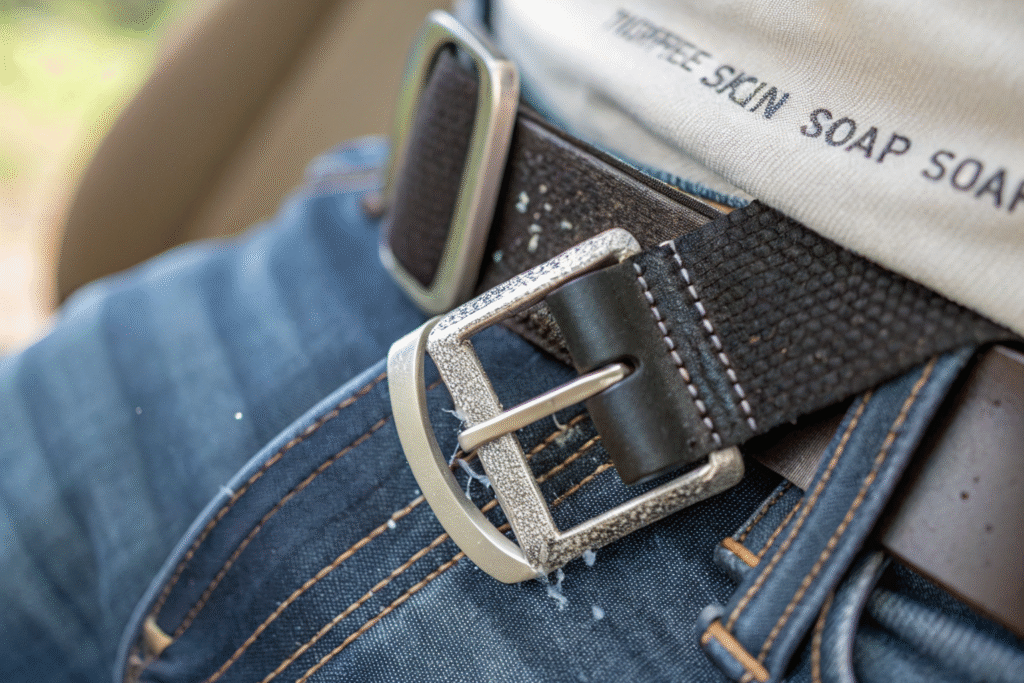
The focus is often on the strap, but the buckle and the area where it attaches can be a significant source of odor. Trapped moisture, skin cells, and soap residue can accumulate in the buckle's crevices and between the strap and the buckle.
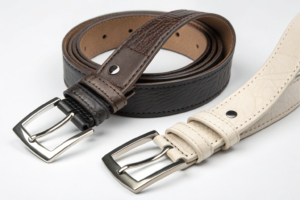
Choosing the right buckle material and a design that promotes cleanliness is the final piece of the odor-resistance puzzle. A buckle that facilitates easy cleaning and doesn't trap debris is essential for long-term freshness.
Why are Certain Metals More Hygienic?
The choice of metal for the buckle is critical. Porous or corrosive metals can trap organic material and foster bacterial growth.
- Stainless Steel: This is the gold standard for hygiene. It is non-porous, corrosion-resistant, and easy to clean with soap and water.
- Brass and Copper: These metals have inherent oligodynamic (antimicrobial) properties, where ions from the metal surface are toxic to bacteria.
- Titanium (often with PVD Coating): Like stainless steel, it is inert and non-porous. A PVD coating adds an extra layer of hardness and seals the surface.
Avoiding cheap, plated zinc alloy buckles is recommended, as the plating can wear off, exposing a porous base metal that corrodes and traps odors.
What Design Features Facilitate Easy Cleaning?
A good odor-resistant design minimizes places for grime to hide.
- Smooth Surfaces: Buckles with simple, smooth designs are easier to wipe clean than those with intricate, deep engravings.
- Secure but Removable Attachments: Buckle systems that allow the strap to be easily removed (e.g., for a thorough cleaning) are advantageous.
- Minimal Cavities: Designs that avoid deep, enclosed spaces prevent the accumulation of unseen debris.
A well-designed buckle and strap system, combined with the right materials, creates a belt that remains fresh through years of use.
Conclusion
Selecting materials for odor-resistant belts requires a holistic approach that addresses moisture, microbial growth, and cleanability. Technical fabrics excel through engineered moisture-wicking and antimicrobial treatments, while specific leathers like vegetable-tanned options offer natural breathability. Natural fibers such as hemp provide eco-friendly antimicrobial benefits, and the choice of non-porous, hygienic buckle metals like stainless steel is the final critical step. By understanding and combining these material properties, manufacturers can create belts that stand up to active lifestyles without succumbing to persistent odors, delivering a superior product that customers can trust.
If you are looking to develop a line of high-performance, odor-resistant belts, our factory has expertise in sourcing and working with these advanced materials. Contact our Business Director, Elaine, at elaine@fumaoclothing.com to discuss creating belts that prioritize freshness and long-term wearability.