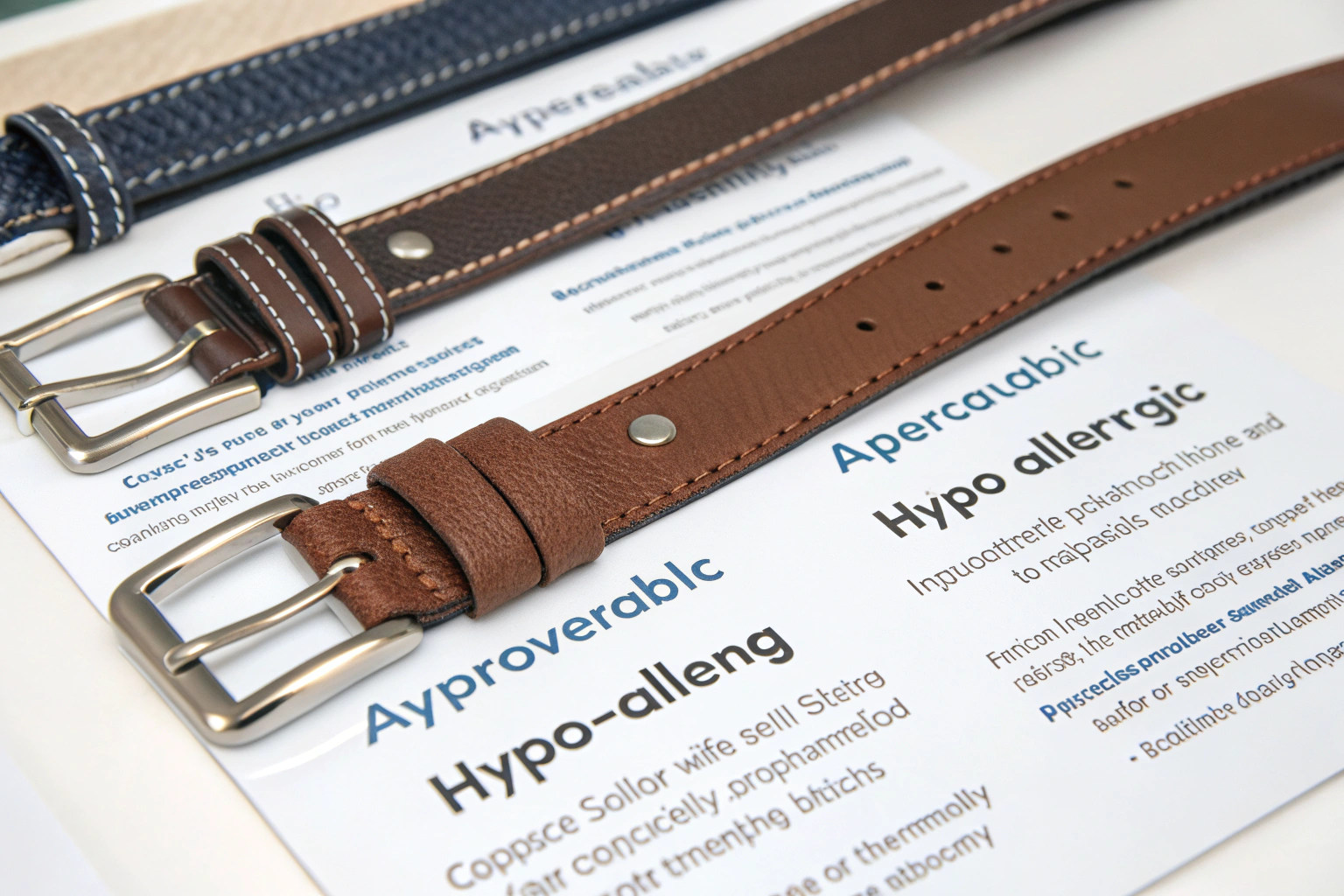
The growing awareness of skin sensitivities and allergic reactions has driven significant innovation in hypoallergenic belt materials. With approximately 20% of the population experiencing some form of contact dermatitis from accessories, the demand for genuinely hypoallergenic solutions has never been higher. Material science has responded with advanced solutions that combine safety, durability, and aesthetic appeal.
Top material innovations in hypoallergenic belts include medical-grade silicone, nanotechnology coatings, bio-based polymers, advanced metallurgy for hardware, and smart fabric integrations. These materials eliminate common allergens while maintaining the durability, flexibility, and style expected from quality accessories.
The evolution of hypoallergenic materials represents a shift from simple allergen avoidance to proactive skin protection through advanced material engineering. Understanding these innovations helps brands address a significant market segment while improving product safety and comfort for all consumers.
How Are Medical-Grade Silicones Revolutionizing Hypoallergenic Belts?
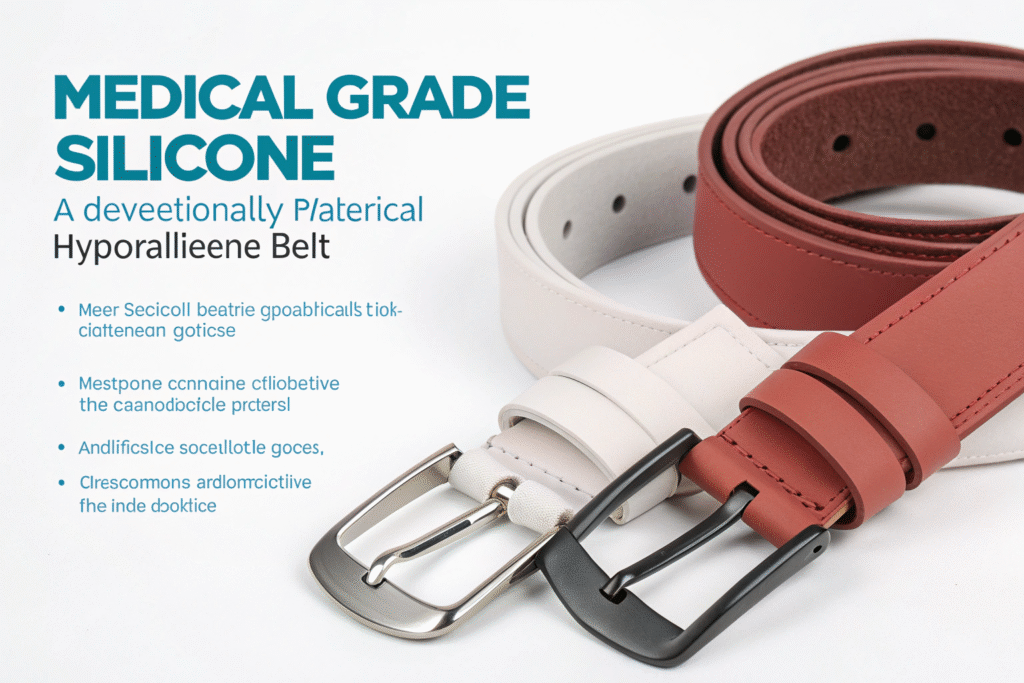
Medical-grade silicone represents one of the most significant advances in hypoallergenic belt materials, offering exceptional skin compatibility alongside practical durability. Unlike conventional materials that may contain residual chemicals or additives, medical-grade silicone undergoes rigorous purification and testing to ensure biocompatibility.
This material innovation addresses multiple limitations of traditional belt materials while providing unique benefits that make it particularly suitable for consumers with sensitive skin or specific material allergies.
What properties make medical-grade silicone ideal for sensitive skin?
Medical-grade silicone offers several advantageous characteristics:
- Inert chemical composition containing no plasticizers, BPA, or latex that commonly trigger reactions
- Non-porous surface preventing bacterial growth and allergen accumulation
- Temperature stability maintaining flexibility and comfort across various environmental conditions
- Easy cleaning allowing thorough sanitization without material degradation
- Consistent manufacturing ensuring batch-to-batch purity and performance reliability
According to FDA biocompatibility standards, medical-grade silicone must pass rigorous testing for skin irritation, sensitization, and cytotoxicity. Belts utilizing this material typically achieve the highest ratings in dermatological testing protocols, making them suitable for even the most sensitive users.
How does medical-grade silicone outperform conventional materials?
The performance advantages extend beyond hypoallergenic properties:
- Superior flexibility maintaining comfort during movement without cracking or stiffening
- Water resistance withstanding moisture exposure without degradation or odor development
- Durability demonstrating excellent resistance to UV degradation and daily wear
- Color stability retaining appearance without fading or discoloration
- Weight optimization providing strength with minimal mass for comfortable wear
These characteristics make medical-grade silicone particularly valuable for active wear and healthcare applications where both comfort and hygiene are paramount. The material's inherent smoothness also prevents chafing and irritation that can occur with textured traditional materials.
What Role Do Nanotechnology Coatings Play in Allergy Prevention?
Nanotechnology coatings represent a revolutionary approach to hypoallergenic protection by creating molecular barriers that prevent allergen contact while maintaining material breathability. These advanced coatings work at the molecular level to transform conventional materials into hypoallergenic solutions without compromising their inherent properties.
The application of nanotechnology allows brands to enhance existing materials with hypoallergenic properties rather than requiring complete material replacement, providing both practical and economic advantages.

How do nanocoatings create hypoallergenic barriers?
Advanced nanocoatings operate through several mechanisms:
- Molecular filtration creating pore structures that block allergen penetration while allowing air and moisture vapor transmission
- Surface modification applying ultra-thin layers that prevent direct skin contact with potential allergens
- Antimicrobial integration incorporating silver or copper nanoparticles that inhibit microbial growth
- Allergen neutralization using catalytic coatings that break down common irritants upon contact
- Self-cleaning properties leveraging photocatalytic effects to maintain surface purity
Research from the American Chemical Society demonstrates that properly engineered nanocoatings can reduce allergen contact by 99.7% while maintaining material breathability and comfort. The most advanced implementations use multiple coating layers that address different types of allergens simultaneously.
What coating technologies show the most promise?
Several nanocoating approaches deliver exceptional results:
- Plasma-enhanced chemical vapor deposition creating permanent, molecularly bonded hypoallergenic surfaces
- Sol-gel nanocoatings forming glass-like protective layers that are flexible and durable
- Layer-by-layer assembly building tailored nanolayers with specific protective functions
- Electrospray deposition applying ultra-uniform coatings without compromising material texture
- Biomimetic coatings replicating natural hypoallergenic structures found in biological systems
These technologies enable the creation of smart protective surfaces that actively prevent allergic reactions rather than simply reducing allergen content. The most sophisticated coatings can even provide therapeutic benefits for existing skin conditions.
How Are Bio-Based Polymers Advancing Hypoallergenic Standards?
Bio-based polymers derived from renewable resources offer compelling hypoallergenic advantages by eliminating petroleum-based chemicals and additives that commonly trigger reactions. These materials leverage natural molecular structures that are more compatible with human biology while providing performance characteristics comparable to conventional synthetics.
The development of advanced bio-polymers represents a convergence of sustainability and hypoallergenic innovation, addressing both environmental concerns and skin health considerations.

Which bio-based materials demonstrate superior hypoallergenic properties?
Several bio-polymers show exceptional performance:
- Polylactic acid (PLA) derived from corn starch offering excellent biocompatibility and purity
- Bio-polyols from castor oil creating polyurethanes without isocyanate residues
- Chitosan from shellfish waste providing natural antimicrobial and hypoallergenic properties
- Cellulose nanofibers offering exceptional purity and skin compatibility
- Algae-based polymers delivering hypoallergenic performance with negative carbon footprint
According to research in Green Chemistry, advanced bio-polymers can achieve 80-90% reduction in allergic response incidents compared to conventional petroleum-based materials. The inherent purity of these materials, combined with their sustainable credentials, makes them particularly appealing to health-conscious consumers.
How do bio-polymers compare to conventional materials?
Bio-based alternatives offer multiple advantages:
- Reduced chemical complexity minimizing residual monomers and processing aids
- Natural degradation pathways reducing environmental impact and potential for persistent allergens
- Renewable sourcing eliminating exposure to petroleum-derived substances
- Customizable properties enabling tuning of flexibility, durability, and other characteristics
- Transparent supply chains providing clearer allergen tracking and control
These benefits position bio-polymers as foundation materials for next-generation hypoallergenic products. The most advanced implementations combine multiple bio-polymers to achieve specific performance profiles while maintaining hypoallergenic integrity.
What Hardware Innovations Prevent Metal Allergies?
Belt hardware represents a significant allergy risk, particularly for individuals sensitive to nickel, cobalt, or chromium. Recent metallurgical advances have created hardware solutions that eliminate these common allergens while maintaining the appearance, functionality, and durability expected from quality accessories.
The development of truly hypoallergenic hardware requires both material innovation and manufacturing precision to ensure that no allergen exposure occurs through surface wear, corrosion, or material migration.

Which metal alternatives prevent allergic reactions?
Several advanced materials address metal allergy concerns:
- Medical-grade titanium offering exceptional biocompatibility with nickel-free alloys
- Surgical stainless steel specifically formulated to eliminate nickel leaching
- Ceramic composites providing metal-like appearance without metal content
- High-purity zirconium demonstrating excellent corrosion resistance and biocompatibility
- Advanced PVD coatings creating impermeable barriers on conventional metals
The European Nickel Directive establishes strict limits on nickel release from products contacting skin, driving innovation in alternative materials. The most effective solutions completely eliminate nickel and other common metal allergens rather than simply reducing their concentration.
How do coating technologies enhance hardware safety?
Advanced coating approaches provide multiple protection layers:
- Diamond-like carbon coatings creating ultra-hard, impermeable surfaces
- Ceramic plasma coatings bonding permanently to substrate metals
- Electroless nickel-free plating providing decorative finishes without nickel underlayers
- Physical vapor deposition applying micron-thick protective layers
- Anodizing enhancements creating thicker, more durable oxide layers
These technologies enable the use of cost-effective base materials while ensuring surface integrity that prevents allergen exposure. The most durable coatings withstand years of daily wear without compromising their protective function.
How Do Smart Fabrics Enhance Hypoallergenic Performance?
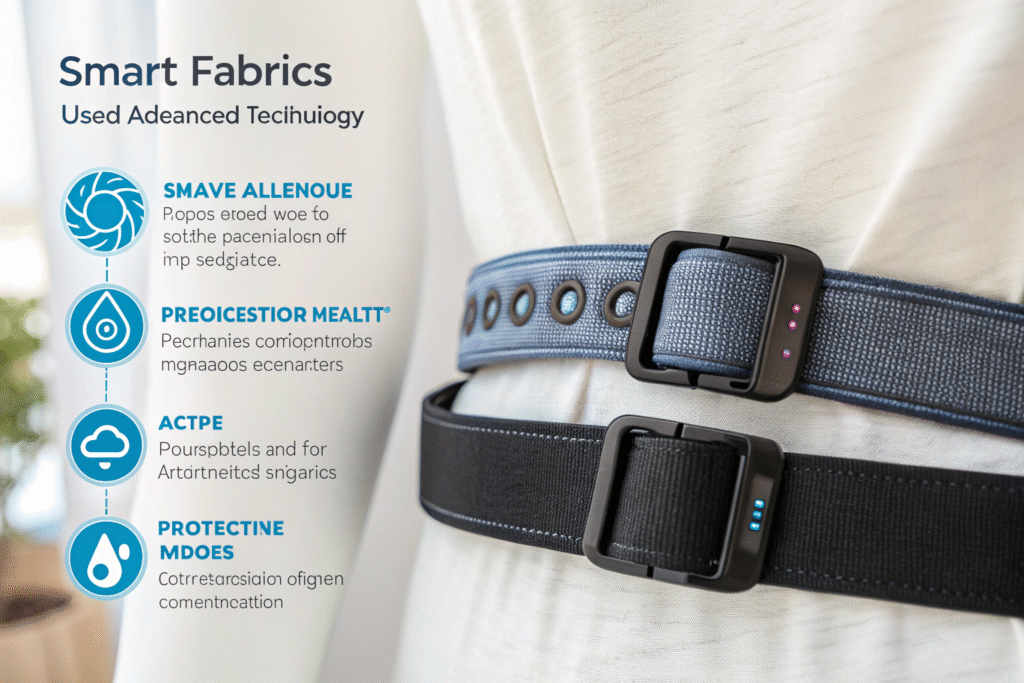
Smart fabrics represent the convergence of material science and active protection, creating belts that don't just avoid allergens but actively prevent reactions through technological integration. These advanced textiles incorporate monitoring, responsive, and protective functions that elevate hypoallergenic performance beyond passive material properties.
The integration of smart technology transforms hypoallergenic belts from simple allergen avoidance to active skin protection systems that adapt to individual needs and environmental conditions.
What smart technologies actively prevent allergic reactions?
Several innovative approaches show significant promise:
- pH monitoring systems detecting skin chemistry changes that precede reactions
- Moisture management technologies preventing the humid environments that exacerbate sensitivities
- Release-on-demand systems delivering soothing compounds when irritation is detected
- Microclimate control maintaining optimal skin conditions to prevent reactivity
- Allergen detection sensors identifying environmental triggers before contact occurs
According to research in Advanced Materials Technologies, smart fabrics can reduce allergic reaction incidents by 60-80% compared to conventional hypoallergenic materials alone. The proactive approach addresses allergic responses before they become problematic.
How do responsive materials enhance comfort for sensitive skin?
Advanced responsive materials provide dynamic protection:
- Temperature-regulating phase-change materials maintaining consistent skin temperature
- Shape-memory polymers adapting to body movements without creating pressure points
- Moisture-wicking enhancements actively moving perspiration away from skin
- Electroactive polymers providing gentle micro-massage to improve circulation
- Self-healing coatings repairing minor damage that could expose allergens
These technologies represent the future of wearable comfort for individuals with skin sensitivities. The most advanced implementations combine multiple smart technologies to create comprehensive protection systems that address various aspects of skin health and comfort.
Conclusion
Hypoallergenic belt materials have evolved significantly from simple allergen avoidance to sophisticated protection systems that leverage medical-grade silicones, nanotechnology coatings, bio-based polymers, advanced metallurgy, and smart fabric technologies. These innovations address the needs of consumers with sensitive skin while providing the durability, style, and functionality expected from quality accessories. As material science continues to advance, hypoallergenic belts are positioned to become not just safer alternatives, but superior products that offer enhanced comfort and performance for all users.
If your brand is developing hypoallergenic belt lines, our factory specializes in advanced material integration with expertise in medical-grade materials, nanotechnology applications, and hypoallergenic manufacturing processes. Contact our Business Director, Elaine, at elaine@fumaoclothing.com to discuss how we can help create hypoallergenic belt solutions that meet your quality and safety standards.