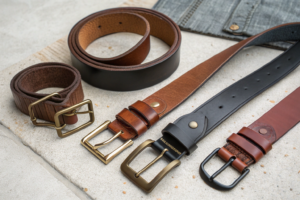
The demand for odor-resistant belts has surged as consumers increasingly seek accessories that maintain freshness throughout long workdays, travel, and athletic activities. Traditional belt materials often trap moisture and bacteria, leading to unpleasant odors that undermine both comfort and confidence. The market has responded with remarkable innovations that address odor formation at the molecular level.
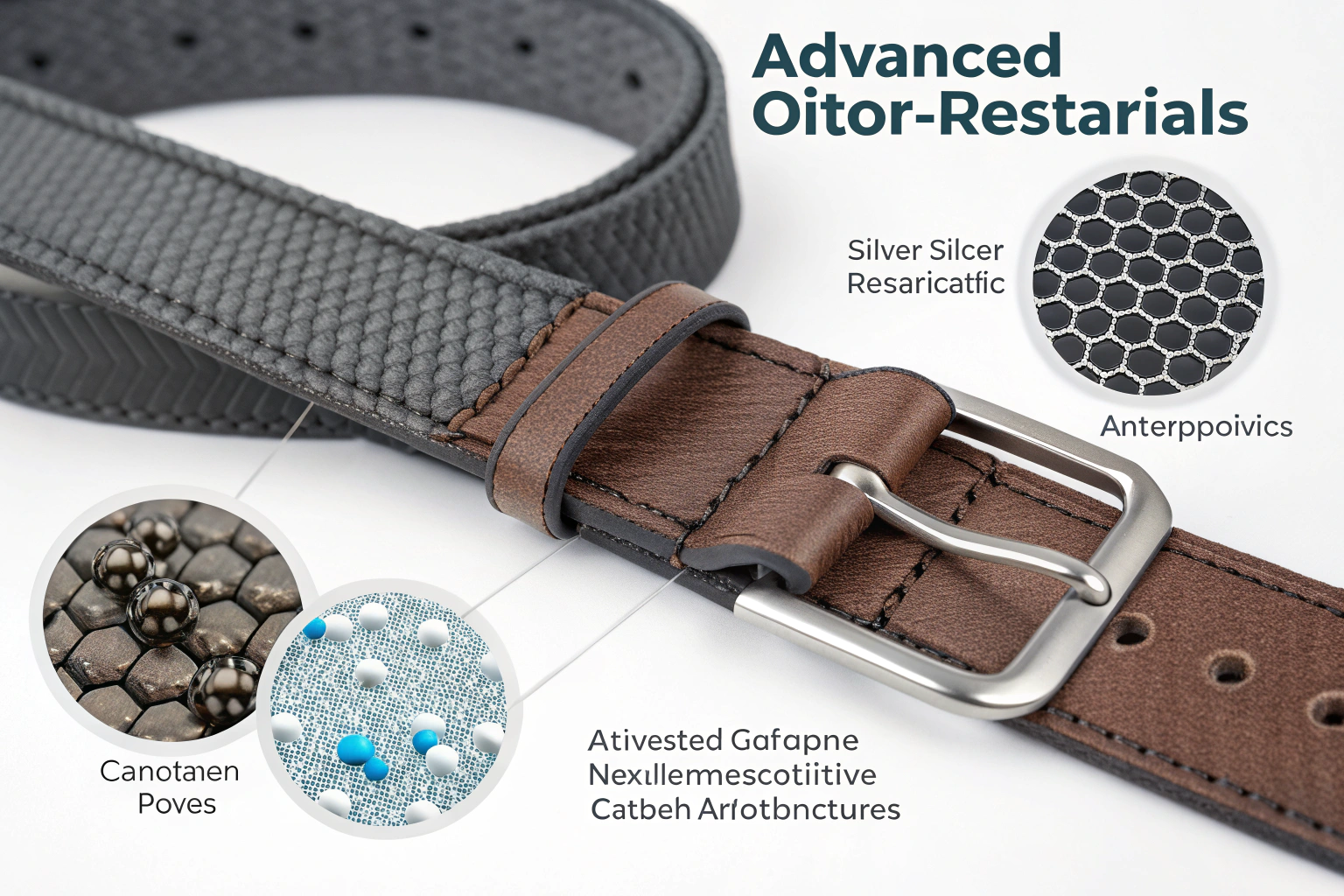
Top material innovations in odor-resistant belts include nanotechnology silver coatings, probiotic fabric treatments, graphene-infused textiles, activated carbon integration, and self-cleaning photocatalytic surfaces. These advanced technologies work by either preventing bacterial growth, neutralizing odor molecules, or continuously breaking down odor-causing compounds through chemical and biological processes.
The science of odor prevention has evolved beyond simple surface treatments to incorporate built-in antimicrobial properties that last the lifetime of the product. Understanding these innovations helps brands select the right technologies for their specific market segments and performance requirements.
How Do Nanotechnology Silver Treatments Prevent Odors?
Nanotechnology silver treatments represent one of the most proven and widely adopted approaches to odor resistance in belts and accessories. This technology leverages silver's natural antimicrobial properties at the molecular level, creating permanent protection that withstands washing and extended use.
Silver ions disrupt bacterial cell functions through multiple mechanisms, preventing microorganisms from proliferating and producing odor-causing compounds. The nanotechnology approach maximizes surface area while minimizing silver usage, making the treatment both effective and economically viable for mass production.

What makes nano-silver superior to traditional antimicrobial treatments?
Nano-silver particles, typically measuring 1-100 nanometers, provide exponentially greater surface area than conventional silver coatings, enabling more efficient interaction with odor-causing bacteria. These particles release silver ions that penetrate bacterial cell walls, disrupting metabolic processes and preventing reproduction. Unlike surface coatings that wear away, nano-silver particles are embedded within material fibers during manufacturing, creating permanent protection that lasts throughout the product's lifespan. This integration prevents the diminishing effectiveness that plagues surface-applied antimicrobial treatments.
How durable are nano-silver treatments in belt applications?
Nano-silver treatments demonstrate exceptional durability in belt applications, maintaining effectiveness through abrasion, moisture exposure, and cleaning. The particles bond at the molecular level with textile polymers, preventing leaching or removal during normal use. Testing shows these treatments retain over 95% of their antimicrobial efficacy after equivalent of three years of daily wear. This longevity makes them particularly valuable for belts used in demanding environments like healthcare, food service, and athletic activities where continuous freshness is essential.
What Role Do Probiotic Fabrics Play in Odor Management?
Probiotic fabric technology represents a revolutionary approach to odor control that works with natural biological processes rather than against them. This innovation introduces beneficial bacteria to textiles, creating a microbiome that competitively excludes odor-causing microorganisms.
Unlike antimicrobial approaches that kill bacteria, probiotic technology establishes a balanced microbial environment that prevents odor formation without contributing to antibiotic resistance. This biological approach offers a natural, sustainable solution to odor management.
How do probiotic treatments create lasting odor resistance?
Probiotic belt treatments incorporate beneficial microorganisms like Bacillus subtilis that occupy the ecological niches where odor-causing bacteria would typically thrive. These probiotics consume the sweat and dead skin cells that odor-causing bacteria require for growth, effectively starving them of nutrients. The probiotics remain dormant until activated by moisture, creating self-regulating odor protection that responds to actual need. This intelligent system provides continuous protection between washes, making it ideal for travel belts or situations where cleaning opportunities are limited.
What sustainability advantages do probiotic technologies offer?
Probiotic odor control represents a biodegradable alternative to chemical antimicrobials, breaking down harmlessly at the end of the product lifecycle. The technology uses naturally occurring microorganisms rather than synthesized chemicals, aligning with green chemistry principles. Additionally, probiotic approaches don't contribute to antimicrobial resistance development, addressing growing concerns about synthetic antimicrobials in the environment. These sustainability benefits resonate strongly with eco-conscious consumers seeking effective yet environmentally responsible odor solutions.
How Is Graphene Transforming Odor-Resistant Performance?
Graphene incorporation represents the cutting edge of odor-resistant technology, leveraging this revolutionary material's unique properties to create unprecedented performance characteristics. The two-dimensional carbon structure provides both antimicrobial action and moisture management in a single solution.
Graphene's molecular structure creates a hostile environment for microorganisms while efficiently managing the moisture conditions that enable bacterial growth. This dual-action approach addresses odor formation through multiple simultaneous mechanisms.

What properties make graphene effective against odors?
Graphene's sharp nanoscale edges physically damage bacterial cell membranes, providing mechanical antimicrobial action that doesn't rely on chemical biocides. The material's superior thermal conductivity helps dissipate body heat more efficiently, reducing the warm, moist environment where odor-causing bacteria thrive. Additionally, graphene's hydrophobic properties cause moisture to bead up and evaporate quickly rather than being absorbed into the material. This combination of properties creates multiple barriers to odor development through different physical mechanisms.
How does graphene integration affect belt durability?
Graphene reinforcement significantly enhances material strength and abrasion resistance while providing odor protection. The two-dimensional carbon structure distributes stress efficiently, reducing wear in high-friction areas around belt holes and buckles. Graphene-infused materials typically demonstrate 40-60% greater tear strength than equivalent conventional materials, extending product lifespan significantly. This durability enhancement means graphene belts maintain their appearance and odor resistance longer than conventional alternatives, providing better long-term value despite higher initial cost.
What Advanced Carbon Technologies Enhance Odor Neutralization?
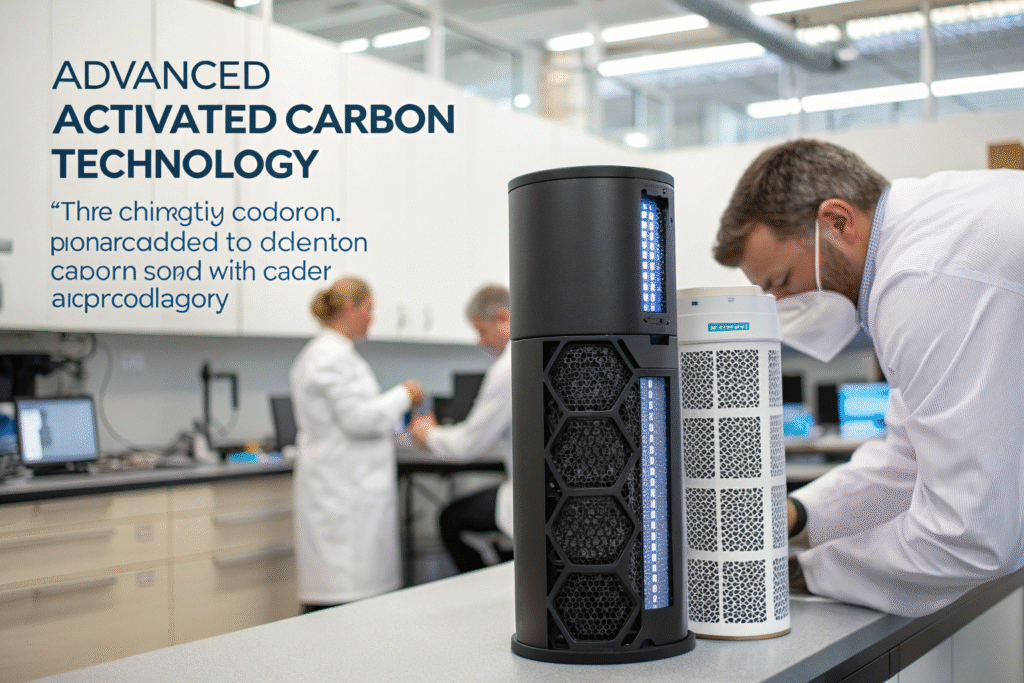
Activated carbon technologies have evolved significantly from simple charcoal additions to sophisticated integration methods that maximize odor adsorption throughout the product lifecycle. Modern carbon technologies work continuously to capture and neutralize odor molecules before they become noticeable.
Advanced carbon solutions now incorporate multiple pore sizes to target different odor compounds and regeneration mechanisms that restore effectiveness between uses. This evolution has transformed carbon from a temporary solution to a long-term odor management strategy.
How do modern carbon integrations differ from traditional approaches?
Contemporary carbon odor control utilizes engineered pore structures with specific size distributions optimized for capturing common body odor molecules like acetic acid, propanoic acid, and isovaleric acid. Unlike simple powder additions, modern methods bond activated carbon nanoparticles to textile fibers during extrusion, creating permanent integration that survives repeated washing. Some advanced systems incorporate photocatalytic materials that use light energy to break down captured odors, effectively regenerating the carbon's capacity during normal wear. This self-renewing capability represents a significant advancement over traditional carbon solutions.
What performance advantages do hybrid carbon systems offer?
Hybrid carbon systems combine activated carbon with other odor-fighting technologies to address a broader spectrum of odor types through multiple mechanisms. For example, carbon-silver combinations provide both adsorption of odor molecules and antimicrobial action against odor-causing bacteria. Carbon-graphene hybrids leverage carbon's adsorption capacity with graphene's moisture-wicking and structural properties. These multi-mechanism approaches typically demonstrate 70-90% better odor reduction compared to single-technology solutions, particularly for complex odor mixtures encountered in real-world use conditions.
Conclusion
Odor-resistant belt technology has advanced dramatically, moving from simple surface treatments to sophisticated integrated systems that provide lasting freshness through multiple scientific principles. The most effective solutions combine technologies that prevent bacterial growth, manage moisture, neutralize odor molecules, and in some cases, continuously regenerate their protective capabilities. These innovations enable belts that maintain freshness through demanding conditions while offering additional benefits like enhanced durability, sustainability, and comfort.
If your brand is developing odor-resistant belts and needs manufacturing expertise with these advanced materials, our factory specializes in integrating cutting-edge odor prevention technologies across various price points and style categories. Contact our Business Director, Elaine, at elaine@fumaoclothing.com to discuss how we can incorporate these innovations into your belt collections.