In an increasingly digital and connected world, public awareness and concern about low-level non-ionizing radiation from everyday devices like smartphones, Wi-Fi routers, and laptops are growing. While the scientific consensus on health risks is evolving, a market has emerged for products that offer personal protection. Radiation-shielding belts represent a specialized niche where functional apparel meets advanced material science. For brands targeting health-conscious consumers, biohackers, or professionals in high-exposure environments, understanding the latest material innovations is key to developing credible and effective products.
The top material innovations in radiation-shielding belts focus on integrating lightweight, flexible, and durable materials that block or attenuate non-ionizing electromagnetic fields (EMF). These include advanced metal-infused textiles (silver, copper, or nickel woven into fabric), multi-layered graphene composites, proprietary mineral-based coatings (like shungite-infused polymers), and sophisticated hybrid laminates that combine conductivity with comfort. The goal is to create a wearable shield that is effective, discreet, and practical for daily use.
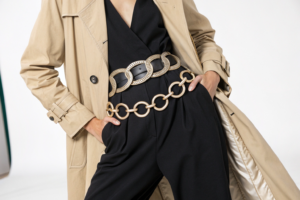
Moving beyond gimmicky foil liners, these modern innovations aim to provide measurable attenuation (measured in decibels, dB) while maintaining the look and feel of a high-quality belt. The challenge lies in balancing shielding efficacy with wearability and sourcing from scientifically grounded suppliers.
Which conductive fabrics offer the best EMF shielding?
The core of most shielding apparel is conductive fabric. The effectiveness depends on the conductive material, its purity, the density of the weave or knit, and how it's integrated into the garment. Not all conductive fabrics are created equal, and their performance varies significantly across different frequency ranges.
Conductive fabrics offering the best EMF shielding include silver-plated nylon, copper-polyester taffeta, and stainless steel micro-fiber blends. Silver-plated fabrics are renowned for high conductivity and broad-spectrum shielding (often 30-50 dB attenuation), copper offers excellent conductivity at a lower cost, and stainless steel blends provide durability and washability. The best fabrics are tested to standards like IEEE 299-2006 for shielding effectiveness.
The choice involves trade-offs. Silver is highly effective but can tarnish and is expensive. Copper is very conductive but may oxidize. Stainless steel is robust but can be less flexible. The key for a belt application is to select a fabric that remains flexible enough to be worn comfortably around the waist without cracking the conductive layer.

How does silver-plated nylon compare to copper mesh in flexibility?
For a belt that must bend and flex with the body, flexibility is paramount.
- Silver-Plated Nylon: This fabric is created by coating each nylon fiber with a layer of pure silver. The result is a soft, drapable textile that feels similar to standard nylon but with a slight metallic sheen. It offers excellent flexibility, making it ideal for integrating into woven belts or as a lining in leather belts. However, the silver coating can degrade with repeated abrasion and may require careful washing.
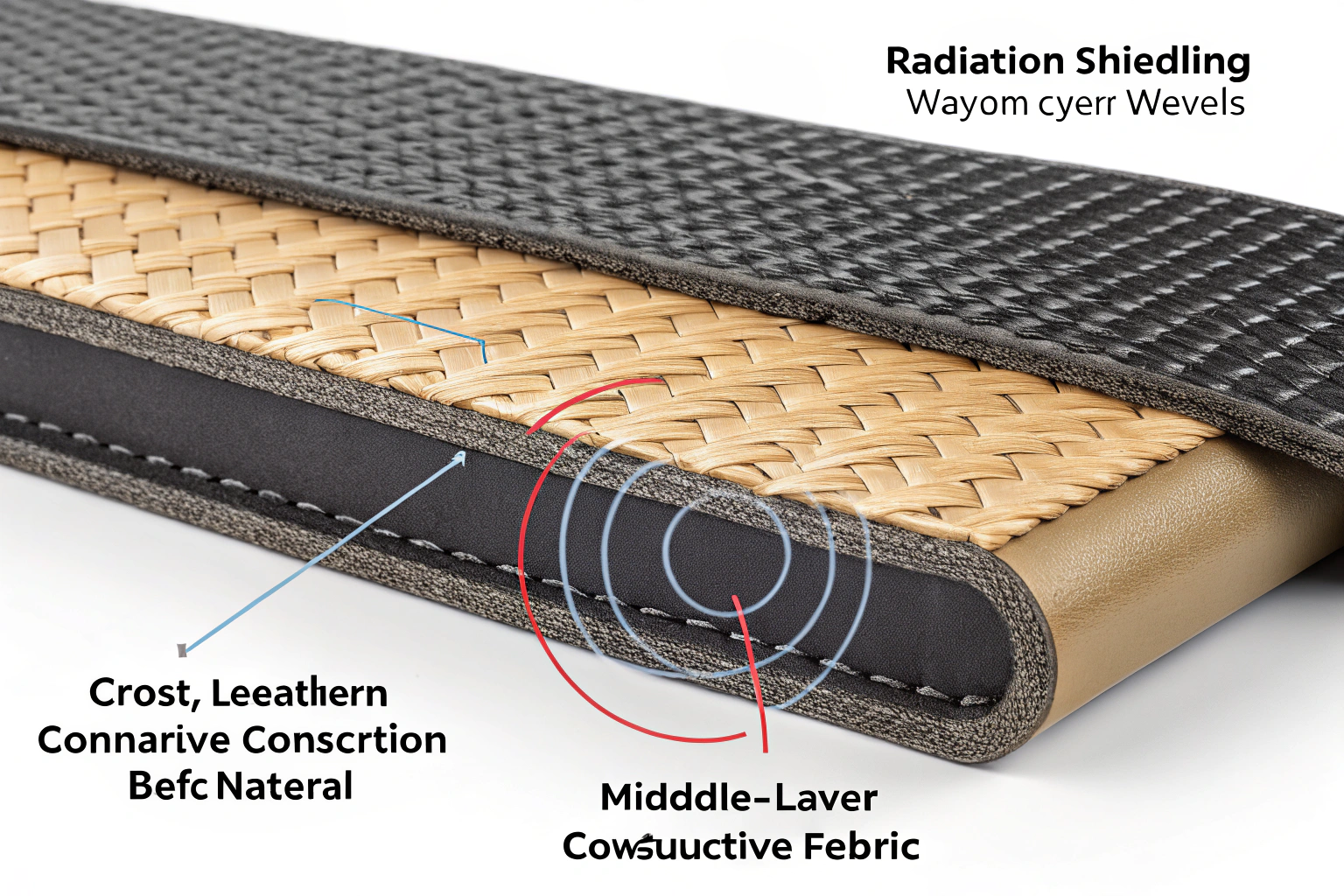
- Copper Mesh/Fabric: Typically made by weaving fine copper threads with polyester, it can be less inherently flexible than coated fabrics, feeling slightly stiffer or more "mesh-like." It can be prone to creasing, which might compromise the continuous conductive layer. For belt applications, it's often used in laminated forms where it's sandwiched between softer layers.
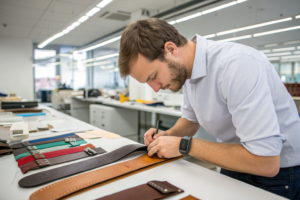
When sourcing, request fabric swatches and perform a simple flex test. A manufacturer focused on quality control will have selected a fabric that maintains its integrity and shielding performance through dynamic movement.
What is the role of frequency-specific shielding in material choice?
EMF radiation isn't a single frequency; it's a spectrum. The shielding effectiveness of a material varies dramatically depending on whether it's blocking low-frequency magnetic fields (from power lines) or high-frequency radio waves (from Bluetooth/Wi-Fi/Cell).
Most consumer concern centers on radiofrequency (RF) radiation. Materials like silver-plated fabrics are generally very effective in the MHz to GHz range (covering cell phones and Wi-Fi). For a belt marketed for general daily protection, broad-spectrum RF shielding is the target. However, some advanced materials or multi-layer designs are engineered to also address extremely low frequency (ELF) fields. A credible manufacturer or material supplier will provide shielding effectiveness test reports across specific frequency bands, not just a single, vague "blocking" percentage.
Why are graphene and mineral composites gaining traction?
Beyond traditional metal fabrics, next-generation materials are entering the market, offering potential advantages in weight, flexibility, and multi-functionality. These advanced composites represent the cutting edge of the industry.
Graphene and mineral composites are gaining traction because they offer unique properties. Graphene, being an excellent conductor of electricity, can create ultra-thin, lightweight, and highly effective shielding layers. Mineral composites, often incorporating elements like shungite (a carbon-based mineral) or other proprietary blends, market themselves on "neutralizing" or "harmonizing" fields rather than just blocking them, appealing to a holistic health audience.
While peer-reviewed data on some mineral composites can be sparse, the demand is driven by consumer interest in "natural" solutions. Graphene's potential, backed by stronger science, lies in its ability to be integrated into polymers and coatings at a nano-scale, potentially creating belts that are indistinguishable from regular fashion items.
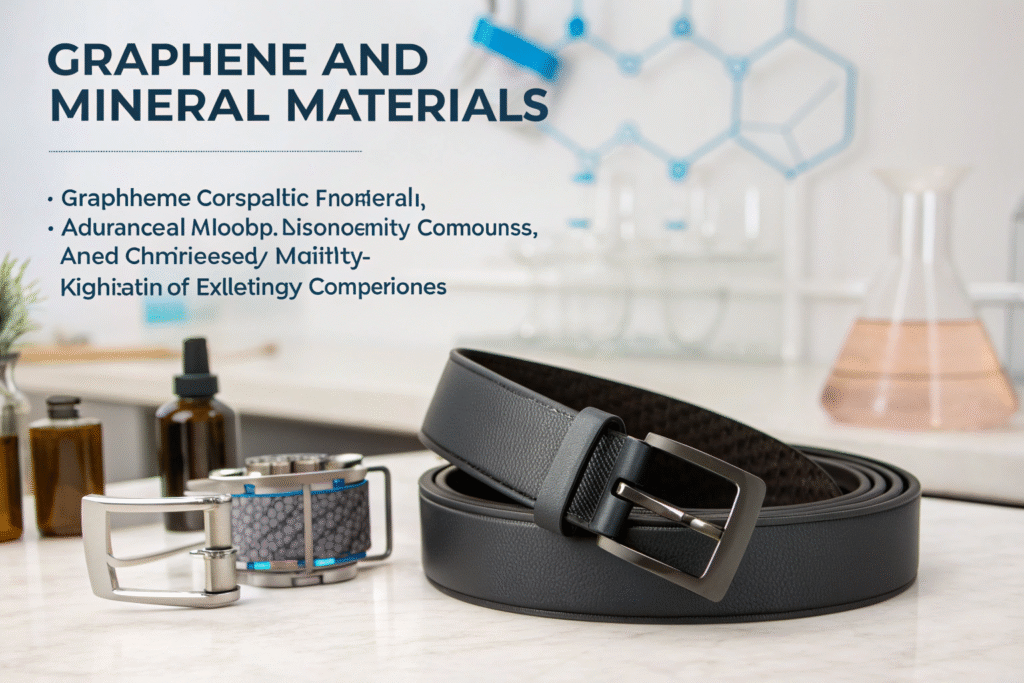
Can graphene laminates provide effective full-body shielding in a belt?
A single graphene laminate in a belt cannot provide "full-body" shielding—that is a physical impossibility for a localized accessory. The marketing claim must be precise. What a graphene-enhanced belt can realistically do is create a localized shielding barrier over a critical area of the body (the abdominal region, where many vital organs are located).
The innovation lies in its application. A thin, flexible graphene-based film can be laminated between the outer leather/nylon and the inner lining of the belt. This provides a continuous, conformal conductive layer without adding bulk. Its effectiveness, like all shielding, is limited to the area it covers. Transparent communication about this is essential for brand credibility. The belt functions as a targeted personal protective accessory, not a magical force field.
What are the scientific claims behind shungite-infused materials?
Shungite is a unique Precambrian carbon-rich mineral primarily found in Russia. Proponents claim it possesses antioxidant properties and can "transform" or "neutralize" the harmful effects of EMF, rather than merely blocking it. The proposed mechanism often cited involves "fullerenes" (carbon cage molecules) within the mineral.
It's crucial to note that the scientific consensus on these bio-positive effects is not established. Reputable sources like the National Center for Complementary and Integrative Health do not endorse these claims. When sourcing shungite-infused polymers or fabrics, the primary verifiable attribute is often its carbon content, which does provide some conductive shielding (similar to other carbon materials). Brands using it should market it cautiously, focusing on its material nature and heritage rather than unproven health transformations, to align with advertising standards in markets like Europe and America.
How to verify shielding effectiveness claims when sourcing?
This is the most critical step for any buyer. The market is rife with exaggerated claims. Protecting your brand from liability and ensuring customer satisfaction requires rigorous verification of a supplier's performance data.
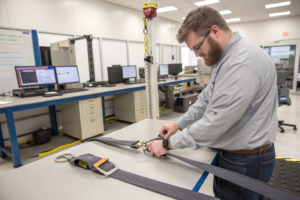
To verify shielding effectiveness, demand independent third-party lab test reports conducted to recognized standards (e.g., ASTM D4935, MIL-STD-188-125). The reports should show attenuation in decibels (dB) across a range of relevant frequencies (e.g., 800 MHz – 2.5 GHz). Always test a finished product sample yourself using a basic RF meter in a controlled environment to see if it reduces signal strength from a phone. Be wary of suppliers who only provide material datasheets without finished product testing.
A professional manufacturer will be transparent with this data. They understand that for B2B buyers, this is a non-negotiable part of the development and quality control process, as important as testing leather for tensile strength.
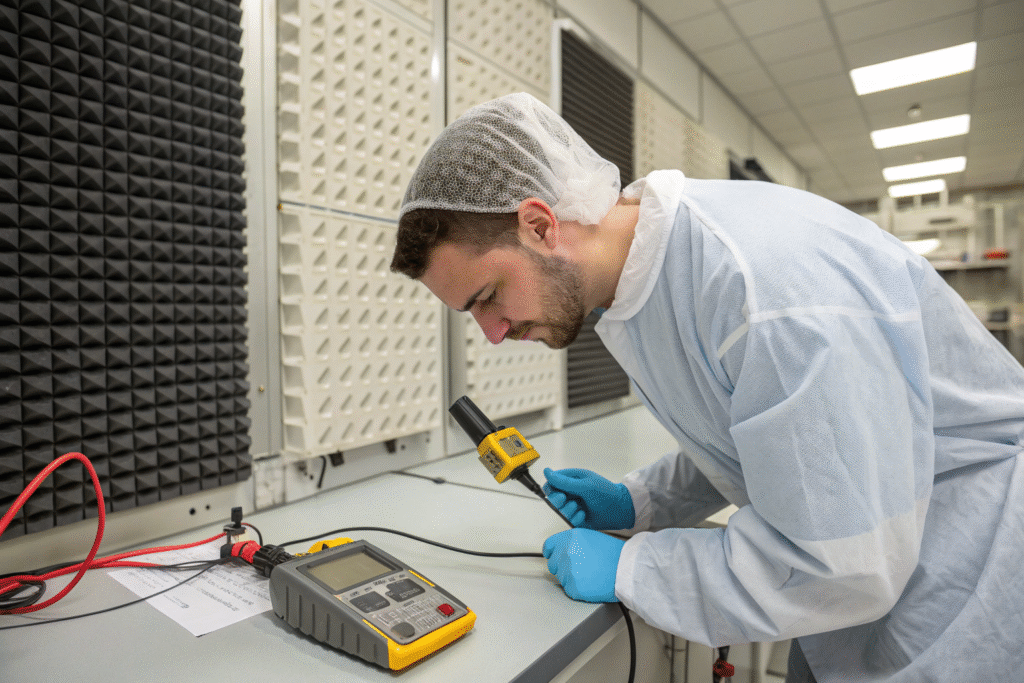
What lab tests are considered industry standard for EMF apparel?
For apparel, two key standards are commonly referenced:
- ASTM D4935: "Standard Test Method for Measuring the Electromagnetic Shielding Effectiveness of Planar Materials." This is a reliable test for the base fabric or material.
- IEEE 299-2006: "Standard Method for Measuring the Effectiveness of Electromagnetic Shielding Enclosures." While for rooms, its principles are adapted for testing finished garments in a shielded chamber.
The test report should clearly state the standard used, the testing facility (which should be accredited), the sample description, and the results in a graph or table. A reduction of 20 dB means 99% of power is blocked; 30 dB means 99.9%. For a consumer belt, claims of 30-40 dB attenuation for RF are strong if properly verified.
How important is product-specific testing vs. material-only data?
Material-only data is almost worthless for a final product. The shielding effectiveness of a fabric can be completely compromised by how it's made into a garment. Seams, stitching, overlaps, closures (like a buckle), and wear-and-tear can create gaps in the conductive barrier, dramatically reducing performance.
Therefore, product-specific testing on the final assembled belt is mandatory. The test should be performed on a sample that has been worn and flexed to simulate real-world conditions. Ask the manufacturer: "Can you provide shielding effectiveness test results for the finished belt after 100 flex cycles?" This demonstrates a sophisticated understanding of the product's lifecycle and a commitment to genuine performance—a hallmark of a professional and reliable partner.
Conclusion
The top material innovations in radiation-shielding belts are moving from bulky, impractical designs to sophisticated integrations of conductive textiles, graphene composites, and advanced laminates. The focus is on creating products that are effective, wearable, and based on measurable engineering principles. For brands, navigating this field requires a careful balance between leveraging compelling innovations and adhering to scientific rigor and transparent marketing.
Success in this specialized market depends on partnering with manufacturers who prioritize verifiable performance data, understand the nuances of integrating electronics-shielding materials into apparel, and maintain rigorous quality control from fabric to finished belt. If you are looking to develop a line of credible, high-performance radiation-shielding belts, it is essential to work with a technically adept partner. For a detailed discussion on material selection, testing protocols, and product development, please contact our Business Director, Elaine, at elaine@fumaoclothing.com. Let's build protection you can trust, with science you can verify.