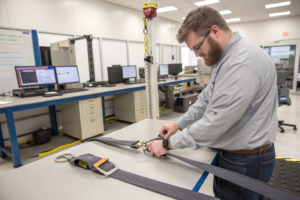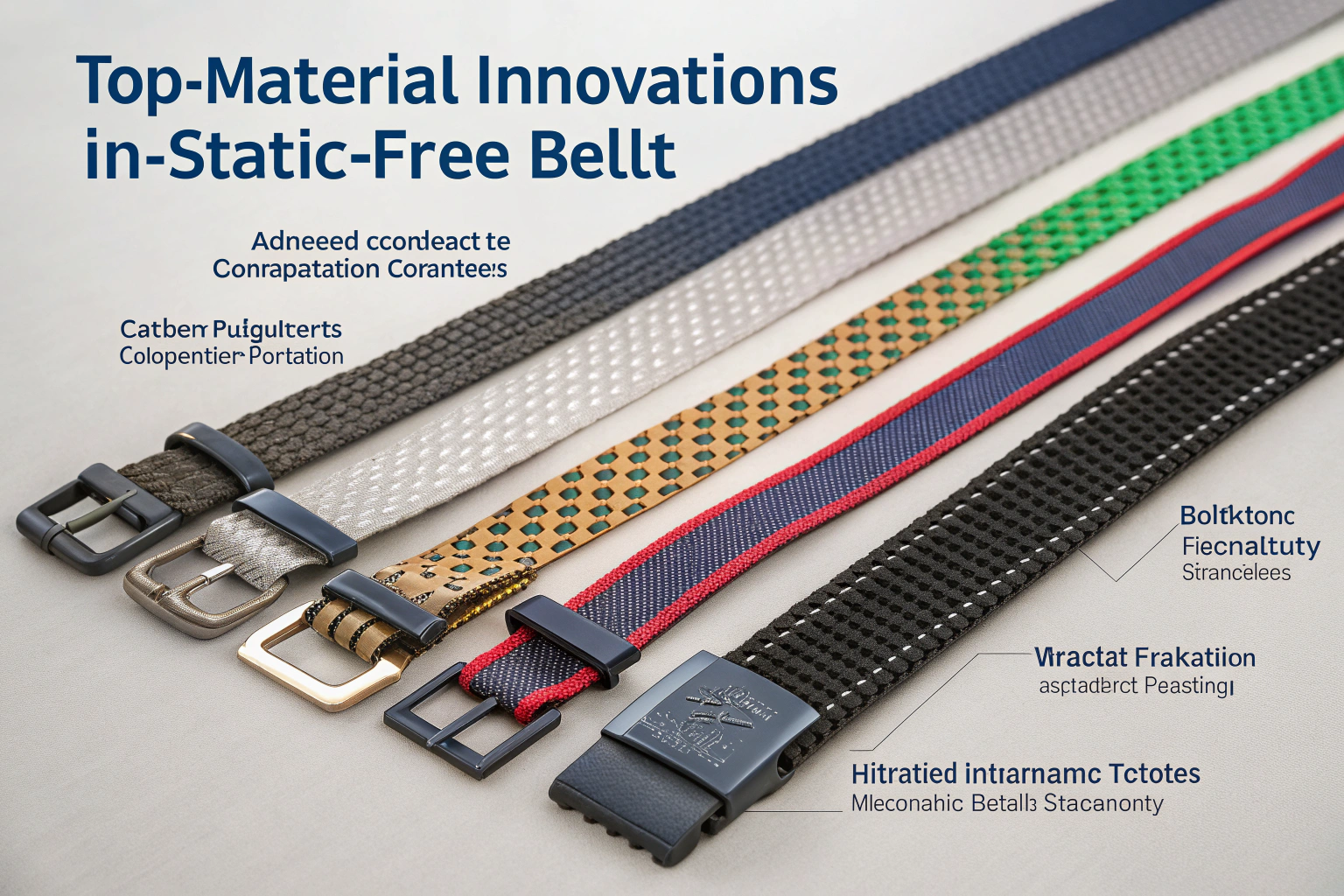
Static electricity in belts represents more than just a minor annoyance—it can damage sensitive electronics, cause uncomfortable shocks, and create professional embarrassment in formal settings. As technology becomes increasingly integrated into daily life and workplaces, the demand for static-free accessories has grown significantly, driving remarkable innovations in material science.
The top material innovations in static-free belts include advanced conductive composites, carbon-infused polymers, metal-integrated textiles, and specialized surface treatments that dissipate static electricity while maintaining flexibility, durability, and aesthetic appeal. These cutting-edge materials work by creating controlled pathways for static discharge, preventing charge buildup that leads to shocks and electronic interference.
The evolution of anti-static materials has progressed from simple metallic components to sophisticated integrated solutions. Let's explore the most promising innovations transforming static-free belt technology.
How Do Conductive Composite Materials Work?
Advanced composite materials represent the frontier of static-free technology, combining multiple material properties to achieve optimal performance.
What Role Do Carbon Nanotubes Play in Static Dissipation?
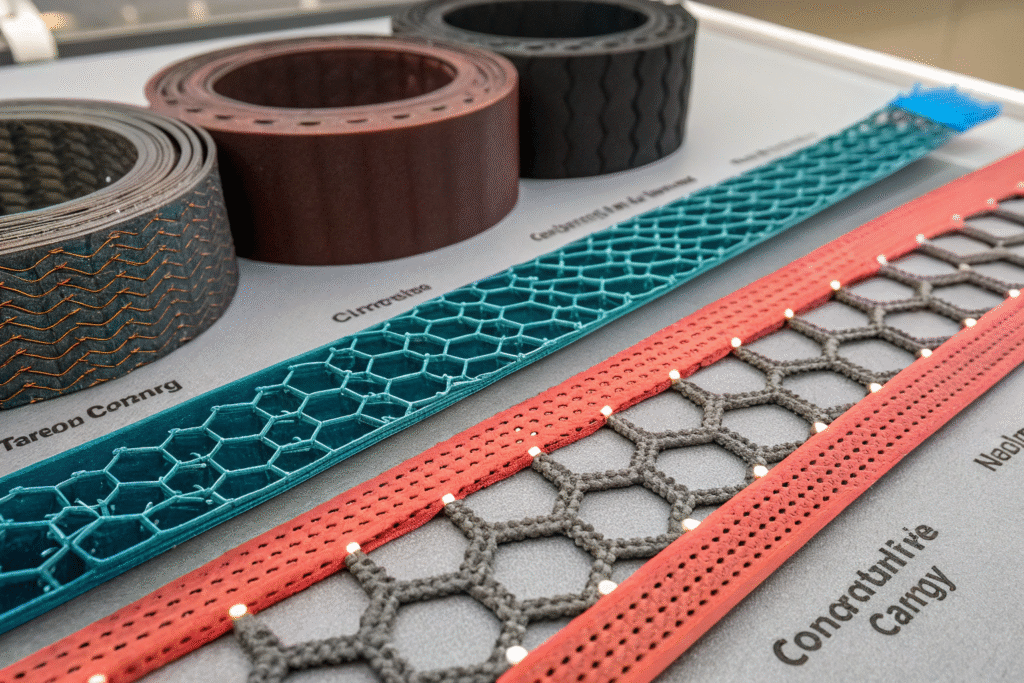
Carbon nanotubes create three-dimensional conductive networks within belt materials that provide exceptional static dissipation while maintaining flexibility. These nanometer-scale tubes, when properly integrated into polymer matrices, create continuous pathways for electron movement that prevent localized charge buildup. The high aspect ratio and conductivity of carbon nanotubes means even low concentrations (typically 1-3% by weight) can achieve surface resistivity below 10^6 ohms/square, effectively preventing static accumulation while having minimal impact on the material's mechanical properties or appearance.
How Do Graphene-Enhanced Materials Prevent Static?
Graphene's two-dimensional structure creates ultra-efficient conductive layers that dissipate static charges almost instantaneously. When incorporated into belt materials, graphene forms continuous conductive networks at the molecular level, providing static protection without compromising flexibility or comfort. Unlike traditional metallic additives that can make materials stiff or heavy, graphene-enhanced composites maintain excellent drape and movement characteristics while offering superior static dissipation performance that lasts throughout the product's lifespan.
What Innovative Metal Integration Methods Exist?
Modern metal integration techniques have evolved far beyond simple metallic threads, creating seamless static protection.
How Does Metallic Vapor Deposition Create Static Protection?
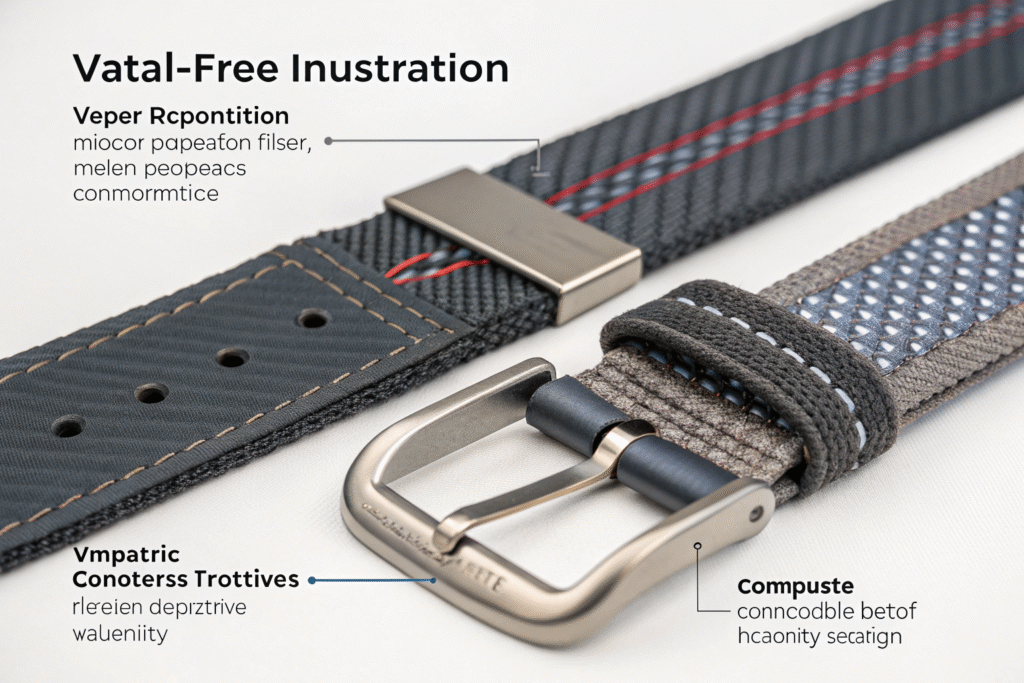
Advanced physical vapor deposition (PVD) techniques create nanometer-thin metallic layers on belt materials that provide reliable static dissipation without affecting texture or appearance. This process involves vaporizing metals like silver or copper in a vacuum chamber and depositing them as uniform thin films on material surfaces. The resulting conductive surface layer measures only microns thick yet provides excellent static protection, maintaining flexibility while being highly durable and resistant to wear, cleaning, and environmental exposure.
What Advantages Do Metallic Fiber Blends Offer?
Innovative metallic fiber blending techniques create materials with built-in static dissipation throughout their structure. Stainless steel, silver, or copper fibers are blended with traditional materials like polyester or nylon during the spinning process, creating yarns with permanent anti-static properties. Unlike surface treatments that can wear off, these integrated conductive fibers maintain their effectiveness through the product's entire lifecycle. The most advanced blends use ultrafine metallic fibers that are virtually undetectable during wear while providing consistent static protection across all conditions.
What Role Do Specialized Surface Treatments Play?
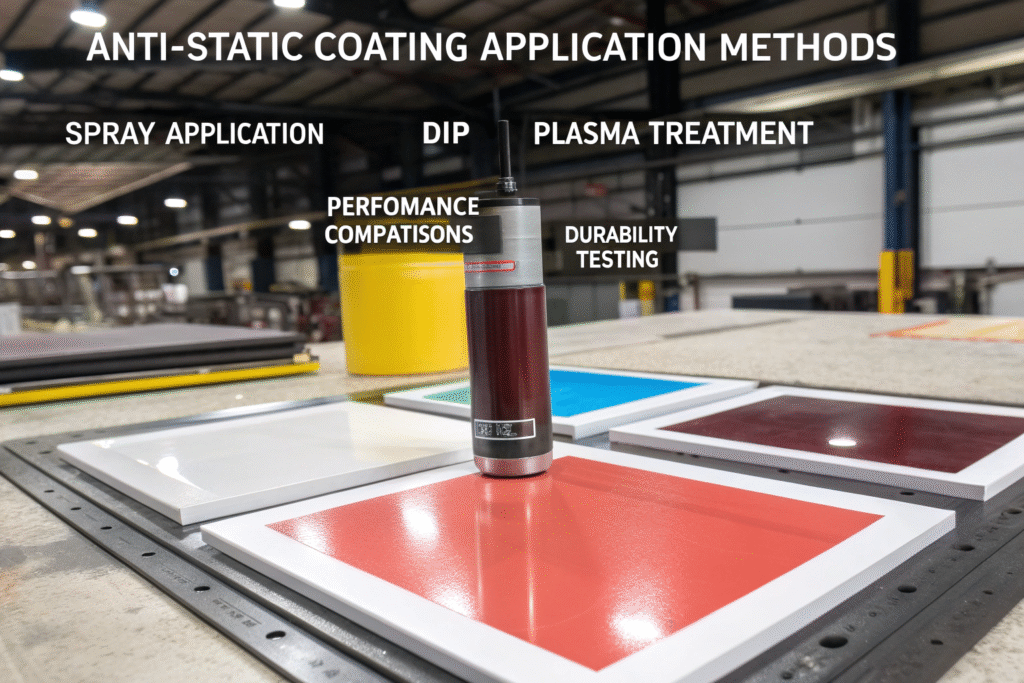
Advanced surface treatments and coatings provide effective static solutions without compromising material properties.
How Do Ionic Surface Treatments Prevent Static?
Ionic surface treatments create hydrophilic surfaces that prevent static buildup by maintaining microscopic moisture layers that dissipate electrical charges. These treatments use specialized compounds that attract atmospheric moisture, creating a thin conductive layer on material surfaces. Unlike conductive coatings that rely on metallic components, ionic treatments work through humidity management, making them particularly effective in environments with moderate humidity levels. The latest formulations provide long-lasting protection that withstands multiple cleaning cycles while remaining environmentally friendly and non-toxic.
What Advantages Do Conductive Polymer Coatings Offer?
Advanced conductive polymer coatings combine the flexibility of plastics with the conductivity of metals to create durable static-dissipative surfaces. These coatings use intrinsically conductive polymers like PEDOT:PSS or polyaniline that can be applied as thin, flexible films. Unlike metallic coatings that can crack or delaminate with repeated flexing, conductive polymer coatings maintain their integrity and functionality through the bending and twisting motions typical of belt use. Their transparency and compatibility with various coloring systems allow for aesthetic flexibility while providing reliable static protection.
How Do Hybrid Material Systems Enhance Performance?
Combining multiple anti-static technologies creates synergistic effects that outperform individual approaches.

What Benefits Do Multi-Layer Constructions Provide?
Strategic multi-layer material constructions address static electricity through different mechanisms at various levels. Inner layers might incorporate conductive fibers for charge dissipation, while middle layers use carbon-infused materials for charge distribution, and outer layers feature ionic treatments for surface protection. This comprehensive approach ensures static protection even if one layer becomes compromised, providing redundant protection systems that maintain effectiveness through years of use and varying environmental conditions.
How Do Gradient Conductivity Systems Work?
Advanced gradient conductivity systems create controlled resistance pathways that safely dissipate static charges without creating potential safety hazards. These systems gradually increase conductivity from the outer surface toward dedicated grounding points, preventing rapid discharges that could damage sensitive electronics. By controlling the rate of charge dissipation, gradient systems provide superior protection for electronic environments while remaining safe for continuous wear in various settings, from office environments to manufacturing facilities.
What Testing and Certification Standards Matter?
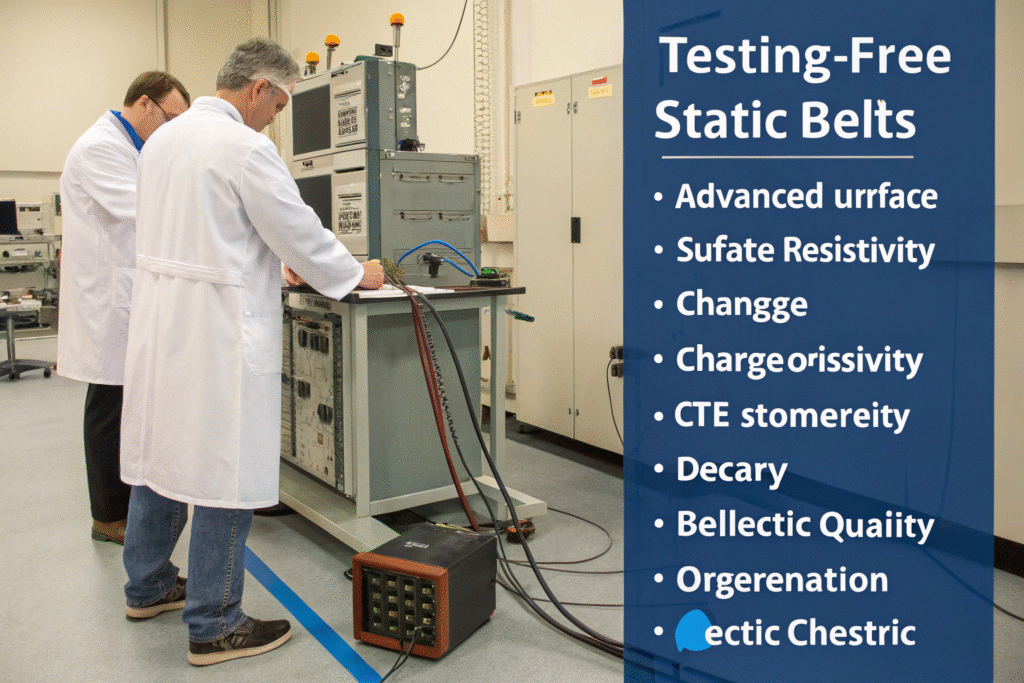
Ensuring reliable static protection requires rigorous testing and adherence to established standards.
What Performance Metrics Define Effective Static Protection?
Key performance metrics include surface resistivity measurements (typically 10^6-10^9 ohms/square for static-dissipative materials), charge decay rates (should discharge to 10% of original voltage within 2 seconds), and triboelectric charge generation (should not exceed ±2 kV). Reputable manufacturers conduct these tests according to international standards including ANSI/ESD S20.20 and IEC 61340, providing documented verification that materials perform as specified across various environmental conditions.
How Can Consumers Verify Static Protection Claims?
Look for products with independent laboratory certification and clear technical specifications regarding surface resistivity and charge decay performance. Reputable manufacturers provide test data from recognized laboratories and use established rating systems that consumers can understand. Products meeting recognized industry standards typically carry certification marks or designations that validate their static protection claims, ensuring consumers receive products that genuinely perform as advertised.
Conclusion
The material innovations in static-free belts represent a significant advancement in functional accessories, combining sophisticated material science with practical everyday needs. From carbon nanotube composites to advanced metallic integrations and specialized surface treatments, these technologies provide reliable static protection while maintaining the comfort, durability, and aesthetic qualities that consumers expect from quality belts.
As electronic devices become increasingly integrated into daily life and workplaces maintain stricter static control requirements, these advanced materials will continue evolving to provide even more effective solutions. If you're interested in developing or sourcing belts with cutting-edge static-free technology, contact our Business Director, Elaine, at elaine@fumaoclothing.com to discuss how our expertise in advanced materials and manufacturing can help you create products that meet the growing demand for static-protective accessories.