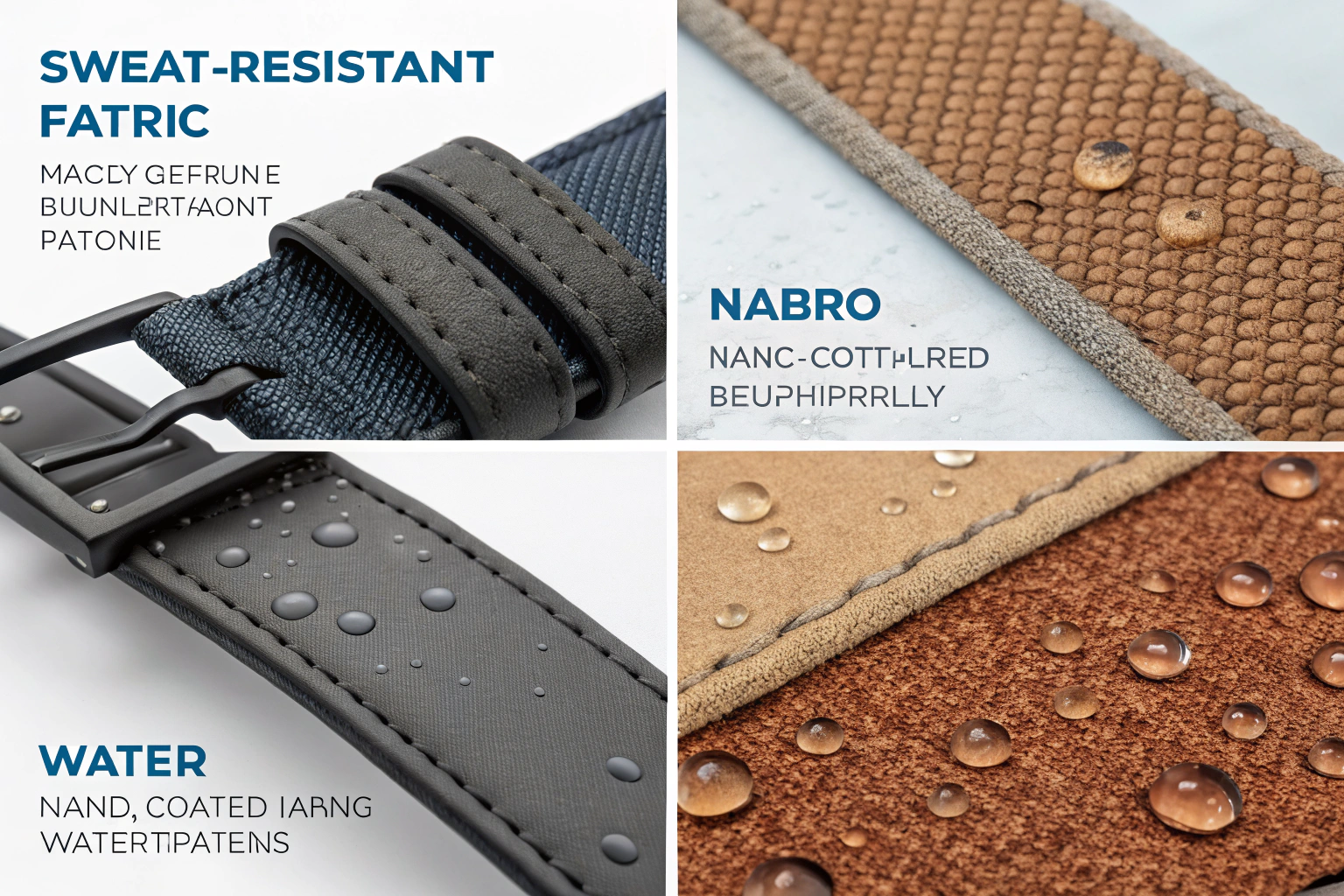
You finish your workout or long day at work and notice an unpleasant odor coming from your belt. The leather feels damp, and you see discoloration where sweat has soaked in. This common problem ruins belts faster and creates uncomfortable wearing experiences. The traditional materials used in belts simply aren't designed to handle moisture effectively.
Recent material innovations have transformed sweat-resistant belt technology. The top innovations include advanced moisture-wicking technical fabrics, specially treated leathers with protective nanotechnology, natural antimicrobial materials like cork and bamboo, and hybrid constructions that combine multiple smart materials. These solutions don't just resist moisture—they actively manage it to keep you dry and comfortable.
This article explores the cutting-edge materials revolutionizing sweat-resistant belts. We'll examine how advanced textiles manage moisture, how nanotechnology protects leather, why natural materials offer inherent protection, and how hybrid designs provide comprehensive solutions.
How Do Advanced Technical Fabrics Manage Moisture?
Traditional belt materials like untreated leather and standard synthetics absorb sweat, leading to odor, staining, and deterioration. The moisture sits against your skin, creating discomfort and potentially causing skin irritation during extended wear.
Advanced technical fabrics use engineered fibers and construction methods to actively transport moisture away from the body. These materials don't just resist absorption—they push moisture to the exterior where it can evaporate quickly, keeping the wearing surface dry and comfortable throughout the day.
What Makes Moisture-Wicking Technology Effective?
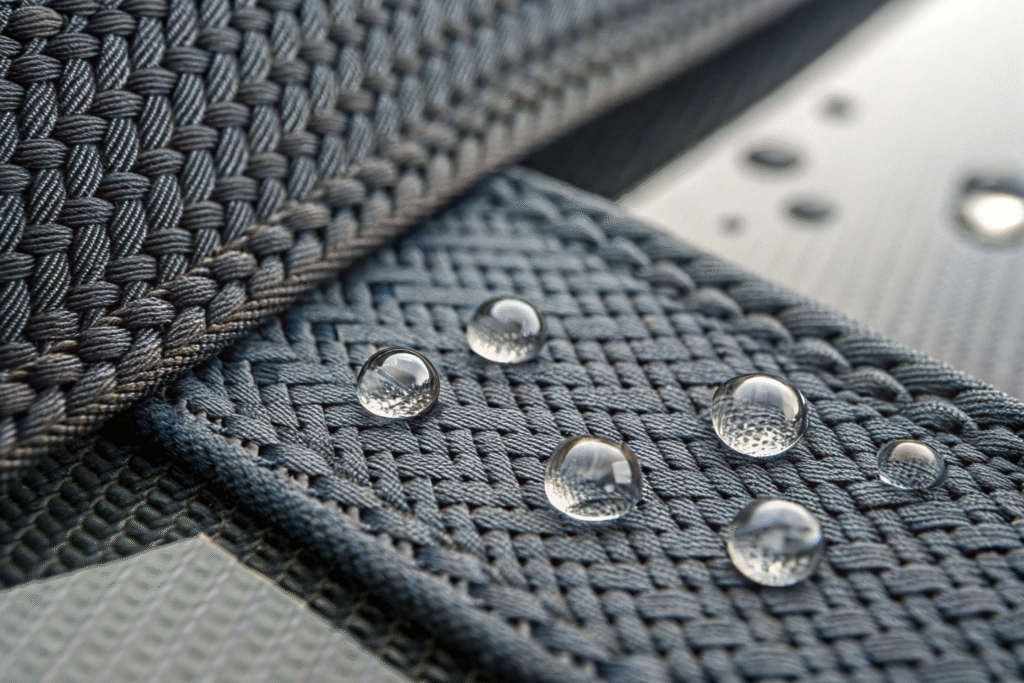
The effectiveness of technical fabrics lies in their engineered capillary action. Materials like high-density nylon and polyester are constructed with specific cross-sectional shapes that pull moisture along the fiber surface. This directional movement transports sweat from the skin contact area to the outer surface where increased air flow accelerates evaporation.
These advanced nylon belts maintain their dry feel even during intense activity. The quick-drying properties mean the belt doesn't stay damp after sweating, preventing the cold, clammy feeling that occurs with traditional materials. This makes them ideal for active lifestyle belts and tropical climate wear.
How Do Antimicrobial Treatments Enhance Performance?
Many technical fabrics incorporate silver-ion technology or other EPA-registered antimicrobial agents directly into the polymer during manufacturing. Unlike surface coatings that wash out, these built-in treatments create permanent protection against odor-causing bacteria.
The antimicrobial properties work by disrupting bacterial cell functions, preventing the microorganisms from breaking down sweat into malodorous compounds. This technology is particularly valuable for travel belts that may not be washed frequently and need to stay fresh between cleanings.
How Does Nanotechnology Protect Leather Belts?
Leather has always been vulnerable to sweat damage—the salts and acids can break down fibers, cause discoloration, and lead to premature cracking. Traditional leather treatments only provide surface-level protection that wears away quickly.
Nanotechnology creates protective barriers at the molecular level. These treatments don't just sit on the leather surface—they bond with the fibers to create permanent water resistance while maintaining breathability. The leather retains its natural ability to "breathe" while gaining enhanced protection.
What Are the Benefits of Molecular Sealing?
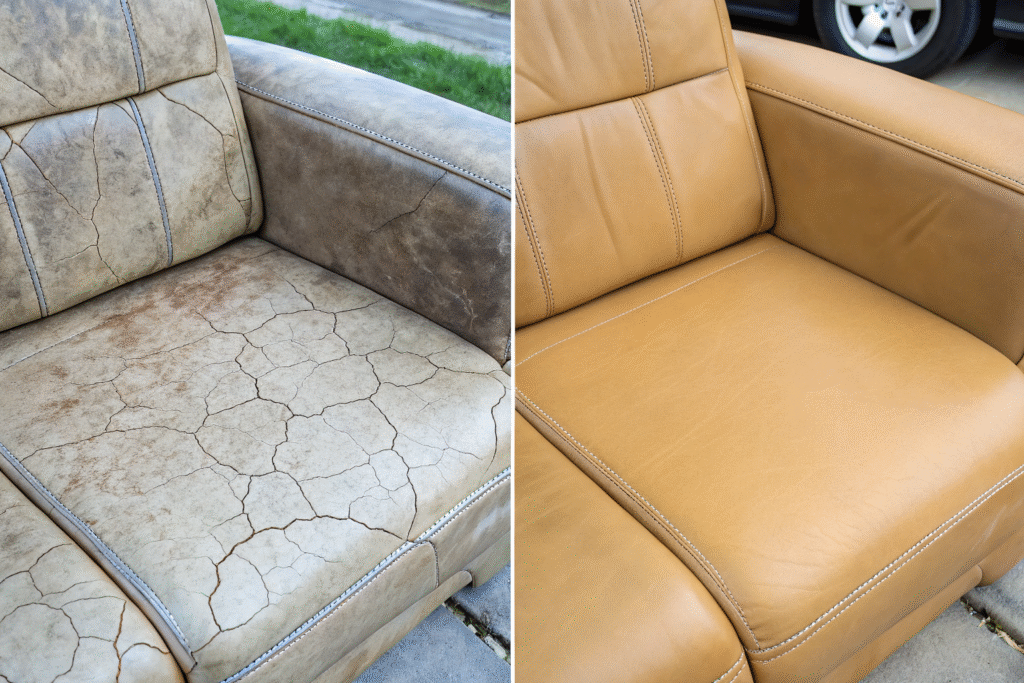
Nano-sealed leather creates a protective barrier that causes sweat and water to bead up and roll off the surface. This prevents absorption that leads to staining, warping, and odor retention. The microscopic protection means the treatment doesn't alter the leather's natural appearance or hand feel.
This technology is revolutionizing genuine leather belts by providing practical protection without compromising the premium qualities that make leather desirable. The protection lasts the lifetime of the belt because it's integrated into the material structure rather than being a surface coating.
How Does Breathability Coexistent with Protection?
Unlike plastic coatings or heavy wax treatments that completely seal leather, nanotechnology creates a "smart" barrier. The molecular structure allows water vapor (perspiration) to escape while blocking liquid water from entering. This maintains the natural thermoregulating properties that make leather comfortable for all-day wear.
This balanced approach makes nano-protected leather ideal for dress belts that need to maintain a professional appearance while providing practical sweat protection during long wearing hours.
Why Do Natural Materials Offer Inherent Protection?
Some of the most effective sweat-resistant materials come from nature. These options provide protection without relying on chemical treatments, appealing to consumers seeking more natural solutions for their accessories.
Natural materials like cork and bamboo contain inherent properties that make them resistant to moisture damage and microbial growth. These characteristics are built into the material's structure, providing permanent protection that won't wash out or wear off.
What Makes Cork an Ideal Lining Material?
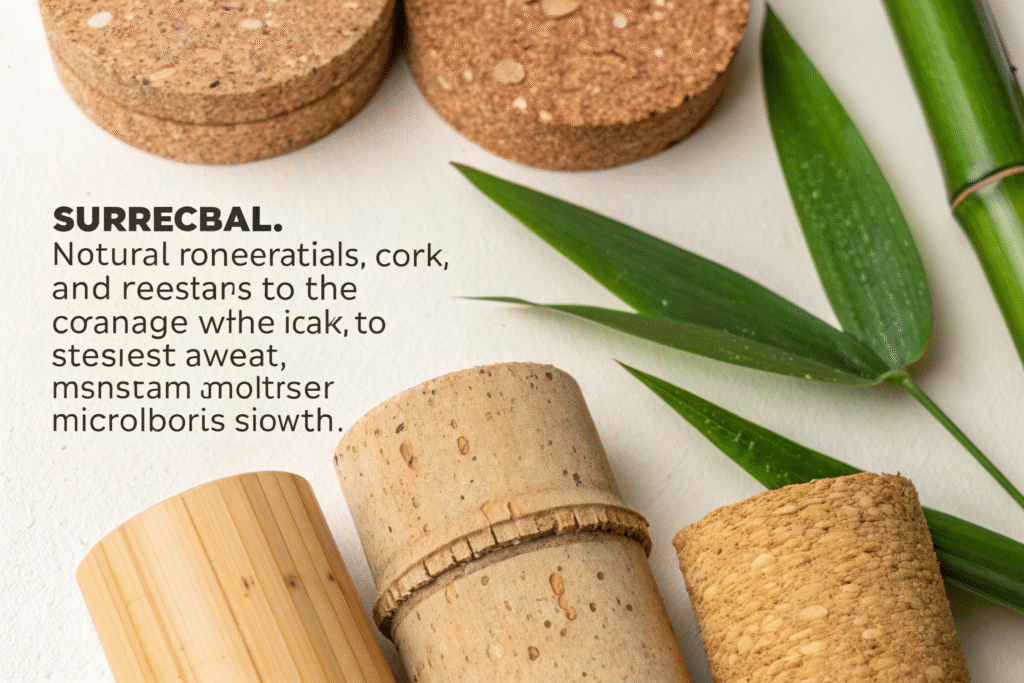
Cork possesses natural suberin—a waxy substance that makes it inherently water-resistant and antimicrobial. When used as a belt lining, cork wicks moisture away from the skin while inhibiting bacterial growth that causes odors.
The cellular structure of cork contains millions of air-filled chambers that provide both cushioning and moisture transport. This creates a comfortable barrier that keeps sweat away from the skin and outer layers of the belt. Our cork-lined belts leverage this natural technology for superior comfort.
How Does Bamboo Fiber Provide Natural Protection?
Bamboo fiber contains a natural bio-agent called "bamboo kun" that provides inherent antimicrobial properties. This natural protection remains effective through repeated washings and extended use.
Beyond its protective qualities, bamboo viscose offers exceptional softness and moisture-wicking capabilities. The fibers can absorb and evaporate moisture much more quickly than cotton, making bamboo an excellent choice for comfort-focused belt designs.
How Do Hybrid Constructions Provide Complete Solutions?
Single-material solutions often involve trade-offs—a material might excel at moisture resistance but lack durability, or provide great protection but compromise on aesthetics. Hybrid constructions combine multiple materials to leverage their individual strengths while minimizing weaknesses.
Strategic material combinations can address sweat resistance at multiple levels: moisture transport, antimicrobial protection, and liquid barrier. This layered approach provides comprehensive protection that single materials cannot achieve.
What Are Effective Material Combinations?
The most successful hybrid designs use complementary materials in specific configurations:
- Technical Lining + Protected Exterior: Moisture-wicking interior with nano-sealed leather exterior
- Natural Fiber Core + Synthetic Shell: Bamboo or cork core layer with durable nylon exterior
- Multi-Layer Construction: Separate layers for wicking, barrier protection, and structural integrity
These combinations allow designers to create fashion-forward belts that don't sacrifice style for functionality.
How Does Strategic Ventilation Enhance Performance?
Some hybrid designs incorporate strategic ventilation channels or breathable zones in high-perspiration areas. These design elements increase air circulation exactly where needed most, accelerating moisture evaporation without compromising the belt's appearance or structure.
This approach is particularly effective in athletic and casual belts where maximum breathability is desired. The ventilation can be discreetly integrated into the design so it's functional without being visually obvious.
Conclusion
Sweat-resistant belt technology has evolved dramatically with innovations in technical fabrics, nanotechnology treatments, natural materials, and hybrid constructions. Advanced textiles actively manage moisture transport, nano-protected leather provides invisible barrier protection, natural materials like cork and bamboo offer inherent antimicrobial properties, and hybrid designs combine multiple approaches for comprehensive solutions. These innovations finally solve the age-old problem of sweat damage and discomfort in belts, extending product lifespan while enhancing wearing comfort across various activities and environments.
If you're interested in developing sweat-resistant belts using these advanced material technologies, our factory specializes in innovative belt construction and material sourcing. Contact our Business Director, Elaine, at elaine@fumaoclothing.com to discuss creating high-performance, comfort-focused belts for your collection.