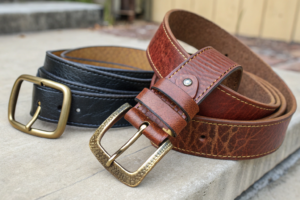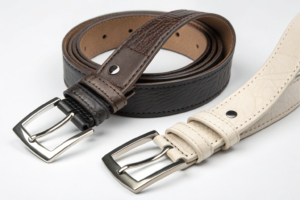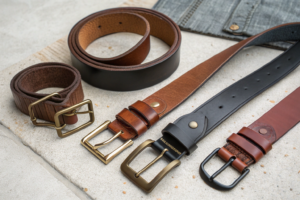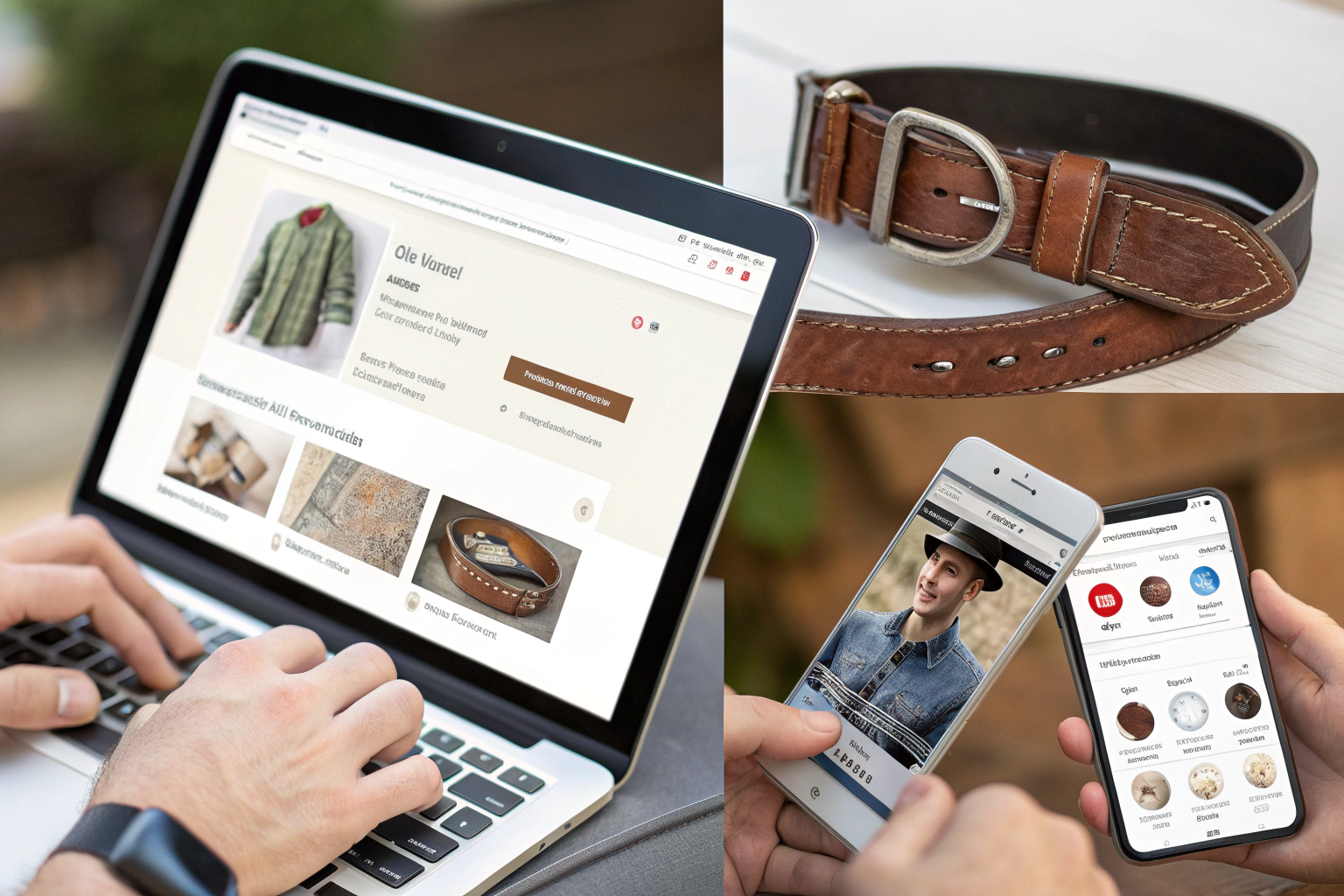
Finding reliable suppliers for handmade belts can be challenging. You need artisans who maintain quality while delivering consistent quantities. The market is fragmented across different platforms, each with unique advantages for different types of buyers.
The top sourcing platforms for handmade belts include B2B marketplaces like Alibaba and Global Sources for volume orders, artisan-focused platforms like Etsy Wholesale and Handshake for unique designs, regional specialists like IndiaMart and Made-in-China for specific craftsmanship, and social commerce platforms like Instagram and Pinterest for discovering emerging makers. Each platform serves different needs from mass customization to truly artisanal pieces.
The global handmade goods market is projected to reach $1 trillion by 2027, with leather goods representing a significant segment. Understanding which platforms match your specific requirements for volume, quality, authenticity, and price point is essential for building a successful handmade belt collection. This guide explores the most effective platforms and how to leverage them for your business needs.
Which B2B Marketplaces Dominate Handmade Belt Sourcing?
B2B marketplaces offer the scale and professional infrastructure needed for commercial sourcing. These platforms connect buyers with verified suppliers, often providing trade assurance and quality verification services. For handmade belts, they balance artisan craftsmanship with business reliability.
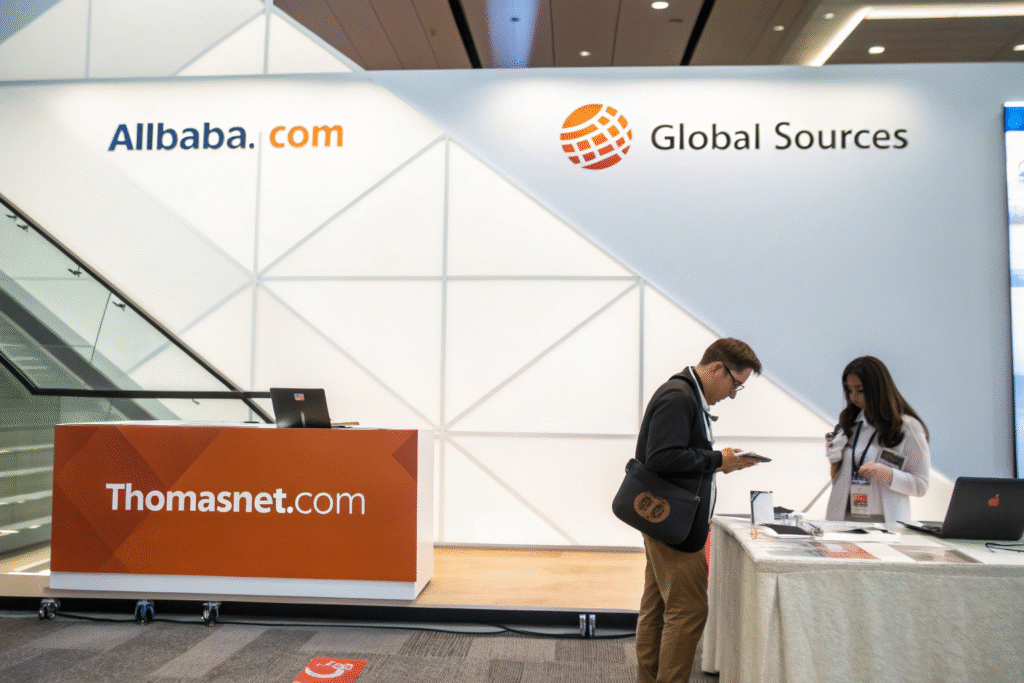
Alibaba.com leads with over 200,000 leather goods suppliers, many specializing in handmade techniques. Global Sources features premium manufacturers with strong quality control, while ThomasNet.com connects buyers with North American artisans. Each platform has distinct advantages depending on your volume requirements, quality standards, and need for customization capabilities.
How Does Alibaba Compare to Specialized Leather Platforms?
Alibaba offers the largest selection with robust supplier verification systems including onsite checkups and production capacity assessments. Their trade assurance program protects payments until order completion. For handmade belts, search filters for "handmade," "artisanal," and "craftsmanship" help narrow suppliers who genuinely employ traditional techniques rather than mass production.
Specialized platforms like LeatherSellers and TheTanneryGroup focus exclusively on leather goods, offering deeper expertise but smaller supplier networks. These niche platforms often provide better quality control and material traceability, crucial for authentic handmade positioning. The choice depends on whether breadth of options or specialized knowledge matters more for your specific sourcing strategy.
What Verification Processes Ensure Authentic Handmade Quality?
Reputable platforms implement multiple verification layers. On Alibaba, "Assessed Suppliers" have undergone third-party verification of manufacturing capabilities, while "Gold Suppliers" maintain premium membership with transaction history transparency. Look for suppliers providing workshop videos, artisan profiles, and detailed production process documentation.
Beyond platform verification, request craftsmanship certifications where applicable. Many regions offer geographical indication tags for traditional leatherworking techniques. For larger orders, commission third-party inspection services like SGS or Bureau Veritas to verify handmade processes before shipment. These steps ensure you're paying for genuine craftsmanship rather than marketing claims.
How Do Artisan-Focused Platforms Differ from B2B Marketplaces?
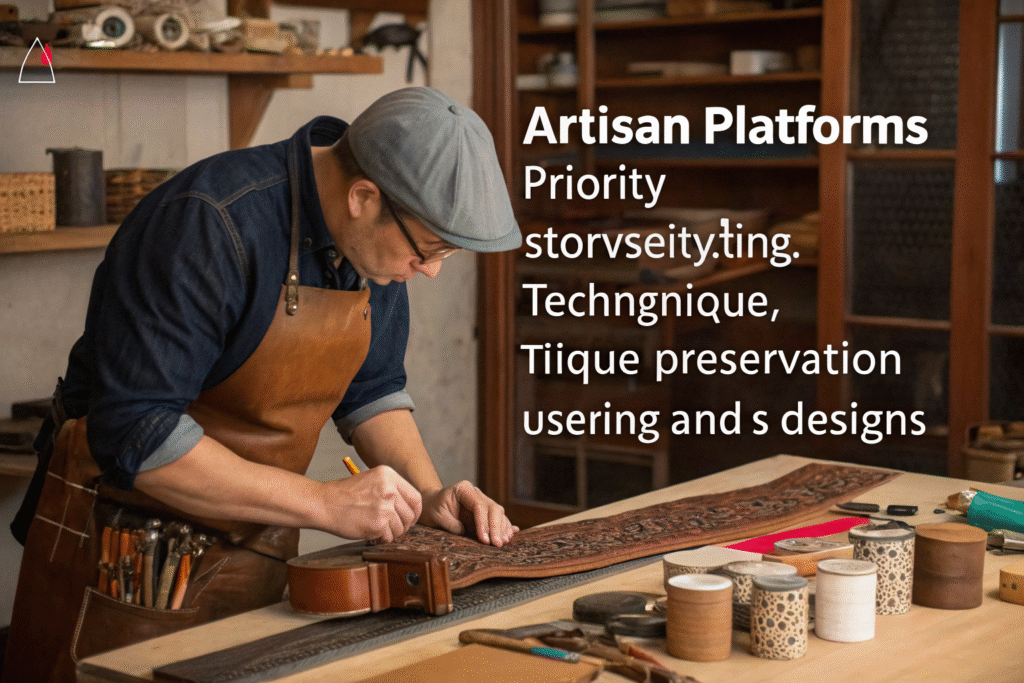
Artisan platforms prioritize storytelling, technique preservation, and unique designs over volume production. These platforms connect buyers directly with individual artisans or small cooperatives, offering products that can't be found through conventional B2B channels. The trade-off is typically lower production capacity but higher design uniqueness.
Etsy Wholesale (now integrated with Etsy) provides access to thousands of independent belt makers worldwide. Handshake by Shopify serves emerging brands with direct-to-retail capabilities. NOVICA connects buyers with master artisans in developing countries, while UncommonGoods features innovative designers with strong ethical standards.
What Are the Benefits of Direct Artisan Relationships?
Working directly with artisans through platforms like NOVICA enables complete customization and co-creation opportunities. You can develop exclusive designs that reflect authentic techniques rather than adapting existing products. The transparent supply chains typical of these platforms provide marketing content about artisan communities and traditional methods.
The emotional connection and authenticity stories resonate strongly with contemporary consumers. However, production timelines are typically longer, and minimum order quantities may be higher than expected for truly custom work. Communication may require more patience due to language barriers and technological access limitations in some artisan communities.
How Do MOQs and Pricing Compare Across Platform Types?
Artisan platforms generally have higher per-unit costs but may offer lower minimum order quantities. Where B2B marketplaces might require 500+ units for custom designs, artisan platforms might accept orders as small as 50-100 pieces. The price differential reflects genuine handmade labor rather than manufacturing efficiencies.
Consider the total cost of ownership beyond unit price. Artisan-made belts typically require less marketing investment to justify premium pricing and can command higher retail margins. The unique nature reduces price competition since identical products aren't available through other retailers. This exclusivity often justifies the higher initial cost.
Which Regional Platforms Offer Unique Handmade Belt Sources?
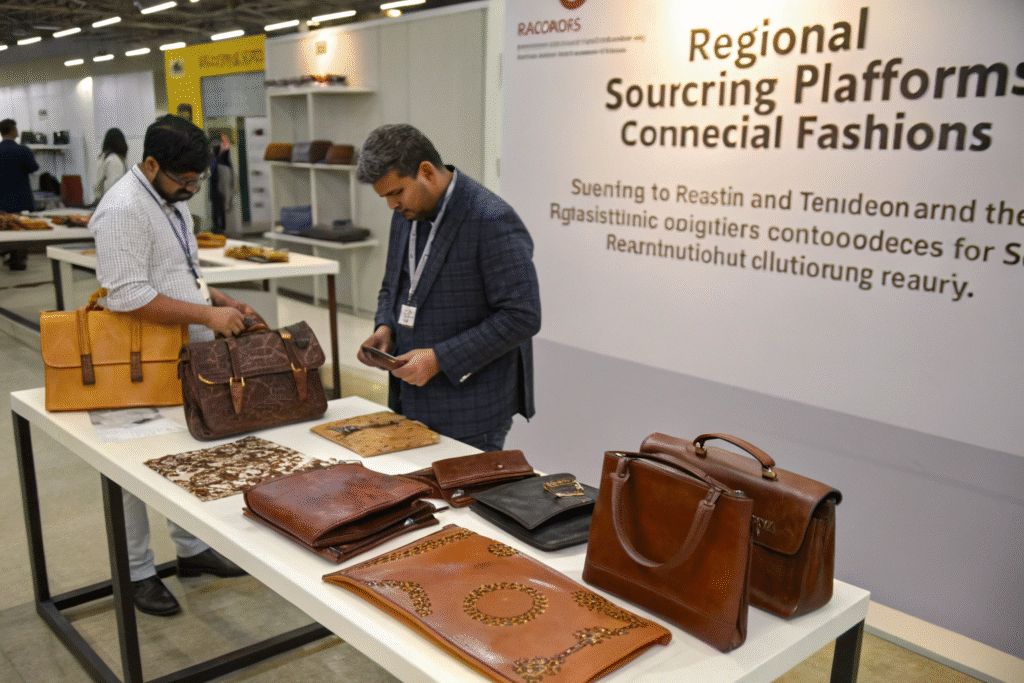
Regional sourcing platforms provide access to specific craftsmanship traditions unavailable elsewhere. These platforms often feature techniques passed through generations within particular cultural contexts. The geographical specialization comes with both advantages and logistical considerations.
IndiaMart connects buyers with India's extensive leatherworking industry, particularly known for vegetable-tanned leather and intricate tooling. Made-in-China features Chinese artisans skilled in lacquer work and embroidery on leather. Both platforms offer competitive pricing but require careful supplier vetting for quality consistency.
What Traditional Techniques Are Available Through Regional Platforms?
IndiaMart suppliers excel in traditional vegetable tanning methods using natural extracts from trees, producing leather that develops patina over time. Many artisans offer hand-tooling techniques creating intricate patterns inspired by Mughal art and local traditions. These techniques are difficult to find elsewhere at commercial scales.
Chinese platforms feature artisans specializing in silk-lined belts, embroidered leather, and lacquer finishing techniques with centuries-old heritage. The challenge lies in verifying that suppliers maintain these traditional methods rather than substituting modern shortcuts. Requesting samples and production process documentation helps authenticate the craftsmanship before committing to larger orders.
How Do Logistics and Communication Vary by Region?
Regional platforms present different logistical considerations. Indian suppliers typically have strong English communication skills due to the country's colonial history and education system. Chinese suppliers may require more patience in communication but often offer more sophisticated manufacturing infrastructure and faster production capabilities.
Shipping and import regulations differ significantly by region. Indian leather exports face fewer restrictions than Chinese equivalents in some markets. Both regions have established export systems, but lead times for handmade goods typically range from 45-90 days compared to 30-60 days for mass-produced alternatives. Building these timelines into your planning is essential for success.
How Can Social Media Platforms Complement Traditional Sourcing?
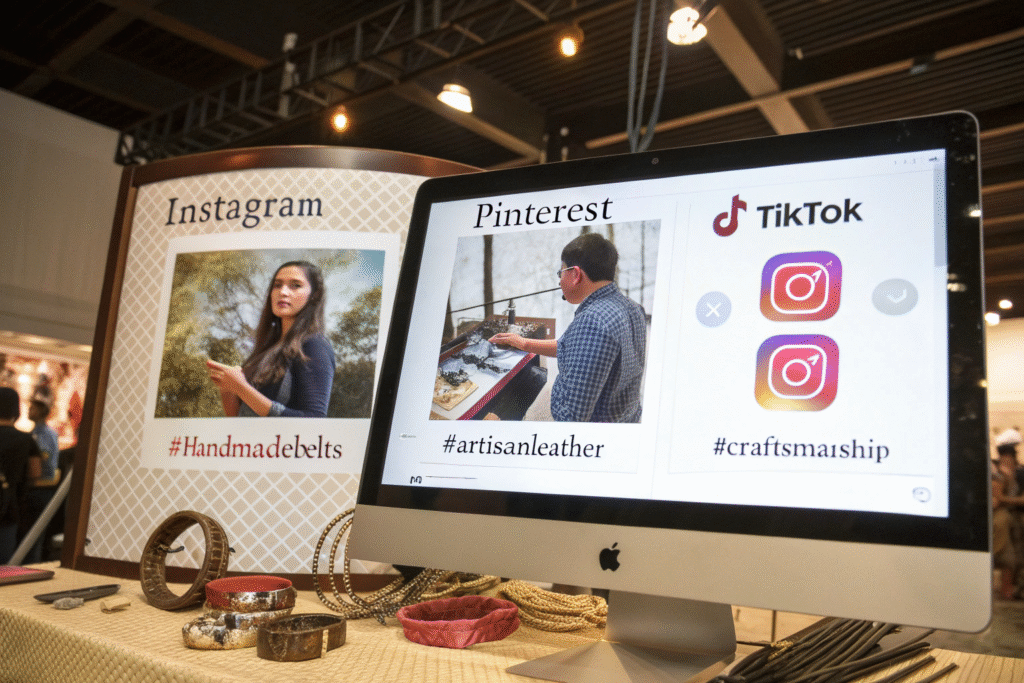
Social media platforms have evolved from marketing channels to legitimate sourcing tools. Instagram, Pinterest, and TikTok enable discovery of emerging artisans before they appear on traditional B2B platforms. This approach requires more active curation but offers first-mover advantages.
Instagram's visual nature makes it ideal for discovering belt makers through hashtags like #handmadebelts, #artisanleather, and #craftsmanship. Pinterest serves as a visual search engine for unique techniques and styles. TikTok's behind-the-scenes content provides authenticity verification through process videos that are difficult to fake.
What Strategies Help Identify Genuine Artisans on Social Media?
Look for consistent process documentation rather than just finished product glamour shots. Genuine artisans typically share works-in-progress, tool close-ups, and material sourcing stories. Engagement patterns also reveal authenticity—real craftspeople usually have smaller but highly engaged followings rather than massive passive audiences.
Use social media for supplier due diligence by examining how artisans interact with their community. Response quality to comments, transparency about challenges, and consistent aesthetic values across posts indicate professional integrity. Reverse image search helps identify resellers posing as makers—a common issue on visual platforms.
How Do You Transition from Discovery to Business Relationship?
Begin with respectful engagement that demonstrates genuine interest in their craft rather than immediately requesting pricing. Comment thoughtfully on their techniques, ask educated questions about materials, and share how their work aligns with your brand values. This relationship-building approach yields better collaboration than cold inquiries focused solely on costs.
Once rapport is established, move conversations to professional channels while acknowledging the personal connection that social media facilitates. Clearly communicate your business requirements including timelines, quantities, and quality expectations. Many artisans appreciate clear documentation of expectations since they're primarily creatives rather than business professionals.
Conclusion
The landscape for sourcing handmade belts is diverse and multifaceted. B2B marketplaces offer scale and reliability, artisan platforms provide uniqueness and storytelling potential, regional specialists deliver traditional techniques, and social media enables discovery of emerging talent. The most successful sourcing strategies often combine multiple platforms to balance different needs within a collection.
Understanding each platform's strengths, verification processes, and relationship dynamics helps build a robust supplier network. The investment in finding genuine handmade belt makers pays dividends through product differentiation, quality assurance, and authentic brand stories that resonate with today's conscious consumers.
Ready to source exceptional handmade belts for your collection? Contact our Business Director, Elaine, at elaine@fumaoclothing.com to discuss how we can connect you with skilled artisans or provide our own craftsmanship for your belt line.