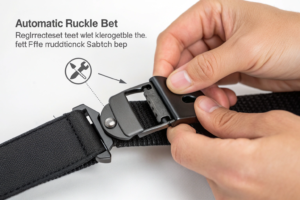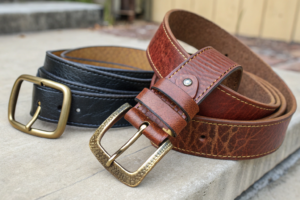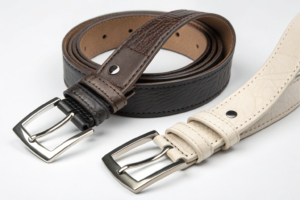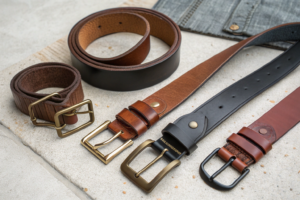
The boutique belt market represents both tremendous opportunity and significant challenges for emerging brands. While consumer demand for unique, high-quality accessories has never been higher, boutique brands face intense competition from both fast fashion giants and established luxury labels. The critical differentiator often lies not in design alone, but in strategic sourcing that balances quality, cost, and brand authenticity. What sourcing approaches separate successful boutique belt brands from those that struggle to achieve profitability and market presence?
Top sourcing strategies for boutique belt brands include developing exclusive manufacturer partnerships, implementing phased production approaches, focusing on material authenticity, building flexible supply chains, and leveraging direct-to-consumer advantages. Successful boutique brands typically achieve 50-70% gross margins by combining these strategies, while those using conventional approaches often plateau at 30-40% margins despite similar price points.
Effective boutique sourcing requires a fundamentally different approach than mass-market strategies. Let's examine partnership models, production planning, material sourcing, quality control, and margin optimization techniques that drive boutique brand success.
How Can Exclusive Partnerships Benefit Boutique Brands?
Exclusive manufacturing partnerships provide boutique brands with competitive advantages that cannot be easily replicated by competitors using standard factory services. These relationships transform suppliers from mere producers into strategic partners.
Exclusive partnerships offer benefits including custom development capabilities, preferential production scheduling, quality control attention, and collaborative problem-solving. Unlike transactional factory relationships, exclusive partnerships create mutual investment in the brand's success.

What Should Boutique Brands Look for in Manufacturing Partners?
Boutique brands should seek manufacturers with experience in small-batch production, flexibility for design modifications, transparency in costing, and shared values around quality and ethics. The ideal partner understands that boutique quantities may be smaller but expectations are higher regarding craftsmanship, attention to detail, and communication. Manufacturers with existing boutique brand experience typically adapt more quickly to the specific needs of smaller-scale production. The American Apparel & Footwear Association provides resources for evaluating manufacturing partners specifically for smaller brands.
How Can Exclusivity Agreements Protect Brand Identity?
Exclusivity agreements can protect brand identity by preventing manufacturers from producing identical or substantially similar designs for competitors. These agreements typically specify that unique design elements, custom hardware, or signature construction methods developed for the brand cannot be reused for other clients. While complete factory exclusivity is rare for emerging brands, design element exclusivity provides important protection. Legal frameworks from the International Trademark Association offer guidance on protecting design elements through various legal mechanisms.
What Production Planning Strategies Maximize Efficiency?
Boutique brands cannot leverage the economies of scale available to larger competitors, making production planning efficiency critical for maintaining healthy margins while delivering quality products.
Effective production planning for boutique brands includes phased production runs, collection-based ordering, strategic inventory management, and demand-responsive manufacturing. These approaches balance the need for adequate inventory with the financial constraints of smaller businesses.

How Does Phased Production Reduce Financial Risk?
Phased production involves manufacturing initial small quantities to test market response, then scaling production based on actual sales data. This approach reduces the risk of being stuck with slow-moving inventory while allowing rapid response to successful styles. The most effective phased production systems maintain relationships with manufacturers who can accommodate quick turnaround on reorders of popular items. Inventory management principles from the Council of Supply Chain Management Professionals provide frameworks for balancing inventory investment with service level requirements.
What Collection Planning Approaches Optimize Manufacturing?
Collection planning approaches that optimize manufacturing include designing around shared materials, standardizing component sizes, and creating style families that use similar production processes. By reducing material variety and production complexity within collections, boutique brands can achieve better pricing and more reliable delivery while maintaining design diversity. This approach also simplifies inventory management and allows for more accurate forecasting. Fashion business resources from Fashion Institute of Technology provide collection planning methodologies specifically developed for smaller brands.
How Should Boutique Brands Approach Material Sourcing?
Material selection and sourcing represent significant opportunities for boutique brands to differentiate themselves while managing costs. Strategic material decisions impact both product quality and brand storytelling.
Boutique material sourcing strategies include direct material purchasing, leveraging supplier relationships, emphasizing material authenticity, and incorporating sustainable options. These approaches allow boutique brands to achieve quality levels that justify premium positioning.

When Does Direct Material Sourcing Make Sense?
Direct material sourcing makes sense when brands have specific quality requirements, need verification of material authenticity, or require custom treatments not available through standard manufacturer offerings. While this approach requires more expertise and management, it provides greater control over quality, cost, and sustainability claims. Direct sourcing is particularly valuable for brands emphasizing specific leather types, unique hardware, or traceable materials. Guidance from the Leather Working Group helps brands navigate direct leather sourcing with appropriate quality and environmental standards.
How Can Material Storytelling Enhance Brand Value?
Material storytelling enhances brand value by connecting products to their origins, craftsmanship traditions, or sustainable attributes. Boutique brands can highlight specific tanneries, artisan workshops, or ethical sourcing practices that mass-market competitors cannot match. This storytelling transforms materials from generic components into brand assets that justify premium pricing and build emotional connections with customers. Consumer research from Nielsen shows that products with authentic sustainability stories achieve 3-5% price premiums over comparable products without such narratives.
What Quality Control Approaches Protect Boutique Brands?
Quality expectations for boutique brands exceed those for mass-market products, making robust quality control essential for maintaining brand reputation and customer loyalty.
Effective quality control for boutique brands includes pre-production sampling, in-process inspections, final product auditing, and supplier performance tracking. These measures ensure consistency despite smaller production runs and help identify issues before they reach customers.

How Should Sampling Processes Differ for Boutique Brands?
Sampling processes for boutique brands should include more iterations, closer attention to detail, and evaluation of production feasibility at small scales. While mass-market brands might approve samples after 2-3 iterations, boutique brands often require 4-6 rounds to perfect details that define their premium positioning. The sampling process should also verify that designs can be consistently produced at the intended quality level within the brand's cost structure. Quality standards from American Society for Quality provide frameworks for developing sampling protocols appropriate for different production scales.
What In-Process Inspection Strategies Are Most Effective?
In-process inspection strategies effective for boutique brands include percentage-based checking rather than statistical sampling, detailed documentation of non-conformities, and direct communication between brand representatives and production floor staff. For very small production runs, 100% inspection may be feasible and worthwhile given the high cost of failures. The most successful boutique brands develop strong relationships with factory quality teams and provide clear, detailed quality standards. Inspection protocols from International Safe Transit Association offer methodologies for developing comprehensive inspection systems.
How Can Boutique Brands Optimize Margins Through Sourcing?
Margin optimization for boutique brands requires strategic thinking across the entire sourcing process rather than simply negotiating the lowest possible manufacturing costs.
Margin optimization strategies include value-based pricing, strategic material investments, direct-to-consumer channel focus, and careful management of hidden costs. These approaches allow boutique brands to achieve profitability despite higher per-unit costs.

Where Should Boutique Brands Invest in Quality?
Boutique brands should invest in quality where customers can see and feel the difference—visible leather surfaces, functional hardware, and details that communicate craftsmanship. Strategic quality investments in these areas justify premium pricing, while less visible components can be sourced to balance costs. The most successful brands understand their customers' quality perception points and allocate resources accordingly. Consumer research from Benchmark identifies which product attributes drive perceived quality and willingness to pay premiums in fashion accessories.
How Does Direct-to-Consumer Focus Impact Sourcing Decisions?
Direct-to-consumer focus impacts sourcing decisions by allowing higher per-unit costs while maintaining margins, since brands capture the retail markup rather than sharing it with wholesale partners. This flexibility enables sourcing of better materials, more sophisticated construction methods, and lower minimum order quantities that would be unsustainable in wholesale models. DTC brands can also respond more quickly to customer feedback, adjusting sourcing based on actual customer preferences rather than retailer assumptions. Data from Digital Commerce 360 shows that DTC brands typically achieve 20-30% higher margins than comparable wholesale-focused brands.
Conclusion
Successful sourcing for boutique belt brands requires a strategic approach that balances quality, authenticity, flexibility, and margin management. The most effective strategies recognize that boutique brands compete on different terms than mass-market players, with success depending on distinctive products, compelling stories, and exceptional quality rather than lowest possible costs.
The boutique advantage lies in strategic partnerships, thoughtful production planning, authentic material selection, and meticulous quality control that collectively create products worthy of premium positioning. If you're developing a boutique belt brand and seeking manufacturing partnerships aligned with these strategic sourcing principles, our expertise with emerging brands can help build a foundation for sustainable growth. Contact our Business Director, Elaine, to discuss how we can support your boutique brand's sourcing strategy. Reach out to Elaine at elaine@fumaoclothing.com. Let's create sourcing approaches that support both your creative vision and business objectives.