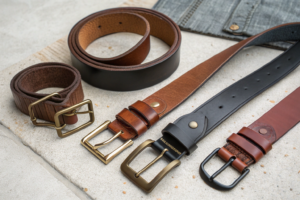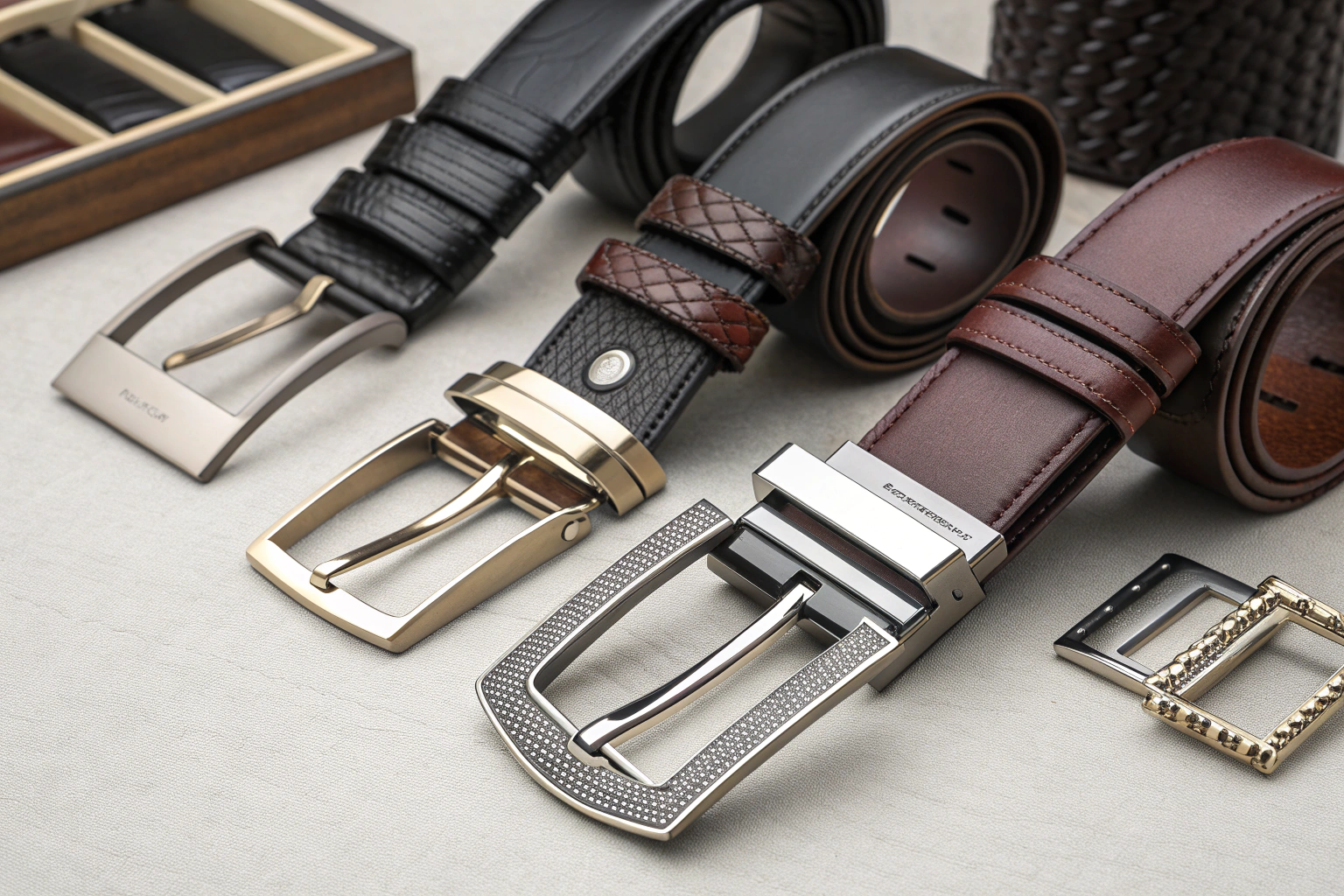
The men's formal belt buckle market is transforming from purely functional hardware to a key element of professional style expression. Traditional simple brass and silver buckles no longer satisfy fashion-conscious professionals who view their belt buckle as an extension of their personal brand and attention to detail.
Current top trends in men's formal belt buckles include minimalist architectural designs, mixed metal combinations, vintage-inspired craftsmanship, smart technology integration, and personalized elements. These trends reflect broader shifts toward individual expression within professional dress codes, blending traditional quality with contemporary aesthetics. The modern formal buckle balances sophistication with subtle style statements rather than overt decoration.
The global men's accessories market is projected to reach $105 billion by 2027, with belt buckles representing a rapidly evolving segment. Understanding these trends helps manufacturers and retailers meet demand for buckles that complement contemporary business attire while allowing personal style expression within formal contexts.
Why Are Minimalist Architectural Designs Dominating?
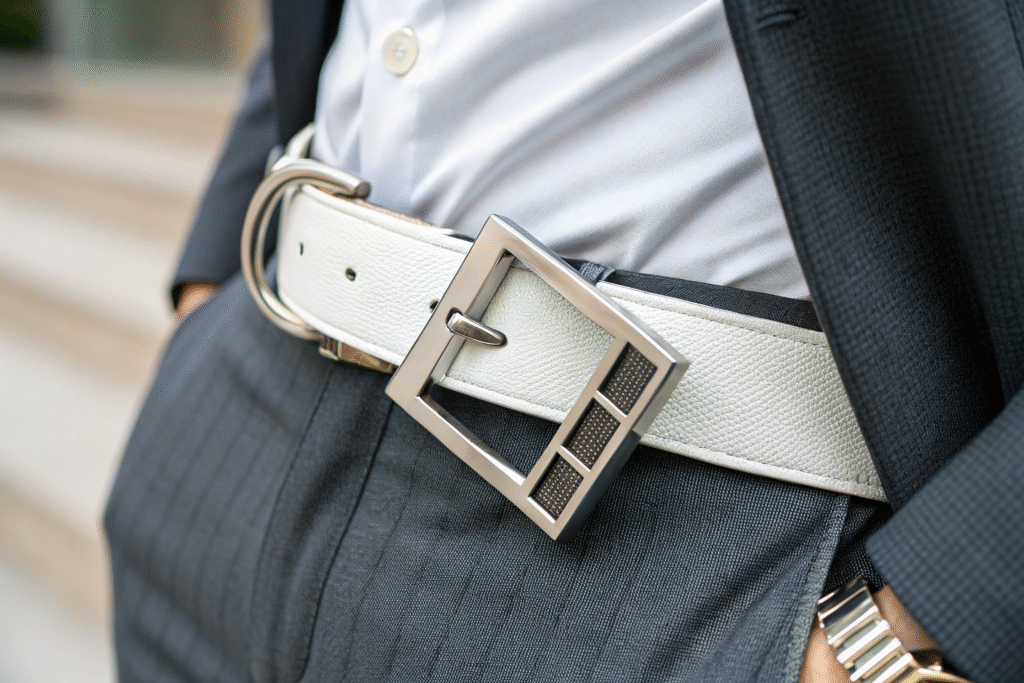
Minimalist architectural buckles represent the intersection of modern design principles and traditional formalwear requirements. These buckles feature clean lines, geometric precision, and subtle detailing that complements rather than competes with professional attire. The trend reflects broader movements toward streamlined aesthetics in men's fashion.
The appeal lies in their versatility—architectural buckles work equally well with business suits, dress trousers, and formal separates. Designs often incorporate subtle angles, layered metals, and precision engineering that conveys sophistication without ostentation. The reduced visual weight of these buckles creates a more streamlined silhouette that aligns with contemporary tailored clothing.
What Design Elements Define Architectural Minimalism?
Geometric forms like rectangles with rounded corners, oval profiles with angular cutouts, and asymmetrical balanced designs characterize this trend. The focus is on proportion and precision rather than ornamentation. Many designs feature subtle beveled edges that catch light differently throughout the day, creating dynamic visual interest without decorative elements.
Materials play a crucial role in architectural minimalism. Brushed and matte finishes predominate over high-polish surfaces, reducing visual distraction. The Bauhaus design principles of form following function clearly influence this trend, with each design element serving both aesthetic and practical purposes. This thoughtful approach resonates with professionals who appreciate intentional design.
How Does Scale and Proportion Impact Modern Formality?
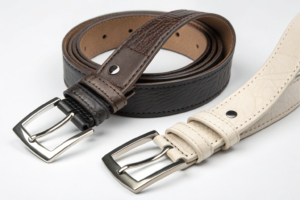
Contemporary formal buckles trend slightly smaller than traditional designs, typically measuring 1.5-2 inches in width rather than the previously standard 2.5-3 inches. This scaled-down proportion works better with modern suit cuts and slimmer dress trousers. The reduced size appears more intentional and less utilitarian.
The thickness or profile of buckles has also evolved. Slimmer profiles (3-5mm) integrate seamlessly with belt leather, creating a continuous visual line rather than a prominent hardware interruption. This proportional harmony with contemporary clothing silhouettes makes architectural minimalism particularly relevant for today's formal wear.
How Are Mixed Metal Combinations Evolving Formal Styles?
The traditional rules about matching metals to other accessories are giving way to more sophisticated approaches to metal combinations. Modern formal buckles increasingly feature intentional mixed metals that create visual interest while maintaining professional appropriateness through careful design execution.
The most successful mixed metal buckles use tone-on-tone combinations (like brushed and polished stainless steel) or complementary metals with similar warmth/coolness characteristics. This creates depth and dimension without the clashing that traditionally made mixed metals inappropriate for formal contexts.

What Metal Pairings Work in Formal Contexts?
Rose gold accents on silver-toned buckles provide subtle warmth without overwhelming formality. Gunmetal and polished steel combinations create sophisticated contrast while maintaining a cohesive color story. The key is limiting the palette to two metals and using one as the dominant material with the other as strategic accent.
The color theory principles applied to metals help create harmonious combinations. Analogous metal tones (those adjacent on the color wheel, like brass and copper) create subtle, sophisticated combinations. Complementary metals (like yellow gold and rhodium) require more careful balancing but can create striking formal statements when proportioned correctly.
How Are Designers Incorporating Mixed Metals?
Frame-and-center combinations feature a primary metal for the buckle frame with a different metal for the center bar or decorative element. Layered metal designs create depth through stacked elements in different finishes. Inlaid accents use thin lines of contrasting metal to highlight buckle contours without overwhelming the design.
These techniques allow for personal expression while maintaining the coherence necessary for formal wear. The jewelry industry's approach to mixed metals has influenced belt buckle design, bringing sophisticated metalworking techniques to functional accessories. This elevation of craftsmanship supports premium positioning in the formal buckle market.
What Vintage Inspirations Are Influencing Modern Designs?
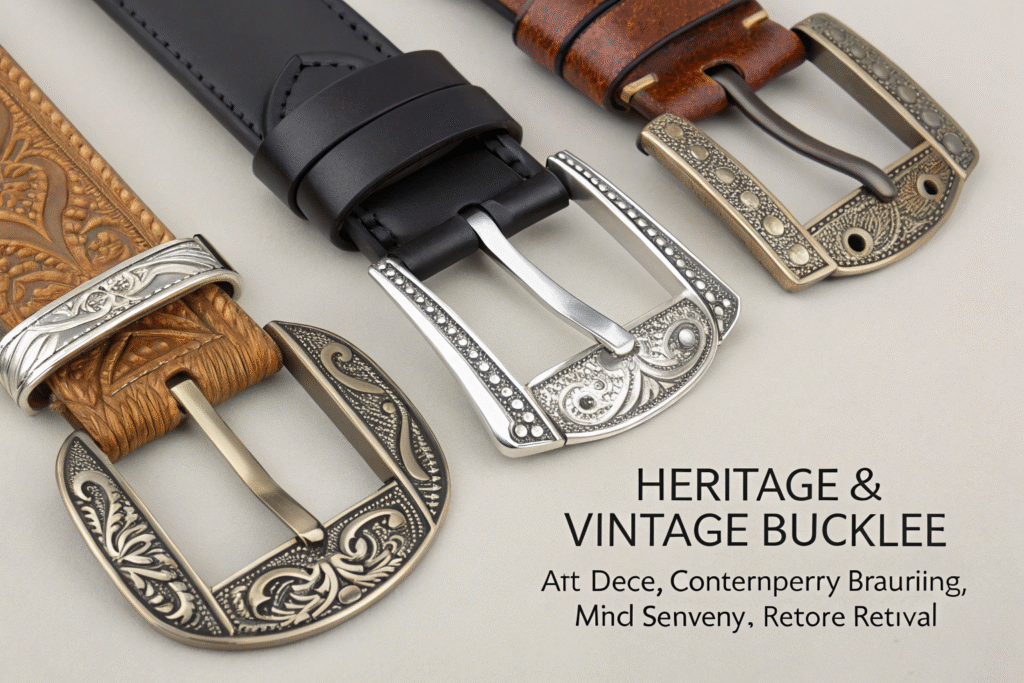
Heritage and vintage-inspired buckles are experiencing a renaissance, but with contemporary interpretations that avoid costume-like reproduction. Designers are revisiting historical styles from the Art Deco, Mid-Century Modern, and Retro periods, refining them for today's formal standards and manufacturing capabilities.
The appeal lies in the authenticity and timelessness of these designs. Vintage-inspired buckles suggest quality and permanence in an increasingly disposable fashion landscape. They also allow wearers to express individual style while maintaining professional appropriateness through their historical pedigree.
Which Historical Periods Are Most Influential?
Art Deco designs from the 1920s-1930s provide geometric patterns, sunburst motifs, and stepped forms that translate well to contemporary minimalism. Mid-Century Modern influences from the 1950s-1960s offer organic shapes, atomic patterns, and streamlined silhouettes. Retro designs from the 1970s contribute bold geometric forms and mixed material approaches.
The key to successful vintage-inspired designs lies in adapting rather than copying historical elements. Designers scale down overwhelming proportions, simplify complex patterns, and update materials to create buckles that reference history without being constrained by it. This approach maintains relevance while honoring craftsmanship traditions.
How Are Modern Manufacturing Techniques Enhancing Vintage Styles?
Contemporary manufacturing allows precision that wasn't possible in historical periods being referenced. Laser cutting creates sharper geometric details, while advanced casting techniques capture intricate patterns with perfect consistency. These technological improvements let designers recreate historical aesthetics with modern reliability.
The materials available today also enhance vintage inspirations. Modern metal alloys offer better corrosion resistance and color consistency than their historical counterparts. This means vintage-inspired designs can maintain their appearance through years of daily wear, addressing a common limitation of original historical pieces.
How Is Technology Integrating with Formal Buckle Design?
The integration of technology into formal belt buckles represents the most forward-thinking trend in the category. Rather than creating obviously "tech" products, designers are subtly incorporating functionality that enhances the formal wearing experience without compromising aesthetics.
The most successful technological integrations are invisible during normal wear but provide added convenience or functionality. These features appeal particularly to professionals who value both style and practical innovation in their accessories.

What Smart Features Are Being Incorporated?
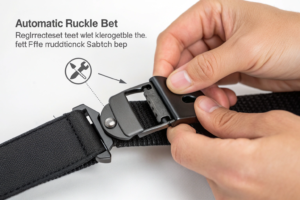
Magnetic closure systems with mechanical backup provide the convenience of quick fastening with the security of traditional mechanisms. Trackable elements using RFID or similar technologies help professionals monitor frequently traveled items during business trips. Some advanced designs incorporate modular systems that allow swapping center plates or elements to coordinate with different outfits.
Battery-free implementations are crucial for formal contexts where charging would be impractical. Solar-powered elements, kinetic energy harvesting, or completely passive systems maintain the buckle's functionality without requiring user maintenance. This approach keeps technology-enhanced buckles as reliable as traditional versions.
How Are Materials Science Advances Enabling New Designs?
Advanced materials like titanium alloys, ceramic composites, and proprietary metal blends allow thinner, stronger buckle constructions. These materials enable designs that were previously impossible due to weight or durability constraints. The result is formal buckles that combine visual lightness with exceptional longevity.
Coatings and surface treatments have also advanced significantly. Physical Vapor Deposition (PVD) coatings create extremely durable color finishes that resist scratching and tarnishing. These technical finishes ensure buckles maintain their professional appearance through years of daily use, addressing the maintenance concerns that often deter professionals from wearing decorative buckles regularly.
Conclusion
Men's formal belt buckle trends reflect broader shifts in professional dress toward individual expression within established parameters. The most successful designs balance innovation with tradition, offering subtle style statements that complement rather than dominate professional attire.
The convergence of minimalist aesthetics, mixed metal sophistication, vintage inspiration, and technological integration creates exciting opportunities for manufacturers and retailers. Understanding these trends helps develop products that meet the evolving needs of fashion-conscious professionals while maintaining the quality and appropriateness required for formal contexts.
Ready to develop formal belt buckles that incorporate these trending design elements? Contact our Business Director, Elaine, at elaine@fumaoclothing.com to discuss how our design and manufacturing expertise can help create buckles that align with contemporary formal wear trends.