Printed canvas belts face constant exposure to sunlight, friction, and environmental elements that can cause colors to fade, bleed, or transfer. For retailers and consumers, nothing diminishes a product's perceived quality faster than color that deteriorates prematurely. The frustration of watching a vibrant printed design fade after limited use represents a significant quality concern in the fashion accessory market.
Colorfastness in printed canvas belts is determined by fiber composition, dye selection, printing methodology, and finishing treatments working in concert. These elements collectively determine how well a belt maintains its color integrity when exposed to sunlight, moisture, friction, and cleaning processes throughout its lifespan.
Understanding colorfastness requires examining both material science and manufacturing processes. This comprehensive analysis explores the key factors that determine color longevity and how manufacturers can optimize each element to produce printed canvas belts that maintain their visual appeal through years of use.
How Does Fiber Composition Impact Color Retention?
The fundamental canvas material serves as the foundation for colorfastness, with different fiber types exhibiting dramatically different affinities for dyes and printing inks. Natural and synthetic fibers possess distinct chemical structures that determine how deeply and permanently color can penetrate and bond.
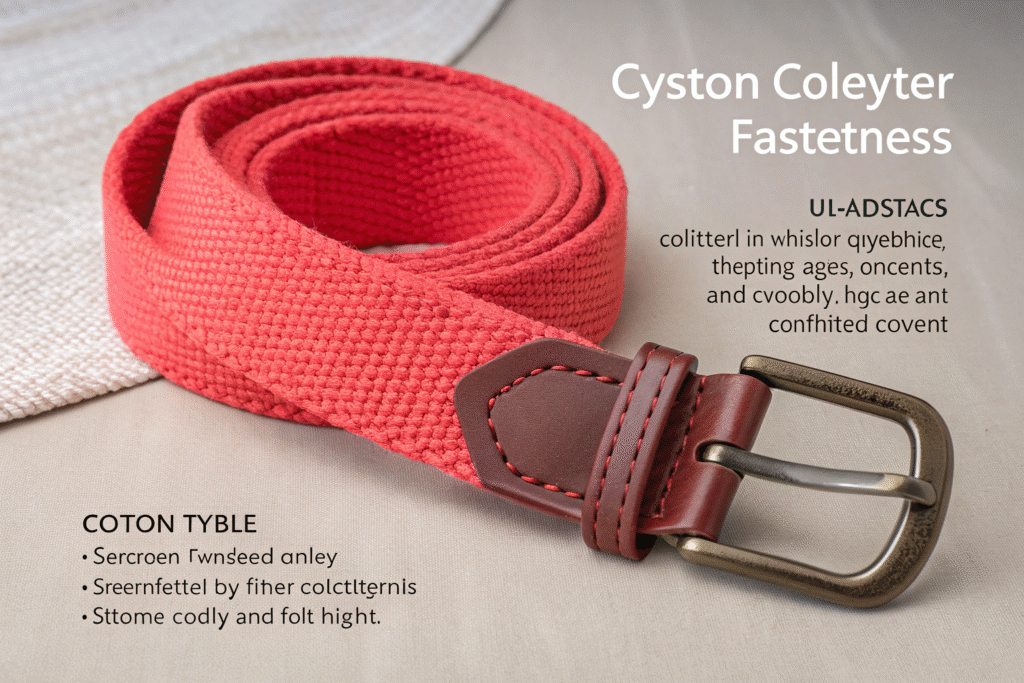
Canvas belts utilizing cotton-polyester blends typically achieve superior colorfastness compared to 100% cotton or pure synthetic constructions. The polyester component provides strong dye affinity and UV resistance, while cotton offers natural fiber aesthetics and comfort, creating a balanced material foundation for lasting color.
Why Do Cotton-Polyester Blends Outperform Pure Materials?
100% cotton canvas, while natural and breathable, has relatively poor resistance to UV degradation and tends to fade more quickly with sun exposure. Pure synthetic canvases may resist fading but can struggle with dye penetration depth. The hybrid composition of cotton-polyester blends leverages polyester's strong chemical bonds with dyes while maintaining cotton's natural hand feel. This combination typically achieves 40-60% better color retention than single-fiber alternatives.
How Does Canvas Weave Density Affect Color Protection?
Tighter weave patterns create a more protected environment for colorants by reducing direct exposure to environmental elements. Densely woven canvas with high thread counts shields dyes from UV radiation and physical abrasion, significantly extending color lifespan. The weave structure essentially creates a physical barrier that complements the chemical bonding between fibers and colorants.
What Role Do Dye and Printing Methods Play in Color Permanence?
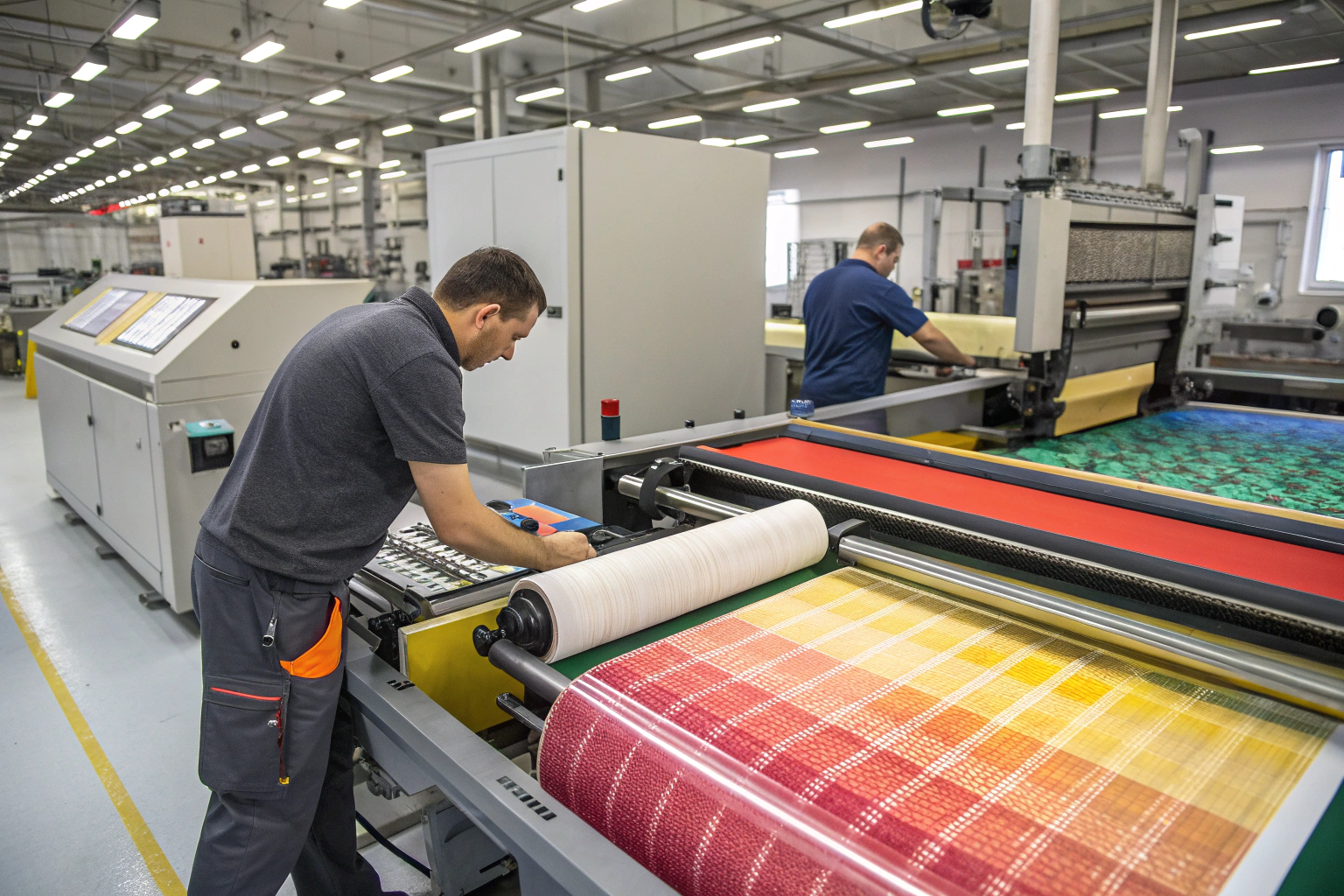
The method of color application fundamentally determines how securely pigments bond with canvas fibers. Different printing technologies create varying levels of color penetration and fixation, with some methods merely coating the surface while others integrate color throughout the material thickness.
Screen printing, digital sublimation, and pigment dyeing each offer distinct advantages for colorfastness depending on the design complexity and performance requirements. The selection between these methods represents a critical decision point in achieving the desired balance between visual impact and color durability.

Why Does Sublimation Printing Offer Superior Penetration?
Sublimation printing uses heat to transform solid dye particles into gas that penetrates deep into synthetic fibers, creating color that becomes part of the material rather than sitting on its surface. This molecular bonding process makes the color exceptionally resistant to fading, cracking, or peeling since it cannot be physically separated from the fibers themselves. The method works particularly well with polyester-rich canvas blends.
How Do Reactive Dyes Create Permanent Chemical Bonds?
Unlike pigments that simply adhere to fiber surfaces, reactive dyes form covalent chemical bonds with cellulose fibers in cotton canvas. These permanent molecular connections ensure the color becomes an integral part of the fiber rather than a surface coating. The resulting colorfastness withstands repeated washing and exposure far better than traditional direct dyes or pigments.
What Finishing Treatments Enhance Color Longevity?
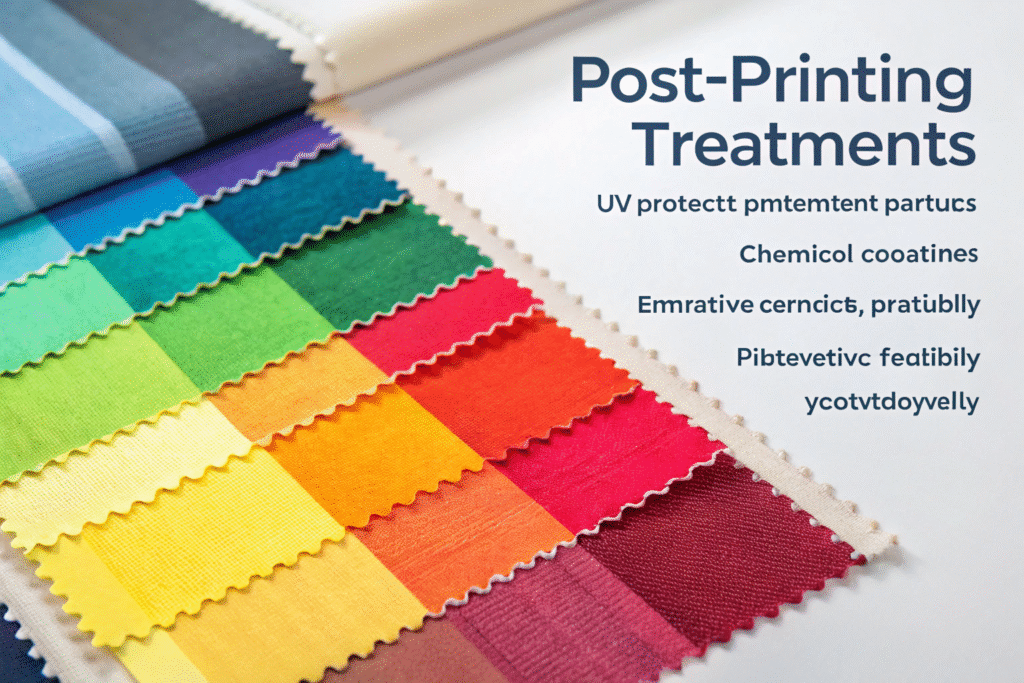
Post-printing treatments provide crucial protection that extends color lifespan by creating barriers against environmental factors and enhancing the fundamental bonds between colorants and fibers. These finishing processes represent the final opportunity to build colorfastness into the manufactured product.
UV protectants, chemical fixatives, and protective coatings work synergistically to shield colors from the primary causes of deterioration. The selection and application of these treatments significantly influence how well printed designs withstand real-world use conditions.
How Do UV Protective Finishes Combat Solar Degradation?
Sunlight represents the most significant environmental threat to colorfastness, with ultraviolet radiation breaking down dye molecules through photochemical reactions. UV absorbers and stabilizers incorporated into finishing treatments absorb harmful radiation before it can damage colorants, typically extending color lifespan by 200-300% when properly formulated and applied. These treatments are particularly valuable for belts intended for outdoor or casual use.
Can Fixative Agents Improve Wash and Rub Fastness?
Chemical fixatives create cross-links between dye molecules and fibers, effectively locking colors in place against the mechanical action of washing and the abrasion of daily wear. These color-fixing treatments reduce color bleeding during cleaning and prevent color transfer to clothing, addressing two common consumer complaints about printed accessories. The treatment effectiveness varies based on the original dyeing method and fiber composition.
| Factor | Impact on Colorfastness | Optimal Application |
|---|---|---|
| Fiber Content | Determines dye affinity and UV resistance | 65% polyester/35% cotton blend |
| Dye Penetration | Affects resistance to surface abrasion | Sublimation for synthetics, reactive dyes for cotton |
| UV Protection | Prevents photochemical degradation | Clear topical coating with UV absorbers |
| Fixative Treatment | Reduces bleeding and transfer | Post-printing chemical application |
How Can Manufacturers Test and Verify Colorfastness?
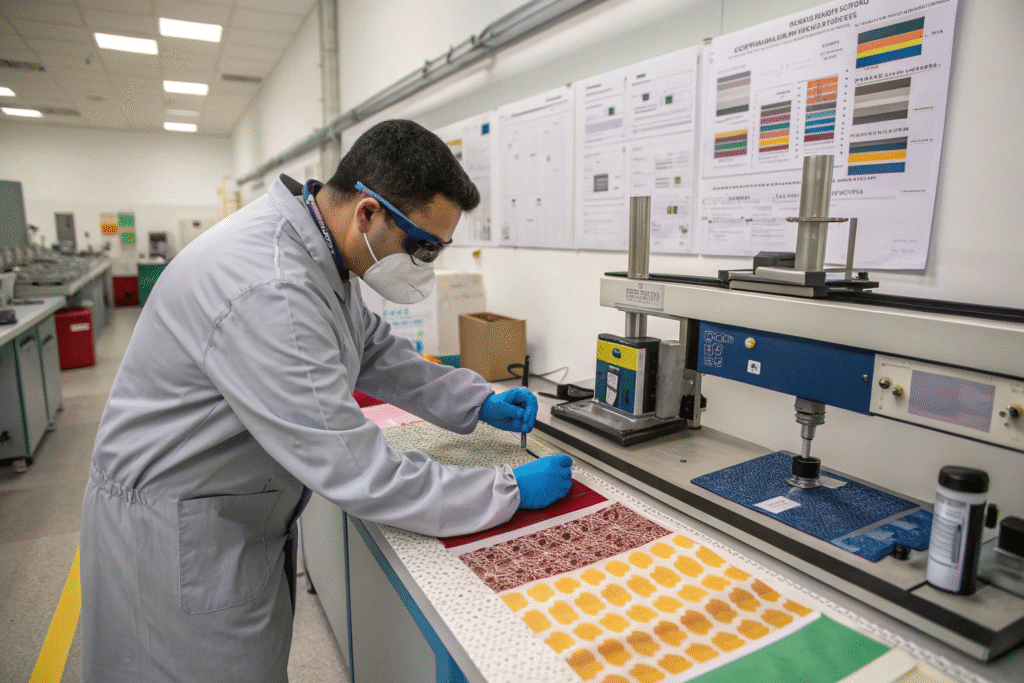
Verifying colorfastness requires standardized testing that simulates years of use within controlled laboratory conditions. These testing protocols provide quantifiable data that predicts real-world performance and helps manufacturers identify potential improvements in their processes.
Lightfastness testing, crocking (rub) tests, and wash fastness evaluations collectively provide a comprehensive picture of how colors will perform throughout a product's lifespan. Implementing rigorous testing protocols ensures consistent quality and helps prevent customer dissatisfaction.
What Do Standardized Lightfastness Tests Reveal?
Industry-standard Xenon-arc testing simulates extended sunlight exposure by subjecting samples to intense, controlled light while monitoring color change against standardized scales. This accelerated testing can predict years of outdoor exposure in just hundreds of hours, allowing manufacturers to validate their UV protection strategies and material selections before products reach consumers.
How Does Crocking Testing Predict Color Transfer?
The crockmeter test measures color transfer from friction by rubbing printed canvas against white test fabric under controlled pressure. This evaluation predicts whether belt colors will transfer to clothing during normal wear—a common concern with poorly fixed dyes. Manufacturers use this data to adjust their fixation processes and ensure colors remain where they're intended.
Conclusion
Colorfastness in printed canvas belts results from the careful integration of material selection, printing technology, and protective finishing treatments. By understanding how fiber composition, dye chemistry, and finishing processes interact to determine color longevity, manufacturers can create products that maintain their visual appeal through years of use. The systematic approach to colorfastness not only enhances product quality but also builds brand reputation for durability and value.
Ready to produce printed canvas belts with exceptional colorfastness? At StylishBelts, we've mastered the art and science of creating vibrant, long-lasting prints through optimized materials and advanced manufacturing techniques. Contact our Business Director Elaine today at elaine@fumaoclothing.com to develop printed belt collections that maintain their beauty season after season.