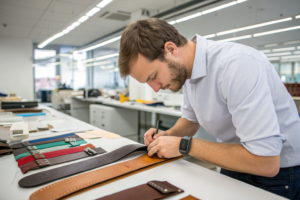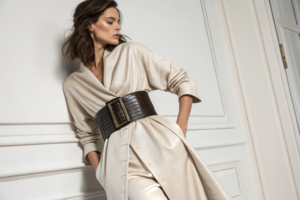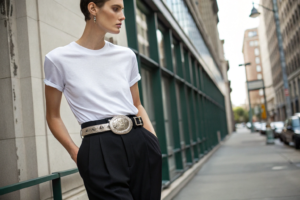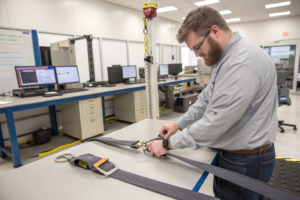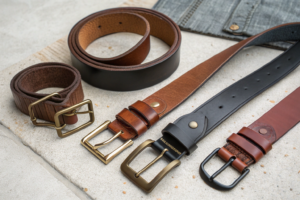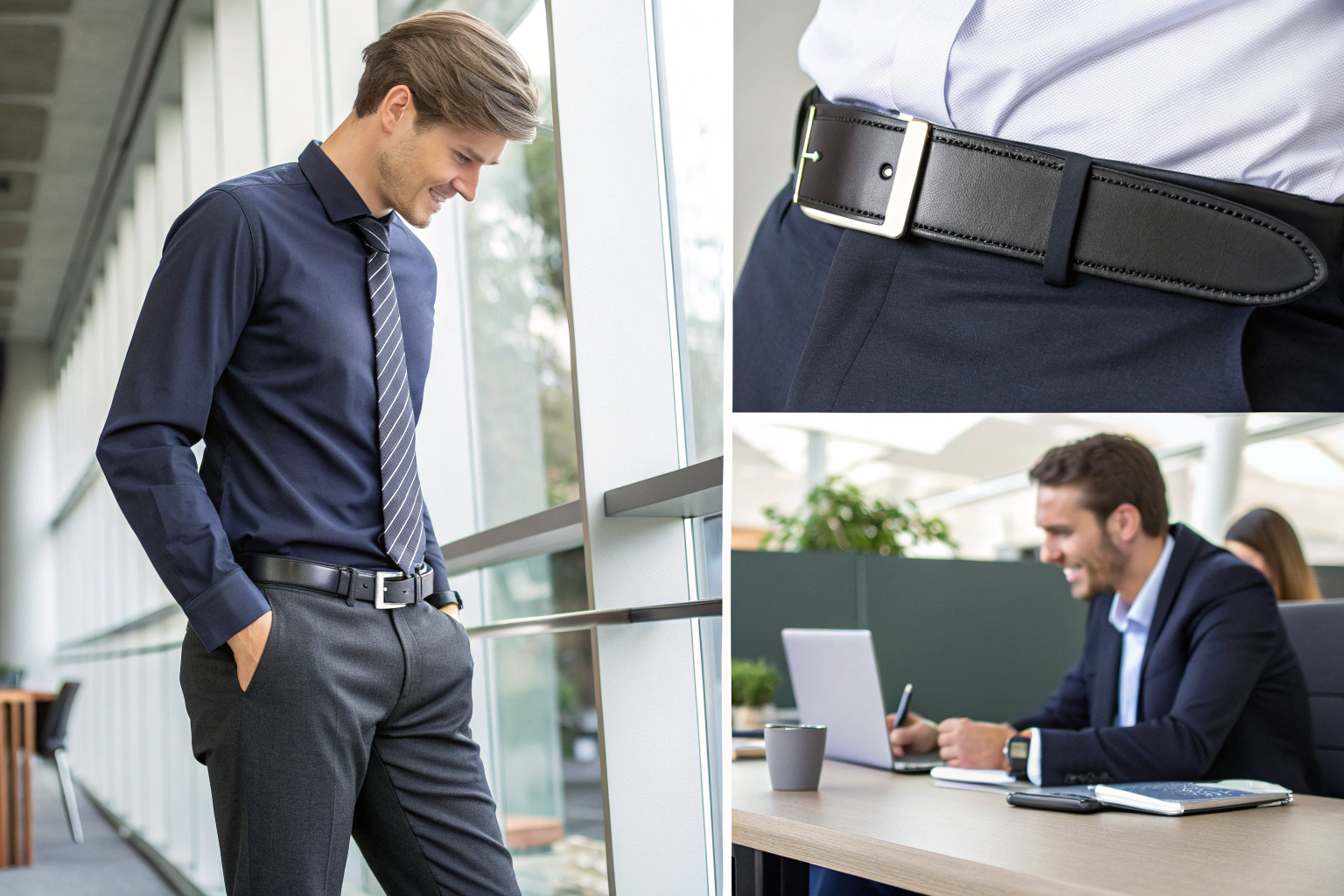
Many professionals experience belt discomfort during long workdays, from abdominal pressure and skin irritation to constant readjustment needs. These issues distract from productivity and make formal wear feel like a burden rather than a professional choice.
Comfort in all-day dress belt wear is determined by four key factors: flexible leather construction, ergonomic buckle design, proper sizing accuracy, and breathable lining materials. The optimal dress belt combines structural integrity for formal appearance with flexibility that moves naturally with the body's daily movements.
Understanding these comfort elements helps professionals select belts that maintain their polished appearance without sacrificing all-day wearability. Let's examine how each factor contributes to continuous comfort.
How Does Leather Quality Impact Daily Comfort?
The leather selection fundamentally determines how a dress belt feels throughout extended wear. Not all leather belts provide the same comfort level, even when they appear similar visually.
Quality leather should maintain its shape while adapting to body movements, providing consistent comfort from morning meetings to evening events without causing pressure points or irritation.
Why Does Full-Grain Leather Outperform Others?
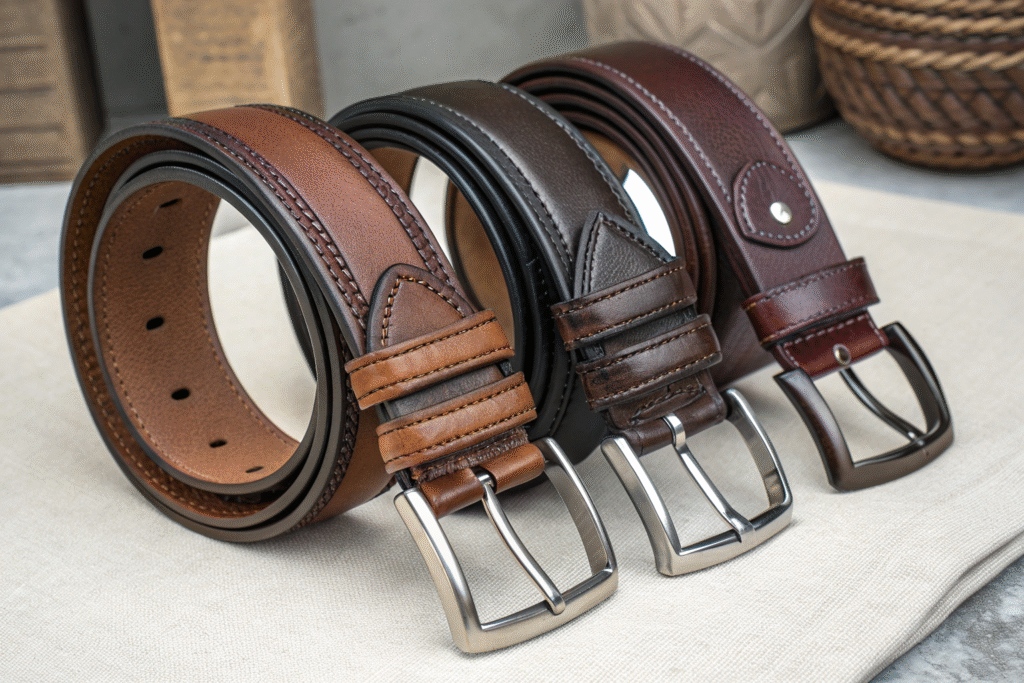
Full-grain leather retains the hide's natural fiber structure, allowing it to develop a personalized flexibility that improves with wear. Unlike corrected grain leather or bonded alternatives, full-grain contains uninterrupted collagen fibers that provide consistent support without stiffness. This natural material adapts to body temperature and movement patterns, creating a custom fit over time. The breathability of quality genuine leather prevents moisture buildup that causes discomfort during long wearing periods.
What Leather Thickness Provides Optimal Comfort?
The ideal dress belt thickness balances formal structure with wearing comfort. Belts measuring 3.5-4.0mm thick provide sufficient rigidity for a polished appearance while remaining flexible enough for all-day comfort. Thicker belts often maintain their shape better but can create uncomfortable pressure when sitting, while thinner belts may lack the structure required for formal business attire. The leather's temper (softness) should allow natural rolling rather than cracking when bent.
What Buckle Designs Enhance Wearability?
The buckle represents a critical comfort component that often receives insufficient attention. Poor buckle design can create pressure points, snag clothing, and disrupt the belt's natural drape.
Optimal buckle designs distribute pressure evenly, secure reliably without constant adjustment, and maintain a low profile that doesn't interfere with movement or seating positions.
How Does Buckle Weight Distribution Matter?
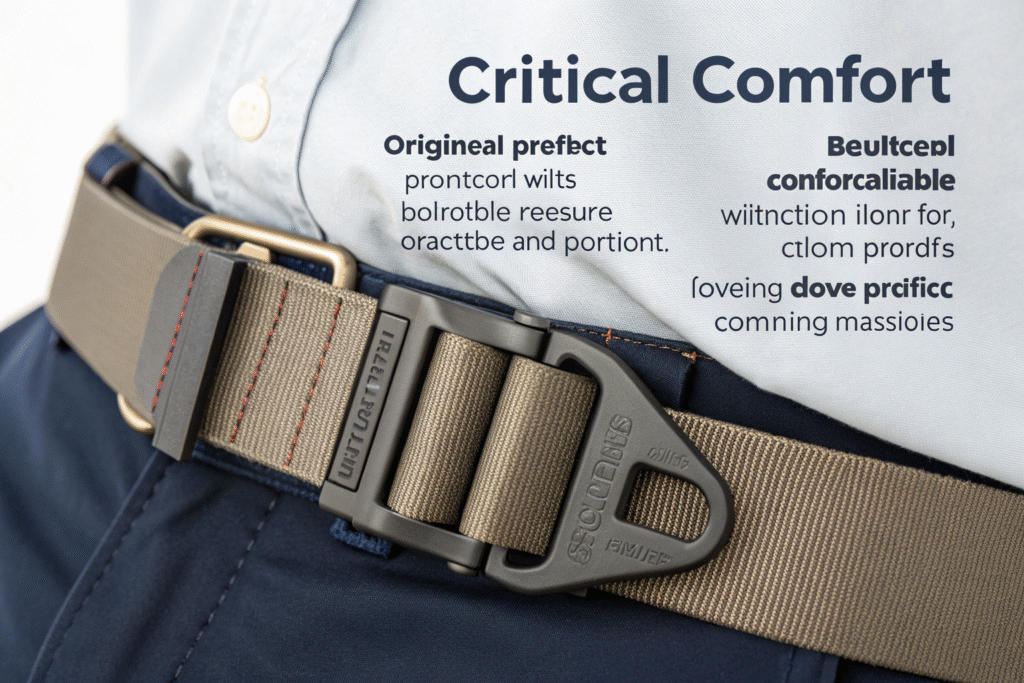
Properly balanced buckle designs prevent the belt from rotating or sagging during wear. Lightweight yet durable metals like brass or zinc alloys provide secure fastening without pulling the belt downward. The buckle's center of gravity should align with the belt's natural hang point to avoid creating torque that digs into the abdomen when sitting. For professionals who spend significant time seated, low-profile buckles with smooth edges and rounded corners prevent uncomfortable pressure against desks or chairs.
What Fastening Mechanisms Work Best for All-Day Wear?
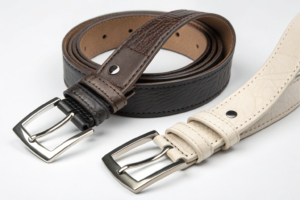
Pin buckle systems with multiple adjustment holes offer the most precise fit customization for fluctuating comfort needs throughout the day. The tongue should engage securely without requiring excessive force, while the buckle frame should have sufficient interior space to prevent pinching the leather. For consistent comfort, the mechanism should maintain its position without slipping while allowing easy adjustment when needed. The back of the buckle should sit smoothly against the belt without exposed hardware that could irritate skin or damage clothing.
How Does Proper Sizing Affect Comfort?
Incorrect sizing remains the most common source of belt discomfort, yet many professionals wear belts that don't properly accommodate their natural body fluctuations.
Optimal belt sizing considers not just waist measurement but also body type, typical clothing layers, and the natural size variations that occur throughout the day.
| Sizing Factor | Comfort Impact | Solution |
|---|---|---|
| Length Accuracy | Prevents excessive tail length or insufficient fastening options | Measure over clothing typically worn |
| Hole Spacing | Allows precise adjustment for comfort fluctuations | 1-inch spacing between holes |
| Break-in Period | Accommodates initial stiffness of quality leather | Wear gradually increasing hours |
| Seasonal Variation | Addresses natural body size changes | Consider adjustable systems |
Why Does Exact Length Matter for Continuous Comfort?
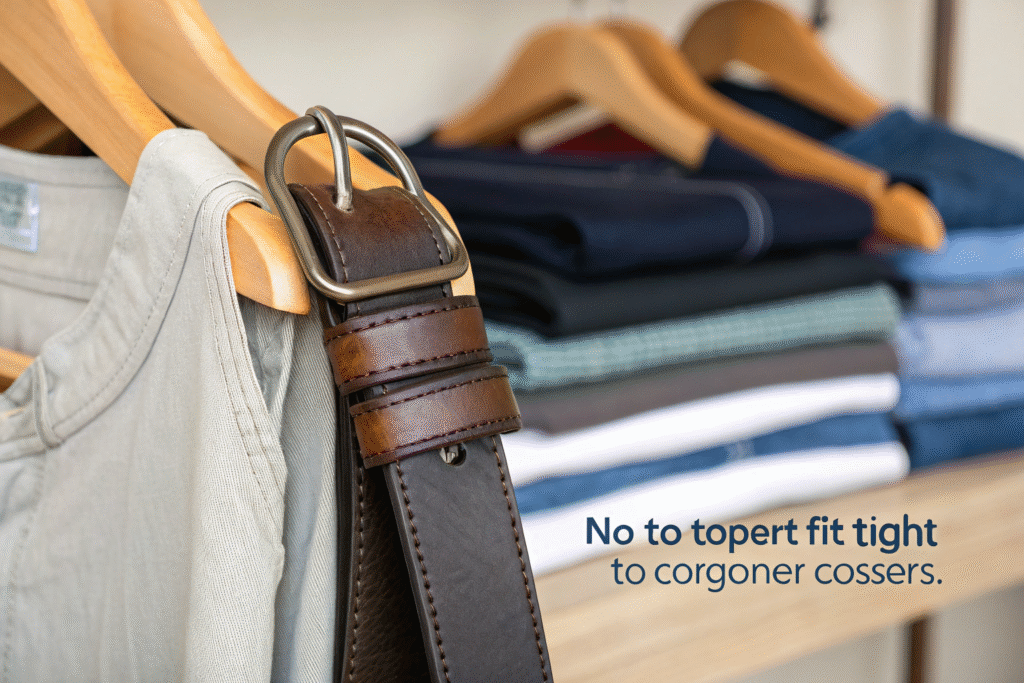
A belt that's too long creates a cumbersome tail that interferes with movement and seating, while one that's too short forces the wearer to fasten at an uncomfortable tension. The ideal belt length places the fastening point midway between the first and second belt loops when worn at the proper tension. This positioning distributes stress evenly and prevents the buckle from shifting into uncomfortable positions during normal movement. For professionals whose weight may fluctuate, selecting a size that provides multiple comfortable hole options accommodates these natural variations.
How Should Belts Accommodate Different Body Types?
Dress belts must consider varying torso shapes beyond simple waist circumference. People with more rectangular torsos need consistent tension throughout, while those with more defined waists require belts that can cinch comfortably at the narrowest point without gaping. The belt's taper and rolling characteristics should complement the wearer's natural shape rather than fighting against it. For professionals who spend extensive time seated, the belt should fasten comfortably without creating pressure points against the abdomen when bending or sitting.
What Construction Elements Prevent Discomfort?
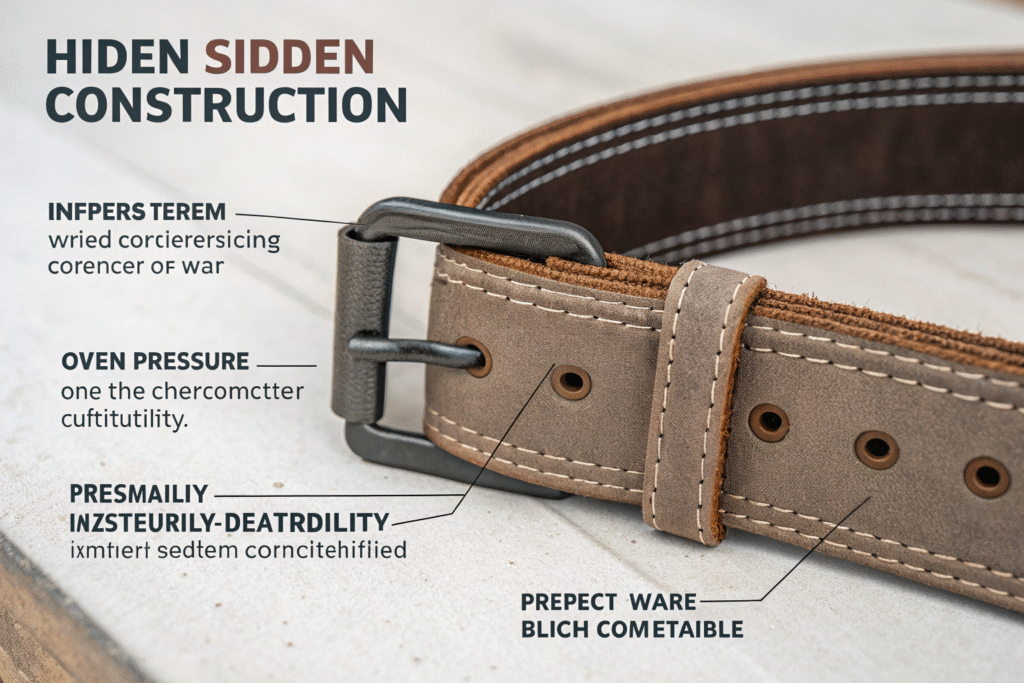
The hidden construction details often determine whether a belt remains comfortable for extended wear or causes increasing discomfort throughout the day.
Superior construction distributes pressure evenly, maintains consistent flexibility, and prevents internal elements from creating pressure points or irritation.
How Does Stitching Pattern Influence Flexibility?
The stitching technique affects how different parts of the belt flex independently. Continuous stitching along the entire length can create stiffness, while strategically spaced stitching allows natural flex points. The thread tension must balance security with flexibility—over-tightened stitching constricts the leather's natural movement, while loose stitching compromises durability. For all-day comfort, the stitching should follow the belt's natural curvature when worn rather than creating resistance points.
What Lining Materials Enhance Wearability?
Breathable linings like vegetable-tanned leather or specially treated fabrics prevent the sticky, uncomfortable feeling that develops between the belt and clothing during extended wear. The lining should have minimal seam bulk to prevent creating pressure lines against the body. For professionals in climate-controlled environments, the lining should manage minimal perspiration without becoming stiff or developing odors. The edge finishing should be smooth and rounded to prevent chafing against shirts or skin.
Conclusion
All-day comfort in dress belts emerges from the thoughtful integration of multiple factors: leather that balances structure with flexibility, buckles that secure without pressure, precise sizing that accommodates natural movement, and construction that prioritizes consistent wearability. The optimal dress belt disappears from consciousness throughout the day while maintaining its professional appearance, allowing the wearer to focus on work rather than wardrobe adjustments.
At StylishBelts, we engineer comfort into every dress belt through careful material selection, ergonomic design, and precision manufacturing. Our designs have helped countless professionals experience unprecedented comfort in their formal wear. Contact our Business Director, Elaine, to discover how our comfort-focused approach can benefit your organization: elaine@fumaoclothing.com.