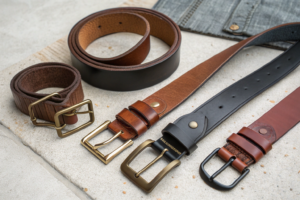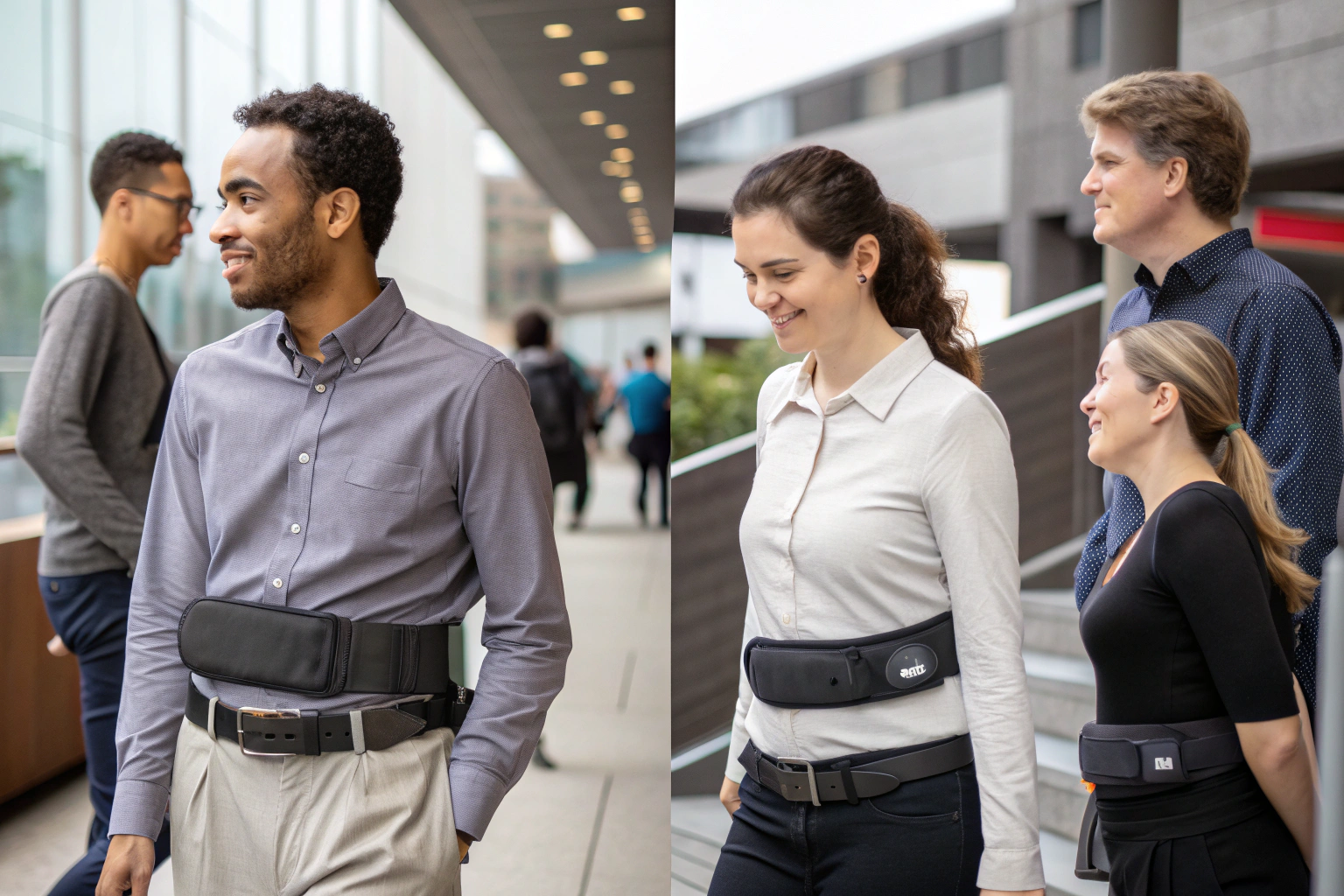
Many people experience discomfort from belt wear throughout the day, with issues ranging from pressure points and restricted movement to skin irritation and temperature buildup. Traditional belt designs often prioritize aesthetics over ergonomics, creating accessories that become increasingly uncomfortable during prolonged use. This discomfort can lead to distraction, frequent adjustment, and ultimately, product abandonment.
Comfort in extended belt wear is determined by pressure distribution, material breathability, flexibility and movement accommodation, temperature regulation, and ergonomic design alignment with natural body contours. These factors work together to create belts that maintain comfort through various activities, positions, and environmental conditions without sacrificing security or appearance.
Understanding the biomechanics and physiological factors behind belt comfort enables manufacturers to create products that people can wear comfortably from morning to night. This analysis explores the key elements that separate comfortable belts from those that cause discomfort during extended wear.
How Does Pressure Distribution Impact Long-Term Comfort?
Traditional belts often create concentrated pressure points that become increasingly uncomfortable over time. The human waist contains several sensitive areas where bones, nerves, and blood vessels sit close to the surface, making even pressure distribution crucial for extended comfort.
Effective pressure distribution spreads the belt's tension across a wider area, preventing localized discomfort and circulation restriction. This approach recognizes that comfort depends not just on overall tightness, but on how force is distributed across the body's unique contours.
Why Do Wider Belts Often Feel More Comfortable?
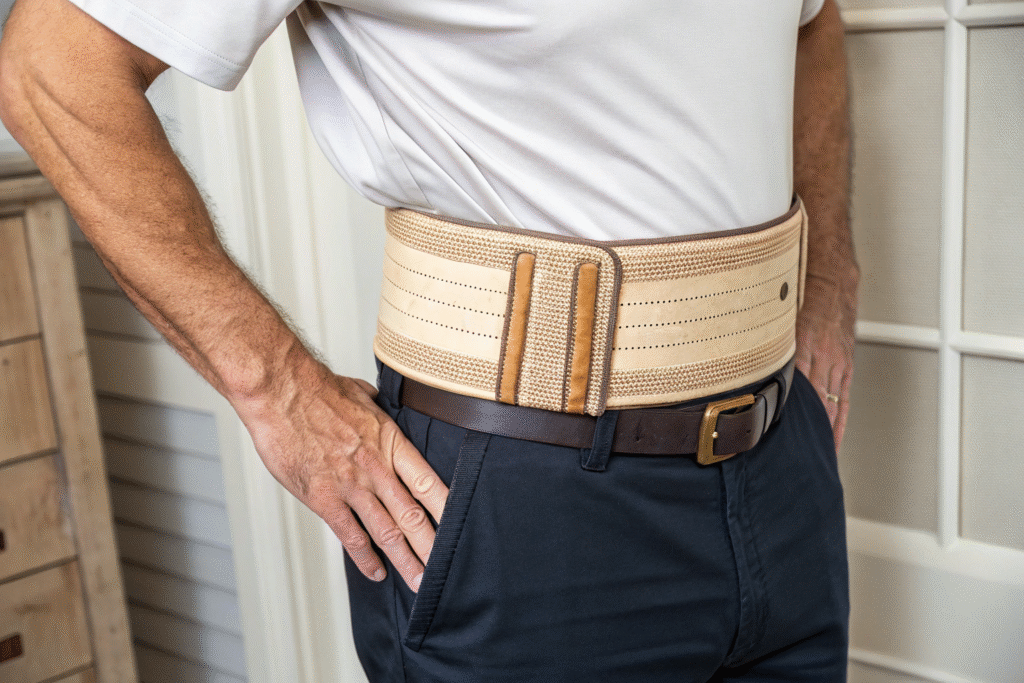
Wider belt designs distribute pressure across a larger surface area, reducing the pounds per square inch (PSI) exerted on any single point. This principle is particularly important for people who sit for extended periods, as sitting increases abdominal pressure and makes concentrated belt pressure more noticeable. The optimal width balances distribution benefits with mobility requirements for different body types and activities.
How Can Strategic Padding Enhance Comfort Without Bulk?
Targeted padding in high-pressure areas like the anterior superior iliac spine (hip bones) and lumbar region can significantly improve comfort without creating excessive bulk. Advanced materials like memory foam or gel inserts conform to body shapes while maintaining the belt's streamlined appearance. The key is positioning padding only where needed rather than applying it uniformly throughout the belt.
What Role Does Material Selection Play in Extended Comfort?
Material properties significantly influence how comfortable a belt remains throughout the day. Beyond aesthetics, materials determine breathability, flexibility, moisture management, and skin interaction—all crucial factors for extended wear.
The ideal belt materials balance structural integrity with comfort characteristics, adapting to body movements while maintaining their shape and appearance. Different materials suit different needs and environments.
Why Does Breathability Matter for All-Day Comfort?
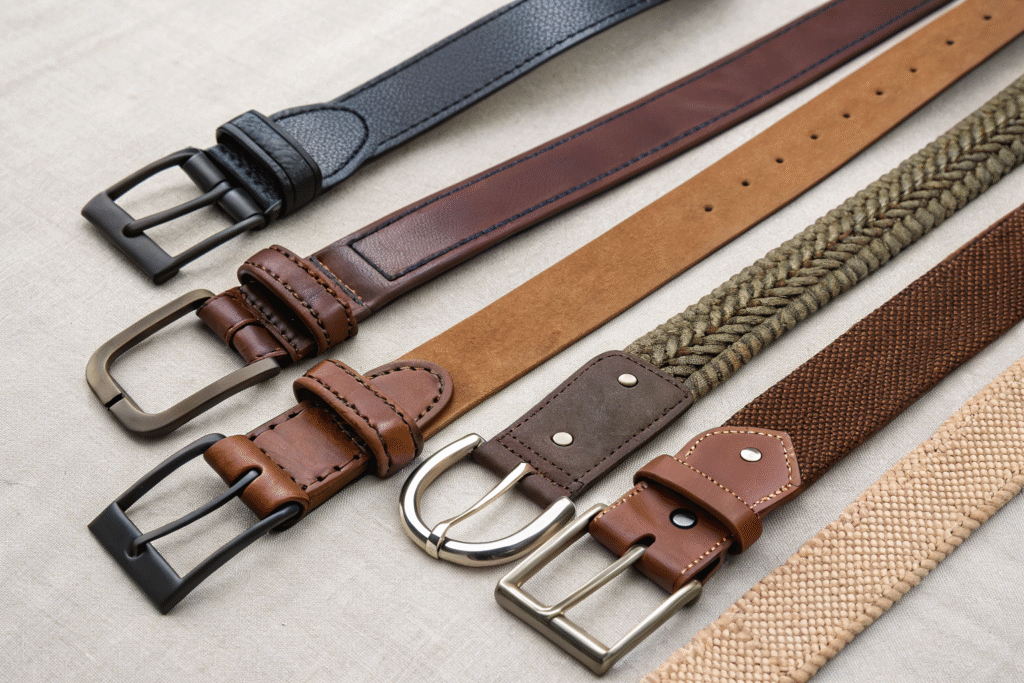
Breathable materials prevent heat and moisture buildup that can lead to discomfort, skin irritation, and bacterial growth. Natural fibers like leather offer inherent breathability, while advanced synthetics incorporate moisture-wicking properties and ventilation zones. The most comfortable belts maintain a stable microclimate between the belt and skin regardless of activity level or environmental conditions.
How Does Material Flexibility Accommodate Natural Movement?
Flexible materials that move with the body rather than against it prevent the restrictive feeling that makes many belts uncomfortable during daily activities. Four-way stretch materials, supple leathers, and strategic elastic inserts allow natural bending, twisting, and sitting motions without creating pressure points or requiring constant adjustment. This flexibility is particularly important for active individuals or those with fluctuating waist sizes.
What Design Elements Support Continuous Comfort?
Thoughtful design considerations can dramatically improve extended wear comfort by addressing common pain points in traditional belt construction. These elements work together to create belts that feel increasingly comfortable rather than increasingly irritating throughout the day.
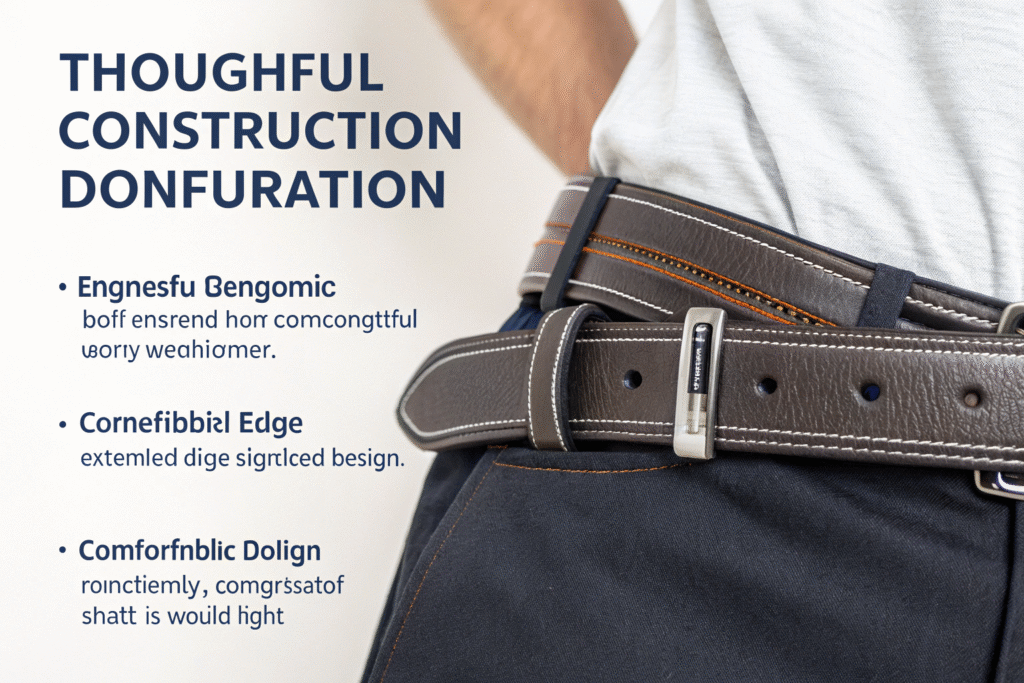
Ergonomic shaping, edge treatment, and buckle design collectively determine whether a belt disappears from consciousness during wear or constantly reminds the user of its presence through discomfort.
How Does Ergonomic Contouring Improve Fit?
Belts with curved designs that follow natural body shapes maintain consistent contact without digging or gaping. This contouring is particularly important in the back area where traditional straight belts often create pressure points at the spine while leaving gaps at the sides. Properly contoured belts distribute pressure evenly while accommodating the body's natural curves in both standing and seated positions.
Why Do Rounded edges Prevent Discomfort?
Carefully finished edges prevent chafing and irritation that become increasingly problematic throughout the day. Burnished, rolled, or padded edges eliminate the sharp contact points that can rub against clothing or skin during movement. This attention to edge detail is especially valuable for people with sensitive skin or those who wear their belts directly against bare skin.
How Do Adjustment Systems Influence Ongoing Comfort?
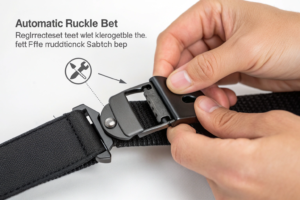
The ability to make micro-adjustments throughout the day significantly impacts extended wear comfort. Traditional hole-based systems offer limited positioning that may not align with the body's natural size fluctuations.
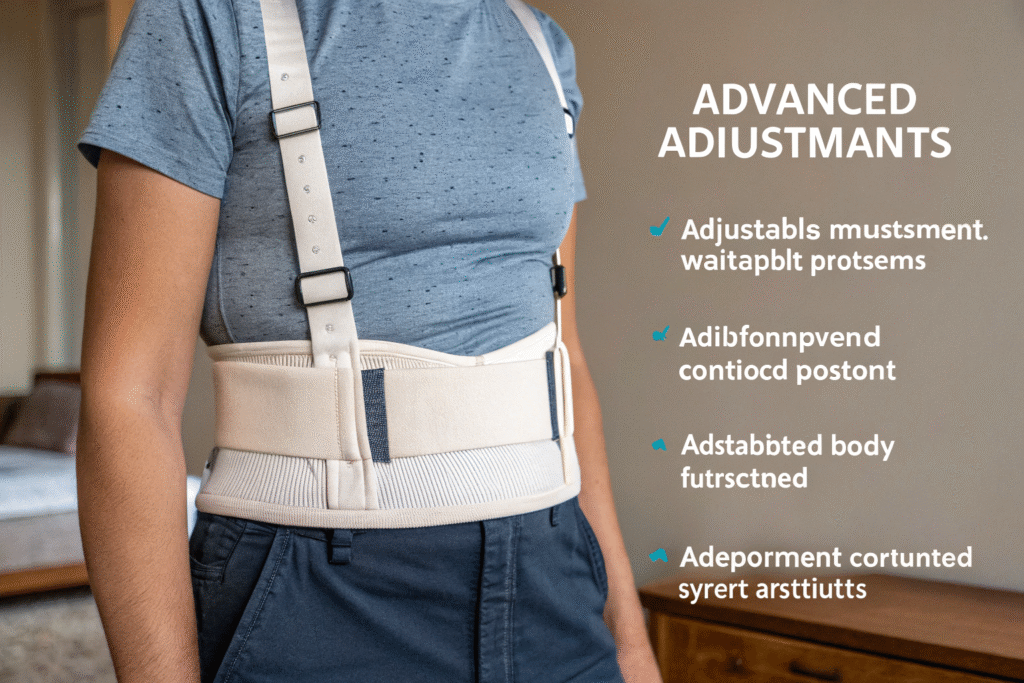
Advanced adjustment mechanisms accommodate the normal changes in waist size that occur due to digestion, posture changes, bloating, and other factors. These systems recognize that comfort requires adaptability, not just initial proper fit.
Why Do Micro-Adjustment Capabilities Enhance Comfort?
Systems allowing small, precise adjustments enable users to fine-tune fit as their body changes throughout the day. This capability prevents the too-tight/too-loose cycle that plagues traditional belt wearers. Whether through sliding mechanisms, fine-toothed racks, or continuous friction systems, micro-adjustment delivers consistent comfort despite normal physiological fluctuations.
How Does Stretch Integration Accommodate Movement?
Strategic elastic sections or inherent material stretch allow belts to maintain consistent light pressure during movement and position changes. This elasticity is particularly beneficial for people who transition frequently between sitting and standing, as it accommodates the significant size changes that occur with posture shifts without requiring manual adjustment.
| Comfort Factor | Design Solution | Impact on Extended Wear |
|---|---|---|
| Pressure Distribution | Wider profile, strategic padding | Prevents localized discomfort points |
| Breathability | Natural materials, ventilation zones | Reduces heat and moisture buildup |
| Flexibility | Four-way stretch, supple materials | Allows natural movement without restriction |
| Adjustability | Micro-adjustment systems, elastic elements | Accommodates body changes throughout day |
Conclusion
Comfort in extended belt wear results from addressing multiple physiological and biomechanical factors through thoughtful design, material selection, and construction techniques. By focusing on pressure distribution, breathability, flexibility, and ergonomic shaping, manufacturers can create belts that remain comfortable through various activities and throughout the day. The most successful designs recognize that comfort is dynamic, requiring products that adapt to the body's natural changes rather than forcing the body to conform to rigid accessories.
Ready to develop belts that deliver exceptional comfort for extended wear? At StylishBelts, we engineer comfort-focused designs that balance ergonomic principles with aesthetic appeal. Contact our Business Director Elaine today at elaine@fumaoclothing.com to discuss how our comfort-optimized designs can enhance your product offerings.