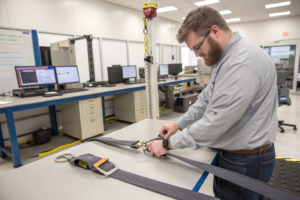
In the competitive landscape of fashion accessories, high-volume belt production presents unique pricing challenges that differ dramatically from small-batch manufacturing. While many brands focus on material costs alone, true pricing determinants span multiple factors that collectively impact per-unit costs at scale. What elements truly drive pricing when producing belts by the tens or hundreds of thousands?
Pricing in high-volume belt production is determined by material utilization efficiency, labor optimization, tooling amortization, supply chain scale advantages, and operational overhead distribution. Successful high-volume manufacturers typically achieve 30-50% lower per-unit costs compared to small-batch production through strategic material nesting, automated processes, bulk material purchasing, and specialized equipment that reduces manual labor requirements. The most competitive operations maintain 12-18% profit margins while delivering quality that meets brand specifications.
Understanding high-volume pricing requires looking beyond surface costs to the operational efficiencies that become possible at scale. Let's examine the material optimization, labor economics, equipment utilization, and supply chain factors that collectively determine final pricing.
How Does Material Optimization Impact High-Volume Pricing?
Material costs typically represent 45-60% of total production costs in belt manufacturing, but high-volume operations transform this equation through sophisticated optimization strategies.
Material optimization includes cutting efficiency improvements, waste reduction systems, bulk purchasing advantages, and alternative material sourcing. Each approach contributes significantly to per-unit cost reduction at scale.
What Role Does Cutting Efficiency Play in Cost Reduction?
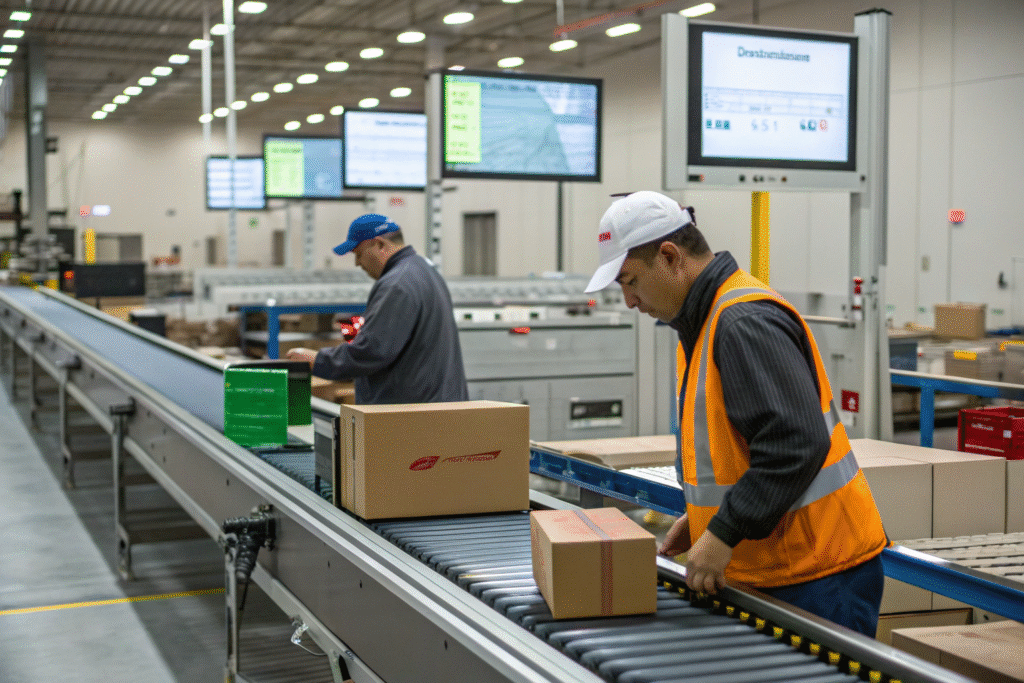
Cutting efficiency plays a crucial role in cost reduction by maximizing material utilization through computerized nesting algorithms that can increase leather yield from 65% to 85+% compared to manual cutting. High-volume manufacturers use CAD/CAM systems that automatically arrange belt patterns to minimize waste, significantly reducing material costs. This efficiency becomes increasingly valuable as material prices rise, with the best operations achieving near-90% utilization for standard belt designs. The American Apparel & Footwear Association provides industry benchmarks for material utilization rates across different production volumes.
How Do Bulk Purchasing Agreements Lower Material Costs?
Bulk purchasing agreements lower material costs by 15-30% through volume discounts, reduced shipping costs per unit, and improved payment terms that enhance cash flow. Manufacturers producing 50,000+ belts monthly can negotiate directly with tanneries and component suppliers, bypassing distributors and achieving near-wholesale pricing. The most advantageous agreements include consignment inventory arrangements where suppliers maintain material stocks at the manufacturing facility, reducing inventory carrying costs. Supply chain research from McKinsey documents how bulk purchasing transforms cost structures at scale.
What Labor Economics Apply to Volume Production?
Labor costs follow different economic rules in high-volume production, where specialization, automation, and process optimization dramatically reduce per-unit labor requirements.
Labor economics include task specialization benefits, automation implementation, training efficiency, and quality control systems. Each factor contributes to maintaining quality while reducing labor costs per unit.
How Does Specialization Reduce Labor Costs in High-Volume Operations?
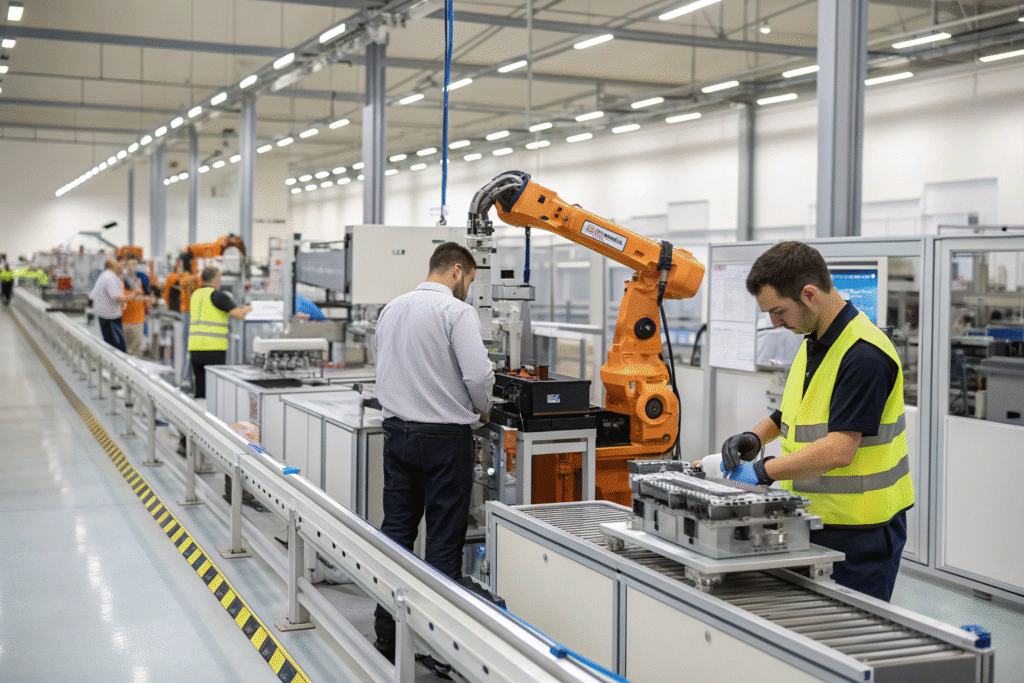
Specialization reduces labor costs by enabling workers to master specific tasks, increasing speed and quality while reducing training time and errors. In high-volume belt production, workers typically focus on single operations—cutting, skiving, stitching, buckle attachment, finishing—allowing them to develop expertise that triples output compared to generalist approaches. This specialization typically reduces per-unit labor time by 40-60% while improving consistency. Manufacturing efficiency studies from the Association for Manufacturing Excellence document how specialization impacts productivity in fashion accessories.
What Level of Automation is Cost-Effective for Belt Production?
Cost-effective automation for belt production includes computerized cutting machines, automated skiving equipment, programmable stitching machines, and robotic finishing systems that can reduce direct labor requirements by 50-70%. The most advanced facilities use integrated systems where belts move automatically between stations with minimal manual handling. While automation requires significant capital investment, the per-unit cost savings become substantial at volumes exceeding 100,000 units annually, with typical payback periods of 18-30 months. Automation ROI data from The Boston Consulting Group guides investment decisions for fashion manufacturing.
How Does Tooling and Equipment Amortization Affect Pricing?
The significant equipment investments required for high-volume production spread across thousands of units, creating pricing advantages that smaller operations cannot match.
Tooling and equipment considerations include machinery amortization, custom tooling costs, maintenance expenses, and technology upgrades. Each element contributes to the fixed cost portion of per-unit pricing.
How Are Machinery Costs Amortized in High-Volume Pricing?
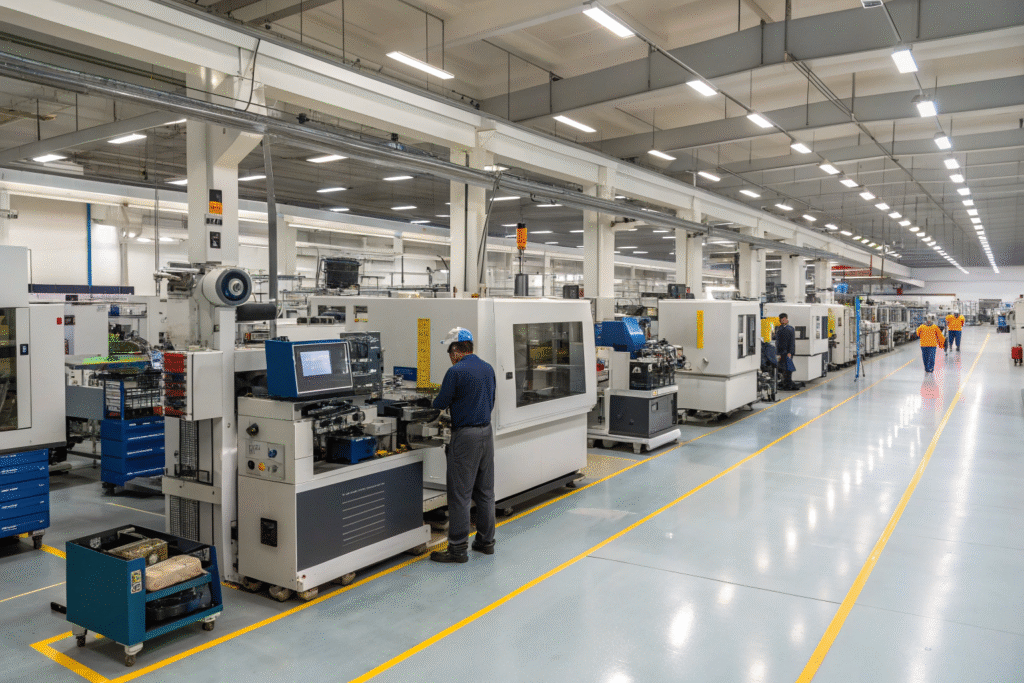
Machinery costs are amortized by dividing equipment investment across total production volume, typically over 3-5 year depreciation schedules. A $500,000 automated cutting system might add $0.50 per belt at 100,000 units annually but only $0.17 per belt at 300,000 units—demonstrating how volume dramatically reduces per-unit equipment costs. The most sophisticated manufacturers use activity-based costing that accurately allocates equipment costs to specific products based on actual machine usage time. Accounting standards from IFRS provide frameworks for equipment cost amortization in manufacturing.
What Custom Tooling Investments Deliver the Best ROI?
Custom tooling investments delivering the best ROI include precision cutting dies, specialized buckle attachment fixtures, automated edge-painting systems, and custom packaging equipment that reduce labor while improving consistency. These investments typically pay back within 12-18 months at production volumes exceeding 50,000 units annually through labor reduction, material savings, and quality improvement. The most valuable tooling addresses production bottlenecks where manual processes limit overall output. Manufacturing engineering principles from SME guide tooling investment prioritization.
What Supply Chain Efficiencies Reduce Costs at Scale?
High-volume production enables supply chain optimizations that smaller operations cannot achieve, creating significant cost advantages through logistics, inventory management, and supplier relationships.
Supply chain efficiencies include consolidated shipping, reduced lead times, improved cash flow cycles, and strategic inventory management. Each element contributes to overall cost reduction.

How Does Container-Level Shipping Impact Overall Costs?
Container-level shipping impacts overall costs by reducing per-unit shipping expenses by 60-80% compared to air freight or less-than-container ocean shipments. High-volume manufacturers typically ship 10,000-20,000 belts per container, achieving shipping costs of $0.50-1.00 per belt compared to $3-8 for small-batch shipping methods. This advantage becomes increasingly significant as fuel costs and shipping rates fluctuate, providing pricing stability that smaller competitors cannot match. Logistics data from Drewry Maritime Research documents container shipping economics for fashion goods.
What Inventory Management Strategies Reduce Carrying Costs?
Inventory management strategies that reduce carrying costs include just-in-time delivery of components, consignment inventory arrangements with suppliers, and demand forecasting that minimizes finished goods inventory. High-volume operations typically maintain 15-25 days of inventory compared to 60-90 days for smaller manufacturers, reducing capital tie-up and storage costs. The most advanced systems use vendor-managed inventory where suppliers monitor stock levels and automatically replenish materials. Supply chain management frameworks from APICS provide inventory optimization methodologies for manufacturing.
How Do Quality Control Systems Impact Pricing Efficiency?
Maintaining quality at high volumes requires sophisticated systems that prevent defects rather than detecting them post-production, creating significant cost advantages through reduced waste and returns.
Quality control approaches include statistical process control, automated inspection systems, supplier quality management, and preventive maintenance protocols. Each element contributes to cost control through quality assurance.
How Does Statistical Process Control Reduce Costs?
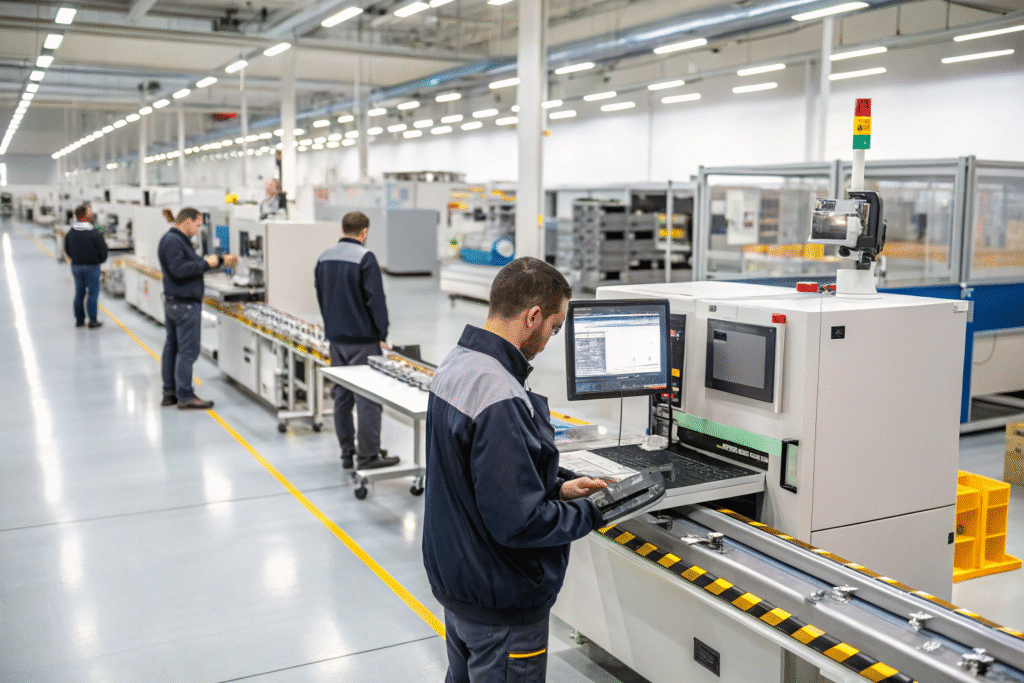
Statistical process control reduces costs by identifying production variations before they create defects, typically reducing rework and scrap by 60-80% compared to traditional inspection methods. By monitoring key process parameters in real-time, manufacturers can make adjustments before quality deviations occur, maintaining consistency across large production runs. This approach is particularly valuable for high-volume operations where a single process deviation can affect thousands of units. Quality management standards from ASQ provide SPC implementation frameworks for manufacturing.
What Role Does Supplier Quality Management Play in Cost Control?
Supplier quality management plays a crucial role in cost control by ensuring incoming materials meet specifications, reducing inspection requirements and production delays. High-volume manufacturers typically implement supplier certification programs that include regular audits, performance metrics, and collaborative improvement initiatives. These programs reduce material rejection rates from 5-8% to 1-2%, creating significant cost savings while improving production flow. Supply chain quality research from Gartner documents how supplier management impacts overall manufacturing costs.
Conclusion
Pricing in high-volume belt production is determined by a complex interplay of material optimization, labor efficiency, equipment utilization, supply chain management, and quality control systems. The most competitive manufacturers excel across all these dimensions, creating pricing structures that smaller operations cannot match while maintaining quality standards that satisfy brand requirements.
The scale advantages in high-volume production create significant barriers to entry while rewarding manufacturers who master operational excellence. If you're sourcing high-volume belt production and need partners who understand these complex pricing dynamics, our manufacturing expertise includes specialized high-volume operations optimized for cost efficiency and quality consistency. Contact our Business Director, Elaine, to discuss how we can deliver competitive pricing for your high-volume belt requirements. Reach out to Elaine at elaine@fumaoclothing.com. Let's build production strategies that leverage scale for optimal pricing.