The Western belt market represents a unique segment where tradition meets contemporary fashion, creating complex dynamics that directly impact profitability. Brands and retailers often struggle with balancing authentic Western aesthetics with cost-effective production, frequently encountering unexpected margin erosion from material choices, production complexities, and market positioning challenges.
Profit margins for Western belt collections are determined by material authenticity costs, decorative element complexity, production scalability, brand positioning strategy, and supply chain efficiency. Premium margins require balancing genuine leather quality, intricate tooling labor costs, strategic pricing tiers, and optimized manufacturing processes that maintain Western authenticity while controlling production expenses.
Understanding the specific factors that influence Western belt profitability requires examining both the visible product elements and the underlying business decisions that separate successful collections from marginal performers. The distinctive characteristics of Western design create both premium pricing opportunities and unique cost challenges.
How Do Material Choices Impact Cost Structure?
Material selection represents the most significant cost component in Western belt production, with authenticity requirements often demanding premium materials that substantially impact overall profitability. The Western aesthetic traditionally relies on specific leather types and qualities that command higher prices but also enable premium positioning.
The balance between material cost and perceived value is particularly crucial in this category, where consumers have sophisticated expectations about leather quality and authenticity. Strategic material selection can dramatically influence both production costs and market positioning.
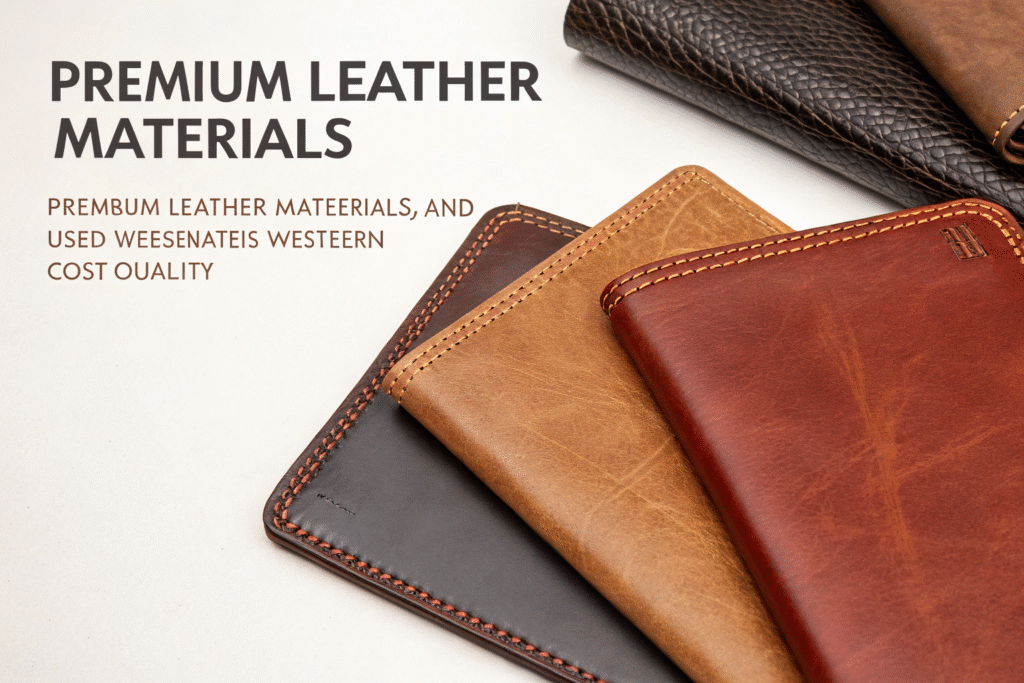
What leather grades deliver optimal value balance?
Full-grain leather provides the authentic appearance and durability Western consumers expect but increases material costs by 40-60% compared to genuine leather alternatives. Top-grain leather offers a middle ground with good durability and moderate pricing, while still maintaining the authentic look essential for Western styling. The most profitable collections often combine full-grain leather in visible areas with more cost-effective materials in less prominent sections, optimizing both aesthetics and cost efficiency.
How do exotic materials affect margin calculations?
Exotic materials like ostrich, alligator, or snakeskin can dramatically increase both material costs and retail pricing potential. While these materials typically represent less than 15% of unit volume, they can generate 30-40% of total collection profits due to their premium pricing. However, they require specialized manufacturing expertise, longer production lead times, and careful inventory management to avoid costly waste from pattern matching and cutting inefficiencies.
What Role Does Decorative Complexity Play in Pricing?
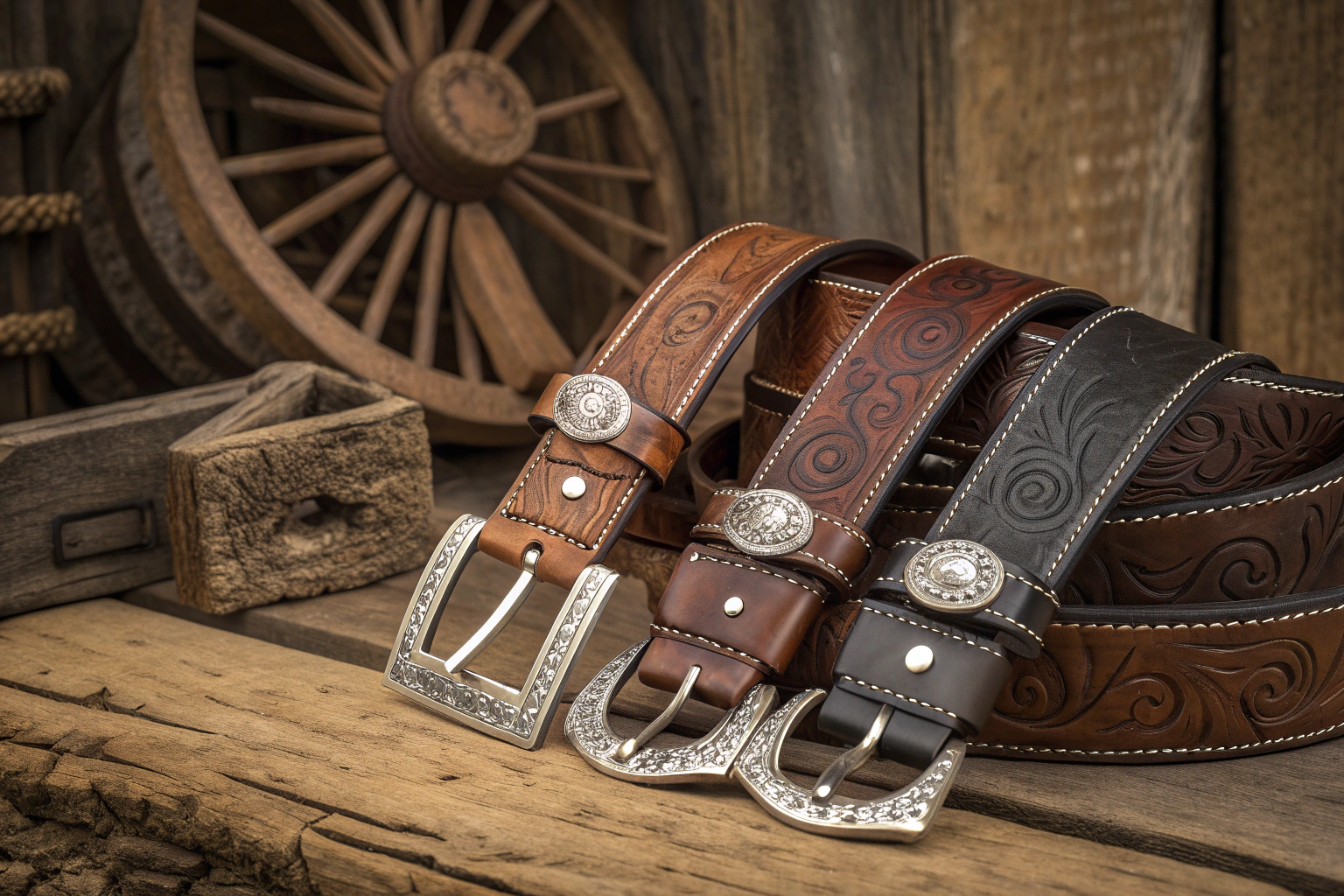
Western belts derive significant value from their decorative elements, with tooling, stitching, and hardware contributing substantially to both production costs and consumer perceived value. The complexity of these decorative features directly influences manufacturing time, skill requirements, and ultimately, profit margins.
The most successful Western collections strategically balance decorative complexity across price points, ensuring that entry-level products maintain Western authenticity while premium pieces justify their pricing through exceptional craftsmanship and detail.
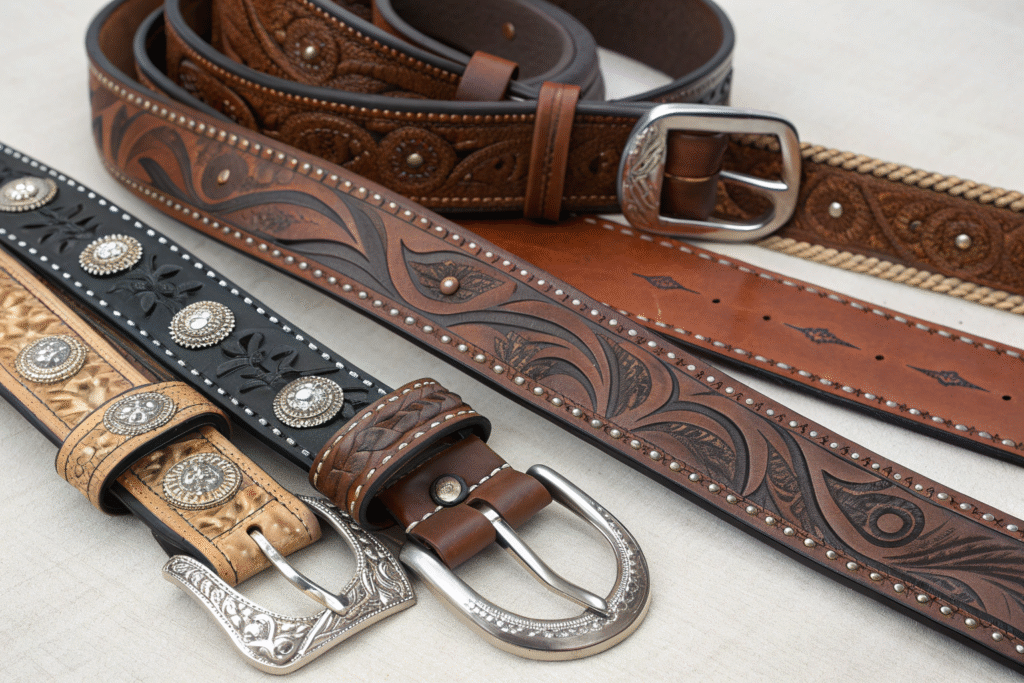
How does tooling complexity impact production costs?
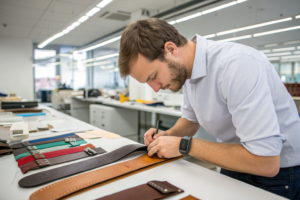
Hand-tooled Western belts require skilled artisans and significantly longer production times, increasing labor costs by 200-300% compared to stamped or embossed alternatives. Traditional tooling techniques like floral patterns, basket weaves, and Western scenes can require 2-8 hours of skilled labor per belt, making them suitable only for premium price points. Automated laser etching technology now provides a cost-effective alternative for medium-priced collections, reproducing complex patterns with 80% less labor while maintaining visual appeal.
What determines buckle and hardware pricing?
Western belt buckle materials and construction dramatically impact costs, with solid brass buckles costing 5-7 times more than zinc alloy equivalents. Decorative elements like engraved designs, silver inlays, or stone settings further increase costs but also enable substantial price premiums. The most profitable collections typically offer a range of buckle options across price tiers, with entry-level products featuring simpler designs while premium offerings incorporate intricate details that justify higher margins.
How Does Production Approach Affect Margin Potential?
The manufacturing methodology employed for Western belt collections significantly influences both cost structure and quality consistency, with important implications for overall profitability. Production scale, technique selection, and quality control processes collectively determine the efficiency of converting raw materials into finished products.
Strategic decisions about production location, technology investment, and process optimization separate high-margin Western collections from those struggling with cost overruns and quality inconsistencies.
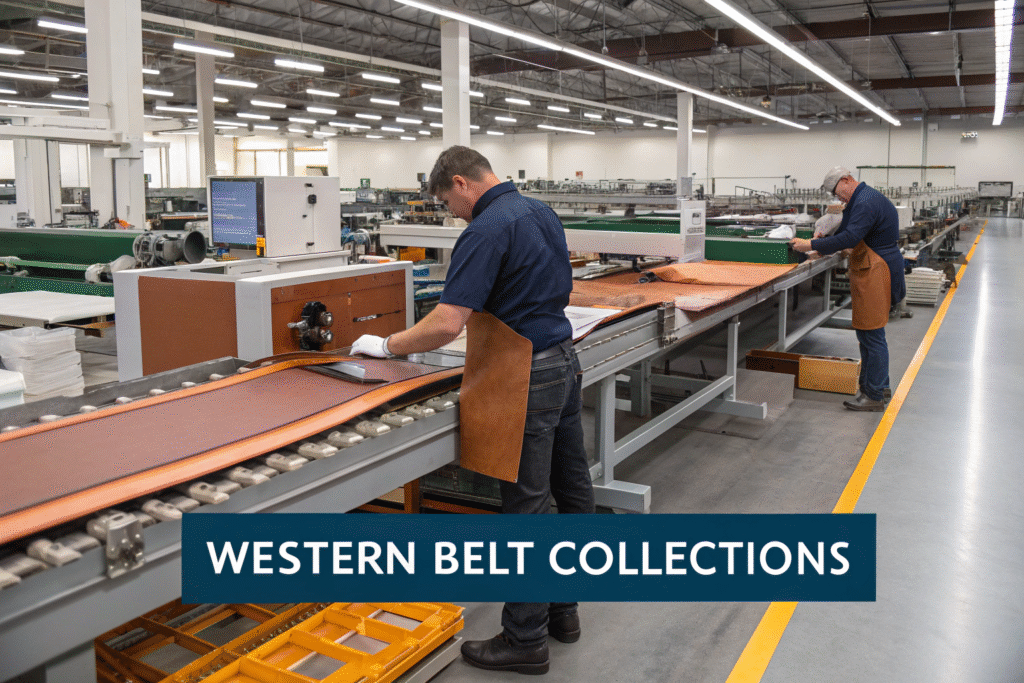
What manufacturing methods optimize cost efficiency?
Combining computer-aided cutting systems for consistent leather utilization with skilled hand-finishing for decorative elements creates an optimal balance of efficiency and quality. This hybrid approach reduces material waste by 15-25% compared to fully manual production while maintaining the artisanal details that justify Western belt premiums. Progressive manufacturers implement modular production lines that can efficiently handle both small custom batches and larger standardized runs, maximizing flexibility without sacrificing cost control.
How important is production scale for margin improvement?
Western belt production demonstrates significant economies of scale up to approximately 5,000 units per design, with per-unit costs decreasing by 30-40% as volumes increase from prototype to full production. However, beyond this point, additional volume benefits diminish unless accompanied by substantial automation investments. The most profitable collections typically focus on 3-5 core designs that account for 60-70% of production volume, supplemented by seasonal and limited-edition pieces that maintain brand excitement without requiring massive scale.
What Marketing and Distribution Strategies Maximize Margins?
The route to market and brand positioning significantly influence the achievable margins for Western belt collections, with direct-to-consumer channels and strategic wholesale partnerships creating substantially different financial outcomes. Marketing effectiveness and distribution efficiency directly impact both revenue and operational costs.
Successful Western brands implement sophisticated channel strategies that balance margin objectives with market reach, ensuring that their products reach target consumers through the most profitable pathways.

Which distribution channels deliver optimal margins?
Direct-to-consumer e-commerce typically delivers the highest margins at 60-75%, bypassing wholesale markups but requiring significant marketing investment. Premium Western boutiques and specialty stores offer 45-55% margins with lower customer acquisition costs. Large retail chains provide volume potential but typically demand 30-40% margins while requiring substantial concessions for marketing and positioning. The most profitable collections typically maintain a balanced channel mix that optimizes overall margin performance while managing risk.
How does brand positioning impact pricing power?
Established Western brands with authentic heritage stories and consistent quality can command 20-30% price premiums over comparable generic products. Effective positioning that emphasizes craftsmanship, material authenticity, and Western lifestyle alignment creates significant consumer value beyond functional utility. Limited edition collaborations with Western artists or celebrities can further enhance pricing power, with specially branded collections often achieving 40-50% higher margins than standard offerings through exclusive positioning and reduced price sensitivity.
Conclusion
Profit margins for Western belt collections are determined by a complex interplay of material authenticity, decorative complexity, production efficiency, and strategic market positioning. Successful collections balance these factors to deliver authentic Western aesthetics while maintaining competitive cost structures that support sustainable profitability across multiple price segments and distribution channels.
If your brand is developing a Western belt collection and needs manufacturing expertise that balances authentic craftsmanship with cost efficiency, our factory specializes in Western belt production across multiple price points. Contact our Business Director, Elaine, at elaine@fumaoclothing.com to discuss how we can help optimize your margin structure while maintaining the quality and authenticity your customers expect.