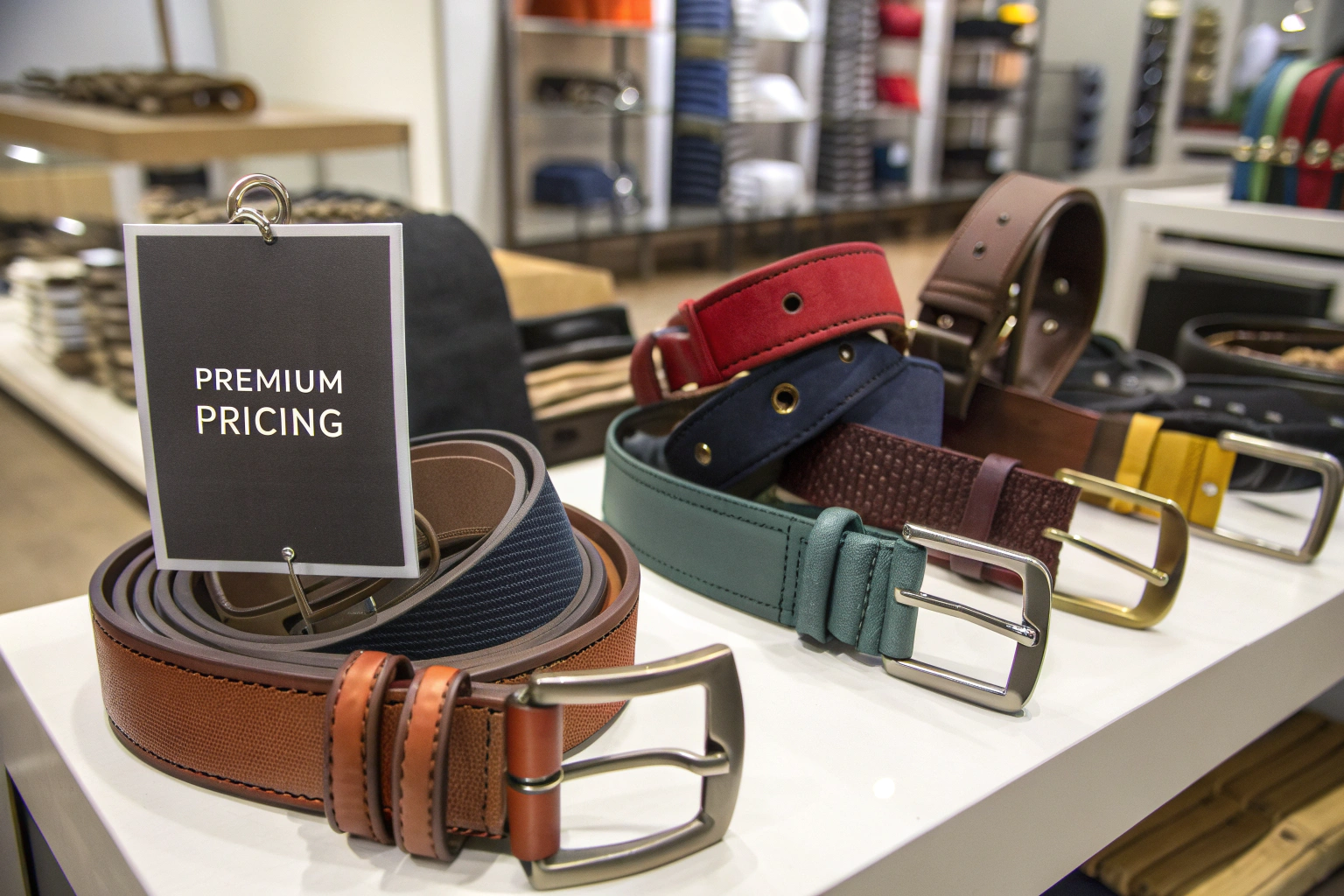
Reversible belts promise double the utility from a single product. Yet many fashion brands and retailers struggle to achieve consistent profitability with these lines. The initial appeal seems straightforward - two belts in one - but the manufacturing complexities and market dynamics create unique financial challenges that can erode profit margins if not properly managed.
Profitability in reversible belt lines is determined by strategic material selection, efficient manufacturing processes, effective inventory management, and targeted market positioning. Unlike standard belts, reversible designs require specialized construction techniques, premium material pairings, and sophisticated quality control - all of which must be balanced against price sensitivity in a competitive market. Successful reversible belt programs leverage these factors to create perceived value that justifies premium pricing while maintaining controllable production costs.
Understanding these profitability drivers is essential for brands looking to capitalize on the growing demand for versatile, value-oriented accessories. Let's examine the specific factors that separate profitable reversible belt programs from those that struggle financially.
How Does Material Selection Impact Cost and Value?
Your material choices directly determine both production costs and customer perceived value. Reversible belts require careful pairing of materials that complement each other functionally and aesthetically while remaining cost-effective.

What Material Combinations Deliver Optimal Value?
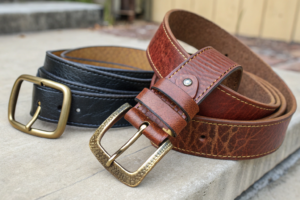
The most profitable reversible belts balance durability with aesthetic appeal across both sides. Genuine leather remains the gold standard for premium reversible belts, with cowhide-cowhide combinations commanding the highest retail prices. However, innovative pairings like genuine leather with high-quality faux leather can reduce material costs by 30-40% while maintaining premium perception. The key is ensuring both sides demonstrate comparable quality and durability - customers expect consistent performance regardless of which side they're wearing.
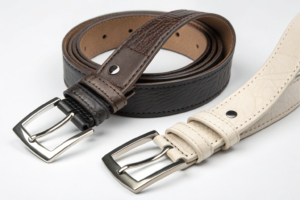
Successful brands often use weight-matched materials to prevent curling or warping. For example, pairing a 1.2mm full-grain leather with a 1.2mm calfskin creates structural integrity while offering contrasting textures. The most cost-effective combinations utilize the same material type in different colors or finishes, simplifying manufacturing while still delivering the reversible benefit that justifies price premiums of 25-50% over single-face belts.
How Can Smart Material Sourcing Reduce Costs?
Strategic sourcing relationships with tanneries and material suppliers can significantly impact your bottom line. Establishing direct relationships with certified leather suppliers rather than working through intermediaries typically reduces material costs by 15-25%. Bulk purchasing of neutral base materials like black and brown leathers allows for economies of scale, while specialty colors can be sourced in smaller quantities based on demand forecasts.
Many profitable manufacturers implement a hybrid sourcing strategy: stocking standard leathers in inventory while utilizing made-to-order sourcing for seasonal colors. This approach minimizes inventory carrying costs while maintaining flexibility. Additionally, working with suppliers who offer remnant programs for smaller pieces can reduce material waste by 8-12%, particularly important for reversible belts that require precision cutting of two perfect sides.
What Manufacturing Efficiencies Drive Profitability?
Production efficiency separates profitable reversible belt programs from marginal ones. The specialized construction requires different equipment, worker training, and quality control processes than standard belt manufacturing.

Which Production Methods Maximize Output Quality?
The manufacturing process for reversible belts demands precision at every stage, particularly in edge finishing and buckle attachment systems. Automated computer-aided manufacturing systems for cutting ensure perfect alignment between the two material layers, reducing waste and ensuring consistent quality. The most efficient factories utilize specialized edge-painting machines that apply consistent finishes to the belt edges, a critical visual element that customers scrutinize closely.
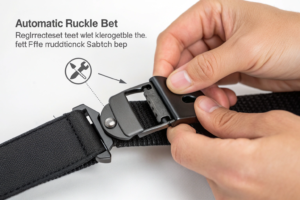
The buckle attachment system represents another crucial efficiency point. Profitable manufacturers use standardized reversible buckle mechanisms across multiple product lines, reducing tooling costs and simplifying inventory. Training workers specifically in reversible belt assembly creates specialization that improves both speed and quality - experienced reversible belt assemblers typically achieve 25% higher output with 15% fewer defects compared to general belt workers.
How Does Quality Control Affect Your Bottom Line?
Implementing rigorous quality control specifically designed for reversible belts prevents costly returns and protects brand reputation. The most profitable programs employ statistical process control methods at critical manufacturing stages, particularly during material bonding (if applicable) and edge finishing. Every reversible belt should be inspected on both sides for color consistency, surface defects, and functionality of the reversing mechanism.
| Quality Checkpoint | Impact on Profitability |
|---|---|
| Material Alignment | Prevents customer returns (saves 8-12% of revenue) |
| Buckle Mechanism Function | Reduces warranty claims (saves 3-5% of revenue) |
| Edge Finishing Consistency | Maintains premium positioning and price integrity |
| Color Fastness Testing | Prevents post-purchase issues and brand damage |
Establishing clear quality standards with your manufacturing partner ensures that defects are caught before shipping, avoiding the substantial costs associated with international returns. The most successful brands conduct regular factory audits and implement joint quality standards with their suppliers.
How Can Inventory Strategy Boost Margins?
Smart inventory management is particularly crucial for reversible belts due to their dual-sided nature and typically broader color offerings. Poor inventory decisions can quickly erode profitability through markdowns and dead stock.

What Inventory Approach Minimizes Risk?
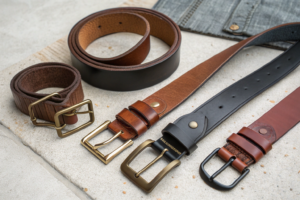
The most profitable reversible belt programs employ a core-and-seasonal inventory strategy. Maintaining consistent stock of core inventory in perennial color combinations (black/brown, brown/black, black/charcoal) ensures steady revenue streams, while limiting seasonal colors to smaller, pre-sold quantities reduces clearance risk. This approach typically maintains 60-70% of inventory in core styles and 30-40% in seasonal variations, optimizing inventory turnover while maintaining freshness.
Many successful brands implement a pre-order model for new reversible belt designs, particularly for fashion-forward color combinations. This strategy validates demand before committing to production, significantly reducing inventory risk. Additionally, manufacturing reversible belts with a "color block" system - using the same base materials across multiple style variations - allows for more flexible inventory management and last-minute color adjustments based on selling patterns.
How Does Packaging Influence Perceived Value?
Strategic packaging enhances perceived value, allowing for higher price points without significantly increasing costs. Reversible belts benefit from packaging that showcases both sides, with sustainable packaging materials increasingly influencing purchasing decisions among environmentally conscious consumers. The most effective packaging solutions allow customers to easily examine the reversible feature while providing clear usage instructions.
Premium brands often include dual-purpose packaging that transitions to storage solutions, extending the product's value proposition. This might include specially designed boxes that organize the belt with both sides visible or travel-friendly cases that protect both surfaces. These packaging enhancements typically cost $0.50-$1.50 more per unit but can support retail price increases of $5-$15, delivering exceptional return on investment while reducing return rates through clearer product communication.
What Marketing Strategies Drive Reversible Belt Success?
Effective marketing and positioning are essential for realizing the full profit potential of reversible belts. The unique value proposition must be clearly communicated to justify premium pricing.
How Can You Communicate the Value Proposition?
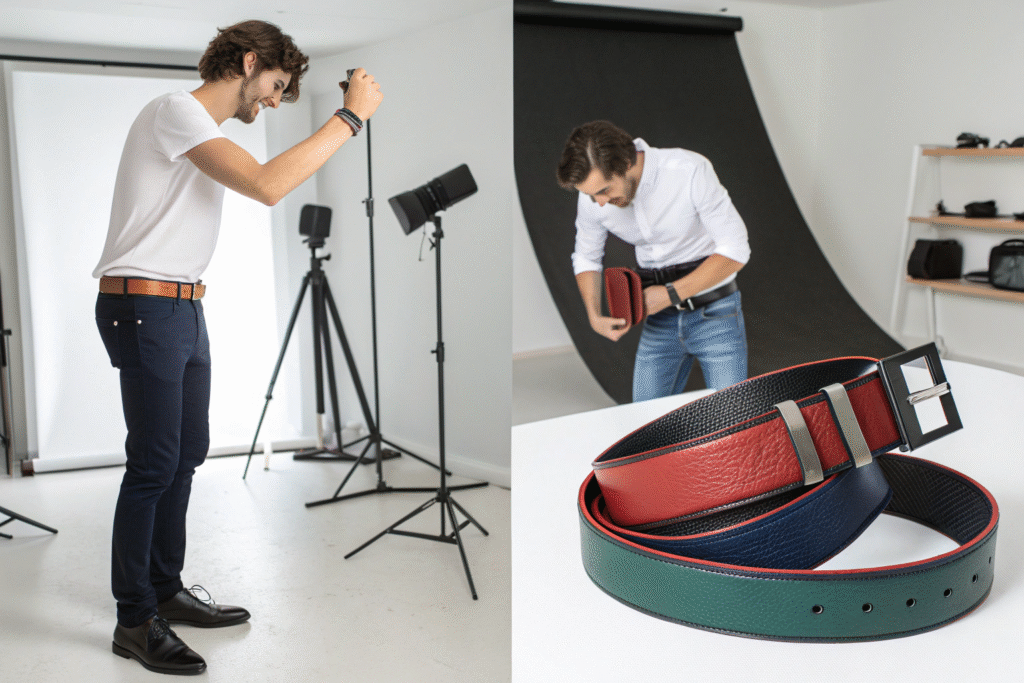
The most successful reversible belt marketing emphasizes the practical benefits and cost savings compared to purchasing two separate belts. Creating demonstration video content that shows how easily the belt reverses and styles with different outfits significantly increases conversion rates. Highlighting the space-saving aspect for travel and the wardrobe versatility helps consumers rationalize the premium price point.
Educational content that addresses common customer questions about durability, mechanism reliability, and styling options builds confidence in the product. The most profitable brands feature user-generated content showing real customers utilizing both sides of their belts in different contexts, providing social proof that reinforces the value proposition. This content typically generates 2-3 times higher engagement than standard product imagery alone.
What Distribution Channels Maximize Profit Margins?
Selecting the right sales channels significantly impacts reversible belt profitability. While multi-channel distribution expands reach, the most profitable programs typically focus on direct-to-consumer channels for reversible styles, maintaining full control over presentation and avoiding retailer margin sharing. Specialty accessories stores and department stores with trained sales staff can effectively communicate the reversible feature, but often require deeper wholesale discounts.
Many successful brands use reversible belts as anchor products within specific price tiers, positioning them as upgrade options from basic belts. This strategy creates natural price architecture within collections while highlighting the value equation. Online marketplaces can be effective for clearance of discontinued color combinations, but should be secondary to primary channels where full margin can be maintained. The most profitable distribution mix typically reserves 40-60% of inventory for direct channels where margins are 50-70% higher than wholesale.
Conclusion
Profitability in reversible belt lines hinges on strategic decisions across material selection, manufacturing efficiency, inventory management, and marketing. The most successful programs leverage the product's inherent versatility to command premium pricing while controlling costs through specialized production techniques and smart inventory planning. By focusing on these key profitability drivers, brands can transform reversible belts from marginal products into significant profit centers.
Are you ready to develop a profitable reversible belt collection? Contact our Business Director, Elaine, at elaine@fumaoclothing.com to discuss how our specialized reversible belt manufacturing expertise can help you maximize margins while delivering exceptional customer value.