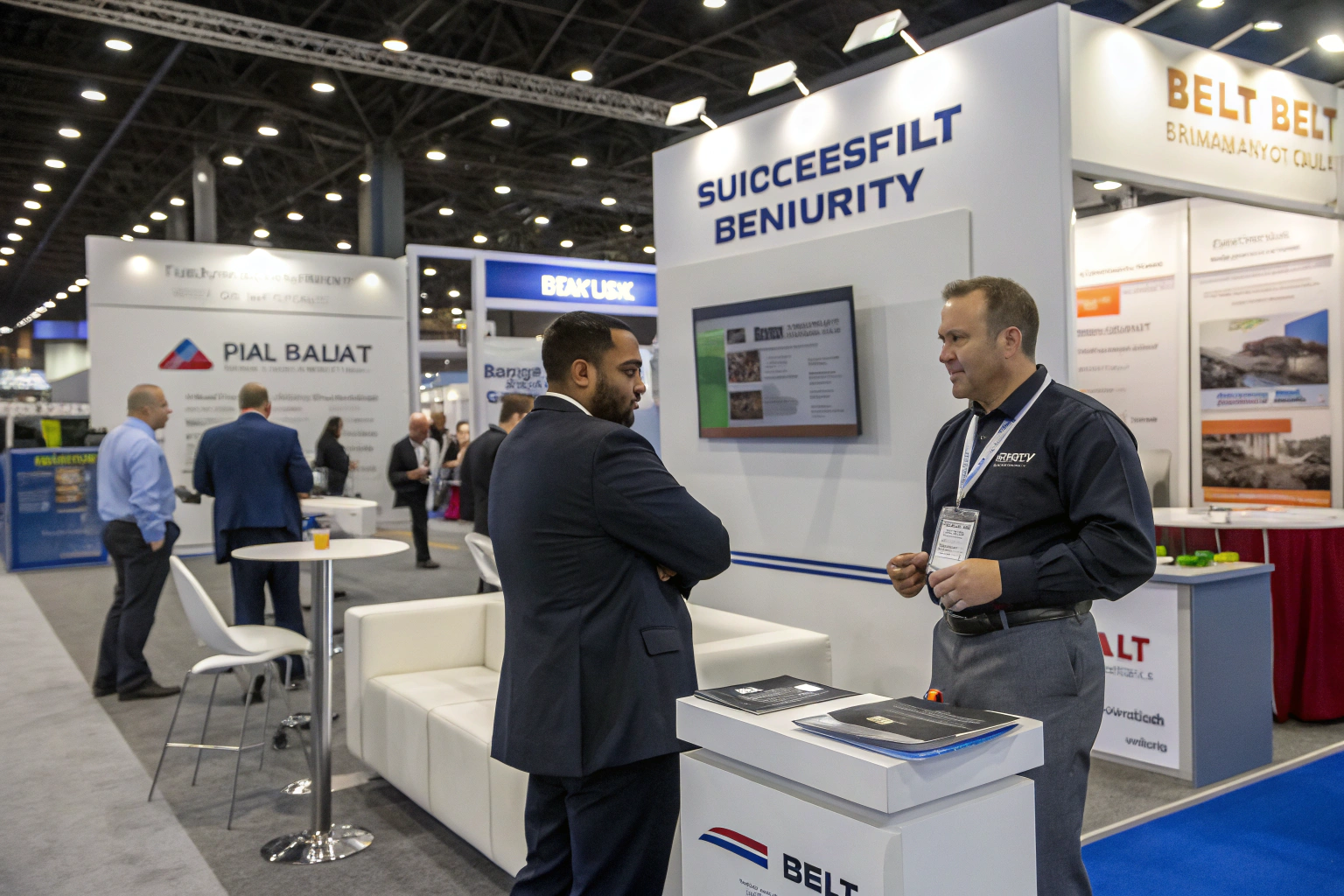
You've invested thousands in a trade show booth—space rental, booth construction, travel, samples, staff. You stand ready, but so do hundreds of other exhibitors. For a belt factory or brand, how do you cut through the noise and ensure your booth isn't just seen, but remembered, engaged with, and ultimately drives qualified leads and orders? Success isn't accidental; it's engineered through a meticulous blend of strategy, psychology, and flawless execution.
Success in a belt trade show booth is determined by a clear, multi-sensory brand experience that immediately communicates your unique value proposition, a strategic layout designed for maximum engagement and conversation efficiency, and a highly trained team focused on qualifying leads and capturing actionable commitments, rather than just handing out brochures.
For manufacturers like us targeting brands, retailers, and distributors, a trade show is a high-stakes sales theater. Every element must work in concert to convert a busy attendee's 3-second glance into a 10-minute conversation and a follow-up meeting. Let's deconstruct the winning formula.
How Does Strategic Booth Design and Layout Drive Engagement?
Before a word is spoken, your booth design does the talking. In a vast hall, you have milliseconds to communicate who you are and why a buyer should stop. For belt exhibitors, the design must overcome a unique challenge: belts are relatively small items that can look repetitive when displayed poorly.
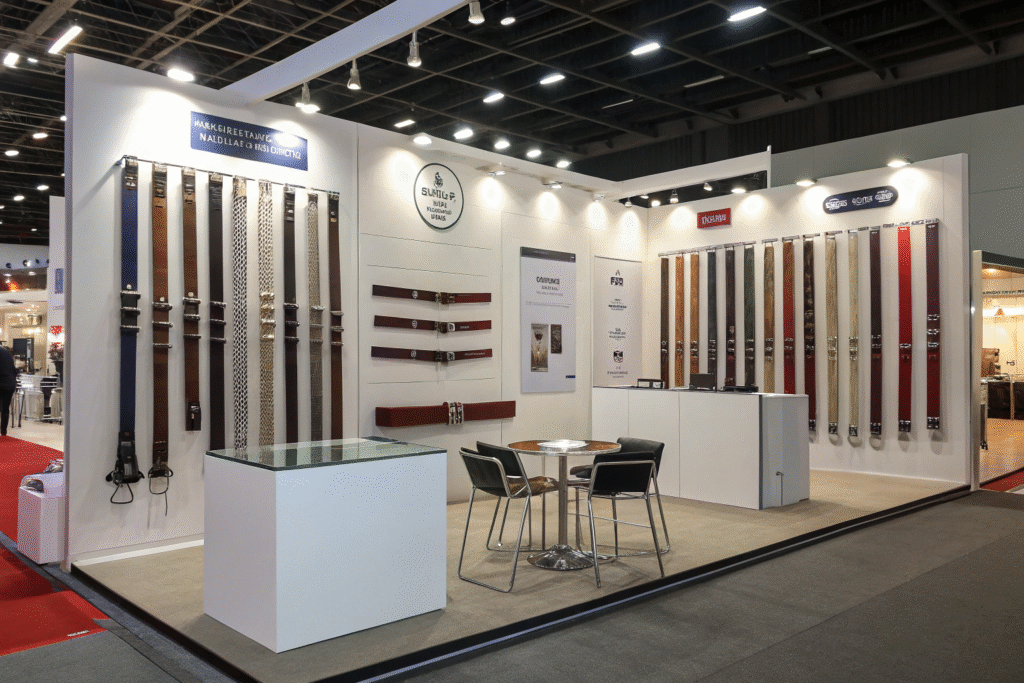
A successful booth layout is open and inviting, not fortress-like; it uses vertical space dramatically to display belts as art; it creates dedicated zones for different interactions (browsing, demo, negotiation); and it ensures all product samples are accessible and touchable. The flow should naturally guide visitors from attraction to engagement to conversation.
Why is "Product as Hero" the First Principle?
Belts are tactile. Your display must scream "touch me." Ditch flat, pinned displays. Instead, use dynamic forms:
- Active Displays: Show belts on mannequin torsos or angled forms that demonstrate drape and fit.
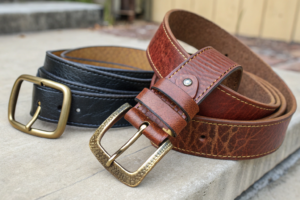
- Material & Component Focus: Have separate displays highlighting your material library (samples of full-grain leather, exotic skins, woven nylon) and your buckle options. This speaks directly to a buyer's sourcing questions.
- Lifestyle Imagery: Large-scale photos of your belts in context (fashion shoots, rugged outdoor use) help buyers visualize them in their own stores or collections.
Lighting is non-negotiable. Use focused, warm spotlights to make leather grains pop and metal buckles gleam. A poorly lit booth makes even the finest vegetable-tanned leather look dull. This visual merchandising logic is borrowed from top retailers.
How Does Zoning Optimize the Buyer Journey?
Divide your booth footprint into clear, purposeful areas:
- The "Grab" Zone (Front): High-impact visual with your brand name and a single, compelling tagline (e.g., "Artisan Tooling, Global Logistics"). A rotating display of a hero product.
- The "Interactive" Zone (Middle): The heart of the booth. Open tables with organized samples. This is where attendees naturally stop to touch products. Have sample buckles they can click, leather swatches they can feel.
- The "Conversation" Zone (Back/Side): A slightly quieter area with stools or a high-top table. This is for qualified lead conversations, price discussions, and booking factory tours. It provides privacy without being closed off.
This logical flow respects an attendee's pace—from curious observation to hands-on interest to serious business talk—and allows your staff to manage multiple interactions simultaneously.
What Role Does Pre-Show Marketing and Staff Strategy Play?
The show floor is merely the stage; the real work happens weeks before. A booth that relies on random foot traffic is gambling. Success is built on driving your target audience to your specific location with intent and arming your team to convert them.
Pre-show success is determined by targeted outreach to schedule appointments, setting clear, measurable goals for the team (e.g., "50 qualified leads, 10 sample requests"), and conducting rigorous staff training on product knowledge, qualifying questions, and next-step protocols. Your staff are your brand on the floor.
How to Execute Effective Pre-Show Outreach?
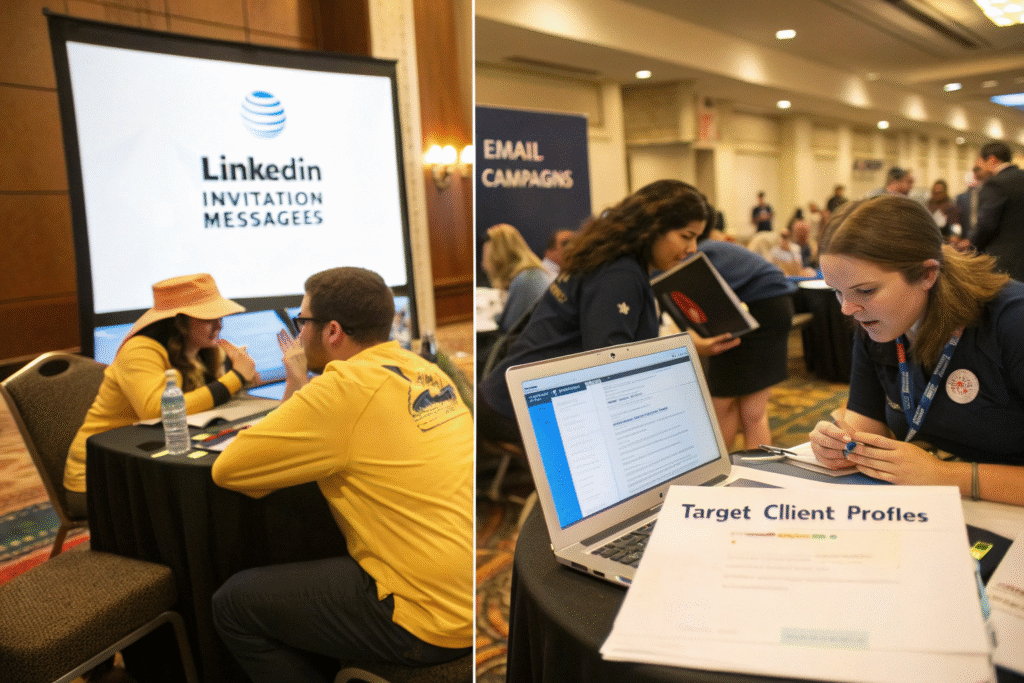
Use the attendee list (if provided) and your own CRM. Don't just send a generic "Visit us at Booth #XYZ." Send personalized LinkedIn messages or emails to key buyers (like Ron) referencing their business: "Ron, saw you source leather accessories for the US market. We specialize in quick-turn belt manufacturing with a modern facility in Zhejiang. Would you have 15 minutes at the show to discuss your needs?" Offer to schedule a specific time. This guarantees a base level of high-quality traffic. Promote your booth location and a specific "show special" or new collection launch on your social media channels. The goal is to create anticipation.
What is the Critical Staff Training for a Belt Booth?
Your booth staff are not order-takers; they are consultants and qualifiers. Training must cover:
- The 10-Second Pitch: How to articulate your unique value ("We're a full-service belt factory with in-house design and own QC lab, which lets us control quality and speed for brands like yours.").
- Qualifying Questions: Scripted questions to quickly assess a visitor's potential: "What type of belts are you currently sourcing?" "What's your typical order volume?" "What's your biggest challenge with your current supplier?" (This addresses pain points like tariffs or lead times).
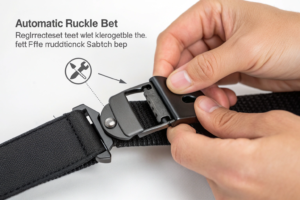
- Product Demos: How to demonstrate a feature—like the mechanism of an automatic buckle or the patina of a tooled belt—in 30 seconds.
- Lead Capture Protocol: A strict system for capturing contact info, conversation notes, and promised next steps (send catalog, quote, sample) into a CRM or app immediately after the interaction. No business cards in a fishbowl.
How to Create Compelling Product Demonstrations and Takeaways?
In a sea of sameness, your product must tell its own story. A buyer sees thousands of belts. Your demonstration needs to create a "wow" moment that makes yours unforgettable. This is where technical features, craftsmanship, and smart sampling come into play.
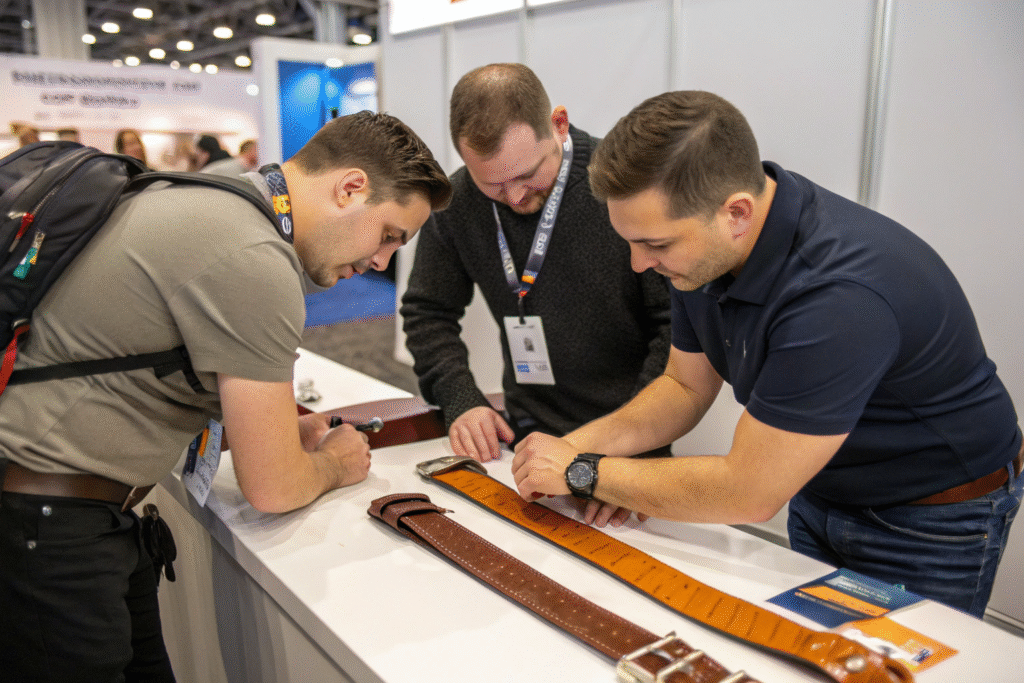
Compelling demonstrations focus on differentiation: visually contrasting your quality against a generic competitor, showcasing a unique feature (e.g., a hidden compartment, a modular buckle), or telling the craftsmanship story behind a product (e.g., hand-stitching, heritage tooling). The takeaways should be useful, branded, and drive the next action.
What Are Killer Demo Tactics for Belts?
Move beyond passive display. Create interactive stations:
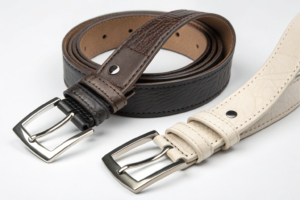
- The "Comparison Table": Have two belts side-by-side under a light: one of yours (full-grain, solid stitching) and one cheap competitor (corrected grain, glued edges). Let buyers feel and see the difference. Educate them on why your cost is higher.
- Feature Spotlight: Have a dedicated area to demo specific innovations. For a ratchet belt, have a size-adjustment demo. For a reversible belt, quickly flip it. For a sustainable material like cactus leather, have the raw material sample next to the finished belt.
- The "Problem-Solver" Demo: Address a common pain point directly. "Struggling with inconsistent buckle plating?" Show your buckle undergoing a salt-spray test video or have a sample that's been tested. "Concerned about logistics?" Have a map showing your key shipping lanes and a sample of your compact, space-saving packaging.
How to Design Takeaways That Lead to Orders?
The goal of a giveaway is not to be thrown away. The best takeaways continue the sales conversation after the show.
- Ultra-Premium Sample Swatch Kit: Instead of a full belt, give a beautifully branded folder containing small, die-cut swatches of your key materials (leather types, fabrics) and miniature buckle samples. This is a tool a buyer will keep and reference.
- Digital First, Physical Second: Offer to email your digital catalog and line sheets on the spot (capturing their email). Then give them a simple, high-quality USB drive (shaped like a buckle?) with the same files as a physical reminder.
- The "Quote Voucher": A branded card that offers a free, no-obligation quote on their first order if they contact you within 30 days post-show. This creates urgency and a clear next step.
Avoid cheap tchotchkes that have nothing to do with your product. A well-made branded merchandise item that reflects your quality is far more effective.
How to Measure ROI and Execute Flawless Follow-Up?
The show ends, but the real work—where most booths fail—begins. Success is not measured by how many people you met, but by how many converted into customers. A disciplined, rapid follow-up system is the most critical determinant of all.
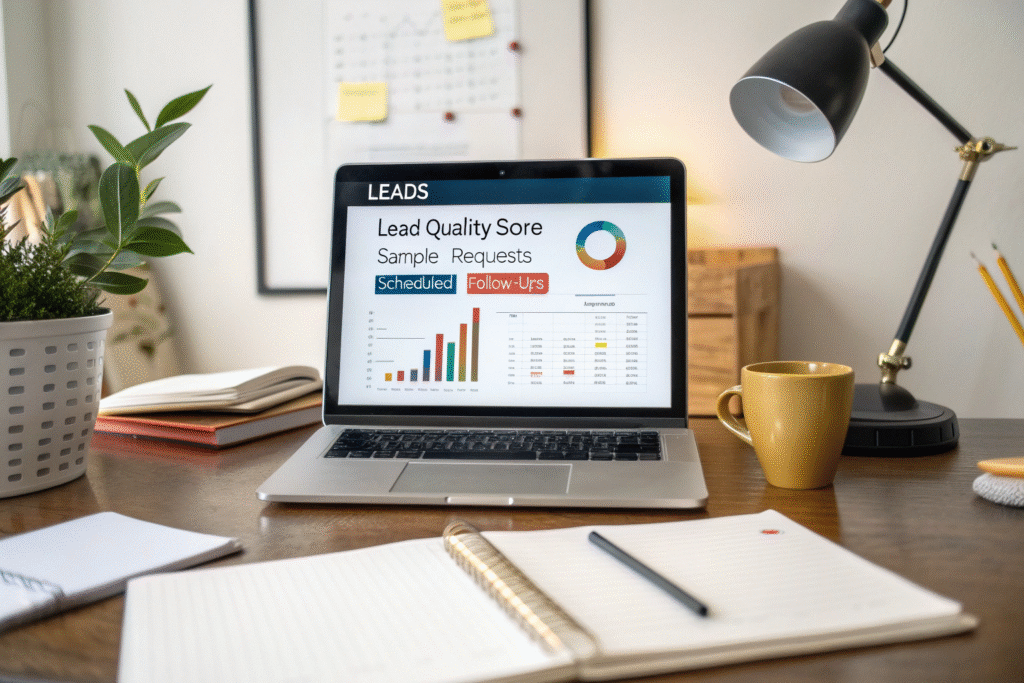
ROI is measured by Cost Per Qualified Lead and the Sales Conversion Rate from those leads over the next 6-12 months. Flawless follow-up means initiating contact within 24-48 hours, personalizing communication based on booth notes, and moving leads systematically through a pipeline from "show contact" to "sample request" to "negotiation" to "first order."
What Metrics Should You Track During and After the Show?
Move beyond vague goals. Track daily:
- Number of Scanned/Collected Leads.
- Qualified Leads (A/B/C tiering based on budget, timeline, authority).
- Sample Requests (a strong buying signal).
- Scheduled Post-Show Meetings/Calls.
- Cost Per Lead: Total booth cost / Number of Qualified Leads.
After the show, track the lead-to-customer conversion rate and the total contract value generated. This data is crucial for justifying the expense and improving your strategy for the next event. Using a simple CRM system is non-negotiable for this.
What Does a Winning Follow-Up Sequence Look Like?
Day 1 (Post-Show): Send a personalized email to every A/B lead. Reference your conversation: "Ron, great discussing your need for fast-turnaround canvas belts yesterday. As promised, here is the link to our specialized collection and the PDF with FOB pricing for volumes over 500pcs." Attach the specific documents you promised.
Day 3-5: For those who opened the email but didn't reply, a gentle LinkedIn follow-up: "Hope you're recovering from the show! Did the pricing sheet for the belts match your expectations?"
Day 7: For unresponsive A-tier leads, a brief, friendly phone call.
Ongoing: Add all leads to a targeted newsletter showcasing new developments, but segment them from your general list. The key is persistence without being spammy, always providing value and reminding them of the personal connection made at the booth.
Conclusion
Success at a belt trade show booth is a science, not an art. It is the result of a holistic strategy that begins months before the event and extends months after. It requires a booth that acts as a physical manifestation of your brand promise, a team trained as consultative sellers, product demonstrations that educate and impress, and a military-precision follow-up campaign that nurtures leads into partners.
For a belt manufacturer, the trade show is the ultimate test of your value proposition. By focusing on creating meaningful engagements rather than collecting business cards, you transform a costly marketing expense into your most powerful business development engine. The crowded show floor is not a barrier; it is a filter, separating the unprepared from the professionals who come to win.
If you are planning your next trade show presence and want a partner who understands how to showcase manufacturing excellence and build lasting buyer relationships on the floor, let's connect. Our experienced team knows how to turn booth traffic into a robust sales pipeline. Contact our Business Director, Elaine, to discuss a collaborative strategy: elaine@fumaoclothing.com. Let's make your next show your most successful yet.