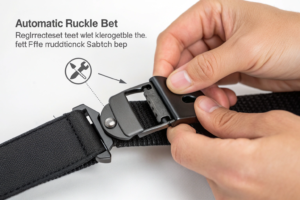
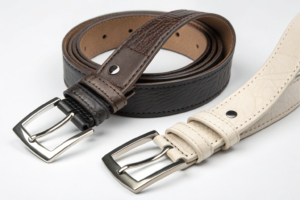
The professional landscape of LinkedIn presents unique opportunities and challenges for B2B belt marketing, requiring strategies fundamentally different from B2C approaches or other social platforms. Success in this environment depends on understanding the professional context, purchase cycles, and relationship dynamics that characterize business buying decisions for accessories like belts.
Success in LinkedIn B2B belt marketing is determined by establishing industry authority, demonstrating manufacturing expertise, building genuine professional relationships, providing valuable content beyond products, and understanding complex organizational buying processes. The most effective approaches position belt suppliers as knowledgeable partners rather than simple vendors, creating trust that translates to business opportunities through demonstrated expertise and relationship nurturing rather than transactional promotions.
Unlike impulse-driven B2C marketing or even other B2B product categories, belt marketing on LinkedIn requires particular finesse because the products sit at the intersection of uniform requirements, corporate gifting, promotional products, and employee apparel programs. Understanding what drives success in this specific context reveals how professional social selling can overcome the platform's noise to generate genuine business opportunities.
What Content Strategies Build Industry Authority?
Establishing credibility as an industry expert rather than just another supplier separates successful B2B belt marketers from those who struggle for visibility.

How Does Educational Content Demonstrate Expertise?
Creating educational content that addresses industry challenges positions belt suppliers as valuable resources rather than just product promoters. Successful implementations might include articles explaining leather grading systems for procurement specialists, guides to international safety standards for uniform managers, or analyses of material innovations for product developers. This educational approach provides immediate value to connections while demonstrating deep industry knowledge that builds confidence in the supplier's capabilities.
The most effective educational content addresses specific professional roles rather than generic audiences. Content for corporate gift buyers might focus on customization processes and timing, while content for uniform managers might emphasize durability testing and compliance documentation. This role-specific targeting ensures relevance that cuts through the generic business content flooding LinkedIn feeds, creating recognition as a specialist who understands particular professional challenges and requirements.
What Role Does Manufacturing Transparency Play?
Demonstrating manufacturing capabilities and processes builds credibility that product images alone cannot achieve. Facility tours showing quality control processes, videos explaining specialized construction techniques, or case studies detailing problem-solving for specific client challenges all provide tangible evidence of expertise. This transparency addresses the risk aversion inherent in B2B purchasing by providing reassurance about quality and reliability before conversations even begin.
The most sophisticated transparency initiatives go beyond simple facility showcasing to include documentation of compliance processes, supplier verification systems, and quality assurance methodologies. This comprehensive approach demonstrates that the supplier understands the rigorous requirements of corporate purchasing departments and has systems in place to meet them consistently. For buyers responsible for large orders where failure carries significant professional risk, this evidence of process maturity can be the deciding factor in supplier selection.
How Should Relationship Building Be Structured on LinkedIn?
The professional nature of LinkedIn demands relationship strategies that respect boundaries while building genuine connections.
| Relationship Strategy | Implementation Approach | Business Outcome |
|---|---|---|
| Strategic Connecting | Personalized connection requests referencing shared groups or content | Higher connection acceptance and engagement rates |
| Value-First Engagement | Commenting on connections' content with substantive insights | Top-of-mind awareness without direct promotion |
| Group Participation | Active involvement in industry-specific LinkedIn groups | Access to qualified prospects in context |
| Content Collaboration | Co-creating content with complementary businesses | Expanded reach to new audiences with built-in credibility |
| Systematic Nurturing | Structured follow-up without aggressive selling | Developed relationships that trigger when needs arise |

How Can Meaningful Connections Be Established?
Successful LinkedIn B2B marketers prioritize quality connections over quantity, focusing on professionals in specific roles, industries, or companies that represent genuine opportunities. The connection process begins with personalized invitations that reference shared connections, groups, or content—demonstrating genuine interest rather than automated blasting. This selective approach builds networks of relevant professionals rather than vanity metrics that don't translate to business opportunities.
The relationship development continues after connection through strategic engagement that provides value without immediate expectation of return. Commenting thoughtfully on connections' content, sharing relevant industry news, or making targeted introductions between connections all build social capital that can later transform into business discussions. This patient approach recognizes that B2B sales cycles for products like belts often extend for months, requiring sustained relationship building rather than immediate conversion attempts.
What Role Do LinkedIn Groups Play in Community Building?
Active participation in relevant industry groups provides access to concentrated audiences with shared professional interests. Rather than simply promoting products, successful marketers establish credibility by answering questions, sharing insights, and facilitating discussions within these communities. This generous approach positions them as valuable group members first and suppliers second, creating natural opportunities when group members develop purchasing needs.
The most effective group strategies involve regular, substantive contributions rather than sporadic promotional posts. Suppliers might share manufacturing insights in uniform management groups, discuss material innovations in fashion technology groups, or provide compliance guidance in safety equipment groups. This focused participation ensures visibility among precisely the professionals involved in belt purchasing decisions while demonstrating expertise that differentiates from competitors who approach groups with purely transactional intentions.
How Should Lead Nurturing Be Managed on LinkedIn?
The extended sales cycles typical of B2B belt purchases require sophisticated nurturing approaches that maintain engagement without becoming intrusive.

What Multi-Channel Nurturing Approaches Work Best?
Successful B2B belt marketers implement integrated nurturing sequences that combine LinkedIn interactions with other professional touchpoints. A connection might begin with a personalized LinkedIn invitation, followed by engagement with their content, then a relevant article shared via message, an invitation to an industry webinar, and eventually a discussion about specific business needs. This multi-touch approach builds familiarity and trust through varied but consistently valuable interactions.
The most effective nurturing sequences are guided by prospect engagement levels rather than rigid timelines. Prospects who actively engage with content might receive more frequent touches, while those with minimal engagement might be nurtured with less frequent but higher-value interactions. This responsive approach respects varying levels of interest while ensuring opportunities aren't abandoned prematurely due to temporary lack of responsiveness during busy periods common in corporate environments.
How Can LinkedIn Features Support Nurturing?
Strategic use of LinkedIn's professional features enables sophisticated nurturing without appearing intrusive. The "Featured" section on company pages can showcase relevant case studies, while regular status updates keep the brand visible in connections' feeds without direct messaging. LinkedIn Events can host educational webinars that provide value while identifying interested prospects, and Company Page analytics help identify which content resonates with target audiences to refine nurturing approaches.
The most sophisticated implementations use LinkedIn Sales Navigator for advanced tracking and engagement opportunities. This professional tool allows monitoring prospect job changes, content engagements, and company developments that create natural touchpoints. A connection starting a new role as uniform manager or a company announcing a corporate rebranding both represent legitimate reasons to reach out with relevant insights or congratulations, maintaining relationships through natural professional evolutions rather than artificial check-ins.
What Metrics Truly Measure B2B Marketing Success?
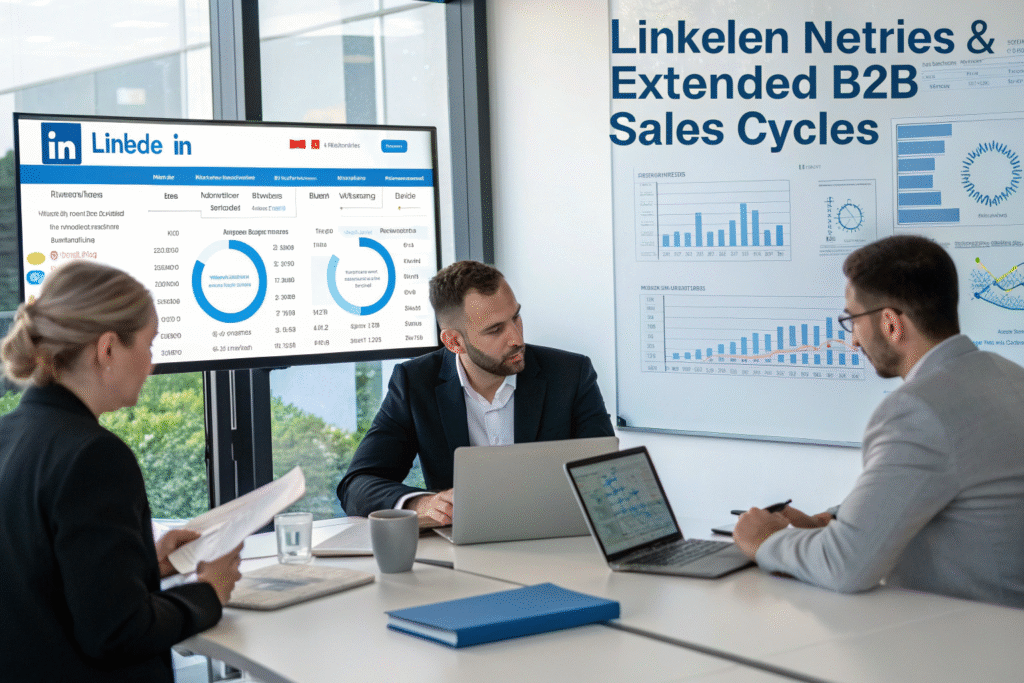
The professional nature of LinkedIn and extended B2B sales cycles require success metrics beyond simple engagement statistics.
How Should Engagement Quality Be Evaluated?
Successful B2B belt marketers focus on quality engagement metrics rather than vanity numbers. Comments from target decision-makers carry more weight than total comment count, while profile views from relevant companies and roles indicate growing awareness among qualified audiences. Similarly, content downloads by professionals in purchasing roles demonstrate value delivery that may eventually translate to business discussions, even if immediate sales don't materialize.
The most meaningful engagement metrics often come from private interactions rather than public visibility. InMail response rates, connection acceptance percentages, and message engagement levels all provide insight into relationship development effectiveness. These private metrics frequently correlate more strongly with eventual business outcomes than public engagement numbers that might include irrelevant audiences. Tracking these qualified engagement indicators helps refine approaches to focus on activities that genuinely advance relationships with potential clients.
What Role Do Lead Quality Indicators Play?
In B2B belt marketing, lead quality indicators often prove more valuable than lead quantity metrics. A handful of connections who are actual uniform decision-makers at target companies represent significantly more potential value than hundreds of connections in irrelevant roles. Successful marketers track connection demographics—specific titles, companies, and industries—to ensure their network building aligns with business objectives rather simply accumulating connections.
The most sophisticated measurement approaches track progression through relationship milestones rather than immediate conversion. Moving a connection from initial acceptance to content engagement to message response to conversation represents measurable progress in the extended B2B sales cycle. These milestone conversions often predict eventual business more accurately than traditional marketing metrics, particularly for considered purchases like belt programs where decisions involve multiple stakeholders and extended evaluation periods.
Conclusion
Success in LinkedIn B2B belt marketing hinges on adopting a professional, value-driven approach that respects the platform's business context and the extended nature of B2B purchasing decisions. By establishing authority through educational content, building genuine professional relationships, implementing sophisticated nurturing sequences, and focusing on quality metrics, belt suppliers can cut through the platform's noise to generate meaningful business opportunities.
The most successful approaches recognize that LinkedIn functions as a professional network rather than a promotional channel, requiring strategies that emphasize relationship building over immediate conversion. This patient, value-first approach ultimately delivers superior results by positioning suppliers as trusted partners rather than transactional vendors when purchasing needs arise.
Ready to develop a successful LinkedIn B2B strategy for your belt products? Contact our Business Director, Elaine, at elaine@fumaoclothing.com to discuss our professional marketing approaches that generate qualified leads through authority building and relationship development.