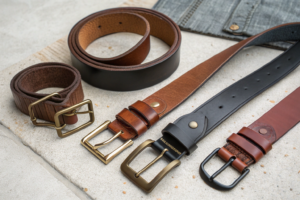
You've invested in private label belts, but they're not selling. The market seems crowded, and your products get lost among competitors. You wonder why some brands succeed while others fail, despite having similar quality products.
Success in private label belt launches depends on four critical factors: distinctive brand identity that resonates with target customers, reliable manufacturing partnerships that ensure consistent quality, strategic market positioning that differentiates your products, and effective supply chain management that maintains inventory flow. Brands that master these elements create products that not only meet market needs but also build lasting customer loyalty.
The journey to a successful launch involves careful planning and execution. Let's explore the key areas that separate thriving private label belt brands from those that struggle to gain traction in this competitive market.
How Crucial is Brand Identity for Belt Differentiation?
In today's saturated market, your brand identity is what makes customers choose your belts over countless alternatives. It's the personality of your business and the promise you make to your customers.
Strong brand identity goes beyond just having a logo. It encompasses your design aesthetic, quality standards, packaging, and the story behind your brand. Successful private label belt brands create an emotional connection with their customers through consistent branding across all touchpoints, from product design to marketing materials.
What Brand Elements Create Maximum Impact?
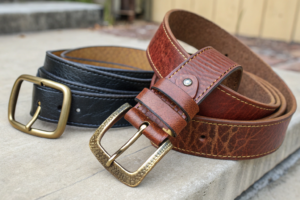
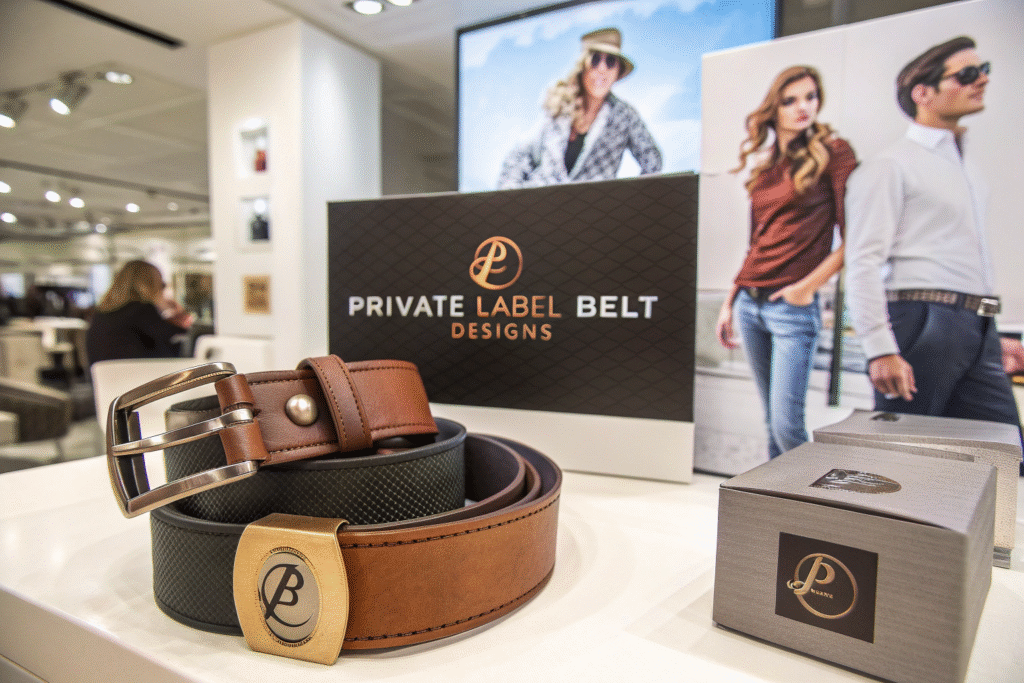
The most impactful brand elements for private label belts include custom-designed buckles with unique logos, distinctive stitching patterns, specialized leather finishes, and branded packaging. These elements work together to create a cohesive brand experience. For example, a genuine leather belt with custom embossing and unique buckle designs immediately stands out on retail shelves. Consistent use of these elements across your product line reinforces brand recognition and builds trust with customers.
How Does Target Audience Research Shape Brand Strategy?
Understanding your target audience is fundamental to building a successful brand strategy. Detailed research into customer preferences, shopping habits, and lifestyle needs informs every aspect of your brand development. A brand targeting fashion-conscious professionals will develop different products and marketing approaches than one focusing on outdoor enthusiasts. This research directly influences your design choices, price points, and marketing channels, ensuring your brand resonates with the right customers.
What Manufacturing Factors Ensure Consistent Quality?
Quality consistency is the foundation of customer trust and repeat business. Your manufacturing partner's capabilities directly impact your brand's reputation and long-term success.
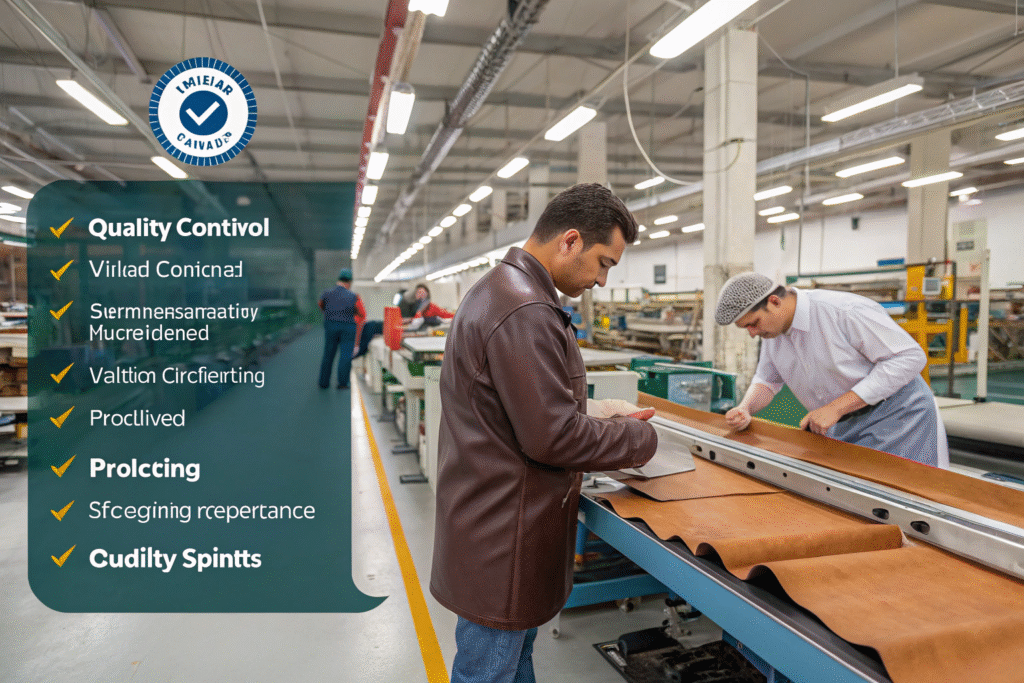
Consistent quality requires rigorous quality control systems, skilled craftsmanship, and reliable material sourcing. The best private label manufacturers implement comprehensive quality checks at every production stage, from material inspection to final packaging. This systematic approach ensures that every belt meets your specifications and quality standards.
How Important is Material Selection for Product Durability?
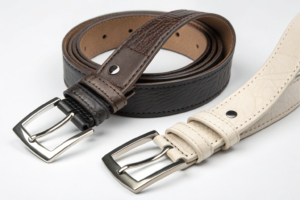
Material selection is crucial for both product durability and customer satisfaction. The choice between full-grain leather, top-grain leather, and high-quality synthetic alternatives affects not only the belt's longevity but also its aesthetic appeal and price positioning. Understanding material properties and their performance characteristics helps in selecting the right materials for your target market and price point, ensuring your products meet customer expectations for both quality and value.
What Quality Control Measures Prevent Defects?
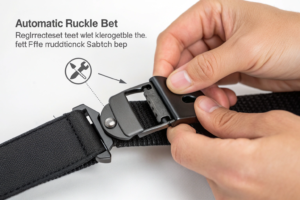
Effective quality control measures include raw material inspection, in-process checks during cutting and stitching, buckle attachment strength testing, and final random inspection. Implementing a comprehensive quality management system helps identify potential issues early in the production process. For automatic buckle belts, this includes testing the mechanism hundreds of times to ensure reliable operation. These proactive measures significantly reduce defect rates and ensure consistent product quality.
How Can Market Positioning Drive Sales Growth?
Your market positioning determines how customers perceive your brand relative to competitors. A clear, compelling position in the market drives visibility, customer interest, and ultimately, sales growth.
Strategic market positioning involves identifying your unique value proposition and communicating it effectively to your target audience. This includes defining your price segment, distribution channels, and marketing messaging to create a distinct place in the market that resonates with specific customer needs and preferences.

What Pricing Strategies Maximize Profit Margins?
Successful pricing strategies balance perceived value with production costs and market demand. The right approach depends on your brand positioning—whether you're targeting the luxury, mid-range, or value market segment. For fashion accessories, psychological pricing, bundle pricing, and value-based pricing strategies often prove most effective. Understanding your cost structure and target customers' willingness to pay helps establish optimal pricing that maximizes profits while remaining competitive.
Which Distribution Channels Offer Best Market Access?
The choice of distribution channels significantly impacts your market reach and sales potential. Successful brands often use a mix of channels including e-commerce platforms, wholesale partnerships with retailers, and direct-to-consumer sales. Each channel serves different customer segments and requires specific strategies. For emerging fashion brands, focusing on channels that align with your brand identity and target audience ensures efficient market access and better sales performance.
What Supply Chain Factors Affect Launch Success?
A reliable supply chain ensures you can meet market demand consistently. Supply chain disruptions can derail even the most well-planned product launches, affecting both initial sales and long-term brand reputation.
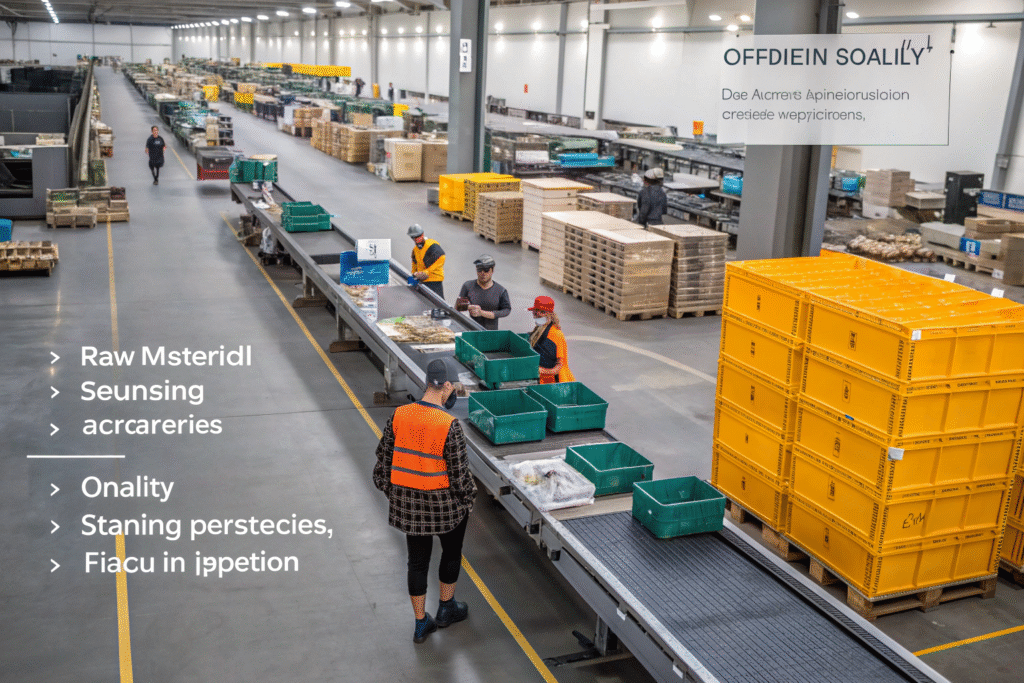
Effective supply chain management involves coordinating multiple elements including production planning, inventory management, and logistics. A streamlined supply chain enables quick response to market demands, maintains product availability, and supports timely launches of new collections and seasonal products.
How Does Production Timeline Management Impact Availability?
Proper production timeline management ensures your products are available when customers want to buy them. This involves coordinating material procurement, manufacturing schedules, and shipping logistics to align with market seasons and sales cycles. For seasonal fashion items, this timing is particularly crucial. Well-managed timelines prevent stockouts during peak demand periods and minimize excess inventory during slower seasons, optimizing both sales opportunities and inventory costs.
What Inventory Management Strategies Prevent Stock Issues?
Effective inventory management strategies include demand forecasting, safety stock maintenance, and regular inventory turnover analysis. Implementing an inventory management system that tracks sales patterns and predicts demand helps maintain optimal stock levels. This approach prevents both overstocking, which ties up capital, and stockouts, which lead to lost sales and dissatisfied customers. For private label belts, this means having the right mix of sizes, styles, and colors available to meet customer demand.
Conclusion
Success in private label belt launches doesn't depend on a single factor but rather on the effective integration of multiple elements. Distinctive brand identity creates customer recognition and loyalty. Consistent manufacturing quality builds trust and repeat business. Strategic market positioning ensures your products reach the right customers at the right price. Efficient supply chain management maintains product availability and supports business growth.
If you're ready to launch your successful private label belt line, contact our Business Director, Elaine. She will help you navigate every step from design to delivery. Reach her at elaine@fumaoclothing.com to start your private label journey.