The integration of compression technology into medical garments represents a significant advancement in therapeutic wear, with compression belts emerging as particularly valuable tools for both treatment and prevention. These specialized garments address a range of medical conditions while providing the support and stability that patients require for daily functioning and recovery.
Compression belts are essential for medical wear because they provide targeted therapeutic benefits including spinal support, improved circulation, posture correction, pain management, and abdominal compression. These medical-grade garments combine advanced materials with biomechanical engineering to deliver measurable clinical benefits for patients with various conditions.
The effectiveness of compression belts in medical applications stems from their ability to apply graduated pressure that supports specific anatomical areas while allowing necessary movement. Understanding their clinical benefits helps healthcare providers and patients make informed decisions about incorporating these tools into treatment plans.
How Do Compression Belts Provide Therapeutic Benefits?
Compression belts deliver their therapeutic effects through precisely engineered pressure application that supports anatomical structures while promoting physiological benefits. The medical value comes from both the immediate mechanical support and the ongoing physiological responses to consistent, appropriate compression.
These garments work through multiple simultaneous mechanisms that address different aspects of patient needs, from structural support to circulatory improvement. The combination of these benefits makes compression belts versatile tools in medical management.

What specific conditions benefit from compression therapy?
Compression belts provide documented benefits for numerous medical conditions:
- Post-surgical recovery following abdominal, back, or hernia procedures where support reduces strain on healing tissues
- Orthopedic conditions including scoliosis, kyphosis, and other spinal alignment issues
- Circulatory disorders such as orthostatic hypotension where abdominal compression improves venous return
- Musculoskeletal pain from conditions like degenerative disc disease or muscle strains
- Pregnancy-related back pain where specialized designs support changing anatomy safely
According to clinical research published in the Journal of Physical Therapy Science, properly fitted compression garments can reduce pain scores by 40-60% while significantly improving functional mobility in patients with chronic back conditions.
How does graduated compression improve circulatory function?
Medical compression belts utilize precise pressure gradients to enhance circulation:
- Optimal pressure distribution typically applying 20-30 mmHg compression medically recognized as therapeutic
- Enhanced venous return through abdominal compression that improves blood flow back to the heart
- Reduced edema by preventing fluid accumulation in supported tissues
- Improved oxygen delivery through enhanced circulation to muscles and connective tissues
- Faster recovery from muscle fatigue through improved removal of metabolic byproducts
The American Venous Forum guidelines recommend specific compression levels based on medical conditions, with most therapeutic abdominal compression falling between 15-25 mmHg for optimal benefit without restricting breathing or digestion.
What Design Features Differentiate Medical Compression Belts?
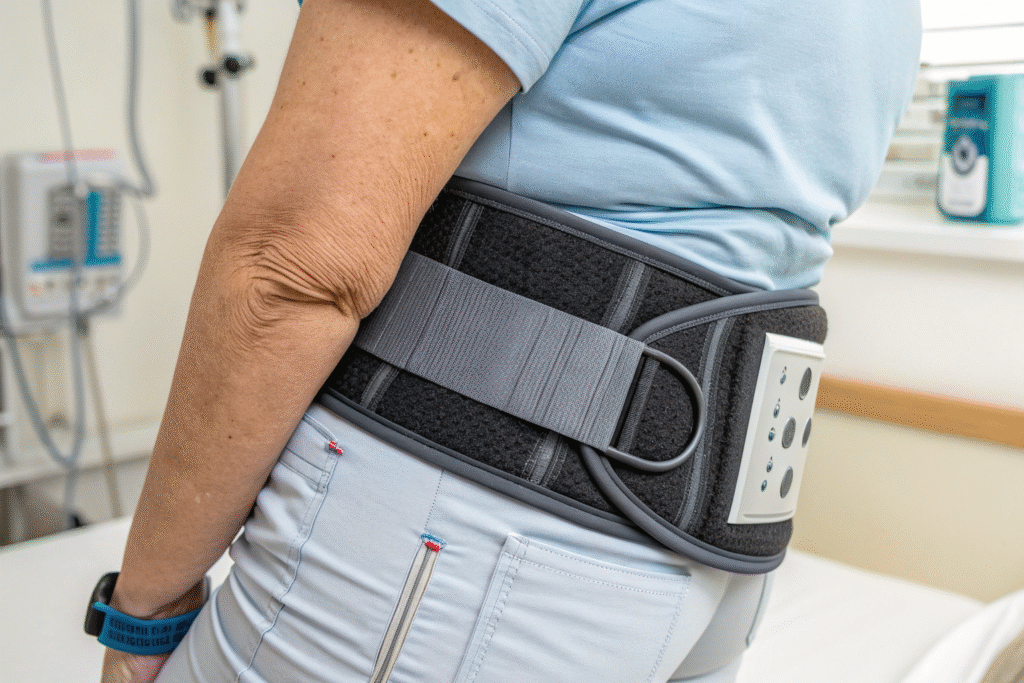
Medical-grade compression belts incorporate specific design elements that distinguish them from consumer compression garments and ensure both therapeutic effectiveness and patient safety. These features result from clinical research and user feedback focused on addressing real patient needs.
The most effective medical compression belts balance therapeutic compression with practical functionality, allowing patients to wear them comfortably during daily activities while receiving consistent medical benefits.
Which materials meet medical compression standards?
Medical compression belts utilize advanced materials with specific properties:
- Medical-grade elastic that maintains consistent compression through thousands of stretching cycles
- Moisture-wicking properties to manage perspiration and prevent skin irritation during extended wear
- Hypoallergenic components that minimize reaction risks for patients with sensitive skin
- Breathable construction that allows air circulation while maintaining therapeutic pressure
- Durable stitching that withstands repeated use and washing without compromising integrity
These materials must meet stringent regulatory standards for medical devices, particularly when making specific therapeutic claims. The most advanced materials incorporate silver ions or copper oxide for natural antimicrobial protection.
What adjustment systems ensure proper therapeutic fit?
Effective medical compression requires precise fit customization:
- Micro-adjustable closures that allow healthcare providers to fine-tune compression levels
- Multiple panel designs that provide targeted compression to specific anatomical areas
- Graduated compression zones applying different pressure levels where clinically indicated
- Easy donning/doffing mechanisms for patients with limited mobility or strength
- Size customization options to accommodate unique body shapes and medical conditions
These adjustment features ensure the belt delivers consistent therapeutic benefit regardless of patient movement or position changes throughout the day. Proper fit is verified through both patient comfort feedback and clinical assessment of the intended therapeutic effect.
How Do Compression Belts Support Rehabilitation?
Compression belts play a valuable role in rehabilitation programs by providing external support that enables patients to engage more fully in therapeutic activities while protecting healing tissues. This supportive function accelerates recovery while reducing the risk of re-injury.
The rehabilitation benefits extend beyond simple mechanical support to include proprioceptive feedback, movement guidance, and psychological confidence that collectively improve rehabilitation outcomes.

What role do compression belts play in physical therapy?
Compression belts support various aspects of physical rehabilitation:
- Controlled mobility that allows therapeutic movement while limiting harmful motions
- Proprioceptive enhancement through constant tactile feedback about body position and movement
- Muscle activation facilitation by providing a resistant surface for muscles to work against
- Postural re-education through gentle reminders to maintain therapeutic alignment
- Pain reduction that enables patients to participate more fully in therapy sessions
According to research in the Journal of Orthopaedic & Sports Physical Therapy, patients using appropriate compression garments during rehabilitation demonstrated 25-40% greater adherence to exercise programs and reported significantly higher confidence in their movement abilities.
How do compression belts prevent re-injury during recovery?
The preventive benefits of compression belts include:
- Movement limitation that prevents patients from accidentally moving into harmful positions
- Fatigue reduction by supporting muscles during extended activity
- Inflammation control through consistent gentle compression that limits swelling
- Scar tissue management by applying appropriate pressure to healing surgical sites
- Activity progression allowing safe gradual return to normal activities
These preventive functions are particularly valuable during the critical healing phase when tissues are vulnerable to re-injury. Patients transitioning back to regular activities benefit from the security of knowing their healing areas have additional protection.
What Sizing and Fitting Considerations Ensure Effectiveness?
Proper sizing and fitting of compression belts directly impacts their therapeutic effectiveness and patient compliance. Medical compression requires precise measurement and individual adjustment to deliver the intended clinical benefits while maintaining patient comfort.
The fitting process involves both anatomical measurements and clinical assessment to ensure the belt provides appropriate support without creating new problems or discomfort.
What measurement protocols ensure proper medical compression?
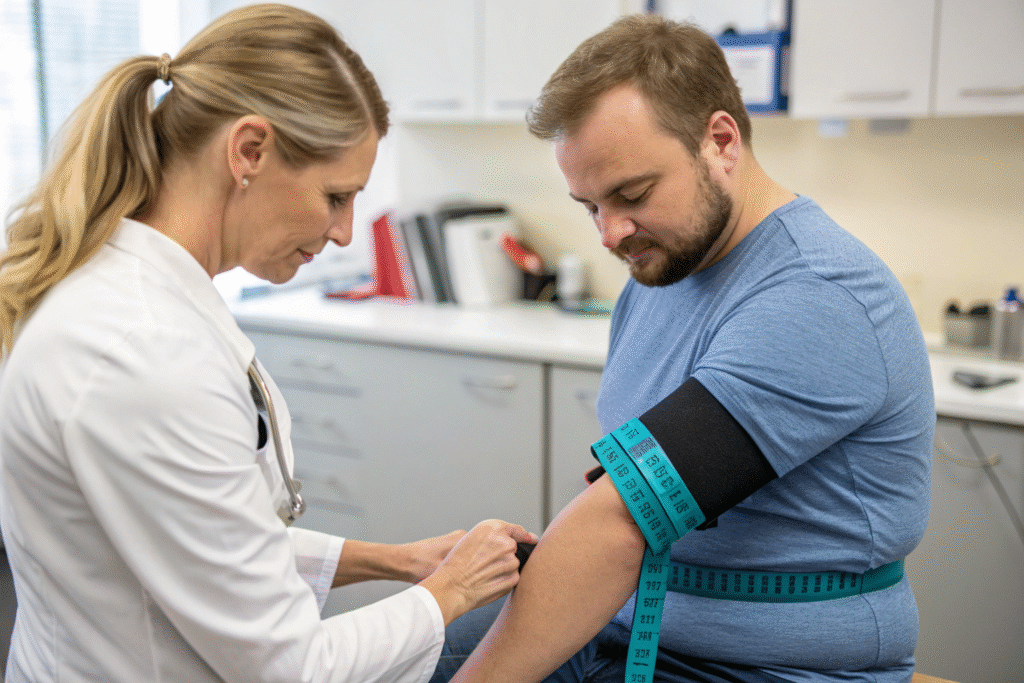
Medical compression fitting follows specific protocols:
- Circumferential measurements at multiple points to account for anatomical variations
- Tissue compliance assessment to determine appropriate compression levels for individual patients
- Functional movement evaluation ensuring the belt works through required ranges of motion
- Comfort verification during both rest and activity to ensure wearability
- Therapeutic effect confirmation through both patient feedback and clinical assessment
These protocols help healthcare providers select the correct compression level and style for each patient's specific condition and anatomy. Proper measurement typically requires training to ensure accurate results.
How should compression belts be worn for optimal benefit?
Correct wearing technique maximizes therapeutic effectiveness:
- Proper positioning according to the specific medical condition being treated
- Consistent wear schedule as prescribed by healthcare providers
- Regular adjustment checks ensuring the belt maintains proper position during activity
- Skin monitoring for any signs of irritation or circulation problems
- Progressive weaning as recovery advances to avoid dependency
Patients typically require education and follow-up to ensure they're using compression belts correctly. Proper education significantly improves both compliance and therapeutic outcomes, making patient training an essential component of compression therapy.
Conclusion
Compression belts represent essential tools in medical wear due to their demonstrated therapeutic benefits for various conditions, from post-surgical recovery to chronic pain management. Their effectiveness stems from the combination of structural support, circulatory enhancement, and proprioceptive feedback that addresses multiple aspects of patient needs. When properly selected, fitted, and used according to medical guidance, compression belts significantly improve patient outcomes while supporting safer rehabilitation and daily functioning.
If your medical wear company is developing compression belts for therapeutic applications, our factory specializes in medical-grade compression garment manufacturing with expertise in both therapeutic effectiveness and patient comfort. Contact our Business Director, Elaine, at elaine@fumaoclothing.com to discuss how we can help develop compression belts that meet clinical requirements while ensuring patient satisfaction.