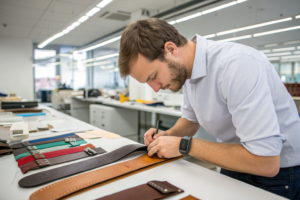
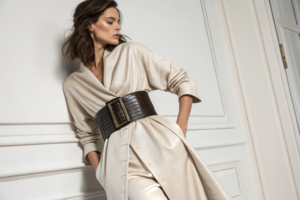
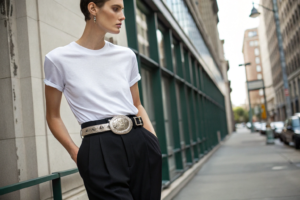
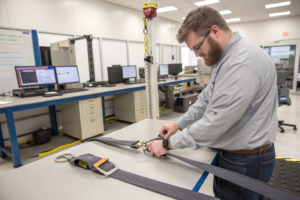
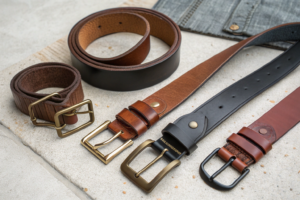
In a market flooded with synthetic alternatives and fast fashion accessories, genuine leather belts often carry a significantly higher price tag that gives many consumers pause. The question arises: why should someone invest in a genuine leather belt when cheaper options look similar initially? The answer lies not in immediate appearance but in long-term value, performance, and sustainability that synthetic materials simply cannot match.
Genuine leather belts are worth the investment because they offer exceptional durability, natural beauty that improves with age, timeless style versatility, and superior comfort that synthetic materials cannot replicate. Unlike plastic-based belts that deteriorate quickly, a quality leather belt can last for decades, often developing a unique patina that makes it more personally valuable over time. This longevity makes genuine leather more cost-effective per wear than repeatedly replacing cheaper alternatives.
The true value of genuine leather becomes apparent when examining its material properties, aging characteristics, comfort factors, and environmental considerations. Let's explore what separates genuine leather from imitations and why it remains the gold standard in belt manufacturing.
How Does Leather Durability Outperform Synthetic Materials?
The fundamental difference between genuine leather and synthetic alternatives lies in their molecular structure and how they respond to stress, moisture, and daily wear. Leather's natural fiber matrix provides resilience that plastic-based materials cannot match.
Genuine leather's durability comes from its interwoven collagen fiber structure that naturally resists tearing and abrasion. Unlike synthetic materials that weaken at stress points and develop permanent creases, leather fibers distribute stress evenly throughout the material. This structural integrity means a quality leather belt maintains its strength and appearance through years of daily use, often outlasting multiple synthetic replacements.

What Structural Properties Make Leather So Resilient?
Leather's resilience stems from its three-dimensional network of collagen fibers that create natural strength and flexibility. When genuine leather is stressed, these fibers stretch and redistribute tension rather than cracking or permanently deforming. The density and orientation of these fibers vary throughout the hide, with the strongest sections typically used for quality belts. This natural structure allows leather to withstand the repeated stress of bending and fastening that causes synthetic materials to fail at buckle holes and crease points. Research from the Leather Working Group provides scientific analysis of leather's structural advantages over synthetic materials in durability testing.
How Does Leather Age Compared to Synthetic Alternatives?
Leather ages through a process called patina development, where natural oils rise to the surface and create richer color and character over time. Synthetic materials, conversely, deteriorate through cracking, fading, and peeling that cannot be reversed. A 10-year-old leather belt often looks more attractive than when new, while a synthetic belt of the same age would be unwearable. This aging difference represents one of the most significant value propositions for genuine leather. The International Council of Tanners documents how proper leather care can extend product lifespan to decades, far exceeding any synthetic alternative.
What Unique Aesthetic Qualities Does Leather Develop?
Beyond mere durability, genuine leather possesses visual characteristics that synthetic manufacturers struggle to replicate authentically. These aesthetic qualities become more pronounced and personally significant over years of ownership.
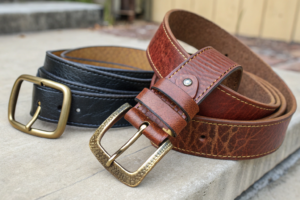
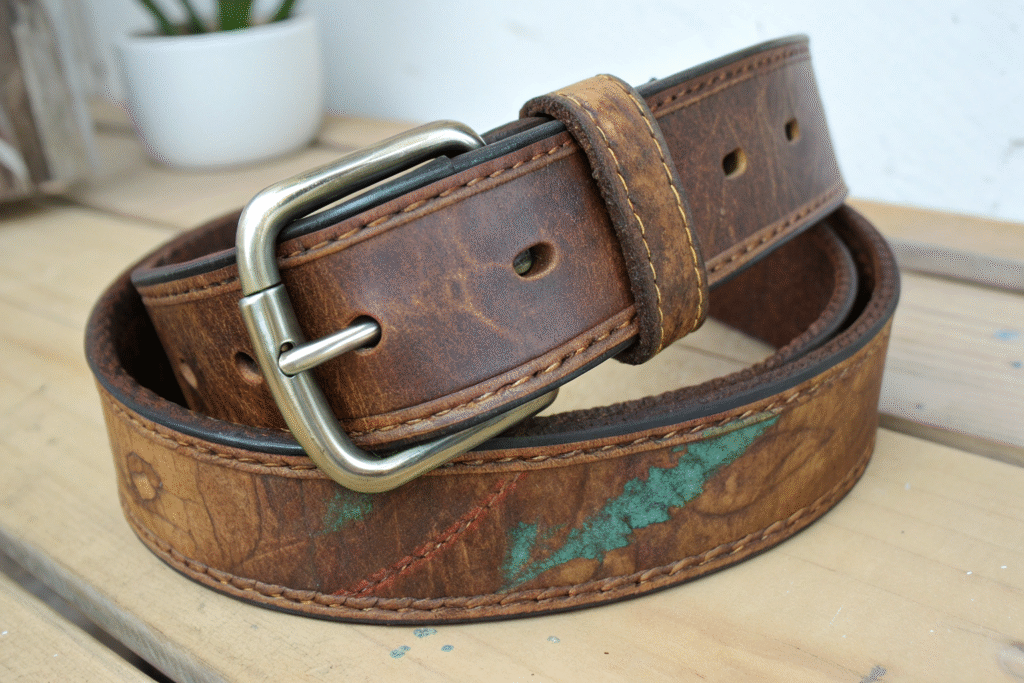
Leather's aesthetic appeal includes its developing patina, unique natural markings, depth of color, and texture that synthetic materials cannot duplicate. Each leather belt tells a visual story of its use through subtle changes that many owners find emotionally meaningful, transforming a functional accessory into a personal artifact.
How Does Patina Development Enhance Leather's Appearance?
Patina development occurs as natural oils migrate to the surface, light exposure affects pigments, and gentle polishing from clothing and handling creates a soft luster. This process gives leather depth and character that mass-produced synthetics lack. The unique wear patterns around buckle holes and the belt's curve become part of its story, making each leather belt distinctly personal. Unlike synthetic coatings that wear off to reveal different-colored material underneath, leather's color permeates throughout its thickness. The Leather Conservation Centre provides scientific analysis of patina development and its role in preserving and enhancing leather goods.
Why Can't Synthetic Materials Replicate Leather's Visual Depth?
Synthetic materials cannot replicate leather's visual depth because they lack the natural variations in fiber density, pore structure, and oil distribution that create leather's complex appearance. While printing technology can create convincing leather-like patterns on surface level, these lack the subtle variations and responsiveness to light that give genuine leather its rich, three-dimensional quality. Upon close inspection and with wear, the artificial nature of synthetic materials becomes apparent through uniform repetition of patterns and plastic-like texture. The British Leather Confederation provides educational resources on identifying genuine leather versus high-quality synthetics through visual and tactile examination.
What Comfort Advantages Does Genuine Leather Offer?
Comfort might not be the first consideration when choosing a belt, but it becomes increasingly important through long wearing periods. Leather's natural properties provide comfort advantages that affect both physical ease and psychological satisfaction.
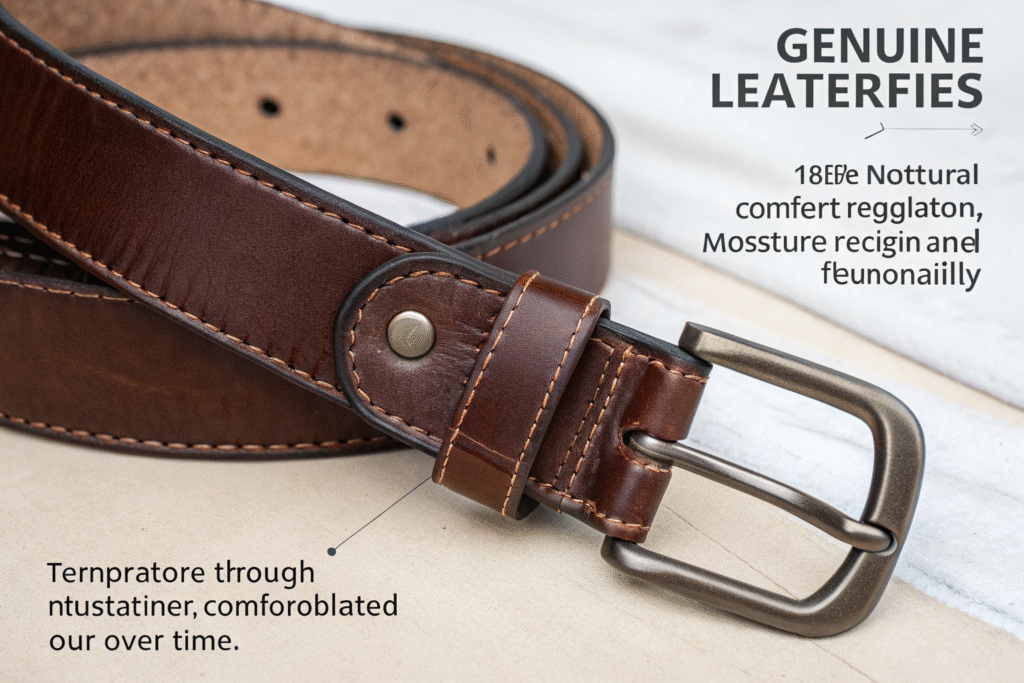
Genuine leather offers comfort through temperature regulation, moisture management, flexible structure, and mold-to-body characteristics. Unlike synthetic materials that can feel clammy or restrictive, leather adapts to the wearer's body and movement patterns, becoming more comfortable with each use.
How Does Leather Regulate Temperature and Moisture?
Leather naturally breathes, allowing air circulation that prevents heat buildup and moisture accumulation. The material's porous structure wicks perspiration away from the body while resisting liquid penetration from outside. This bidirectional moisture management keeps the wearer comfortable in various climates and activity levels. Synthetic materials, particularly those with plastic coatings, trap heat and moisture against the skin, creating discomfort during extended wear. Studies from the Textile Institute confirm leather's superior thermoregulatory properties compared to synthetic alternatives in accessory applications.
Why Does Leather Become More Comfortable Over Time?
Leather becomes more comfortable through a breaking-in process where the collagen fibers soften and align with the wearer's body shape and movement patterns. This customization creates a personalized fit that mass-produced synthetic belts cannot achieve. The material develops permanent gentle curves at natural bending points and softens in high-friction areas, reducing break-in discomfort with each subsequent wearing. This mold-to-body characteristic means a well-maintained leather belt essentially becomes custom-fitted to its owner over time. Ergonomics research from Human Factors and Ergonomics Society supports how moldable materials provide superior comfort in wearable products through personalized adaptation.
How Does Leather's Sustainability Compare to Synthetic Production?
The environmental impact of materials has become increasingly important to consumers. While genuine leather originates from animal agriculture byproducts, its long lifespan and biodegradability present a different environmental profile than petroleum-based synthetics.
Leather's sustainability advantages include utilizing meat industry byproducts that would otherwise become waste, exceptional longevity that reduces replacement frequency, natural biodegradability, and repairability that extends product life. These factors create a different environmental calculation than disposable fast fashion accessories.

How Does Leather's Longevity Reduce Environmental Impact?
A single quality leather belt can last 20-30 years with proper care, potentially replacing 10-15 synthetic belts during the same period. This dramatically reduces the resource consumption, manufacturing energy, and waste generation associated with frequent replacements. The extended product life also means significantly lower environmental impact per year of use, despite leather's higher initial resource investment. Lifecycle assessment data from the Sustainable Apparel Coalition confirms that durability is often the most significant factor in a product's overall environmental footprint.
What Happens at End of Life for Leather Versus Synthetic Belts?
At end of life, genuine leather biodegrades naturally through microbial action, returning organic material to the ecosystem. Synthetic belts, composed of petroleum-based plastics and chemicals, can persist in landfills for centuries while potentially leaching chemicals into soil and water systems. This fundamental difference in disposal impact represents a crucial environmental consideration that many consumers now factor into purchasing decisions. Environmental protection agencies including the Environmental Protection Agency provide data on synthetic material persistence in landfill conditions compared to natural material biodegradation rates.
Conclusion
Genuine leather belts represent a compelling investment that transcends initial price considerations to deliver superior long-term value through exceptional durability, evolving beauty, unmatched comfort, and environmental advantages. The higher initial cost distributes across decades of reliable service, often making leather more economical than repeatedly replacing inferior alternatives.
The tangible and intangible benefits of genuine leather create a product that becomes more valuable to the owner over time, both functionally and emotionally. If you're looking to develop premium leather belt collections that deliver this lasting value, our manufacturing expertise ensures quality craftsmanship from select raw materials to finished products. Contact our Business Director, Elaine, to discuss how we can create genuine leather belts that become lifelong companions for your customers. Reach out to Elaine at elaine@fumaoclothing.com. Let's craft accessories that stand the test of time.