In the realm of premium accessories, leather belts are cherished for their character—the way they develop a unique patina and tell the story of their wearer's life. Yet, this very character is often born from scratches, scuffs, and marks that many owners wish they could avoid. Enter self-healing leather, a material innovation that seems to defy the very nature of organic hide. Imagine a belt that, after being lightly scratched, magically smooths itself out, retaining its pristine appearance for years. But is this a marketing gimmick or a genuine revolution in material science? And why is it particularly transformative for the premium belt category?
Self-healing leather is ideal for premium belts because it fundamentally redefines durability and longevity, allowing the product to maintain a flawless, "like-new" aesthetic over time without intensive maintenance. It enhances the value proposition by significantly reducing visible wear, aligns with sustainable luxury by extending product life, and fulfills a deep consumer desire for perfection and resilience in high-investment items. It turns a belt from a consumable good into a near-permanent heirloom.
This isn't about a spray-on coating; it's about engineered polymers and advanced treatments at the molecular level. For luxury brands and discerning manufacturers, understanding this technology is key to the next generation of ultra-premium products. Let's delve into what makes this material a game-changer.
What is Self-Healing Leather and How Does It Work?
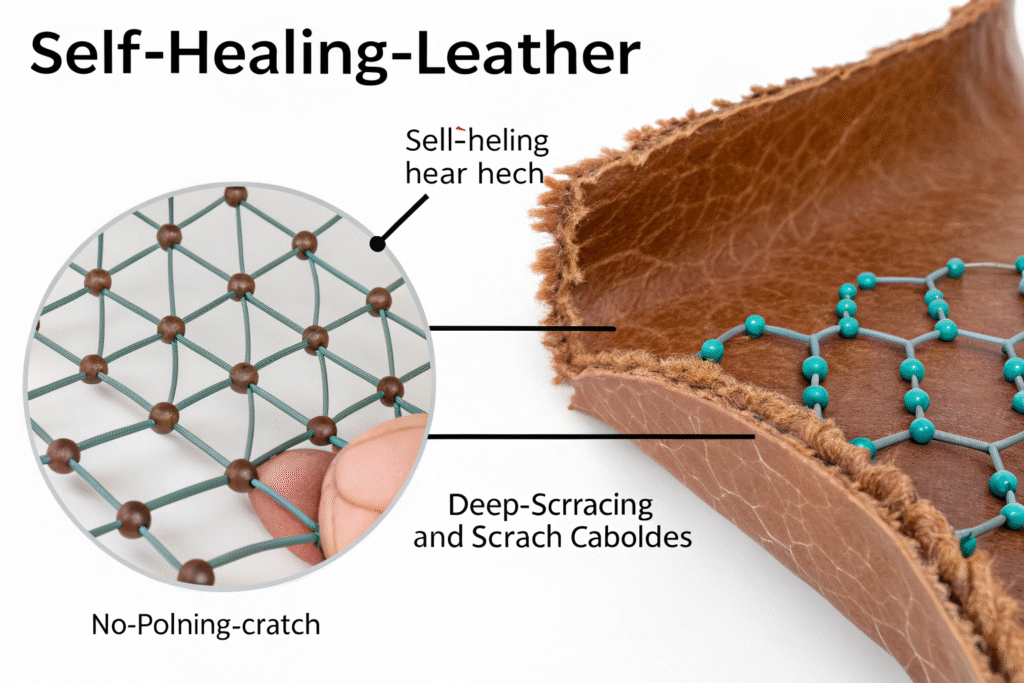
Self-healing leather is not a single material but a category of advanced leathers treated with technologies that enable them to repair minor surface damage autonomously. The "healing" occurs at a microscopic level, often triggered by ambient heat (like body warmth or sunlight) or light pressure. The goal is to reverse or erase small-scale damage that would otherwise accumulate as permanent wear.
True self-healing leather typically utilizes one of two mechanisms: Microcapsule Technology, where millions of tiny capsules filled with a liquid polymer or oil are embedded in the finish; when scratched, the capsules rupture and release their contents to fill the gap, which then cures. Or Dynamic Covalent Bonding/Supramolecular Networks, where the coating or impregnated polymer has chemical bonds that can break and re-form under specific stimuli (like heat), allowing the material to essentially "flow" and mend itself.
How Does Microcapsule Technology Function in Practice?
This method is akin to the technology used in some self-healing paints for cars. During the finishing process of the leather, microcapsules measuring 10-100 micrometers are mixed into the topcoat or impregnated into the leather's upper layers. These capsules have a hard polymer shell surrounding a liquid healing agent (often a silicone-based polymer or specially formulated oil). When a scratch occurs that is deep enough to rupture the capsules along its path, the liquid is released. Through capillary action, it fills the scratch channel. Upon exposure to air or a catalyst present in the leather, the liquid polymerizes or solidifies, effectively sealing the scratch and restoring a smooth surface. The result is that fine scratches and scuffs become virtually invisible within hours or days.
What are Supramolecular Networks and How Are They Triggered?
This is a more advanced, intrinsic healing approach. Here, the leather is treated or coated with polymers that possess dynamic covalent bonds or supramolecular interactions (like hydrogen bonds or ionic bonds). At room temperature, these bonds give the material its solid structure. However, when local heat is applied—from friction, body heat (around 37°C), or even warm water—these bonds temporarily weaken or "unzip." This allows the polymer chains to become mobile at the scratch site. They flow and intermingle, and upon cooling, the bonds re-form, healing the damage. This process can often be repeated many times. This technology is inspired by cutting-edge research in self-healing polymers and represents the high-tech frontier of material science for luxury goods.
What Are the Tangible Benefits for the Premium Consumer?
For the consumer investing $200-$500 or more in a premium belt, the purchase is an emotional and financial commitment. They expect unparalleled quality, but traditional leather, no matter how fine, is inherently susceptible to marks. Self-healing technology directly addresses this pain point, delivering benefits that are immediately perceptible and deeply valued.
The tangible benefits include: dramatically reduced visible wear and tear, preserving the belt's aesthetic investment; significantly lower maintenance burden—less need for conditioners and polishes to mask scratches; enhanced durability of the finish against everyday abrasion; and the psychological satisfaction of owning a product that seems to defy the usual laws of aging, reinforcing its status as a superior object.

How Does It Transform the "Patina vs. Perfection" Dilemma?
Traditional premium leather sells the romance of patina—the soft gloss and darkening that comes from oils and age. However, for many luxury buyers, especially in formal or business contexts, scratches are not desirable patina; they are seen as flaws. Self-healing leather resolves this conflict. It allows the leather to develop a gentle, even sheen from use (a true patina from oil transfer and light exposure) while actively resisting the random, unsightly scratches that can mar its surface. It offers a "controlled aging" process where the belt becomes yours, but only in the most elegant way possible. This caters perfectly to the modern luxury ethos of "quiet luxury" and understated, impeccable taste.
What is the Value Proposition in Terms of Cost-Per-Wear?
A premium belt is an investment. The classic value calculation is Price / Number of Wears. A standard leather belt might look "worn" after 100 wears, reducing its perceived value and the owner's desire to wear it. A self-healing belt that looks pristine after 500 wears effectively reduces its cost-per-wear by 80% or more. It transforms the belt from a item that might be replaced every few years into a decade-long companion. This extraordinary longevity is a powerful selling point that aligns with both economic rationality and sustainable consumption principles.
How Does It Align with Sustainable and Circular Luxury?
The luxury industry faces increasing pressure to substantiate its sustainability claims. Beyond sourcing ethical materials, the most powerful lever for reducing environmental impact is extending the useful life of products. Self-healing leather directly contributes to a circular economy model by designing durability and longevity into the very fabric of the product.
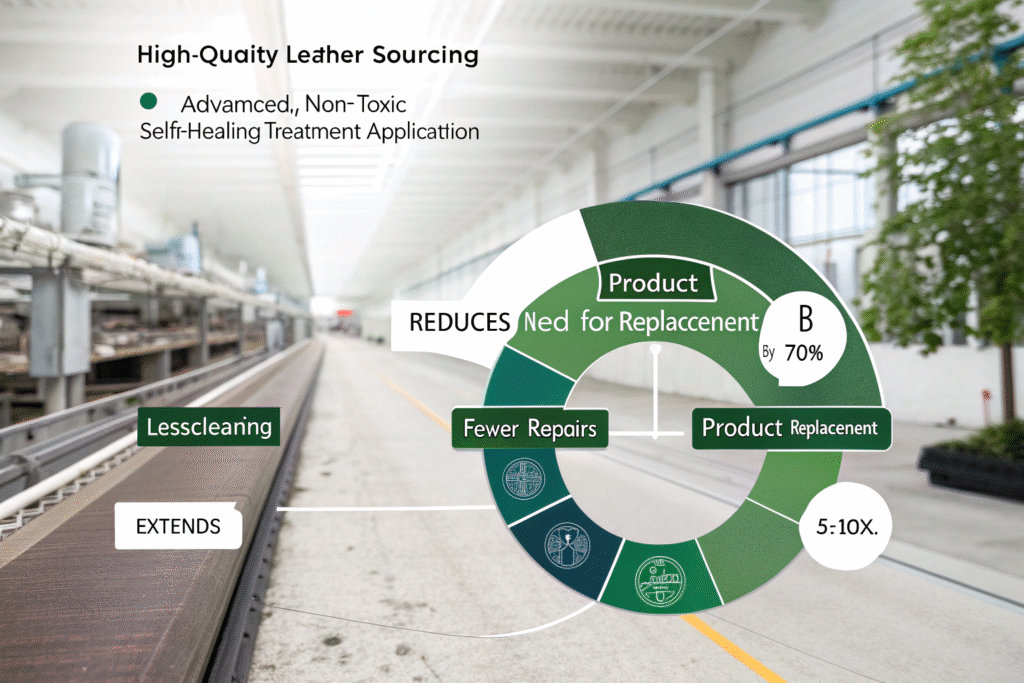
By drastically reducing cosmetic wear, self-healing belts delay and often eliminate the need for replacement, keeping products in use for years longer. This reduces waste, resource consumption for new products, and the carbon footprint associated with manufacturing and shipping replacements. It represents a shift from a linear "take-make-dispose" model to a more circular one, where the highest quality is also the most sustainable choice.
How Does This Compare to Traditional Leather Care?
Maintaining a traditional leather belt often involves a cycle of cleaning, conditioning, and polishing with various chemical products. These products have their own environmental footprint from production and packaging. A self-healing belt requires far less intervention. The need for abrasive polishes or heavy conditioners to mask scratches is minimized. Occasional cleaning with a damp cloth may be all that's needed. This reduction in auxiliary chemical products is a meaningful, if often overlooked, environmental benefit. It supports a low-impact lifestyle that values fewer, better things.
Can It Be Combined with Other Sustainable Practices?
Absolutely. The self-healing treatment should be applied to leather that is already sustainably sourced:
- Vegetable-Tanned Leather: Using self-healing technology on vegetable-tanned leather from responsible tanneries creates a doubly sustainable product—biodegradable at end-of-life and ultra-durable during use.
- Recycled or Upcycled Leather: The treatment can rejuvenate and protect leather made from recycled fibers, giving new life to existing materials.
- Non-Toxic Healing Agents: Leading innovators are developing healing systems based on bio-based oils or non-toxic polymers, ensuring the entire product lifecycle is safer.
This holistic approach allows brands to make a compelling, multi-faceted sustainability claim that is backed by tangible product performance.
What Are the Sourcing and Manufacturing Complexities?
Sourcing self-healing leather is not as simple as ordering a side of calfskin from a tannery's catalog. It is a proprietary, multi-stage process that often involves a partnership between a high-end tannery and a specialty chemical or polymer company. The manufacturing of belts from this material also requires specific handling to preserve its unique properties.
The complexities include: securing a supply of the proprietary treated leather from a limited number of global suppliers; understanding the specific limitations of the healing technology (e.g., depth of repair, required healing time/trigger); adapting belt manufacturing processes (cutting, skiving, edge finishing) to avoid damaging the treated surface layer; and providing clear, accurate care instructions to consumers to manage expectations and maintain performance. It is a low-volume, high-precision supply chain.

How to Vet a Supplier of Self-Healing Leather?
Due diligence is critical to avoid exaggerated claims. Key questions for a tannery or material supplier:
- "What is the specific healing mechanism (microcapsule, supramolecular), and who is your technology partner?" Ask for technical data sheets and patents.
- "What is the demonstrated performance? Can you provide a standardized test report (e.g., Martindale abrasion test with self-healing recovery assessment)?"
- "What are the environmental triggers (heat, time, light) and the typical healing time for a fine scratch? What is the maximum scratch depth/width it can repair?"
- "How does the treatment affect other leather properties (breathability, hand-feel, color fastness)?"
- "What are the MOQs and lead times for this specialized material?" (Expect high minimums and long lead times).
A credible supplier will have samples you can test yourself—make a controlled scratch with a fingernail or a plastic card and observe the healing process over hours/days under normal conditions.
What are the Production and Quality Control Implications?
Working with this material requires a "clean hands" approach:
- Cutting: Use sharp, clean clicker dies. Avoid dragging the material, which could prematurely rupture microcapsules.
- Edging: Edge paint or burnishing must be compatible and not contain solvents that could degrade the healing layer.
- Stitching: Use fine needles and ensure stitching tension is correct to avoid puckering or indenting the leather surface.
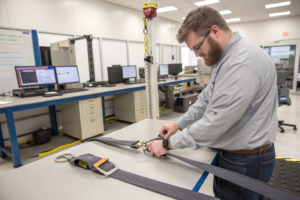
- QC: Final inspection must be even more meticulous. Any deep cut or flaw beyond the healing capability must be rejected, as the expectation of perfection is central to the product's value.
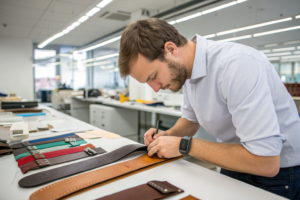
Manufacturers need to be educated partners, not just assemblers. This often means choosing a factory with experience in handling advanced technical materials or working closely with the material supplier to train the production team.
Conclusion
Self-healing leather represents a monumental leap forward for the premium belt category. It successfully marries the timeless appeal and organic beauty of natural leather with space-age material science, creating a product that is both deeply traditional and radically innovative. For the consumer, it delivers on the often-elusive promise of perfection and permanence in a luxury good. For the brand, it offers a powerful point of differentiation, a compelling sustainability narrative, and a product that commands a significant price premium justified by its extraordinary performance.
While sourcing and manufacturing present significant challenges, they are the gatekeepers to a truly transformative product. Brands that successfully navigate this complex supply chain will be able to offer their customers something rare: a belt that not only looks impeccable on day one but has the built-in intelligence to stay that way for years to come, redefining what it means to own a piece of luxury.
If you are aiming to create the definitive premium belt for the 21st century—one that embodies durability, sustainability, and flawless aesthetics—exploring self-healing leather technology is a necessary journey. We have established relationships with pioneers in this field and the manufacturing expertise to handle these advanced materials with care. Contact our Business Director, Elaine, to discuss developing a belt line that defies wear: elaine@fumaoclothing.com. Let's craft the future of leather, today.