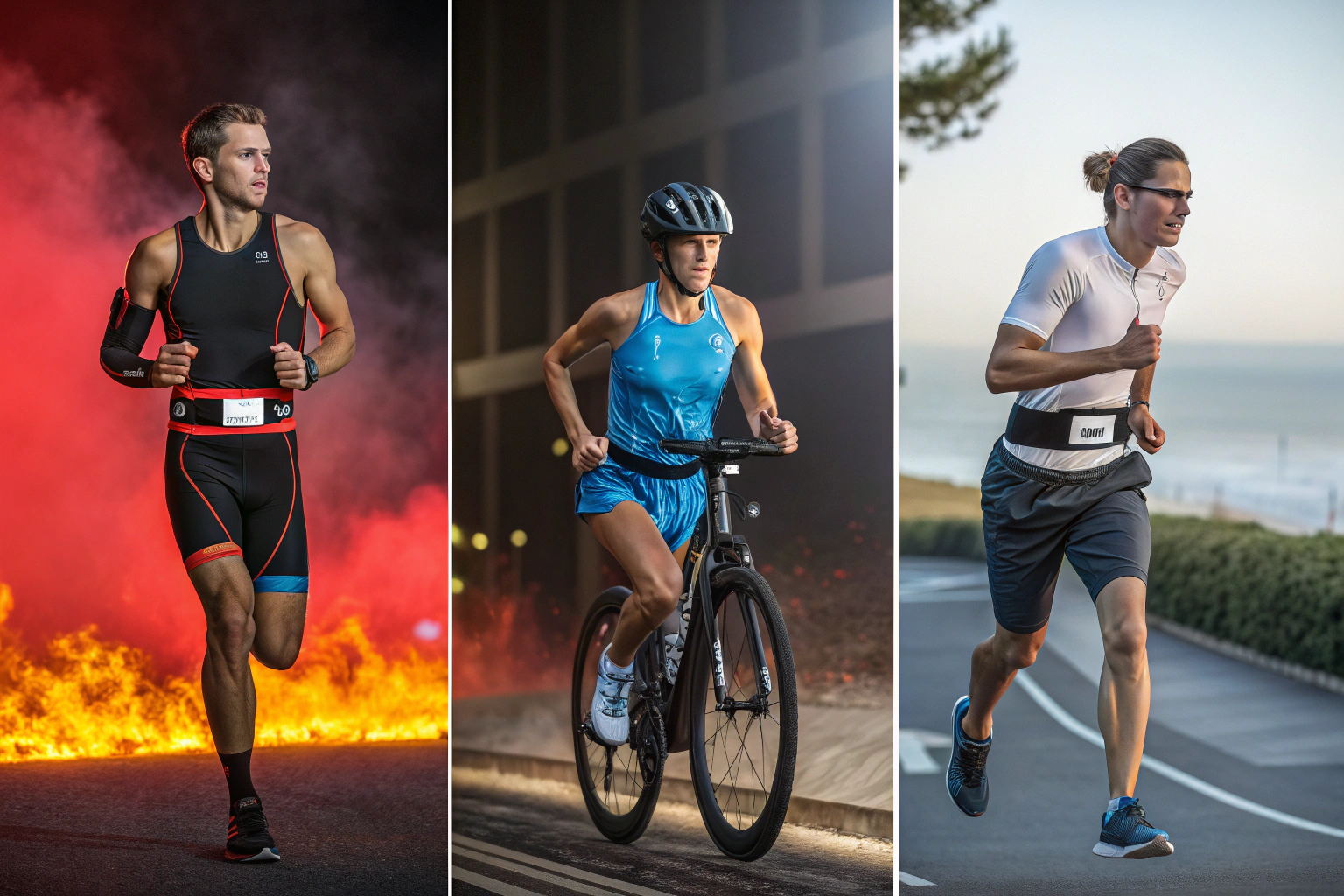
Athletes face significant thermal management challenges during intense physical activity. Traditional belts can create uncomfortable heat buildup, moisture accumulation, and chafing that distracts from performance. As body temperature rises during exercise, athletes need accessories that actively support their body's natural cooling mechanisms rather than contributing to overheating.
Temperature-regulating belts are ideal for athletes because they actively manage microclimate temperature, wick moisture efficiently, prevent chafing through strategic ventilation, and maintain consistent comfort across varying activity levels. These advanced belts utilize phase-change materials, breathable constructions, and moisture-wicking technologies that work with the athlete's body rather than against it during physical exertion.
The intersection of sports science and materials technology has created a new category of performance accessories specifically designed for athletic use. This analysis explores how temperature-regulating technology transforms belt functionality from simple waist management to active performance enhancement.
How Do Phase-Change Materials Enhance Athletic Performance?
Phase-change materials (PCMs) represent the most advanced technology in athletic temperature regulation. These smart materials actively respond to body heat by storing excess warmth during intense activity and releasing it during recovery periods, creating a stabilizing effect on skin temperature.
PCMs work by absorbing thermal energy when changing from solid to liquid, then releasing that energy when reverting to solid. This constant phase-shifting creates a buffer against temperature fluctuations that can distract athletes or reduce performance efficiency.
What Temperature Ranges Are Optimal for Athletic Use?
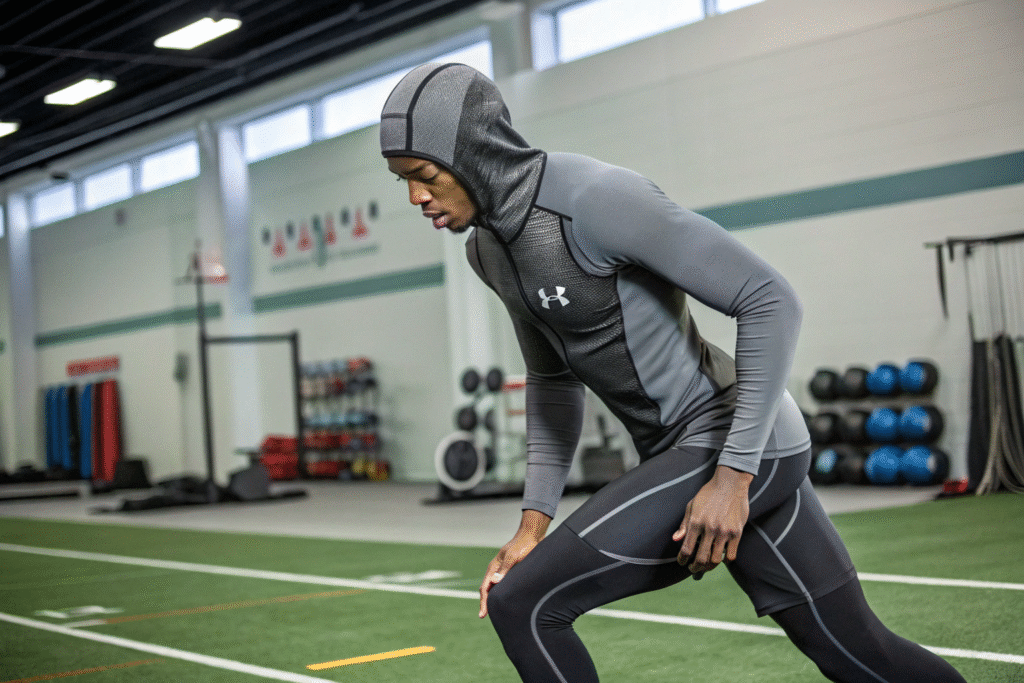
Athletic PCMs are engineered with specific phase-change temperatures between 28°C and 32°C (82°F-90°F), corresponding to typical skin temperatures during moderate to high-intensity exercise. This targeted range ensures the materials activate precisely when athletes need cooling most—during peak exertion when core body temperature rises most dramatically. The technology essentially creates personal air conditioning at the wear point.
How Does Thermal Buffering Prevent Performance Decrement?
Research shows that core temperature increases of just 1-2°C can significantly impair athletic performance through reduced muscle efficiency and increased perceived exertion. PCM-equipped belts create a thermal buffer that delays this temperature rise, allowing athletes to maintain peak performance longer. The effect is particularly valuable in endurance sports where cumulative heat buildup becomes limiting.
What Moisture Management Features Prevent Discomfort?
Beyond temperature regulation, effective moisture management is crucial for athletic comfort. Traditional materials that become saturated with sweat create weight, chafing, and cooling through evaporation that can lead to dangerous heat loss in certain conditions.
Advanced wicking fabrics, strategic ventilation zones, and rapid-drying constructions work together to manage moisture effectively. These features maintain comfort across varying intensity levels and environmental conditions.
How Does Multi-Layer Wicking Technology Work?
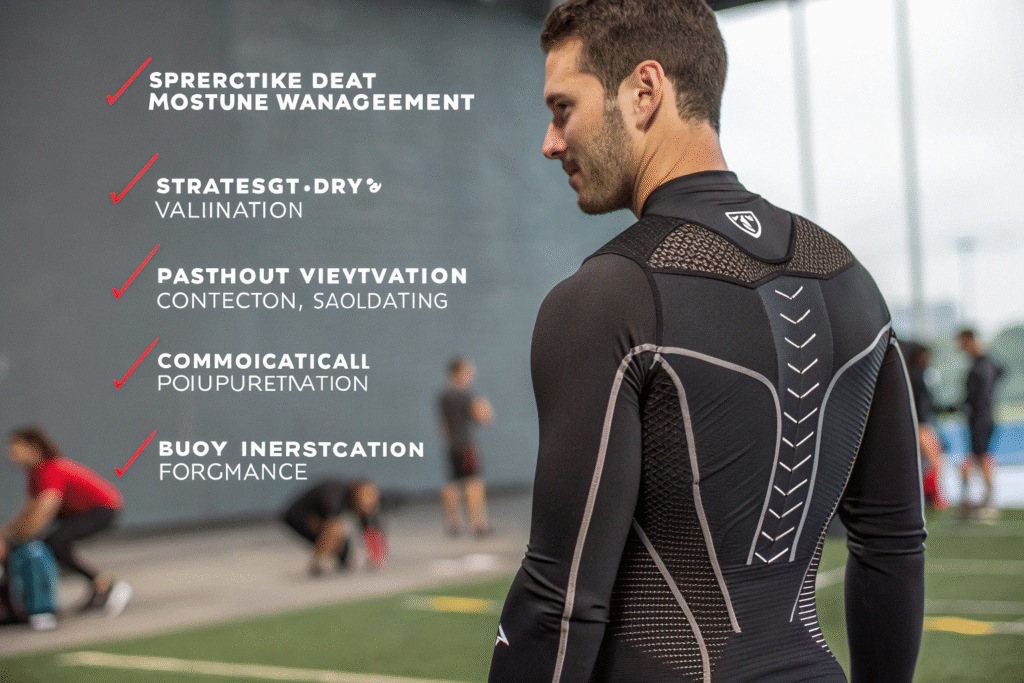
Temperature-regulating belts often utilize gradient wicking systems with hydrophobic inner layers that push moisture away from skin and hydrophilic outer layers that facilitate rapid evaporation. This directional moisture movement prevents the soaked feeling that distracts athletes during intense effort. The system works continuously as activity levels and perspiration rates change.
Why Are Ventilation Zones Critical for Heat Dissipation?
Strategic mesh panels and perforated constructions create airflow channels that facilitate convective cooling exactly where athletes generate the most heat—typically along the spine and abdominal regions. These ventilation zones work synergistically with PCM technology by enhancing the body's natural cooling mechanisms while the materials handle excess thermal load.
What Design Elements Optimize Athletic Movement?
Traditional belt designs often restrict movement or create pressure points during dynamic activities. Temperature-regulating belts incorporate specific design features that accommodate the full range of athletic motion while maintaining consistent contact for thermal regulation.
Four-way stretch materials, anatomical shaping, and minimal-seam construction work together to create belts that move with the athlete rather than against them. These design considerations are as important as the thermal technology itself.
How Does Four-Way Stretch Enhance Mobility?
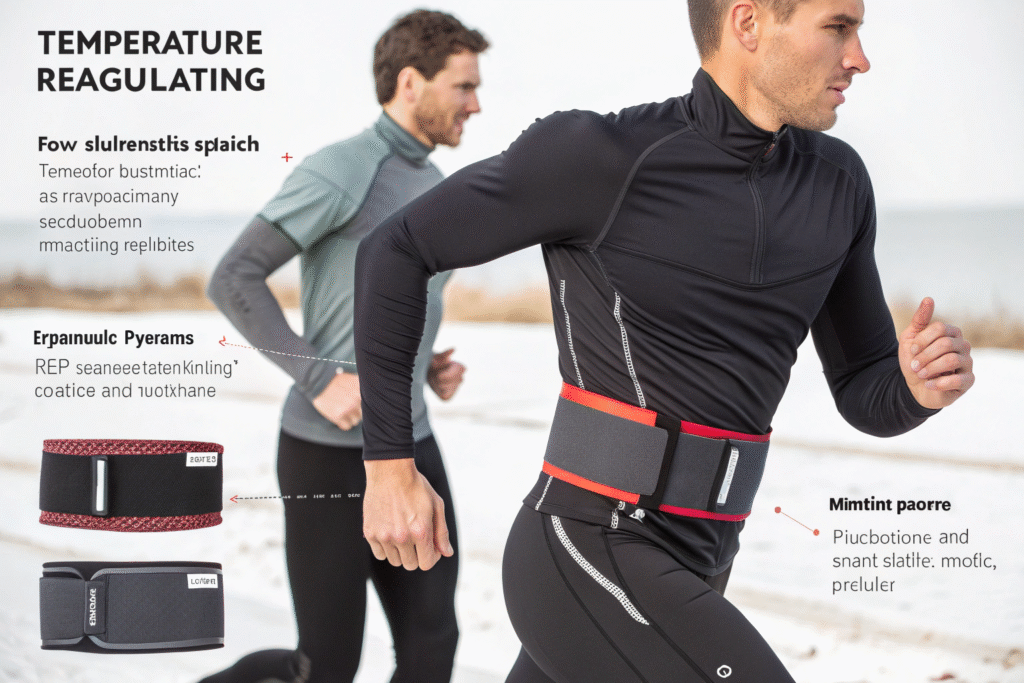
Advanced elastic composites provide multi-directional stretch capability that accommodates bending, twisting, and extending motions without constriction or pressure points. This freedom of movement is essential for sports requiring dynamic trunk movement like tennis, golf, or basketball. The stretch also maintains consistent skin contact necessary for effective thermal regulation.
Why Does Anatomical Shaping Improve Comfort During Activity?
Curved designs that follow natural body contours prevent digging or rolling during flexion and extension movements. This shaping is particularly important in the abdominal region where traditional straight-cut belts can create uncomfortable pressure during deep breathing or core engagement. The ergonomic approach ensures the belt disappears from consciousness during use.
How Do Different Sports Benefit from Specific Features?
Various athletic activities generate distinct thermal and mobility challenges that require specialized belt characteristics. Understanding these sport-specific demands allows for optimized product development and recommendation.
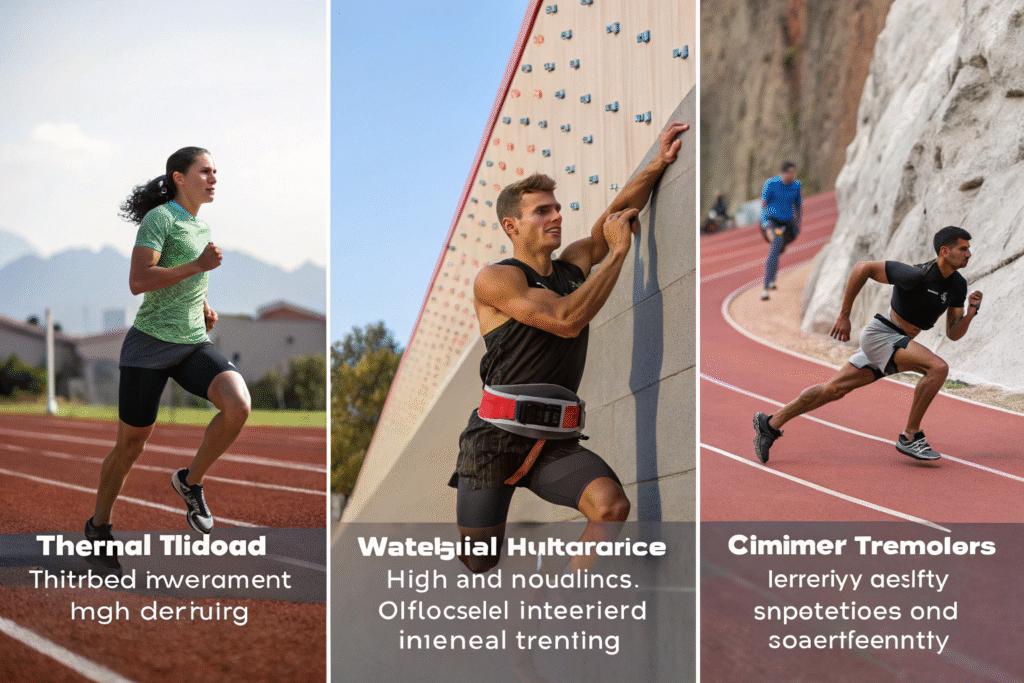
Endurance sports, high-intensity interval training, and outdoor adventure activities each present unique requirements for temperature management and functional design. The most effective belts address these specific use cases.
Why Do Endurance Athletes Need Sustained Temperature Control?
Marathon runners, cyclists, and triathletes experience progressive heat accumulation over extended periods that can dramatically impact performance. Belts with high PCM capacity provide consistent cooling over 2-4 hour activities, delaying the point where heat becomes performance-limiting. The technology is particularly valuable in hot climate events where traditional cooling methods are insufficient.
How Do High-Intensity Athletes Benefit from Rapid Response?
CrossFit, HIIT, and team sport athletes require technology that responds quickly to rapidly changing exertion levels. These athletes benefit from PCMs with faster phase-change cycles and enhanced moisture management that handles sudden perspiration spikes. The quick response prevents overheating during intense bursts while maintaining comfort during brief recovery periods.
| Sport Type | Primary Thermal Challenge | Ideal Belt Feature |
|---|---|---|
| Endurance Running | Progressive heat buildup | High-capacity PCM, minimal bounce |
| Cycling | Restricted airflow, sweat accumulation | Aerodynamic profile, enhanced wicking |
| Team Sports | Variable intensity, impact resistance | Rapid-response PCM, durable construction |
| Outdoor Adventure | Changing environmental conditions | Adaptive insulation, weather resistance |
Conclusion
Temperature-regulating belts represent a significant advancement in athletic accessories, addressing the core physiological challenge of thermal management during physical exertion. By combining phase-change materials, advanced moisture management, and ergonomic design, these belts actively contribute to performance maintenance and comfort enhancement across diverse athletic activities. The technology transforms a simple accessory into an active performance tool that supports athletes in achieving their potential despite the universal challenge of exercise-induced heat stress.
Ready to develop temperature-regulating belts for athletic applications? At StylishBelts, we engineer performance accessories that leverage advanced materials science to enhance athletic comfort and performance. Contact our Business Director Elaine today at elaine@fumaoclothing.com to discuss how our temperature-regulating technology can elevate your athletic product offerings.