You see "aerospace-grade" stamped on products from high-end watch cases to premium belt buckles. It sounds impressive, but what does it truly mean when applied to a functional accessory like a buckle? Is it just marketing hype, or does it translate to tangible benefits for the end-user? The term originates from the most demanding engineering environment on Earth—the skies and beyond—where failure is not an option. Translating that standard to a fashion accessory bridges a vast gap between industrial necessity and consumer luxury.
An aerospace-grade titanium alloy buckle is defined by its material composition, precision manufacturing processes, and rigorous testing standards that meet or exceed the specifications required for aircraft and spacecraft components. It's not just about using titanium; it's about using the right titanium alloy (like Ti-6Al-4V) and processing it with aerospace-level discipline in forging, machining, and finishing to achieve unmatched strength-to-weight ratio, corrosion resistance, and durability.
For brands targeting a high-end, performance-oriented clientele, understanding this distinction is key to authentic marketing and superior product development. Let’s deconstruct the elements that elevate a simple buckle to aerospace caliber.
What Defines "Aerospace-Grade" Titanium Alloy?
The term "aerospace-grade" is not a casual label. It refers to a strict set of material standards governed by international organizations like the SAE International and the Aerospace Materials Specifications (AMS). For titanium, this specifically points to alloys like Ti-6Al-4V (Grade 5), which is the workhorse of the aerospace industry, comprising about 50% of all titanium usage.
Aerospace-grade titanium is defined by its specific chemical composition (6% Aluminum, 4% Vanadium, balance Titanium), its microstructure achieved through controlled thermo-mechanical processing, and its certification to meet mechanical property standards for tensile strength, fatigue resistance, and fracture toughness. This ensures consistency and reliability that commercial-grade metals lack.

Why is Ti-6Al-4V the Industry Benchmark?
Not all titanium is equal. Commercially pure titanium (Grades 1-4) is softer and more malleable. Ti-6Al-4V, or Grade 5, is an alloy. The addition of aluminum increases strength and stability at high temperatures, while vanadium improves ductility and workability. This combination results in a material with a strength-to-weight ratio superior to most steels, but at nearly half the weight. For a buckle, this means exceptional strength without adding bulk or weight to a leather belt or tactical belt. Its corrosion resistance is also innate, requiring no plating or coating to resist sweat, saltwater, or chemicals—a key requirement for aerospace components exposed to extreme environments.
How Does Manufacturing Process Affect the Grade?
The "grade" is locked in during manufacturing. Aerospace components are typically forged, not cast. Forging aligns the metal's grain structure, creating a part that is stronger and more resistant to fatigue and impact. For buckles, this means starting with a forged billet of certified Ti-6Al-4V. Machining must then be done with rigid, high-precision CNC machines using specialized tools (often diamond-coated) to cut the hard material without inducing stress fractures. Each step, from heat treatment (solution treating and aging) to final finishing, is documented and controlled. This traceability is a hallmark of aerospace manufacturing, ensuring every buckle in a batch performs identically.
What Performance Advantages Does It Offer for Buckles?
Translating aerospace specs to a belt buckle isn't about surviving supersonic flight; it's about delivering ultimate performance in daily wear. The advantages are real, tangible, and highly valued by discerning customers who prioritize longevity, comfort, and reliability in their gear.
The performance advantages of an aerospace-grade titanium buckle are: exceptional strength with minimal weight, eliminating belt sag; complete immunity to corrosion from sweat, weather, and salt; superior durability and scratch resistance (especially with bead-blasted or tumbled finishes); and hypoallergenic properties, making it ideal for sensitive skin. It is the ultimate "buy-it-for-life" material for hardware.
How Does the Strength-to-Weight Ratio Impact Wearability?
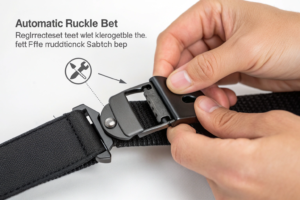
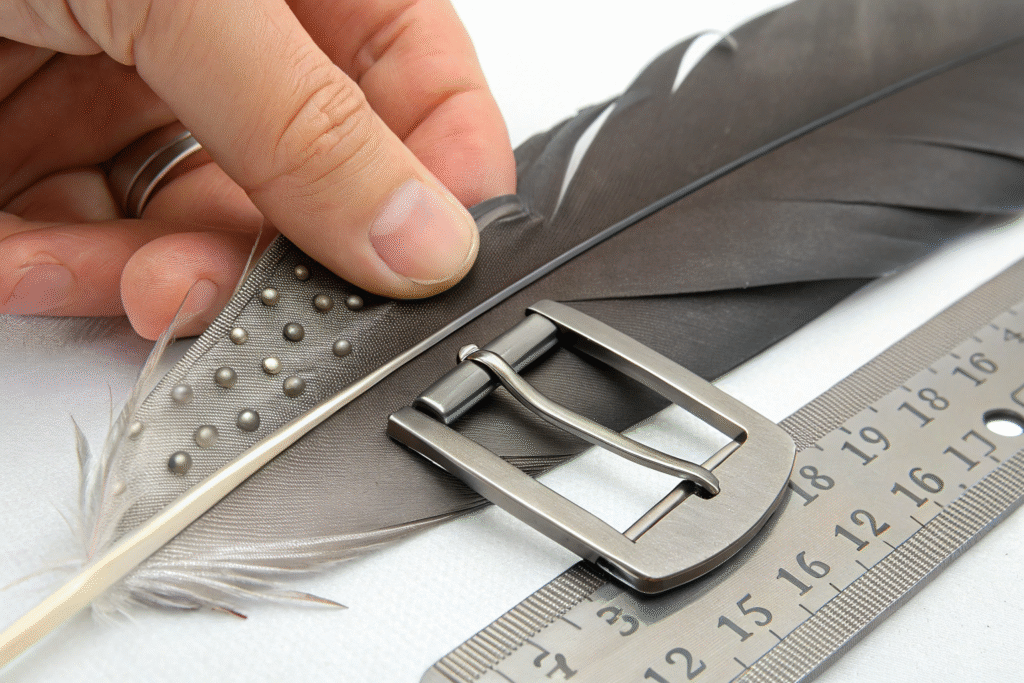
A heavy steel buckle, especially on a wide belt or dress belt, can cause the belt to sag or droop over the day, distorting the fit and look. A titanium buckle of the same size can be up to 45% lighter while being equally or more strong. This means the belt hangs naturally, maintaining a clean silhouette. This is critical for both formal wear where appearance is paramount, and for outdoor activities where every ounce counts and gear must stay in place. The high strength also allows for more intricate, slender designs in a buckle—like thin pin buckle frames or delicate automatic buckle mechanisms—without fear of bending or breaking.
Why is Corrosion Resistance a Game-Changer for Longevity?
Unlike plated brass or steel buckles which can tarnish, chip, or rust when the plating wears off, titanium forms a passive oxide layer that instantly self-repairs if scratched. This makes it impervious to sweat—a major issue for men's belts—saltwater, chlorinated pools, and most chemicals. A titanium buckle will look the same after years of use as it did on day one, with only a natural patina developing on some finishes. This aligns with the ethos of sustainable fashion by creating a product that doesn't need replacement due to material degradation. For our clients in the marine or adventure sports markets, this is a top-selling feature.
How is an Aerospace-Grade Buckle Manufactured and Tested?
The journey from a certified titanium billet to a finished buckle is where the aerospace pedigree is either earned or lost. It requires specialized equipment, skilled machinists, and a quality control regimen that mirrors that of an aircraft parts supplier. This process is fundamentally different from stamping or casting common buckle materials.
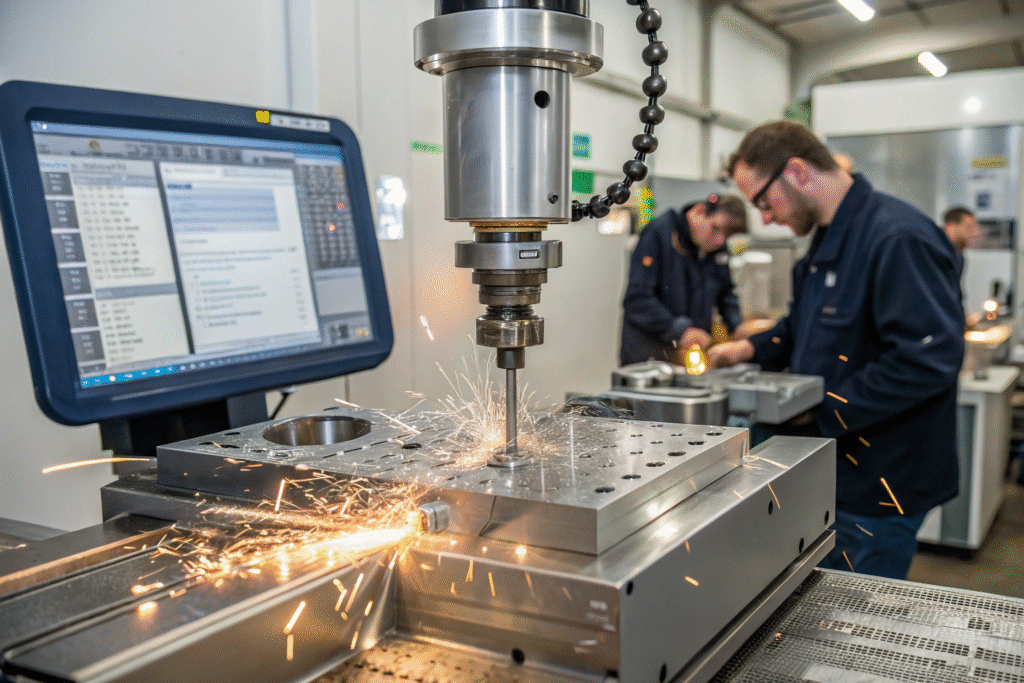
Manufacturing involves precision CNC machining from solid forged billet, often using 5-axis machines for complex geometries. Post-machining, the buckles undergo stress-relief heat treatment, meticulous surface finishing (like media tumbling or precision milling), and finally, rigorous testing for dimensional accuracy, material integrity, and mechanical function.
What are the Key Machining and Finishing Challenges?
Titanium is notoriously difficult to machine. It has a low thermal conductivity, meaning heat builds up at the cutting point and can ruin tools and the workpiece. It's also "gummy," tending to weld to cutting tools. This requires:
- Specialized Tooling: Carbide or diamond-coated tools.
- Precise Parameters: Low cutting speeds, high feed rates, and high-pressure coolant.
- Expert Programming: CNC paths must minimize tool engagement to manage heat.
Finishing is equally important. Aerospace finishes are often functional. A smooth, polished finish reduces friction; a bead-blasted matte finish hides minor scratches; a tumbled finish creates a uniform, comfortable texture. Deburring—removing all sharp edges—is done meticulously by hand to meet aerospace safety standards, resulting in a buckle that feels exceptional to the touch.
What Does Aerospace-Level Testing Involve?
Testing goes far beyond "it looks good." A serious manufacturer will implement:
- Dimensional Inspection: Using optical comparators or CMMs to verify every critical dimension is within tolerances often measured in microns.
- Material Verification: Using X-ray fluorescence (XRF) guns to confirm the alloy composition matches the certified mill report.
- Functional Testing: Testing the buckle mechanism (spring, lever, pin) for thousands of cycles to ensure reliable operation.
- Surface Quality Check: Under magnification, to ensure no micro-cracks from machining exist.
This data should be part of a quality control certificate pack that can be provided to buyers, offering undeniable proof of the product's pedigree. For a buyer like Ron, concerned with quality control and certification, this documentation is invaluable.
What is the Market Appeal and Justified Premium?
Aerospace-grade titanium buckles command a significant price premium over standard zinc alloy, brass, or steel buckles. For brands, justifying this cost to retailers and end consumers requires a clear communication of value that resonates with specific market segments. The appeal is not universal, but intensely powerful within its niche.
The market appeal lies in targeting luxury, performance, and "buy-it-for-life" segments. The justified premium is based on the extraordinary material cost, the expensive and slow manufacturing process, the unparalleled durability leading to zero replacement cost, and the technical story that appeals to engineers, professionals, and outdoor enthusiasts who appreciate true innovation over marketing.
Who is the Target Customer for Such a Product?
This product speaks to several overlapping demographics:
The Technical Connoisseur: Engineers, pilots, architects, and professionals who understand material science and appreciate the engineering story.
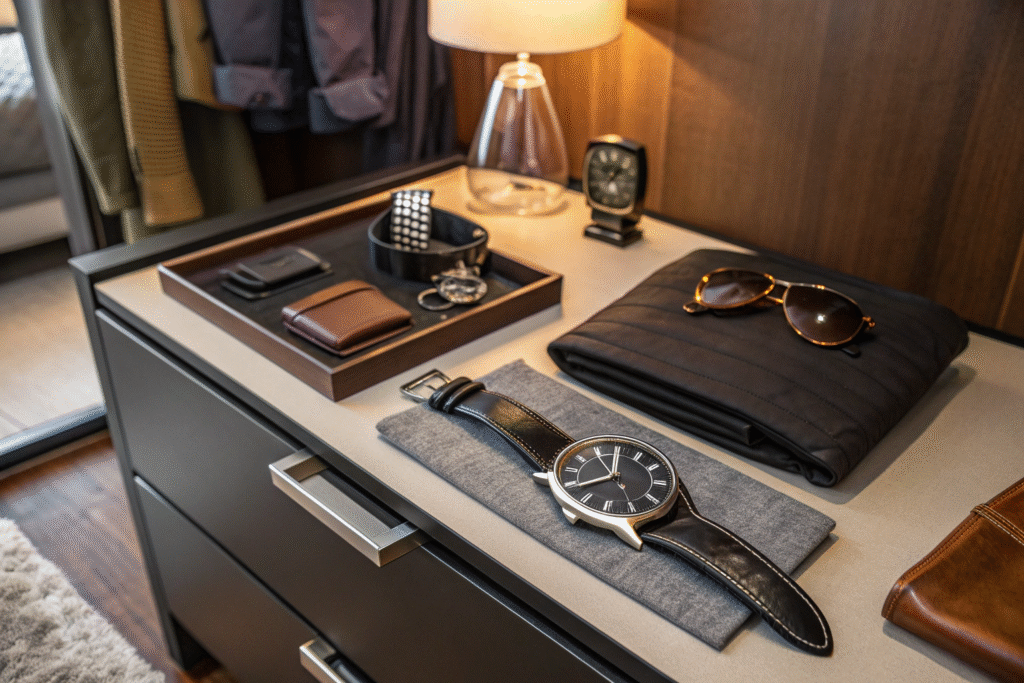
The Luxury Seeker: Customers who value rarity, craftsmanship, and owning the "best" version of an everyday item. It complements a luxury watch or pen.
The Performance User: Military, law enforcement, mountaineers, and sailors who need gear that is utterly reliable in harsh conditions. For a tactical belt or sailing accessory, it's a functional upgrade.
The Sustainability Advocate: The individual who prefers a one-time purchase of a durable item over disposable fashion. This aligns with the circular economy principle.
How Can Brands Communicate the Value Effectively?
Marketing must educate, not just claim. Instead of just "aerospace-grade," explain: "Machined from solid Ti-6Al-4V billet, the same alloy used in aircraft landing gear." "Weighs 45% less than steel, eliminating belt sag." "Hypoallergenic and corrosion-proof, guaranteed for life." Use visuals of the machining process, close-ups of the grain structure, and graphs of the strength-to-weight ratio. Offer the material certification upon request. This transparency builds immense trust and turns the buckle from an accessory into a piece of investment-worthy gear. For a brand, offering such a product elevates the entire collection's perceived value.
Conclusion
"Aerospace-grade" for a titanium alloy buckle is a substantive claim rooted in material science, precision engineering, and rigorous validation. It transcends marketing to deliver real-world benefits of unmatched strength, featherlight comfort, and lifelong corrosion resistance. For brands, it represents an opportunity to access high-margin, discerning market segments by offering a product whose quality is palpable and whose story is authentic.
Sourcing such a component requires a manufacturer with metallurgical expertise, advanced machining capabilities, and a quality culture akin to aerospace suppliers. The investment is higher, but the result is a product that defines the pinnacle of the category—a buckle that isn't just worn, but relied upon.
If you are developing a high-end line where performance, luxury, and authenticity are paramount, an aerospace-grade titanium buckle can be your signature hardware. We specialize in the precise machining and finishing of advanced alloys for demanding applications. To explore how this superior material can define your next collection, contact our Business Director, Elaine, at elaine@fumaoclothing.com for a technical consultation. Let's engineer excellence together.