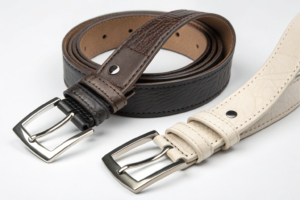
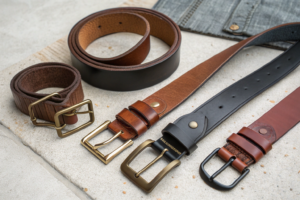
The fashion industry is undergoing a long-overdue transformation as disability inclusion moves from peripheral consideration to central design principle. Adaptive buckles represent a critical innovation in this evolution, addressing fundamental accessibility challenges that have traditionally excluded people with disabilities from fashion-forward accessories. These specialized fastening systems do more than merely function—they restore independence, dignity, and personal expression for individuals whose needs have been largely ignored by mainstream fashion.
Adaptive buckles are crucial for disability fashion because they enable independent dressing, accommodate limited dexterity, ensure safety during use, provide adjustable comfort for changing needs, and deliver psychological benefits through fashionable self-expression. Unlike traditional buckles that require precise fine motor skills, strength, and bilateral coordination, adaptive designs utilize magnetic, lever-based, and hook-and-loop systems that can be operated with limited grip strength, single-handed use, or various other physical capabilities. This thoughtful engineering transforms belts from daily obstacles to empowering accessories.
Understanding why adaptive buckles matter reveals how inclusive design benefits not only the disability community but creates better products for everyone. The principles of ease, safety, and flexibility that define adaptive buckles represent universal design values that can enhance all fashion accessories.
What Functional Benefits Do Adaptive Buckles Provide?
Adaptive buckles address specific physical challenges through targeted engineering solutions that restore dressing independence.
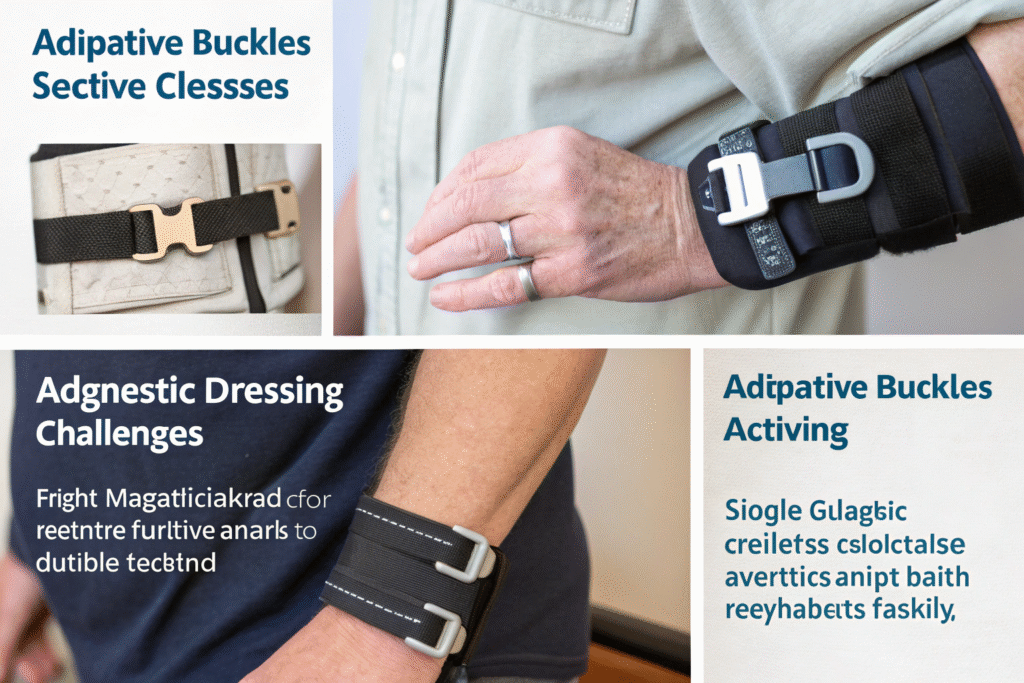
How Do They Address Dexterity Limitations?
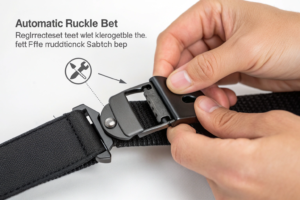
Adaptive buckles utilize engineering principles that eliminate the precise finger positioning and strength requirements of traditional belt fasteners. Magnetic systems bring buckle components together through proximity rather than precision alignment, then secure with audible clicks that confirm proper engagement. Lever-activated mechanisms replace the push-pull action of traditional tongue buckles with simple downward pressure that can be applied with palms, wrists, or even assistive devices. These design approaches accommodate the reduced grip strength, joint pain, and limited finger mobility associated with conditions like arthritis, Parkinson's disease, or cerebral palsy.
The functional advantage extends to the complete fastening process, not just the final connection. Traditional belts require threading leather through buckles—a two-handed task requiring visual precision and fine motor control. Adaptive designs often eliminate threading entirely through side-entry systems, magnetic connections that don't require precise alignment, or hook-and-loop systems that fasten at any position. This comprehensive rethinking of the belting process addresses the full sequence of dressing challenges rather than just the final fastening moment.
What Safety Features Prevent Accidents or Discomfort?
Adaptive buckles incorporate safety considerations that address risks traditional buckles create for people with disabilities. Quick-release mechanisms allow immediate removal without complicated manipulations—critical for managing medical devices, accessing ports, or responding to bathroom needs. Smooth, rounded edges prevent skin tearing or pressure points for individuals with sensitive skin or circulation issues. Non-perforated designs eliminate the discomfort of traditional belt holes that can create pressure points or catch on medical equipment.
The safety considerations extend to emergency situations where traditional belts might create dangerous entrapment. Magnetic systems with specific release force requirements provide security during normal use while allowing intentional detachment when needed. Breakaway designs incorporate tension limits that release under excessive force, preventing accidents if belts catch on objects. These safety features address both daily comfort and emergency scenarios that are often overlooked in conventional belt design.
How Do Adaptive Buckles Support Psychological Well-Being?
Beyond physical functionality, adaptive buckles deliver significant psychological benefits by restoring fashion as a means of self-expression.
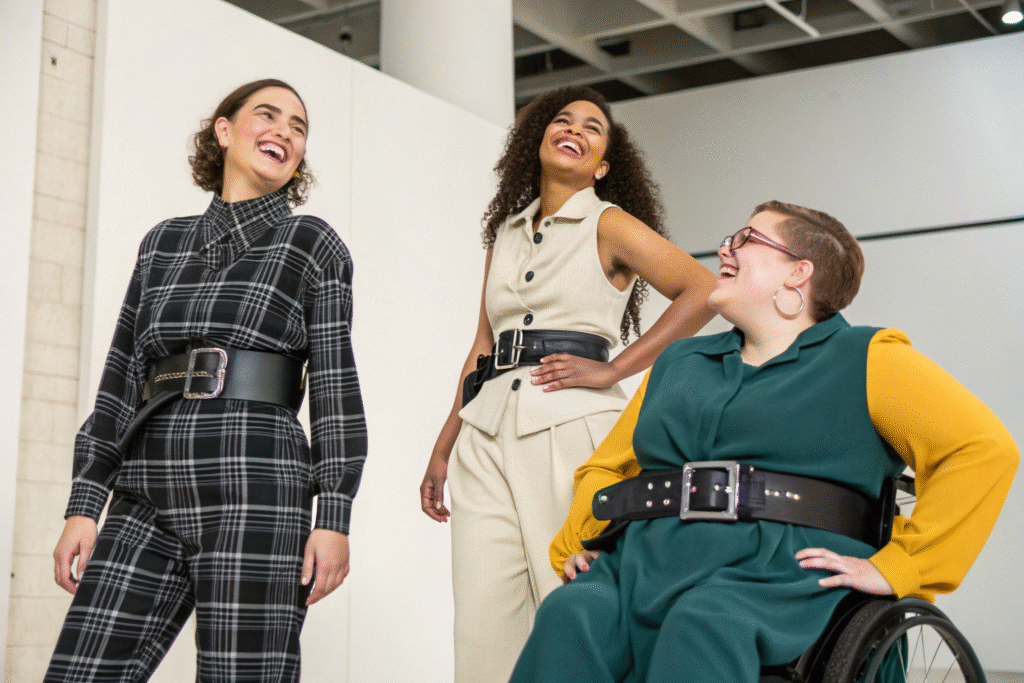
How Does Fashion Inclusion Impact Self-Image?
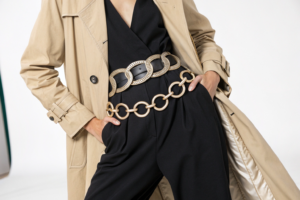
Adaptive buckles that maintain aesthetic appeal help prevent the "medicalization" of disability where functional items signal difference rather than style. By incorporating adaptive mechanisms into fashionable designs—sleek magnetic closures that resemble modern jewelry, decorative lever systems that become design features—these buckles transform assistive devices into style statements. This approach recognizes that fashion serves as personal expression and social signaling, not just body covering, for people with disabilities just as it does for everyone else.
The psychological impact extends to social participation, where clothing that feels fashionable rather than functional reduces self-consciousness in public settings. Individuals report greater confidence attending social events, professional settings, and public gatherings when their clothing aligns with personal style rather than announcing accessibility needs. This normalization of adaptive features within fashion contexts helps reduce the stigma associated with disability while validating that style matters across all human experiences.
What Role Does Dressing Independence Play?
The ability to dress independently represents a significant psychological milestone that adaptive buckles help restore or maintain. For individuals acquiring disabilities later in life, losing the ability to fasten traditional belts can represent yet another independence loss in a series of difficult adjustments. Adaptive buckles that restore this capability provide meaningful victories that support positive adjustment to changing abilities. For those with congenital disabilities, independent dressing represents developmentally appropriate autonomy that traditional fashion often denies.
The independence benefit extends beyond the physical act to emotional well-being. Choosing clothing, expressing personal style, and managing one's appearance are fundamental aspects of identity and autonomy. Adaptive buckles that make these activities accessible help prevent the psychological dependence that can develop when individuals must constantly rely on others for basic daily activities. This preservation of autonomy supports overall mental health and quality of life beyond the practical convenience of independent dressing.
What Design Innovations Characterize Adaptive Buckles?
Adaptive buckles incorporate specific engineering solutions that address distinct accessibility challenges while maintaining fashion integrity.
| Design Innovation | Functional Benefit | User Impact |
|---|---|---|
| Magnetic Closure Systems | No precision alignment required | Enables operation with limited dexterity or vision |
| Lever-Activated Mechanisms | Converts pressure into secure fastening | Works with limited grip strength or single-hand use |
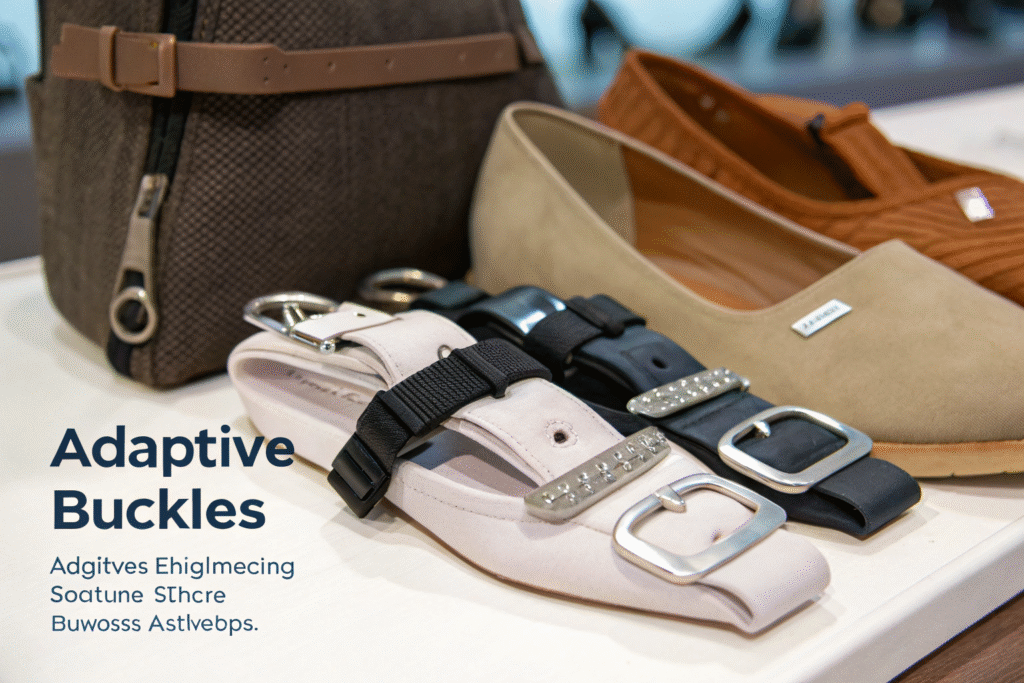
| Hook-and-Loop Integration | Adjustable along entire length | Accommodates fluctuating body size or medical devices |
| Extended Leverage Handles | Increases mechanical advantage | Reduces strength requirements for operation |
| Audible/Tactile Feedback | Confirms secure fastening | Provides confidence for users with vision limitations |
How Do Magnetic Systems Enhance Usability?
Modern magnetic buckle systems utilize precisely calibrated magnet strengths that balance security with accessibility. Neodymium magnets provide sufficient holding power for daily activities while allowing intentional separation with specific techniques—typically a twisting motion that breaks the magnetic seal. This approach prevents accidental opening while accommodating users who lack the grip strength to operate mechanical latches. The most sophisticated magnetic systems incorporate guide geometries that help align components through physical channels rather than requiring visual precision.
The usability advantages extend to learning curves and fatigue reduction. Magnetic systems typically require minimal instruction compared to mechanical alternatives, with intuitive operation that feels natural from first use. The reduced physical effort required for fastening prevents the fatigue that can make dressing exhausting for individuals with energy-limiting conditions. This combination of intuitive operation and minimal exertion makes magnetic systems particularly valuable for daily wear where conservation of energy matters.
What Role Do Leverage-Based Mechanisms Play?
Adaptive buckles utilizing lever principles transform limited force into secure fastening through mechanical advantage. Rather than requiring pin-point pressure on small components, lever systems distribute force across larger surfaces that can be activated with palms, the side of a hand, or even adaptive tools. The most effective designs incorporate progressive resistance that provides tactile feedback throughout the fastening process, confirming successful operation without visual verification—particularly valuable for users with vision impairments.
The leverage advantage extends to release mechanisms, where traditional buckles often require simultaneous pushing and pulling that challenges coordination. Adaptive lever systems typically utilize single-action release—often a simple press or lift—that can be accomplished with various body parts or assistive devices. This simplified operation prevents the frustration of "buckle battles" where users understand how a mechanism should work but cannot execute the precise motor sequence required.
How Is the Adaptive Fashion Market Evolving?
The growing recognition of disability fashion as a substantial market segment is driving innovation and availability of adaptive buckles.
What Business Factors Support Market Growth?
The adaptive clothing market is experiencing significant growth driven by demographic trends, increased disability awareness, and regulatory developments. Aging populations with changing abilities represent a substantial consumer base, while the disability rights movement has raised awareness of fashion inclusion as a civil rights issue. Additionally, regulatory frameworks like the Americans with Disabilities Act have begun recognizing access to fashion as part of broader accessibility considerations, creating both moral and legal imperatives for inclusion.
The business case extends beyond the disability community to the broader concept of "universal design" that benefits multiple user groups. Adaptive buckles that help people with disabilities also assist aging individuals with diminishing dexterity, parents managing children while dressing, or anyone needing quick fastening in limited-mobility situations. This expanded market understanding helps justify development costs while creating products that serve broader audiences through inclusive rather than segregated design approaches.
How Are Mainstream Brands Responding?
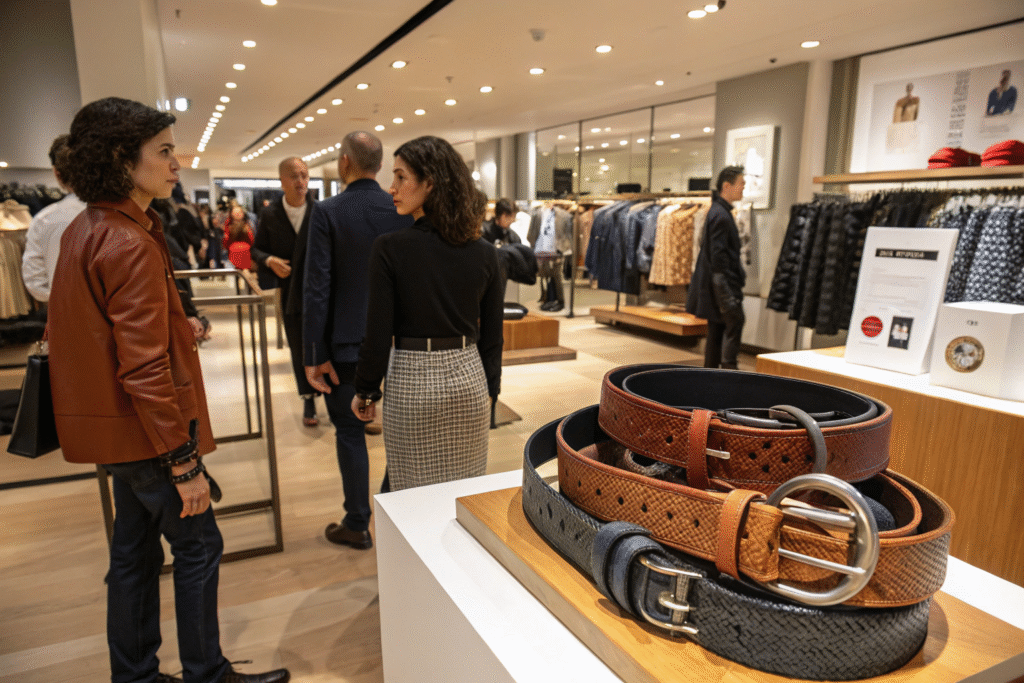
Increasingly, mainstream fashion brands are incorporating adaptive elements into their core collections rather than treating them as separate product lines. This integration normalizes adaptive features while leveraging existing design, manufacturing, and distribution capabilities. The most successful implementations maintain fashion aesthetics while incorporating accessibility, demonstrating that style and function need not be competing priorities. This mainstreaming approach helps reduce the premium pricing that often plagues specialized adaptive products while increasing availability through existing retail channels.
The brand response includes collaboration with disability communities through inclusive design processes that engage people with disabilities as co-creators rather than just consumers. These partnerships identify real-world challenges and validate solutions throughout the design process, preventing well-intentioned but impractical adaptations. The resulting products typically work better while building brand loyalty within disability communities that appreciate being consulted rather than simply sold to.
Conclusion
Adaptive buckles represent far more than technical innovations—they embody the fashion industry's growing recognition that disability inclusion is both a moral imperative and substantial market opportunity. By addressing specific functional challenges while maintaining fashion integrity, these buckles restore dressing independence and self-expression for people whose needs have long been marginalized.
The continued evolution of adaptive buckles will likely see further integration of smart technologies, materials science advancements, and even more seamless aesthetic integration. As the disability fashion market grows and inclusive design principles become standard practice, adaptive features will increasingly become expected rather than exceptional elements of fashion accessories.
Ready to incorporate adaptive buckles into your fashion collections? Contact our Business Director, Elaine, at elaine@fumaoclothing.com to discuss our adaptive buckle technologies and design approaches that combine fashion aesthetics with accessibility for inclusive belt collections.