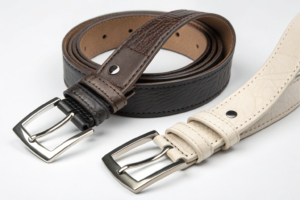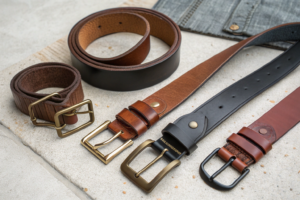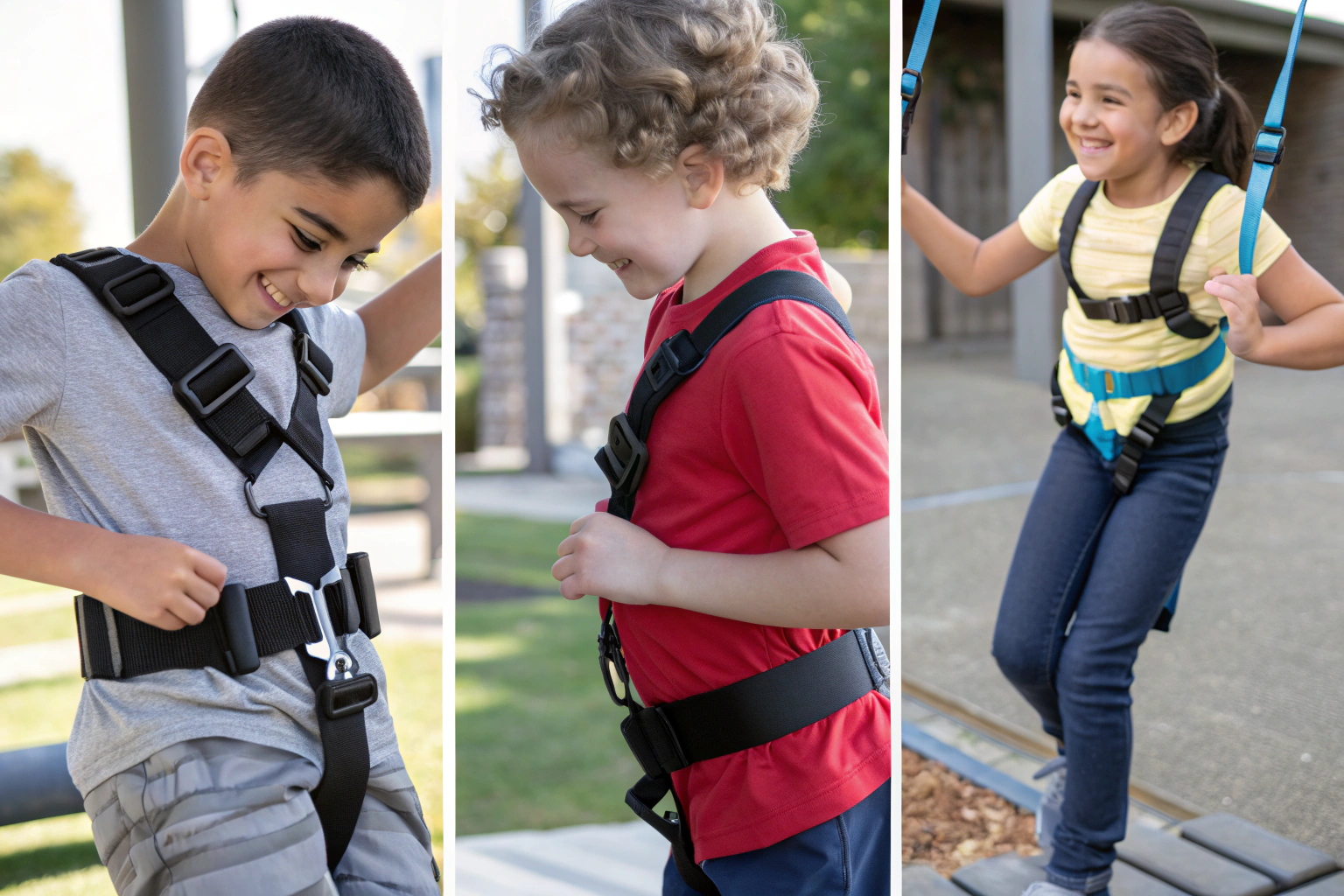
Children's fashion often prioritizes appearance over functionality, but when it comes to belts, the functional aspect becomes critically important for healthy development. Traditional belts with fixed holes create multiple problems for growing children, from discomfort and restricted movement to potential health issues. What makes adjustable belts not just convenient but essential for supporting children's natural growth patterns?
Adjustable belts are crucial for children's growth because they accommodate rapid physical changes, promote proper posture development, eliminate discomfort from restrictive waistbands, and support healthy breathing and digestion. Unlike fixed-hole belts that can constrict a child's abdomen or slip off entirely as they grow, adjustable systems provide consistent comfortable fit through growth spurts, typically offering 6-10 inches of sizing flexibility compared to the 2-3 inch range of traditional belts.
The importance of properly fitting belts extends beyond mere comfort to impact physical development and body awareness. Let's examine the physiological benefits, practical advantages, safety considerations, and developmental impacts that make adjustable belts essential for children.
What Physiological Benefits Support Healthy Development?
Children's bodies undergo constant change, and restrictive clothing can inadvertently impact their physical development. Adjustable belts address these concerns through their adaptable nature.
Physiological benefits include unrestricted diaphragm movement, proper organ positioning, healthy blood circulation, and natural spinal alignment. Each factor contributes to children's overall physical development and comfort.
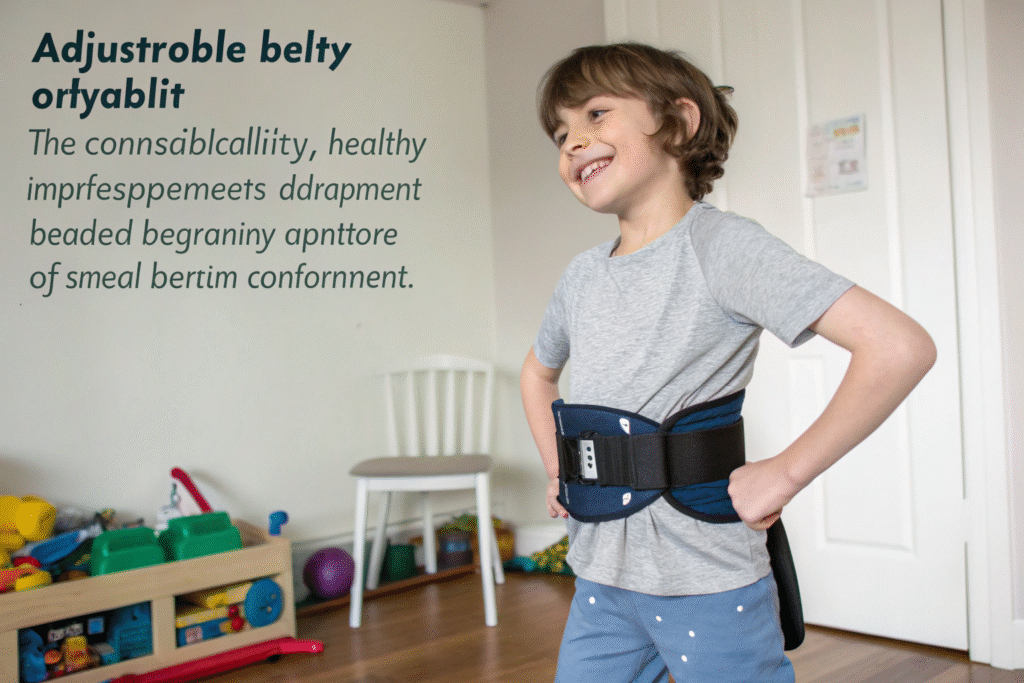
How Do Adjustable Belts Support Proper Posture Development?
Adjustable belts support proper posture development by allowing natural torso movement without constriction, enabling children to sit, stand, and move with correct spinal alignment. Restrictive belts can cause children to adjust their posture to accommodate discomfort, potentially leading to slouching or unnatural positioning. The even pressure distribution of well-designed adjustable belts helps children maintain neutral pelvic positioning, which is crucial for developing healthy posture habits. Research from the American Physical Therapy Association demonstrates how unrestricted movement supports proper musculoskeletal development.
Why is Unrestricted Breathing Important for Growing Children?
Unrestricted breathing is vital for growing children because their respiratory systems are still developing, and constriction around the diaphragm and rib cage can limit lung capacity and oxygen intake. Adjustable belts accommodate the natural expansion of the abdomen and lower rib cage during breathing, unlike fixed belts that may compress these areas. This is particularly important during physical activity when oxygen demands increase. Pediatric health guidelines from the American Academy of Pediatrics emphasize the importance of non-restrictive clothing for children's respiratory health.
What Practical Advantages Benefit Both Children and Parents?
Beyond health considerations, adjustable belts offer numerous practical benefits that simplify daily life for children and their caregivers. These advantages make them superior to traditional belt options.
Practical advantages include longevity through growth stages, easy independence for children, consistent comfort, and reduced clothing expenses. Each benefit addresses common challenges in children's clothing management.
How Much Longer Do Adjustable Belts Last Compared to Traditional Belts?
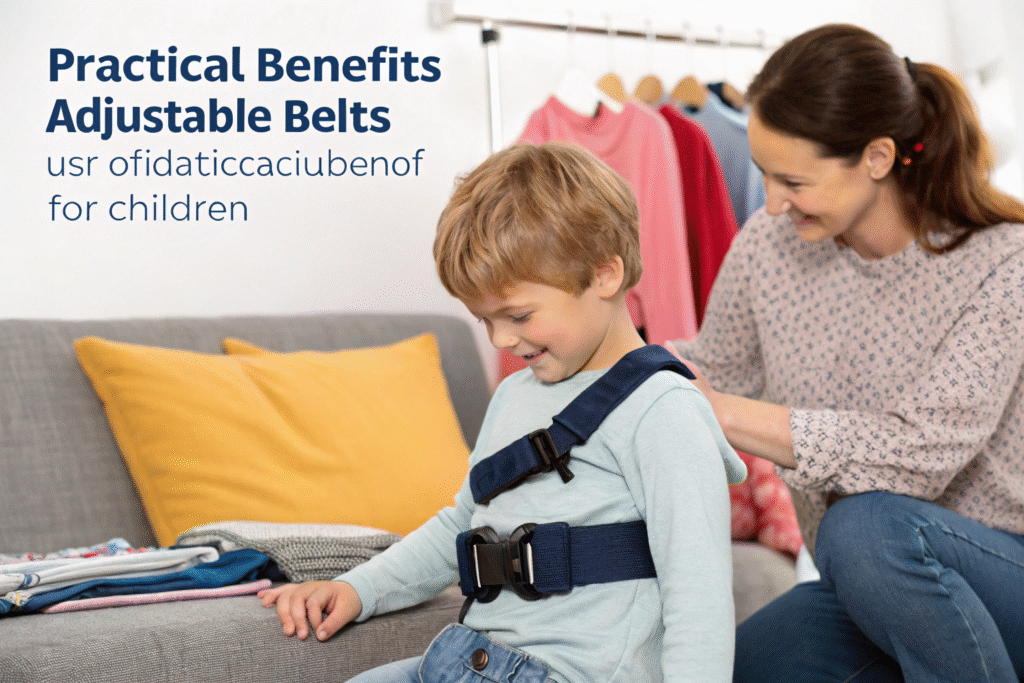
Adjustable belts typically last 2-3 times longer than traditional belts because they accommodate multiple inches of growth rather than becoming obsolete after a single growth spurt. While a traditional belt might fit for 6-12 months, quality adjustable belts can remain functional for 2-4 years, moving with children through multiple clothing sizes. This longevity represents significant cost savings for parents and reduces clothing waste. Consumer data from The NPD Group shows that adjustable children's products have 40% longer usable lifespans than fixed-size alternatives.
Why is Easy Independence Important for Child Development?
Easy independence is crucial for child development because it fosters self-confidence, problem-solving skills, and personal responsibility. Adjustable belts with simple mechanisms allow children to dress themselves from younger ages, developing fine motor skills and autonomy. This independence is particularly valuable in school settings where children need to use restrooms without adult assistance. Child development research from NAEYC (National Association for the Education of Young Children) emphasizes the importance of self-dressing skills in early childhood development.
What Safety Considerations Make Adjustable Belts Essential?
Safety represents a paramount concern in children's products, and belt design significantly impacts injury risk during play and daily activities. Adjustable systems address multiple safety concerns.
Safety considerations include breakaway functionality, non-restrictive movement, absence of protruding elements, and material safety. Each factor reduces potential hazards associated with children's accessories.
How Do Breakaway Mechanisms Prevent Playground Injuries?
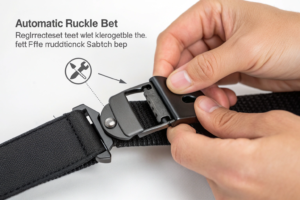
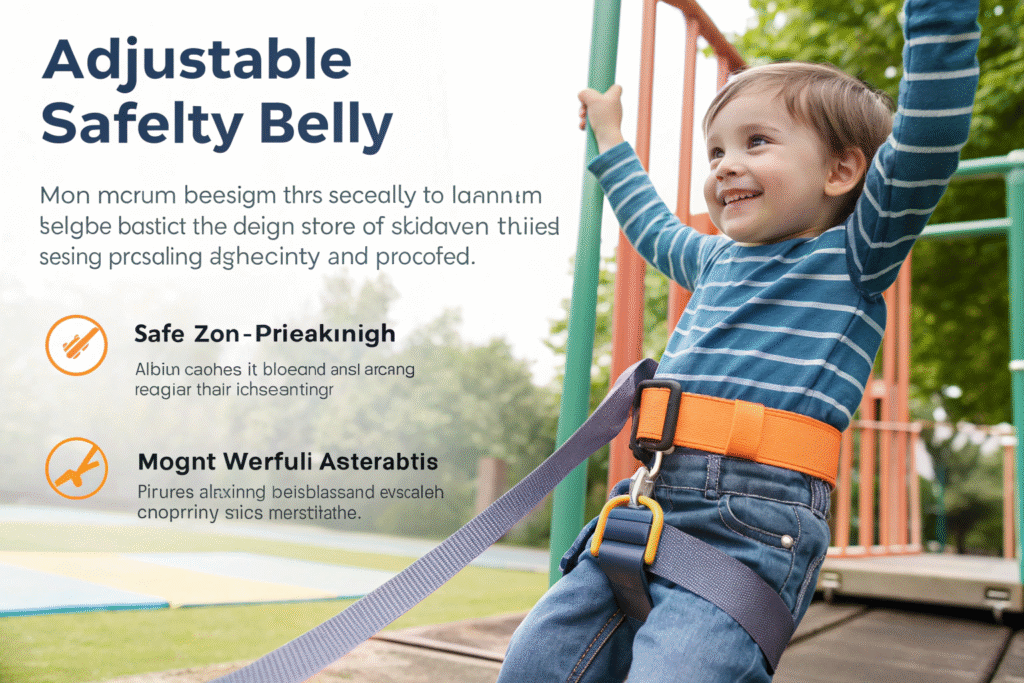
Breakaway mechanisms prevent playground injuries by releasing under excessive force, preventing children from getting caught on equipment or during rough play. These systems use magnetic closures, elastic sections, or specially designed buckles that separate when subjected to sudden pressure, eliminating strangulation and entanglement risks. This safety feature is particularly important for school-aged children who engage in active play without constant supervision. Safety standards from the Consumer Product Safety Commission include specific requirements for children's accessory safety.
Why is Non-Restrictive Movement Crucial for Active Children?
Non-restrictive movement is crucial for active children because it allows full range of motion during running, climbing, bending, and stretching activities. Adjustable belts maintain secure positioning without limiting natural movements, reducing fall risks and supporting physical development. Restrictive belts can cause children to modify their movements to avoid discomfort, potentially leading to awkward positioning that increases injury risk. Pediatric safety guidelines from Safe Kids Worldwide emphasize the importance of unrestricted movement in children's clothing.
How Do Adjustable Belts Support Developmental Milestones?
Children's developmental stages present specific clothing challenges that adjustable belts uniquely address. Understanding these developmental needs ensures belt designs support rather than hinder growth.
Developmental support includes accommodating growth spurts, supporting toilet training, encouraging self-dressing skills, and adapting to changing body proportions. Each aspect aligns with key childhood development stages.
How Do Adjustable Belts Accommodate Rapid Growth Spurts?
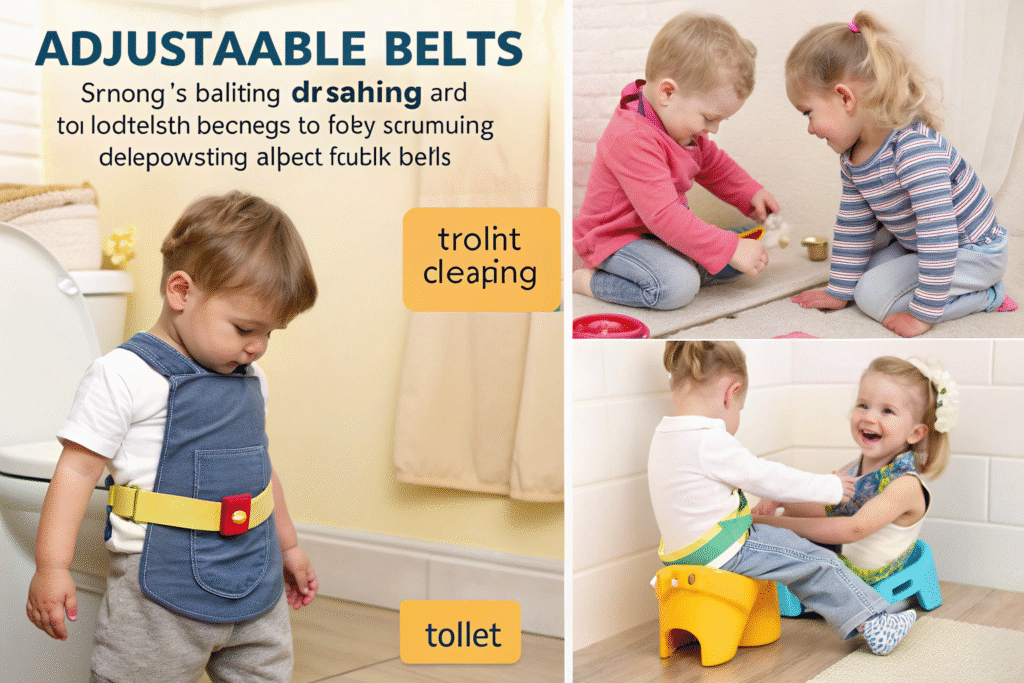
Adjustable belts accommodate rapid growth spurts by providing incremental sizing that can expand as much as 1-2 inches per adjustment, matching the pace of children's physical development. During peak growth periods, children can gain 2-4 inches in waist circumference per year, making traditional belts obsolete within months. The continuous adjustability of modern systems ensures consistent comfortable fit throughout these rapid changes without requiring frequent belt replacements. Growth chart data from the CDC illustrates the variable pace of children's physical development.
Why Are Adjustable Belts Particularly Helpful During Toilet Training?
Adjustable belts are particularly helpful during toilet training because they allow children to easily manage their clothing without adult assistance, promoting independence and success in this crucial developmental milestone. The ability to quickly adjust and fasten belts enables children to respond promptly to bathroom needs, reducing accidents and building confidence. This practical support can significantly impact toilet training timelines and outcomes. Child development resources from Zero to Three highlight the importance of clothing independence in successful toilet training.
Conclusion
Adjustable belts represent more than just practical children's accessories—they are essential tools that support healthy physical development, safety, independence, and comfort throughout childhood. Their design directly addresses the unique challenges of growing bodies while providing practical benefits for both children and caregivers.
The investment in quality adjustable belts pays dividends through supported development, reduced clothing costs, and enhanced safety. If you're developing children's belt collections and seek manufacturing partners who understand these crucial design considerations, our specialized experience in children's products ensures designs that properly support growth and development. Contact our Business Director, Elaine, to discuss how we can create adjustable belts that meet children's unique needs. Reach out to Elaine at elaine@fumaoclothing.com. Let's design accessories that grow with children and support their healthy development.