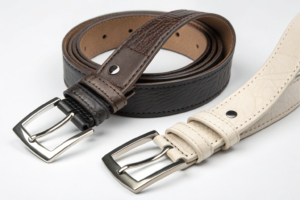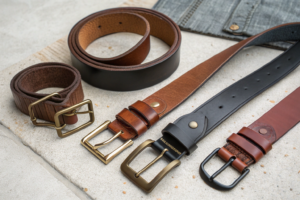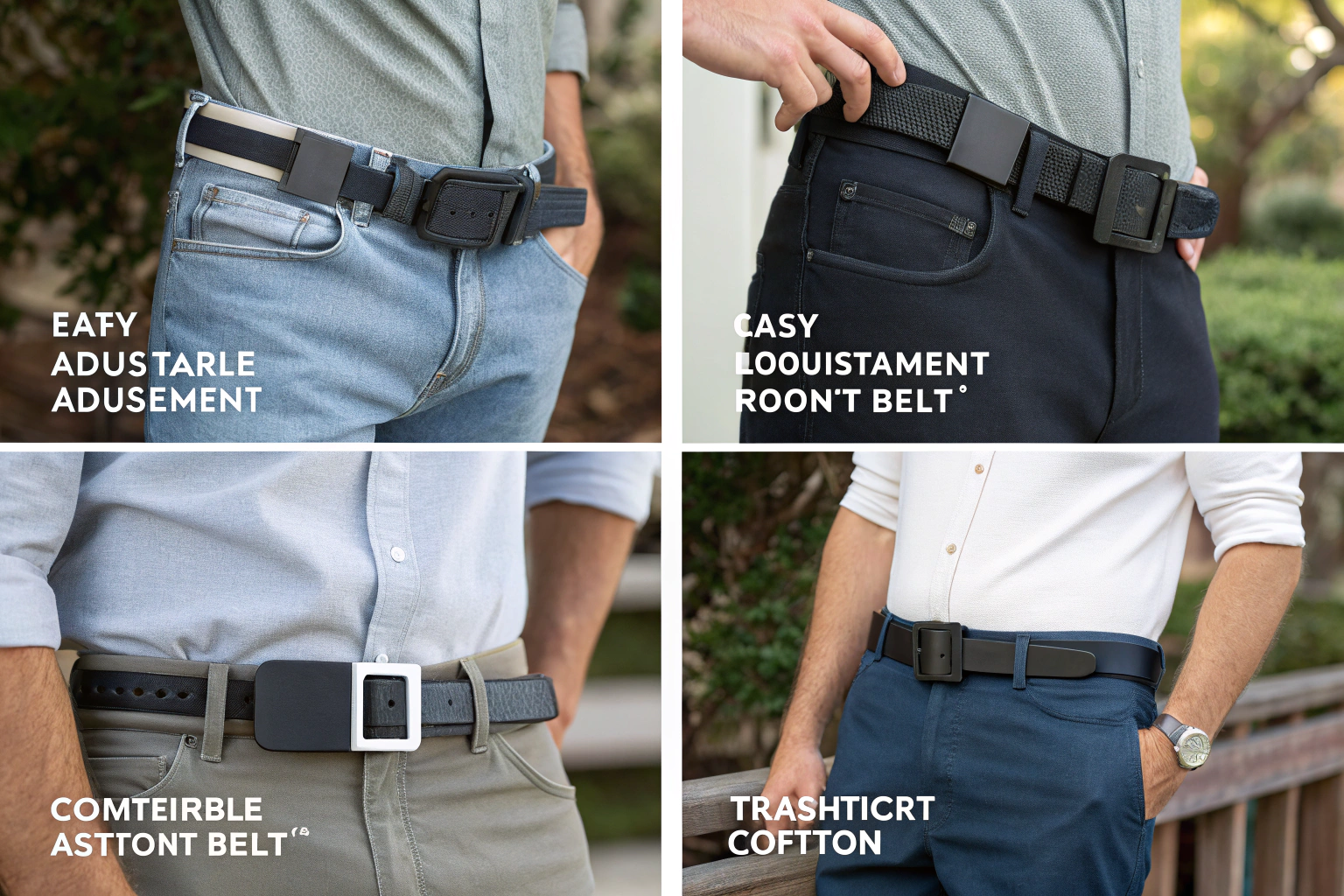
The belt industry has long struggled with high return rates primarily driven by sizing issues, with traditional hole-and-pin belt systems creating fundamental fit limitations. These outdated fastening mechanisms force customers into imperfect size choices, leading to discomfort, dissatisfaction, and ultimately returns. The emergence of adjustable slide belt technology represents a significant advancement addressing these core problems.
Adjustable slide belts are reducing returns by eliminating sizing guesswork, providing micro-adjustability for perfect fit, accommodating weight fluctuations, and delivering consistent comfort throughout wear. These technical innovations address the primary reasons customers return belts while enhancing everyday wearing experience through superior engineering.
The reduction in returns stems from both the technical superiority of slide mechanisms and the psychological confidence they give customers during purchasing. Understanding exactly how these belts minimize returns helps brands appreciate their strategic value beyond simple product differentiation.
How Do Slide Mechanisms Eliminate Sizing Uncertainty?
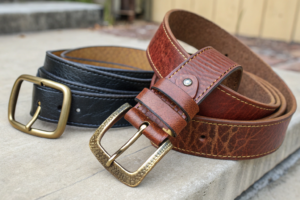
Traditional belt sizing creates immediate purchase anxiety as customers must predict which of the limited hole positions will provide optimal comfort. This guessing game frequently results in returns when the chosen size proves imperfect during actual wear. Adjustable slide belts transform this experience through continuous adjustability.
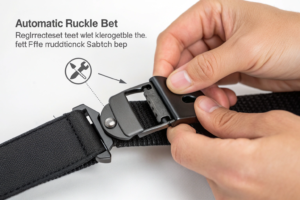
The ratchet or track systems in slide belts provide numerous incremental sizing options between traditional belt holes, typically offering 30-50 precise adjustment positions compared to the 5-7 holes in conventional belts. This dramatically increases the likelihood of achieving perfect fit.

What technical features enable precise micro-adjustment?
Advanced slide mechanisms incorporate several precision engineering elements:
- Track systems with micro-tooth designs allowing adjustments in 1/4-inch to 1/2-inch increments
- Spring-loaded pawls that securely engage track teeth while allowing easy release for adjustment
- Low-profile buckles that maintain sleek appearance despite complex internal mechanisms
- Reinforced track materials that withstand repeated adjustment without wear or failure
These systems typically provide 30-50 precise fit positions compared to the 5-7 positions in traditional belts, fundamentally transforming the fit experience. The engineering precision ensures each adjustment provides secure holding power while remaining easy to operate with one hand.
How does adjustment range impact size-related returns?
The expanded adjustment range directly addresses common sizing problems:
- Between-size solutions for customers who fall between traditional belt sizes
- Daily fluctuation accommodation for natural body changes throughout the day
- Weight change adaptation allowing the same belt to fit through gradual weight loss or gain
- Clothing thickness adjustment accommodating different waistband thicknesses across various pants
This versatility means customers can purchase one belt with confidence it will provide perfect fit across various conditions that would require multiple traditional belts or lead to returns. The expanded functionality significantly reduces situations where customers feel they've chosen the wrong size.
What Comfort Advantages Drive Customer Satisfaction?
Beyond solving sizing inaccuracy, adjustable slide belts provide superior wearing comfort that directly influences long-term satisfaction and reduces post-purchase disappointment. The comfort improvements stem from both the adjustment precision and the physical design of the sliding mechanisms.
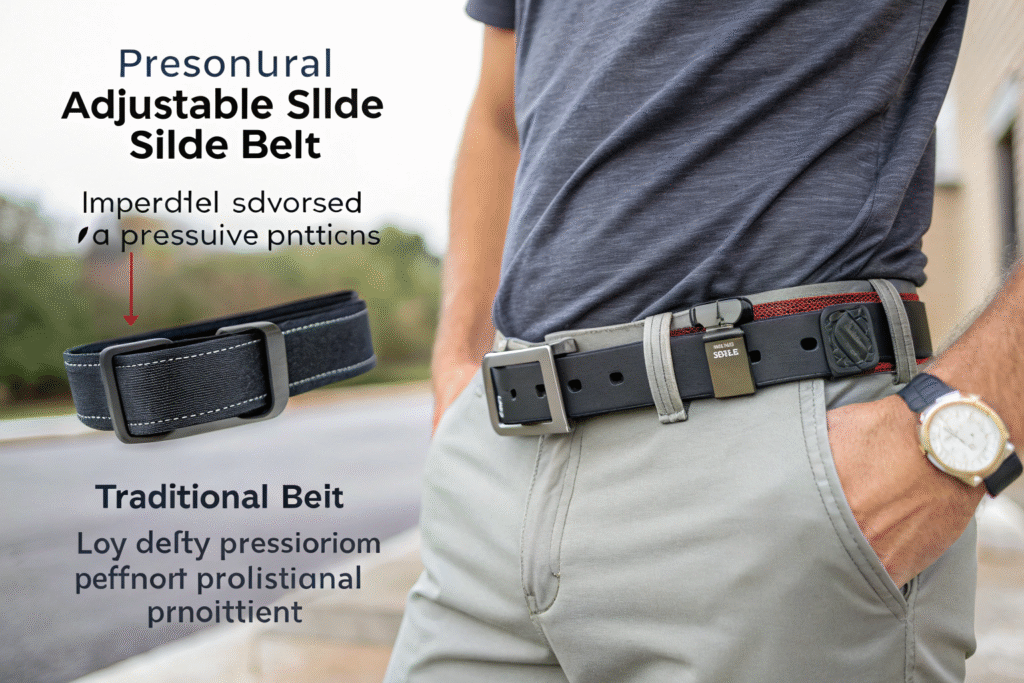
Traditional belts often create pressure points at the pin location and can shift throughout the day as the leather stretches or the wearer's body changes. Slide systems distribute pressure evenly and maintain consistent positioning.
How do slide mechanisms improve daily comfort?
The comfort advantages manifest in several important ways:
- Even pressure distribution across the entire buckle area rather than concentrating stress at a single hole
- No pin pressure points that can dig into the abdomen when sitting or bending
- Consistent positioning that prevents the belt from shifting to uncomfortable angles
- Breathable designs with track systems that allow better air circulation than solid buckle plates
- Flexibility maintenance as the continuous track design doesn't create stiff sections like traditional buckle attachments
These comfort features are particularly valuable for all-day wear scenarios where small discomforts become magnified over time. The elimination of pressure points represents a significant advancement for customers with sensitivity issues or those who wear belts for extended periods.
How does micro-adjustability enhance physical comfort?
The ability to make fine adjustments provides unique comfort benefits:
- Meal-to-meal adjustments accommodating natural abdominal expansion after eating
- Activity-based tuning allowing slightly different fit for sitting versus standing activities
- Temperature compensation adjusting for the body's subtle size changes in different climates
- Proactive comfort management enabling minor adjustments before discomfort develops
This proactive comfort management capability represents a fundamental shift from enduring poor fit to actively maintaining optimal comfort. Customers appreciate this control, which creates emotional attachment to the product and reduces likelihood of returns due to comfort issues.
How Does Simplified Sizing Reduce Purchase Anxiety?
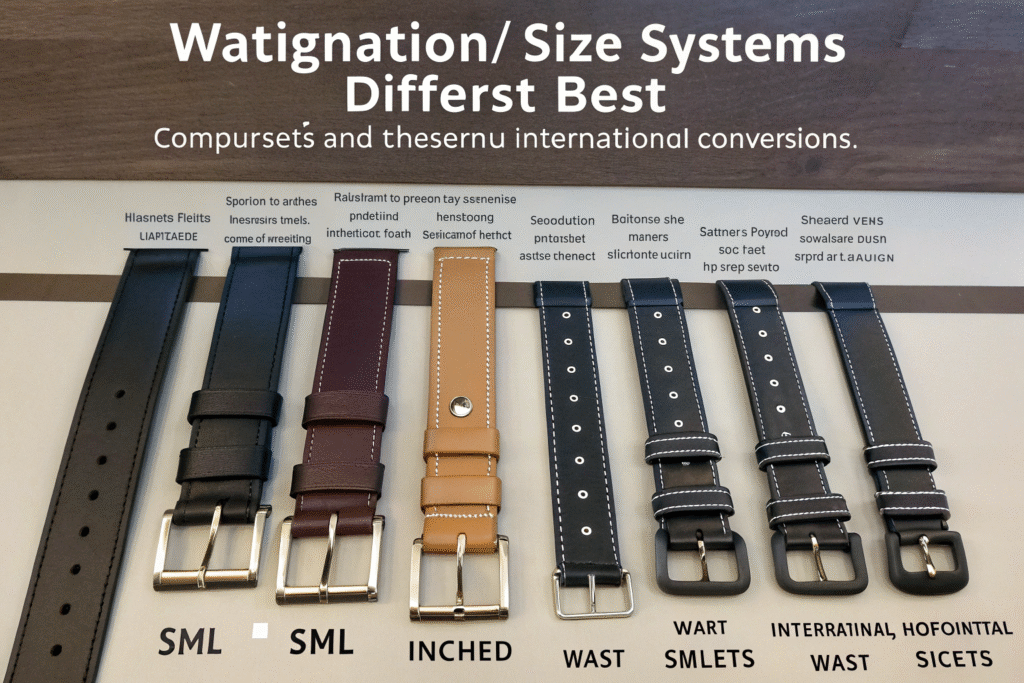
The traditional belt purchasing process requires customers to navigate confusing size systems (S-M-L, waist inches, international conversions) while predicting how specific belt materials will break in over time. This complexity creates decision paralysis and post-purchase uncertainty that frequently results in returns.
Adjustable slide belts dramatically simplify the purchasing decision by reducing the criticality of precise size selection. This psychological benefit may be as important as the technical advantages in reducing returns.
What psychological factors influence reduced returns?
Several psychological mechanisms contribute to reduced return rates:
- Reduced decision stress from eliminating precise size prediction requirements
- Post-purchase rationalization where the innovative mechanism justifies the purchase decision
- Perceived value increase from the technical sophistication of the adjustment system
- Adaptability confidence knowing the belt can accommodate future body changes
- Feature-focused satisfaction where the innovative mechanism becomes the primary source of product satisfaction
These psychological factors mean customers feel more confident about their purchase initially and are less likely to experience buyer's remorse that drives returns. The innovative nature of slide belts also makes customers more forgiving of minor imperfections since the core benefit remains compelling.
How does universal sizing impact return rates?
Most adjustable slide belts utilize universal sizing approaches:
- Single-size systems covering the most common waist size range (typically 30-42 inches)
- Extended range options for customers outside standard sizing parameters
- Clear fit guarantees that reduce purchase anxiety about size selection
- Simplified inventory with fewer SKUs reducing customer confusion
This simplified approach means customers can't technically "choose the wrong size" within the stated range, eliminating the most common return reason. The universal fit concept has proven successful across multiple apparel categories by reducing decision complexity.
What Quality Perceptions Increase Customer Loyalty?
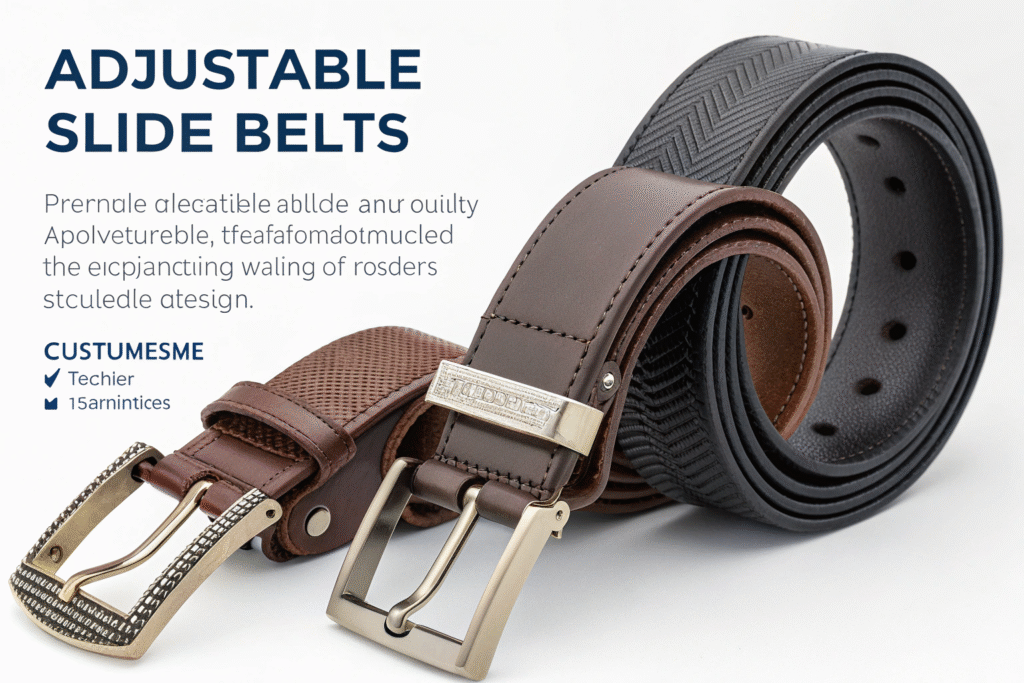
Adjustable slide belts typically project an image of technical sophistication and quality craftsmanship that influences customer perception and long-term satisfaction. This quality perception creates higher tolerance for minor issues and stronger brand attachment, both of which reduce return likelihood.
The mechanical nature of slide systems suggests engineering precision and durability that customers associate with higher value, justifying price premiums while creating expectations of longer product lifespan.
How does mechanical sophistication influence perceived quality?
Several factors contribute to enhanced quality perception:
- Audible feedback from the ratcheting mechanism provides tangible evidence of precision engineering
- Smooth operation of the adjustment system demonstrates manufacturing quality
- Material quality typically exceeds conventional belts to match the sophisticated mechanism
- Technical innovation positioning suggests ongoing product development and improvement
- Weight and substance of the components communicates durability and longevity
These quality cues create what researchers call perceived quality superiority, where customers believe the product performs better simply because it appears better made. This perception directly impacts satisfaction and reduces the likelihood that customers will return products for minor issues.
How does durability impact long-term satisfaction?
The construction of adjustable slide belts typically emphasizes durability:
- Reinforced tracks that withstand thousands of adjustment cycles without failure
- Quality materials that maintain appearance through extended daily wear
- Robust buckle mechanisms with proven reliability from extensive testing
- Longevity expectations that exceed conventional belt lifespan
This durability means customers experience fewer functional issues during ownership, reducing situations that might prompt returns. The long-term reliability also creates positive brand associations that encourage repeat purchases rather than returns and exchanges.
Conclusion
Adjustable slide belts are significantly reducing returns by addressing the fundamental limitations of traditional belt designs through superior engineering, enhanced comfort, simplified sizing, and stronger quality perceptions. The micro-adjustment capabilities eliminate sizing guesswork while providing ongoing comfort management that keeps customers satisfied long after purchase. For retailers and brands, these technical innovations translate directly to reduced return rates, lower operational costs, and improved customer loyalty.
If your brand is looking to reduce returns through innovative belt designs, our factory specializes in adjustable slide belt manufacturing with proven track records for quality and customer satisfaction. Contact our Business Director, Elaine, at elaine@fumaoclothing.com to discuss how adjustable slide belts can transform your return metrics and customer experience.