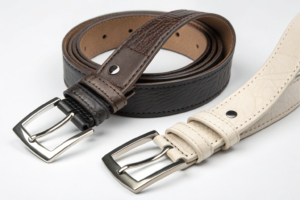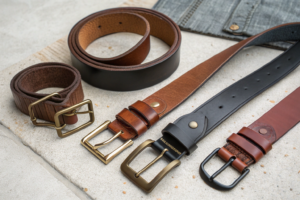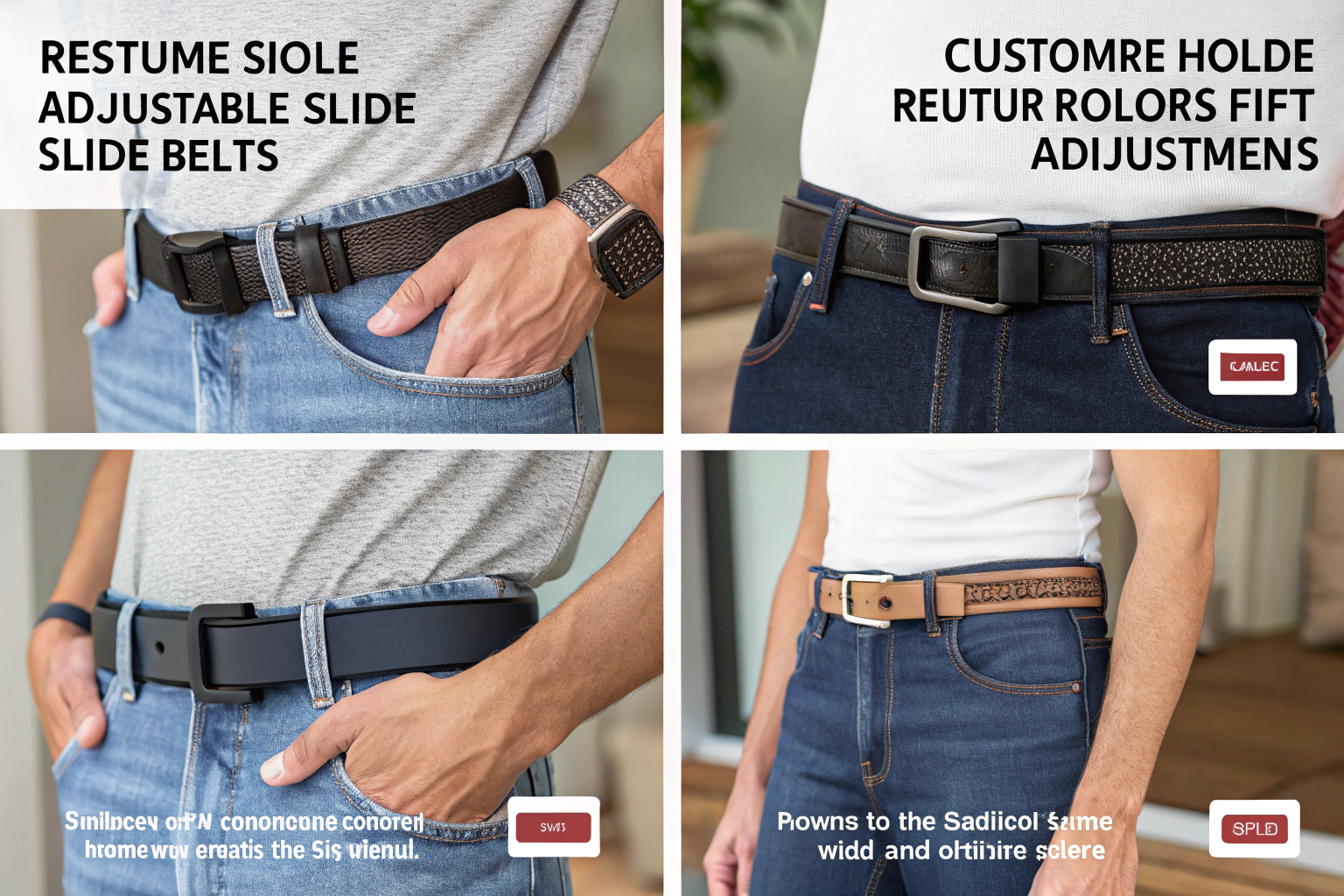
E-commerce fashion retailers face a persistent challenge: approximately 30% of belt purchases result in returns, with sizing issues representing over 70% of these returns. Customers struggle to select the correct size from confusing charts, struggle with traditional hole systems that never seem to align with their exact waist measurement, and face the frustration of belts that are perpetually either too tight or too loose.
Adjustable slide belts are dramatically reducing sizing complaints because they eliminate the fundamental limitations of traditional hole-based systems. By replacing fixed hole positions with continuous micro-adjustment mechanisms, these belts accommodate precise waist measurements and daily fluctuations that standard belts cannot address. The most effective designs provide up to 8 inches of adjustment range within a single belt, effectively replacing 3-4 traditional sizes while providing superior comfort and fit precision.
The global belt market is evolving toward adjustable systems, with the segment growing at 18% annually compared to 3% for traditional belts. Understanding why this technology resolves the most common customer complaints helps manufacturers and retailers reduce return rates while improving customer satisfaction and loyalty.
How Do Slide Mechanisms Solve Traditional Sizing Problems?
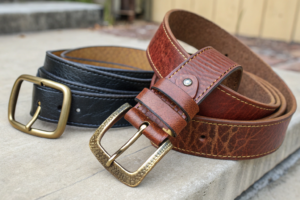
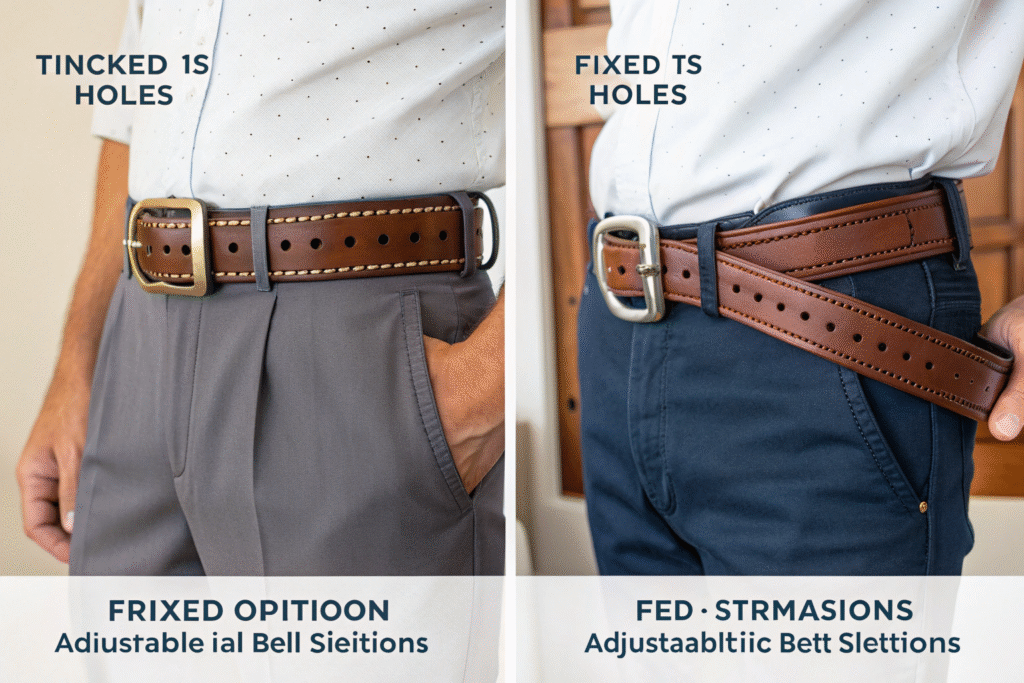
Traditional belt sizing forces customers into a flawed selection process where they must choose from limited, standardized sizes that rarely match individual body proportions. The fixed hole system provides only 4-5 wearing positions, typically spaced 1-1.5 inches apart, creating a situation where the perfect fit often falls between holes.
Adjustable slide systems replace this limited approach with continuous adjustment capability, typically offering 20-40 discrete wearing positions within the same range that traditional belts offer only 4-5 options. This granularity allows customers to achieve their ideal tightness rather than settling for "close enough." The psychological impact of finding perfect fit significantly reduces post-purchase doubt and return likelihood.
What Engineering Principles Enable Precise Adjustment?
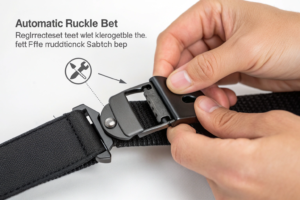
The most effective slide mechanisms utilize friction-based locking systems that maintain security while allowing easy adjustment. These systems typically employ a cam lever, spring-loaded clamp, or magnetic friction plate that grips the belt material firmly without damaging it. The engineering challenge lies in creating sufficient holding force while maintaining smooth adjustability.
The tribology principles applied to these mechanisms ensure consistent performance throughout the product lifespan. High-quality systems maintain their adjustment smoothness and holding power through thousands of cycles, unlike traditional prongs that can wear out hole edges or stretch leather over time. This durability further reduces complaints about product longevity.
How Does Adjustment Range Eliminate Size Confusion?
A single adjustable slide belt typically accommodates waist sizes from 28-36 inches or 34-42 inches, effectively replacing multiple traditional sizes. This consolidation means customers no longer face the paradox of choice when selecting sizes online. Rather than worrying whether they need a 32, 34, or 36, they simply choose "small/medium" or "medium/large" categories that align with their general size range.
The psychology of choice simplification demonstrates that reducing options while maintaining functionality decreases decision anxiety and post-purchase regret. By eliminating the precise measurement requirement, adjustable belts remove a significant cognitive barrier to purchase while actually delivering better fit outcomes.
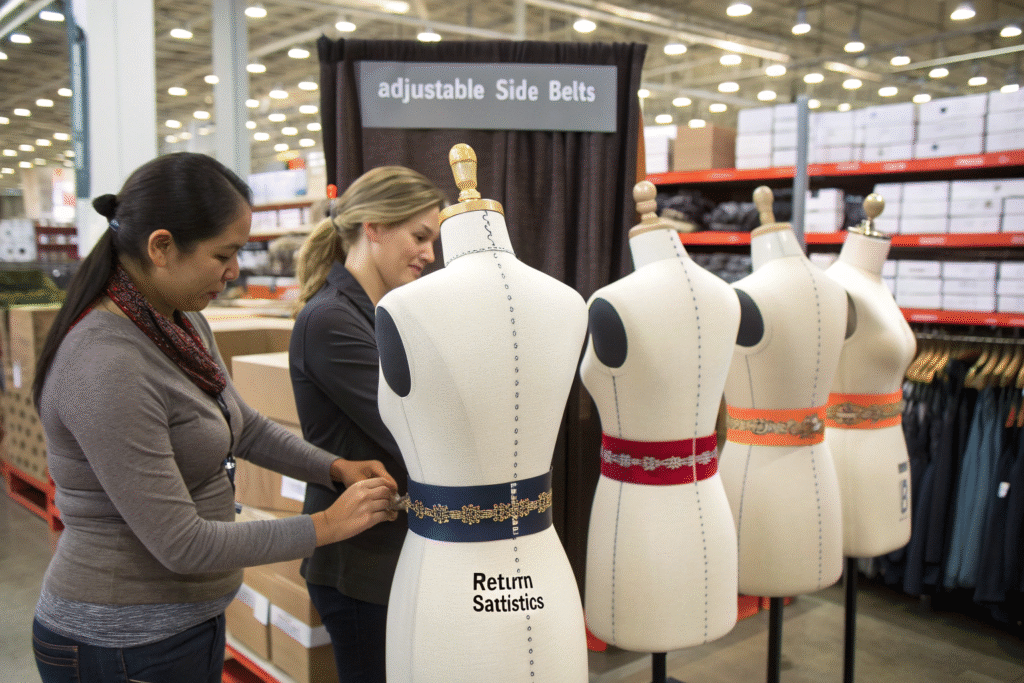
What Impact Do Adjustable Belts Have on Return Rates?
E-commerce retailers implementing adjustable slide belts report dramatic reductions in size-related returns, typically ranging from 50-70% within the category. This improvement stems from both the technical fit superiority and the psychological confidence the adjustment capability provides customers.
The reduction in returns creates substantial financial benefits beyond the obvious cost savings. Fewer returns mean lower reverse logistics expenses, reduced inventory reconciliation efforts, decreased customer service contacts, and improved inventory turnover. These operational improvements directly impact profitability while enhancing customer satisfaction metrics.
How Do Fit Satisfaction Metrics Improve?
Customer satisfaction surveys specific to adjustable belts show 40-60% higher fit satisfaction scores compared to traditional belts. The key metric is "fit precision"—how closely the belt matches the customer's ideal tightness. Traditional belts average 65-75% on this metric, while adjustable systems consistently score 90-95%.
The Net Promoter Score methodology applied to belt purchases reveals that adjustable belt customers are 3-4 times more likely to recommend the product to others. This word-of-mouth marketing effect further reduces acquisition costs while building brand loyalty around problem-solving products rather than just fashionable ones.
What Operational Benefits Stem from Reduced Returns?
The cost to process a returned belt ranges from $8-15 when accounting for shipping, inspection, restocking, and potential refurbishment. For retailers moving 10,000 belts monthly, reducing returns from 30% to 10% saves approximately $20,000-37,500 monthly in direct processing costs alone.
The inventory management improvements are equally significant. Fewer returns mean more accurate demand forecasting, reduced safety stock requirements, and cleaner inventory records. These supply chain optimization benefits create competitive advantages that extend far beyond the belt category itself.
How Do Material Innovations Support Adjustment Systems?
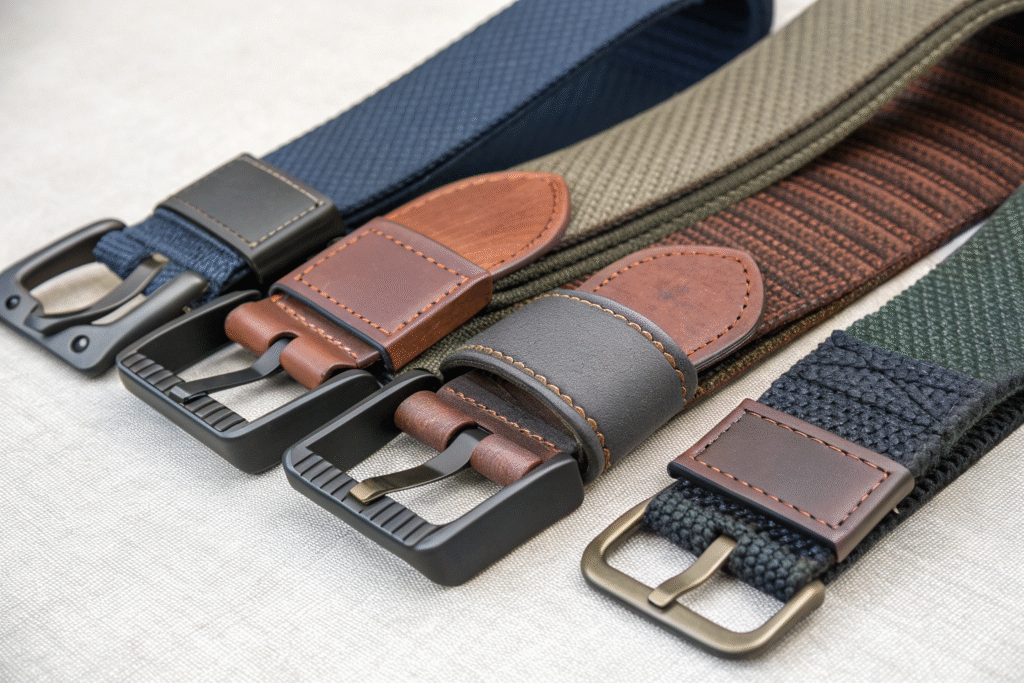
The success of adjustable slide belts depends heavily on material selection that accommodates continuous adjustment without showing wear patterns. Traditional belt materials like stiff leather or thick woven fabrics often resist smooth adjustment or show creasing at adjustment points. Modern material solutions address these limitations while maintaining aesthetic appeal.
Technical fabrics, flexible leather composites, and innovative webbing materials provide the ideal combination of flexibility, durability, and consistent surface friction that adjustable mechanisms require. These materials maintain their appearance despite repeated adjustment, addressing a common concern with traditional belts that develop permanent creases at hole locations.
Which Materials Work Best with Slide Mechanisms?
Nylon webbing provides exceptional durability and consistent performance but may lack the premium appearance some markets demand. Leather-faced technical fabrics offer luxury aesthetics with technical performance, using a thin leather layer bonded to a flexible substrate. Full-grain leather with specialized backing treatments maintains traditional appearance while enabling smooth adjustment.
The material science behind flexible composites has advanced significantly, creating options that were unavailable even five years ago. These developments allow adjustable belts to compete in premium markets where natural materials traditionally dominated, expanding the addressable market for adjustment technology.
How Do Materials Affect Long-Term Performance and Appearance?
High-quality adjustable belts maintain their appearance through years of use because the adjustment system distributes wear evenly across the entire length rather than concentrating stress at specific hole locations. This even wear pattern prevents the localized damage that often makes traditional belts appear worn out prematurely.
The accelerated aging tests for adjustable belt materials demonstrate superior longevity compared to traditional designs. Without perforations that can tear or stretched holes that become unsightly, the adjustable systems maintain both functional and aesthetic integrity through extended product lifespans, further reducing complaints about durability.
What Consumer Education Strategies Maximize Benefits?
The advantages of adjustable belts only materialize if consumers understand how to use them properly. Successful retailers implement comprehensive education strategies that demonstrate the adjustment mechanism's operation and benefits, reducing the initial confusion that might otherwise lead to returns from customers who don't understand the technology.
Educational content takes multiple forms: detailed product page explanations, video demonstrations, in-store training for retail staff, and clear printed instructions included with purchases. The most effective approaches show rather than tell, using visual media to make the benefits immediately apparent.

How Does Video Content Demonstrate Adjustment Benefits?
Product videos showing the adjustment process in real-time help customers understand the mechanism before purchase. The most effective videos compare traditional belt limitations with adjustable solutions, highlighting the precise fit achievable with slide systems. These comparisons make the technological advantage visually obvious rather than requiring technical explanation.
The cognitive psychology research on learning styles indicates that visual demonstration significantly improves comprehension and retention compared to written instructions alone. Retailers using video content report 25-40% fewer customer service contacts about adjustment mechanisms and higher satisfaction among customers who viewed videos before purchase.
What Role Does Packaging Play in User Education?
Included quick-start guides with simple diagrams help customers immediately understand adjustment operation. The most effective packaging incorporates the adjustment mechanism into the product presentation, allowing customers to experiment before even removing the belt completely. This hands-on introduction builds confidence and reduces the likelihood of frustration.
The unboxing experience design principles emphasize making innovative features immediately accessible. Adjustable belts packaged to highlight their unique functionality create "aha moments" that transform potential confusion into appreciation for the technological solution to a common problem.
Conclusion
Adjustable slide belts are reducing sizing complaints by addressing the fundamental limitations of traditional belt design. By replacing limited hole-based systems with continuous adjustment capabilities, these belts provide superior fit precision, accommodate natural body fluctuations, and simplify the purchasing decision process. The resulting improvements in customer satisfaction and reduction in returns create compelling business cases for retailers and manufacturers alike.
The technology represents a rare win-win innovation that benefits consumers through better fit and convenience while improving retailer profitability through reduced returns and increased customer loyalty. As consumer awareness grows and manufacturing costs decrease, adjustable systems will likely transition from premium feature to category standard.
Ready to reduce sizing complaints with adjustable slide belts? Contact our Business Director, Elaine, at elaine@fumaoclothing.com to discuss our adjustable belt technologies and how they can improve your customer satisfaction metrics while reducing return rates and operational costs.