Healthcare environments present unique challenges for clothing and accessories, where hygiene and infection control become matters of patient safety rather than mere comfort. Traditional belts in healthcare settings can inadvertently become vectors for pathogen transmission, carrying microorganisms between patients, surfaces, and clinical areas. This creates an often-overlooked infection control vulnerability in an industry where cross-contamination risks are constantly managed.
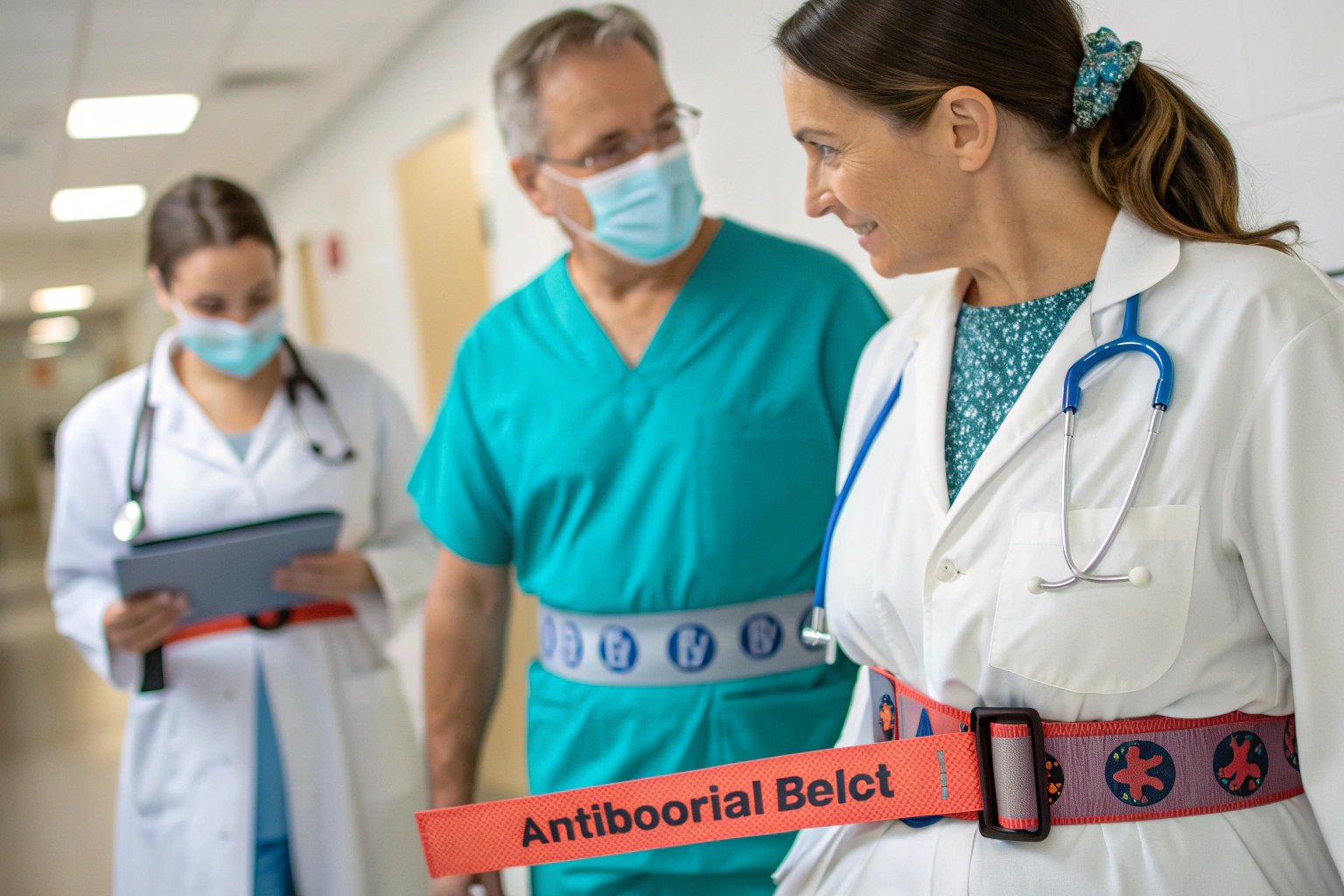
Antimicrobial belts are essential for healthcare because they actively inhibit microbial growth on a high-contact accessory that frequently encounters contaminated surfaces and patient areas. These specialized belts incorporate technologies that reduce bacterial, viral, and fungal survival on their surfaces, directly supporting infection control protocols and reducing healthcare-associated infection (HAI) risks.
The convergence of medical safety requirements and functional workwear has created critical demand for antimicrobial accessories in healthcare. This analysis examines the specific infection control benefits, material technologies, and practical advantages that make antimicrobial belts indispensable in clinical environments.
How Do Antimicrobial Belts Support Infection Control Protocols?
Healthcare facilities implement rigorous infection control measures, but traditional accessories often undermine these protocols by harboring pathogens that survive standard cleaning procedures. Antimicrobial belts function as active participants in infection prevention rather than passive contamination risks.
Antimicrobial belts complement hand hygiene, surface disinfection, and personal protective equipment by addressing a frequently touched surface that regularly contacts multiple environments throughout a clinical shift. This integrated approach closes an important gap in comprehensive infection control strategies.
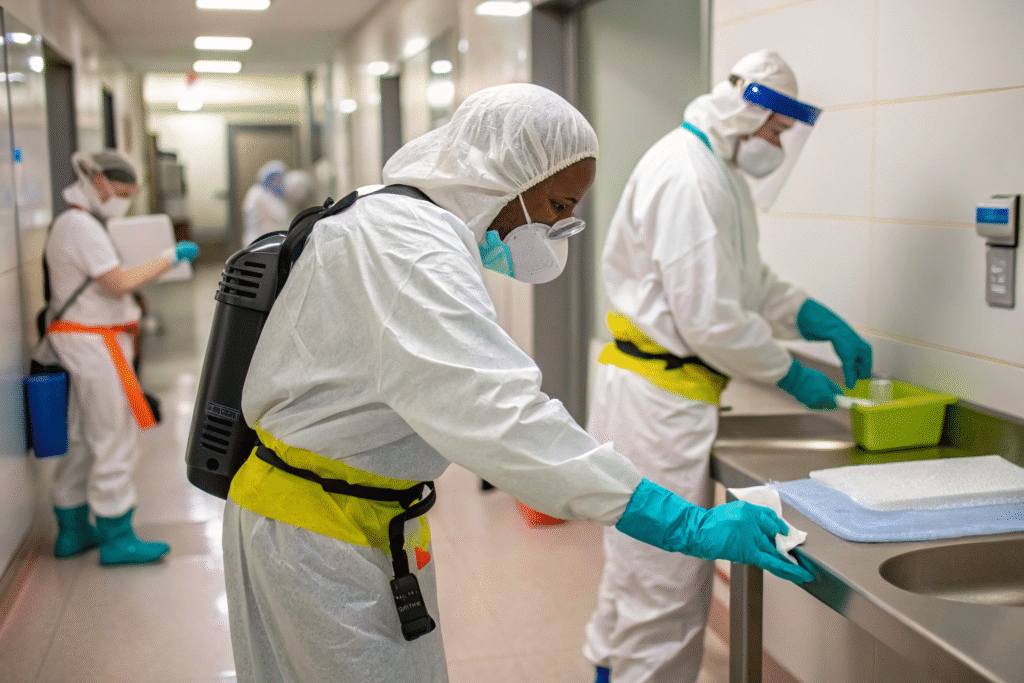
What Pathogen Transmission Risks Do Healthcare Belts Pose?
Traditional belts accumulate pathogens through direct patient contact, brushing against contaminated surfaces, and aerosol settlement during clinical procedures. Studies show that healthcare worker accessories harbor significant pathogen loads, including MRSA, VRE, and C. difficile spores that can survive for extended periods. The constant wearing position near hands and patient contact zones makes belts particularly high-risk for cross-contamination.
How Do Antimicrobial Technologies Break the Transmission Chain?
Advanced antimicrobial treatments create continuous surface protection that disrupts pathogen viability upon contact. Silver-ion technology, copper infusion, and organic antimicrobial compounds damage microbial cell walls, interrupt metabolic processes, and prevent replication. This proactive approach reduces the bioburden that could otherwise transfer to patients during care activities or contaminate hands during adjustment.
What Materials and Technologies Deliver Effective Protection?
Not all antimicrobial treatments provide adequate protection for healthcare environments. The demanding conditions of clinical work require technologies that maintain efficacy through repeated cleaning, physical abrasion, and exposure to various chemicals.
Healthcare-grade antimicrobial belts utilize embedded rather than coated technologies, ensuring lasting protection throughout the product lifespan. The integration method determines both durability and consistency of microbial reduction.
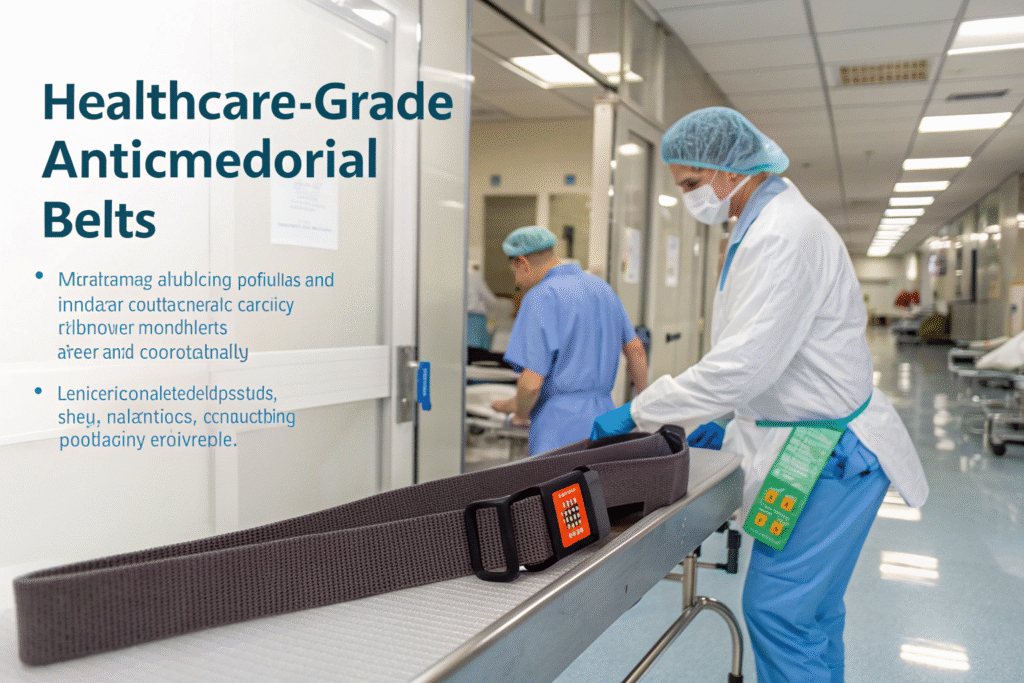
Why Do Silver-Ion Technologies Dominate Healthcare Applications?
Silver ions provide broad-spectrum antimicrobial activity against bacteria, viruses, and fungi while maintaining excellent human safety profiles. The electrostatic attraction between positively charged silver ions and negatively charged microbial cell walls creates irreversible damage that prevents pathogen development. This technology remains effective through repeated laundering and surface cleaning, making it ideal for healthcare accessories.
How Does Copper Integration Enhance Clinical Protection?
Copper-infused fibers offer supplementary protection against healthcare-associated pathogens, with particular efficacy against antibiotic-resistant organisms. The oligodynamic effect of copper ions provides continuous antimicrobial action that doesn't diminish with use. Some healthcare facilities specifically recommend copper-containing accessories for high-risk units like ICUs and surgical floors.
What Design Features Optimize Belts for Clinical Use?
Beyond antimicrobial properties, healthcare belts require specific design elements that address the practical demands of clinical environments while maintaining professional appearance. These features ensure the belts support rather than hinder healthcare delivery.
Quick-release mechanisms, fluid resistance, and compliance with medical device regulations distinguish healthcare-optimized belts from general antimicrobial accessories. Each feature addresses specific clinical challenges while maintaining infection control integrity.
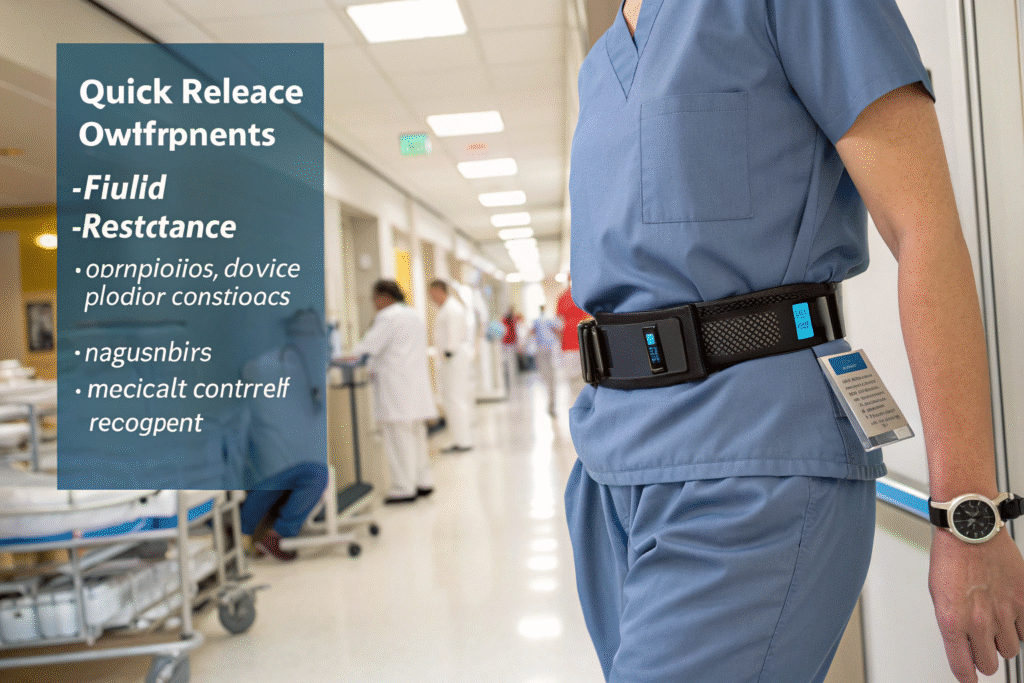
Why Are Quick-Release Mechanisms Critical in Healthcare?
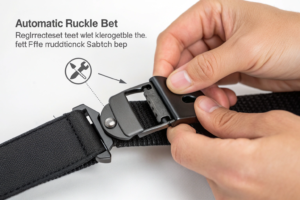
Clinical situations often require rapid accessory removal during emergencies, contamination events, or when moving between isolation protocols. Quick-release buckles enable immediate removal without compromising security during normal use. This functionality supports both safety protocols and infection control measures by facilitating immediate response to contamination risks.
How Does Fluid Resistance Complement Antimicrobial Protection?
Healthcare belts inevitably encounter body fluids, cleaning solutions, and disinfectants that can compromise material integrity and antimicrobial efficacy. Fluid-resistant materials prevent liquid penetration that could harbor pathogens beneath the surface layer, maintaining the antimicrobial surface's effectiveness. This combination provides comprehensive protection against both surface contamination and fluid-borne pathogens.
| Feature | Healthcare Benefit | Infection Control Impact |
|---|---|---|
| Silver-Ion Technology | Continuous pathogen reduction | Up to 99.9% microbial reduction |
| Quick-Release Buckles | Emergency response capability | Immediate contamination containment |
| Fluid-Resistant Materials | Liquid exposure protection | Prevents deep pathogen penetration |
| Seamless Construction | Reduced contamination niches | Eliminates hard-to-clean areas |
How Do Healthcare Belts Comply with Medical Standards?
Medical accessories must meet specific regulatory and standards requirements that differ from general consumer products. Understanding these compliance aspects ensures belts support rather than complicate healthcare facility protocols.
FDA considerations, material safety requirements, and facility compliance protocols influence appropriate belt selection for healthcare environments. These factors ensure accessories enhance rather than compromise patient safety.
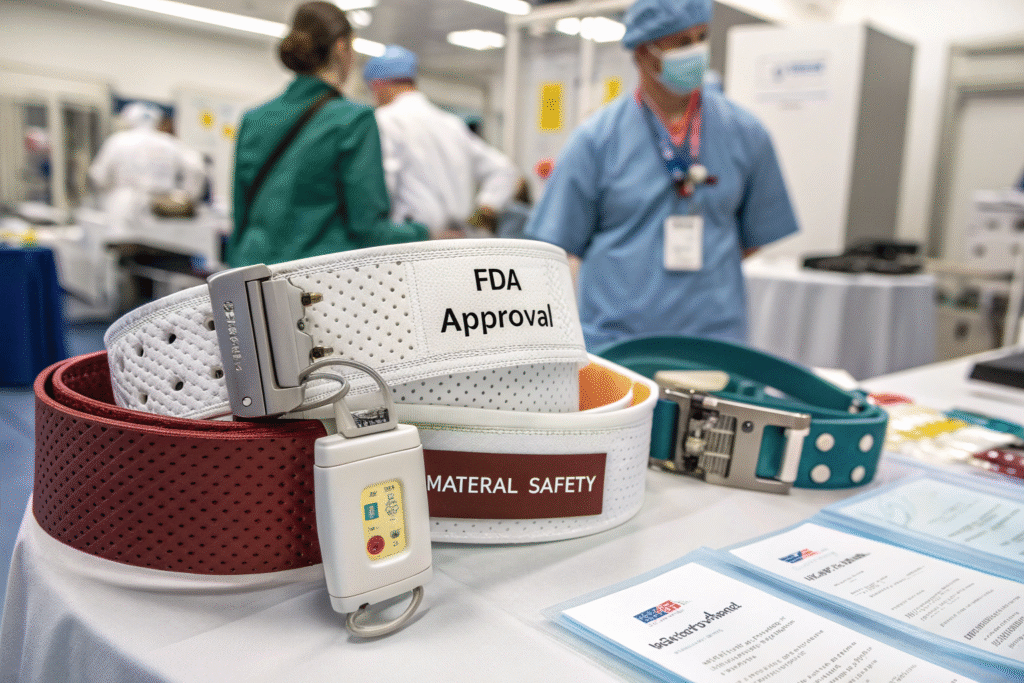
What FDA Considerations Apply to Antimicrobial Healthcare Products?
While most belts qualify as accessories rather than medical devices, those making specific antimicrobial protection claims require careful claims management. Products positioned as infection control tools may receive greater regulatory scrutiny regarding efficacy testing and safety documentation. Manufacturers providing healthcare belts typically conduct specific testing to support their infection control claims.
How Do Facility Protocols Influence Belt Requirements?
Healthcare facilities often establish specific accessory guidelines that address infection control, safety, and professional appearance. These protocols may mandate certain materials, prohibit others, or establish cleaning requirements for personal accessories. Understanding these facility-specific requirements ensures selected belts comply with institutional policies while providing antimicrobial benefits.
Conclusion
Antimicrobial belts represent a crucial innovation in healthcare infection control, addressing a frequently overlooked transmission vector while supporting the practical needs of clinical professionals. By combining advanced antimicrobial technologies with healthcare-specific design features, these accessories actively contribute to patient safety protocols rather than simply avoiding harm. The integration of continuous protection, clinical functionality, and compliance with medical standards makes antimicrobial belts essential components of comprehensive healthcare infection prevention strategies.
Ready to develop healthcare-appropriate antimicrobial belts for medical professionals? At StylishBelts, we specialize in creating infection control accessories that meet the rigorous demands of healthcare environments. Contact our Business Director Elaine today at elaine@fumaoclothing.com to discuss how our antimicrobial technologies can support your healthcare collection needs.