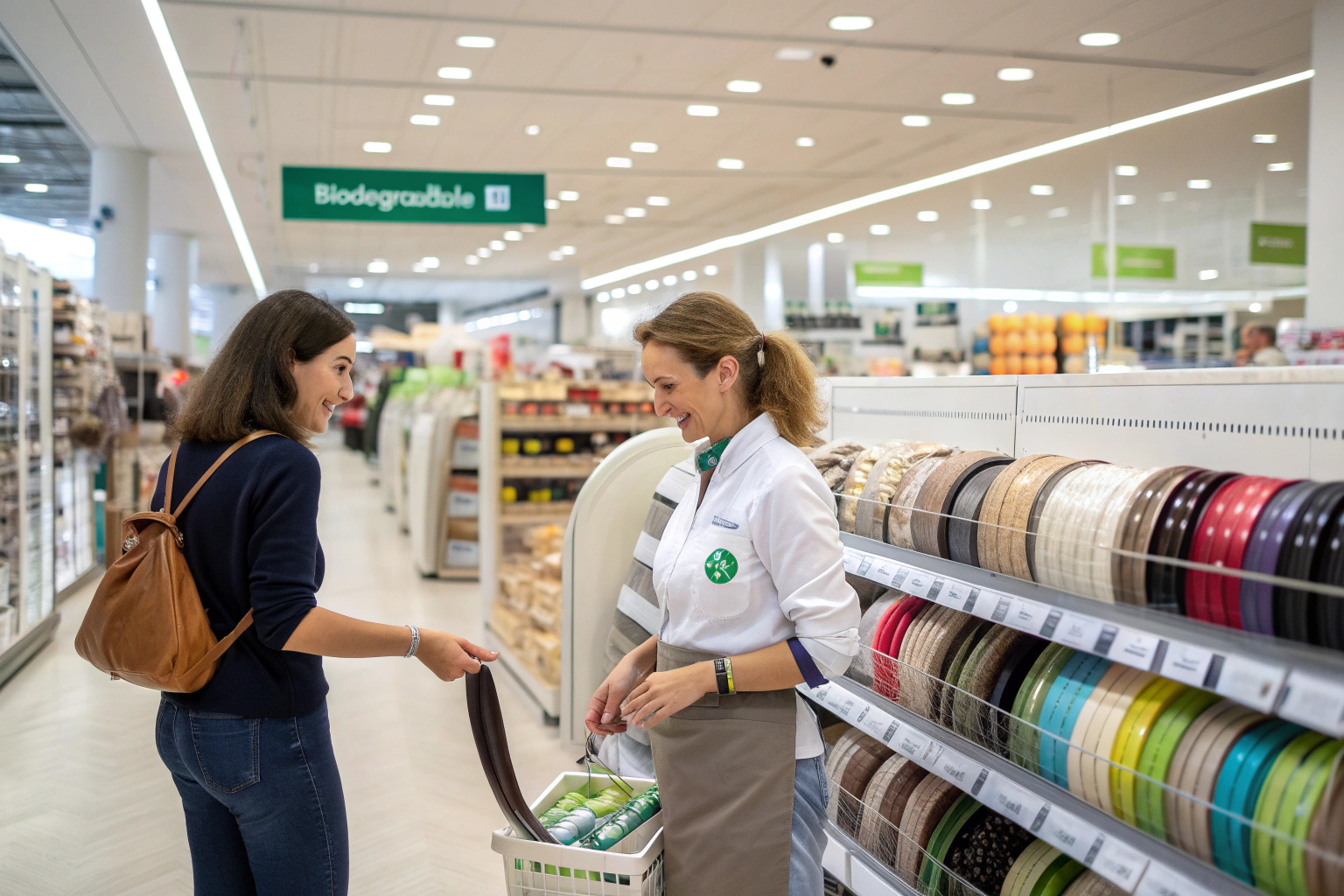
Supermarket buyers face increasing pressure from consumers and regulators to adopt more sustainable product lines. Traditional leather and conventional synthetic belts present environmental challenges that conflict with modern retail values, creating a clear market gap for eco-friendly alternatives.
Biodegradable PU belts are gaining supermarket traction because they address critical environmental concerns while maintaining commercial viability. These belts offer a sustainable alternative to traditional materials, meeting consumer demand for eco-conscious products, complying with evolving regulations, and providing supermarkets with higher margin opportunities through green product differentiation.
The shift toward biodegradable accessories represents a significant opportunity for forward-thinking retailers. Understanding the drivers behind this trend helps suppliers align their offerings with supermarket priorities.
What Environmental Benefits Drive Supermarket Adoption?
The environmental advantages of biodegradable PU belts directly align with supermarket sustainability initiatives. These benefits address specific pain points for large retailers seeking to reduce their environmental footprint and enhance their green credentials.
Unlike conventional PU that can persist in landfills for centuries, biodegradable PU breaks down significantly faster under specific conditions. This decomposition process reduces long-term waste accumulation and aligns with circular economy principles that major retailers are increasingly adopting to meet corporate sustainability targets.
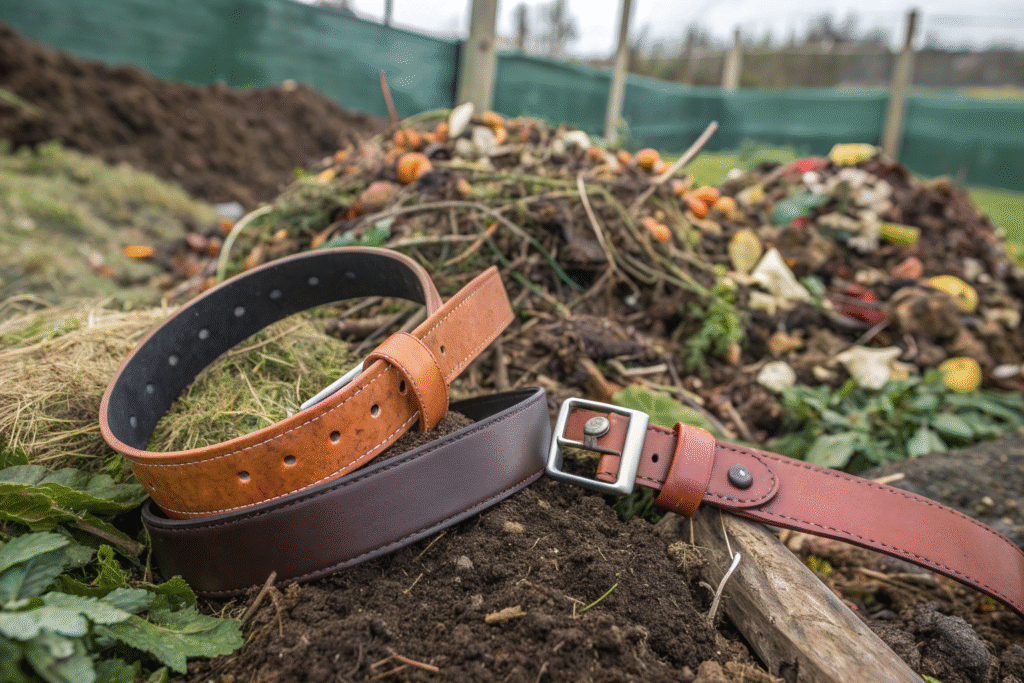
How does biodegradation reduce landfill impact?
Biodegradable PU undergoes chemical breakdown through microbial activity when exposed to industrial composting conditions, converting the material into water, carbon dioxide, and biomass. This process significantly reduces the landfill burden compared to conventional synthetics. For supermarkets with ambitious zero-waste goals, this attribute directly supports their waste reduction metrics and demonstrates tangible progress to environmentally conscious stakeholders.
What makes the production process more sustainable?
The manufacturing of biodegradable PU typically incorporates bio-based polyols derived from renewable resources like castor oil, reducing dependence on petroleum. This transition to partially plant-based raw materials lowers the carbon footprint throughout the supply chain. Additionally, many manufacturers employ water-based coating systems instead of solvent-based alternatives, further minimizing environmental impact and aligning with supermarket preferences for cleaner production methods.
How Do Consumer Trends Influence Buying Decisions?
Changing consumer preferences represent a powerful market force that supermarkets cannot ignore. The demand for sustainable accessories has moved from niche to mainstream, creating substantial commercial incentives for retailers to stock eco-friendly alternatives.
Modern shoppers, particularly younger demographics, increasingly factor environmental considerations into their purchasing decisions. This values-driven consumption pattern has made sustainability a competitive differentiator rather than just a ethical consideration, directly impacting supermarket shelf-space allocations and purchasing strategies.
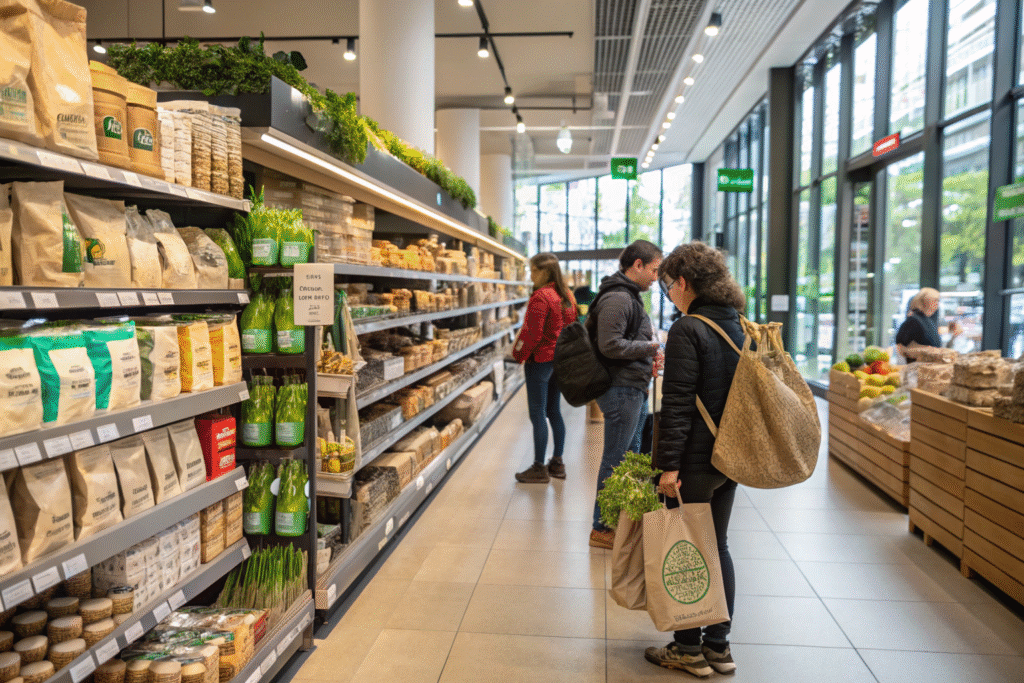
Which demographic segments show strongest interest?
Millennial and Gen Z consumers demonstrate the strongest preference for sustainable products, with many willing to pay premium prices for environmentally responsible options. Urban shoppers and parents seeking to make ethical purchasing decisions also represent key segments driving demand. Supermarkets track these demographic shifts closely, adjusting their assortments to capture spending from these growing consumer groups who prioritize sustainability in their accessory purchases.
How does price sensitivity affect adoption rates?
While consumers express strong environmental intentions, price remains a determining factor at point of sale. Biodegradable PU belts typically occupy a middle price point between premium genuine leather and low-cost conventional synthetics. This strategic pricing makes them accessible to environmentally conscious shoppers without the cost barrier of high-end sustainable materials. For supermarkets, this balance enables them to cater to the eco-market while maintaining competitive pricing structures that drive volume sales.
What Certifications Build Consumer Trust?
Trustworthy certifications provide third-party validation that helps supermarkets confidently merchandise biodegradable products while giving consumers assurance about their environmental claims. These certifications serve as crucial visual cues at point of purchase.
Recognized eco-labels simplify the shopping experience by providing easily identifiable markers of sustainability. Supermarkets prefer products with established certifications that require regular auditing and compliance verification, as this reduces their risk of greenwashing accusations and strengthens their brand reputation.
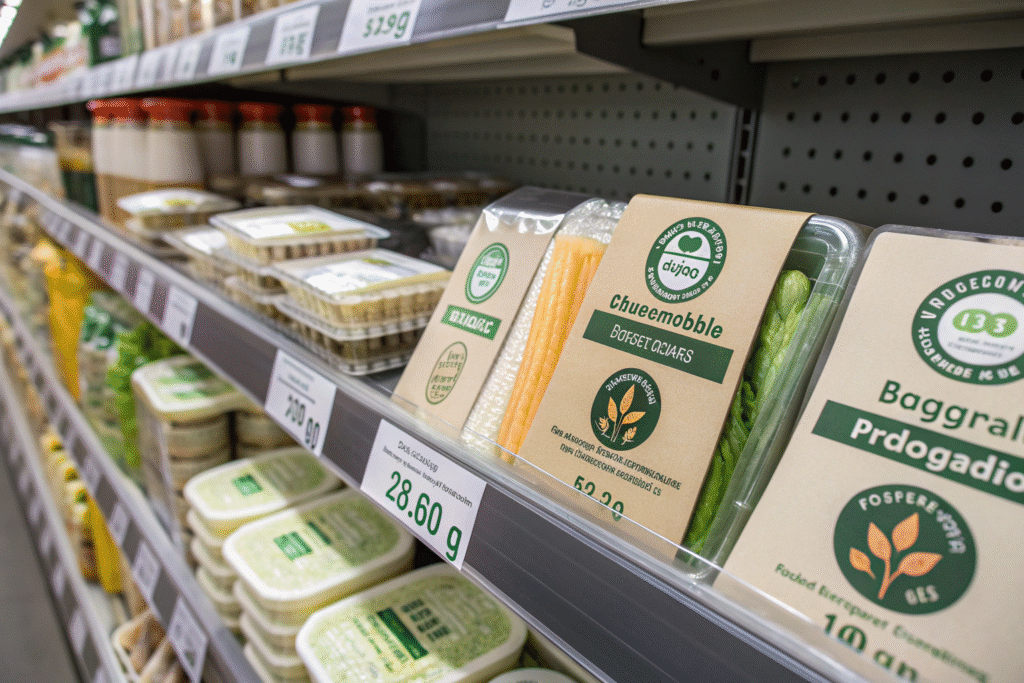
Which certifications are most recognized by shoppers?
The OK Biodegradable certification from TÜV Austria is widely recognized for verifying compostability under industrial conditions. The USDA BioPreferred program label indicates bio-based content, while the Blue Angel eco-label from Germany carries significant weight in European markets. These certifications undergo regular review and require manufacturers to meet stringent standards, providing supermarkets with credible verification to support their sustainability marketing claims.
How do certifications impact purchasing behavior?
Certifications serve as decision heuristics that reduce consumer uncertainty about environmental claims. Products displaying recognized eco-labels typically experience higher conversion rates as they alleviate skepticism about green marketing. Supermarkets track these performance metrics closely, often giving preferential shelf placement to certified products that demonstrate stronger sales velocity and command slight price premiums over uncertified alternatives.
How Do Biodegradable Belts Meet Supermarket Operational Needs?
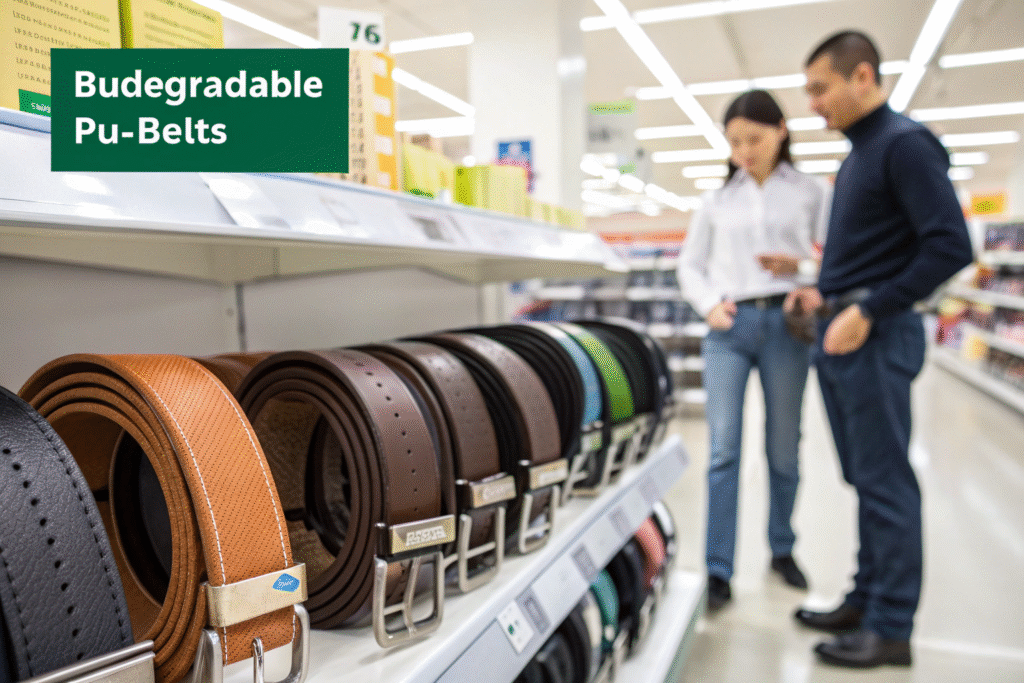
Beyond environmental benefits, biodegradable PU belts must align with supermarket operational requirements to achieve widespread distribution. Fortunately, these products offer several practical advantages that appeal to retail operations managers.
From inventory management to customer satisfaction, biodegradable belts integrate smoothly into existing retail systems while potentially enhancing performance metrics that matter to supermarket buyers and operations teams.
What supply chain advantages do they offer?
Biodegradable PU belts typically feature simpler import compliance requirements than genuine leather, which may face restrictions under various environmental regulations. Their consistent manufacturing quality results in fewer customer returns due to defects. Additionally, their lighter weight compared to leather reduces shipping costs—a significant consideration for supermarkets operating on thin margins where logistics expenses directly impact profitability.
How do they perform in retail environments?
These belts maintain their appearance throughout the retail lifecycle without the cracking or drying that can affect genuine leather in climate-controlled stores. They're less susceptible to retail theft due to their mid-range pricing positioning. Their uniform appearance allows for attractive, consistent displays that require less maintenance than natural leather products with inherent variations. These operational benefits make them logistically attractive for large-scale retail distribution.
Conclusion
Biodegradable PU belts represent a convergence of environmental responsibility and commercial practicality that aligns perfectly with supermarket needs. Their sustainable credentials address consumer demand while their operational characteristics fit seamlessly into retail systems. As environmental regulations tighten and consumer preferences continue shifting toward eco-friendly options, this product category is positioned for continued growth in supermarket assortments.
If your supermarket chain is looking to develop a private label biodegradable belt collection or source these products for your accessories department, our factory specializes in certified biodegradable PU manufacturing. Contact our Business Director, Elaine, at elaine@fumaoclothing.com to discuss how we can help meet your sustainability goals and customer demands.