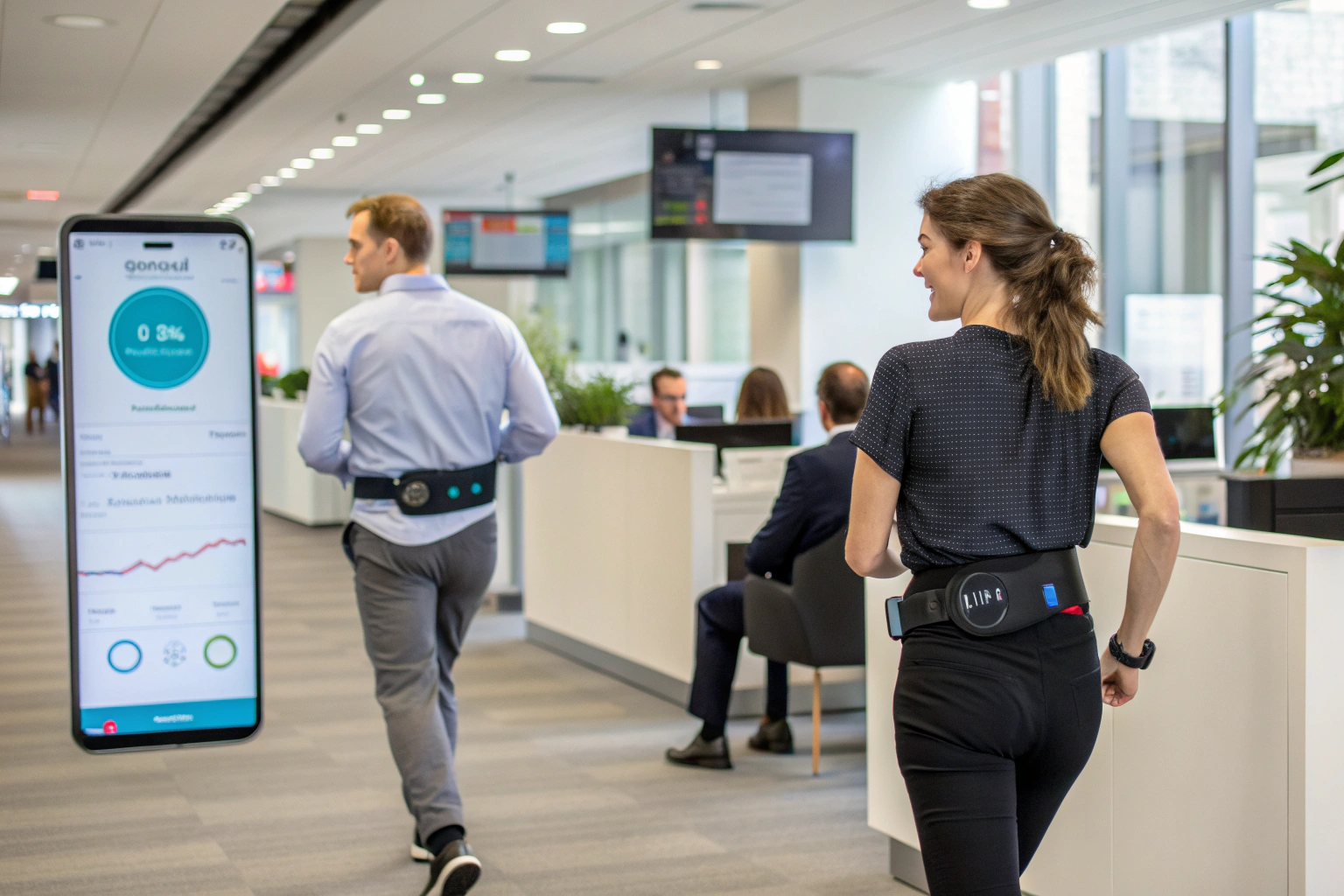
The health technology market is rapidly expanding beyond dedicated medical devices and fitness wearables into everyday accessories that provide continuous health monitoring. Traditional health tracking often requires separate devices that can be forgotten, require charging, or feel clinically oriented. Consumers increasingly seek health insights that integrate seamlessly into their daily lives without adding another device to manage or charge.
Biometric health-tracking belts are emerging because they combine continuous health monitoring with an essential everyday accessory, provide comfortable and consistent sensor contact, leverage the ideal waist position for core health metrics, and deliver actionable insights without changing user behavior. These innovative belts transform a basic fashion item into a sophisticated health monitoring platform that gathers data during normal daily wear.
The convergence of miniaturized sensors, advanced battery technology, and consumer health awareness has created ideal conditions for health-tracking belts to reach the market. This analysis explores the technological, consumer, and market factors driving this emerging category.
What Health Metrics Can Belts Effectively Monitor?
The waist position offers unique advantages for monitoring specific health parameters that other wearable positions cannot capture as effectively. Strategic sensor placement and advanced algorithms enable belts to gather valuable health data that complements information from other wearables.
Core physiological metrics, activity patterns, and specific health indicators are particularly well-suited to belt-based monitoring. Each metric leverages the belt's consistent positioning and contact with the torso area.
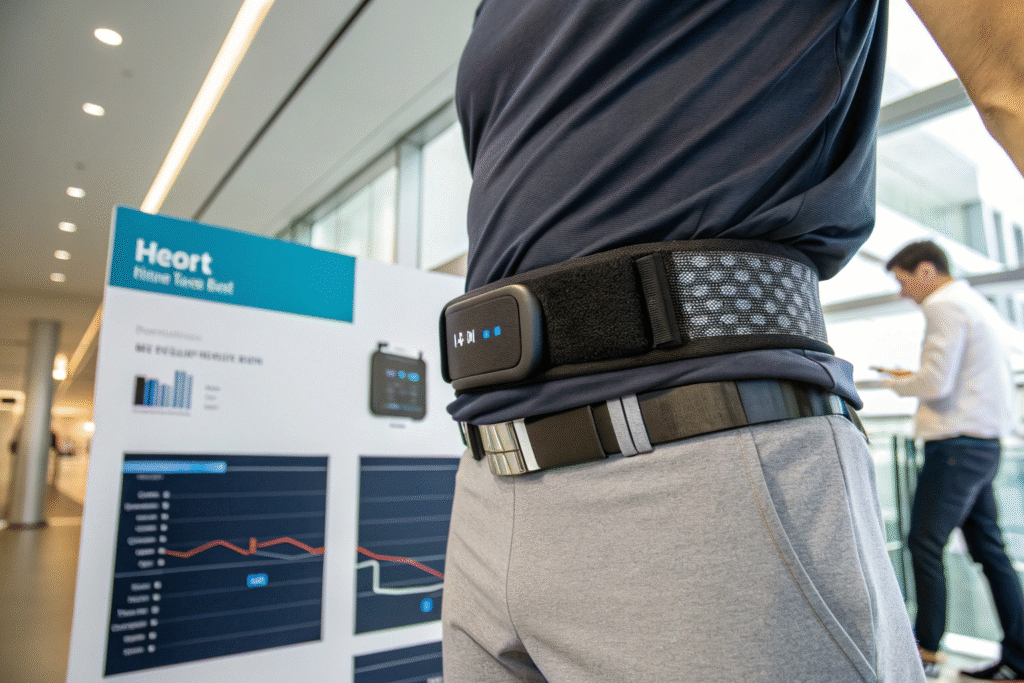
How Does Waist Positioning Enhance Respiration Monitoring?
Respiratory rate and patterns can be accurately monitored through subtle torso expansion and contraction detected by pressure sensors or inertial measurement units (IMUs) in the belt. This positioning captures natural breathing without the conscious adjustment that sometimes occurs with chest straps or manual counting. The continuous monitoring can identify concerning patterns like tachypnea (abnormally rapid breathing) or irregular rhythms that might indicate respiratory or cardiovascular issues.
Why Are Activity Metrics Particularly Suited to Belt Monitoring?
Core body movement and posture tracking benefit from the belt's positioning at the body's center of mass. This location provides optimal data for assessing gait, balance, sedentary behavior, and physical activity intensity. Unlike wrist-worn devices that primarily capture arm movement, waist-positioned sensors better represent whole-body activity and calorie expenditure, making them valuable for weight management and fitness tracking.
What Technology Enables Effective Health Tracking?
Advanced sensor technology, efficient power management, and sophisticated data processing collectively make health-tracking belts feasible. Each technological component must balance performance with the practical constraints of everyday wearability.
Miniaturized sensors, low-energy connectivity, and intelligent algorithms work together to create systems that provide meaningful health insights without compromising comfort or style. These technologies have reached the maturity necessary for integration into fashion accessories.
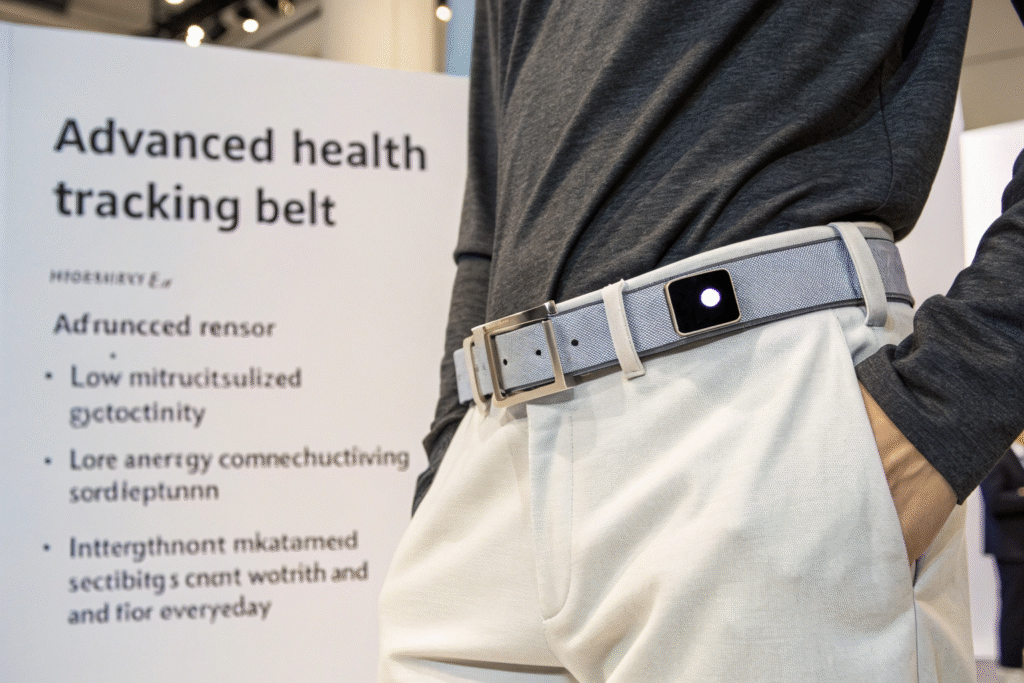
How Have Sensor Advances Made Integration Possible?
Micro-electromechanical systems (MEMS) technology has enabled the miniaturization of accelerometers, gyroscopes, and other sensors to the point where they can be seamlessly integrated into belt materials without adding bulk or weight. These sensors can detect subtle physiological signals through multiple layers of fabric and minimal direct skin contact. The latest generations provide laboratory-grade accuracy in packages small enough to be virtually undetectable during wear.
What Power Management Systems Support Continuous Operation?
Advanced battery technologies and power-efficient designs enable continuous health monitoring throughout typical belt-wearing hours. Strategic power management includes motion-activated monitoring, adaptive sampling rates, and efficient data processing that minimizes energy consumption. The most effective systems balance continuous background monitoring with higher-intensity measurement during activity periods, extending battery life to practical durations between charges.
What Consumer Needs Drive Market Adoption?
Understanding the consumer motivations behind health-tracking belt adoption reveals why this product category is gaining traction alongside established health wearables. These needs span practical convenience, specific health concerns, and lifestyle integration.
The convergence of health consciousness, technology comfort, and desire for unobtrusive monitoring creates demand for products that make health tracking effortless and integrated rather than additional tasks requiring conscious effort.
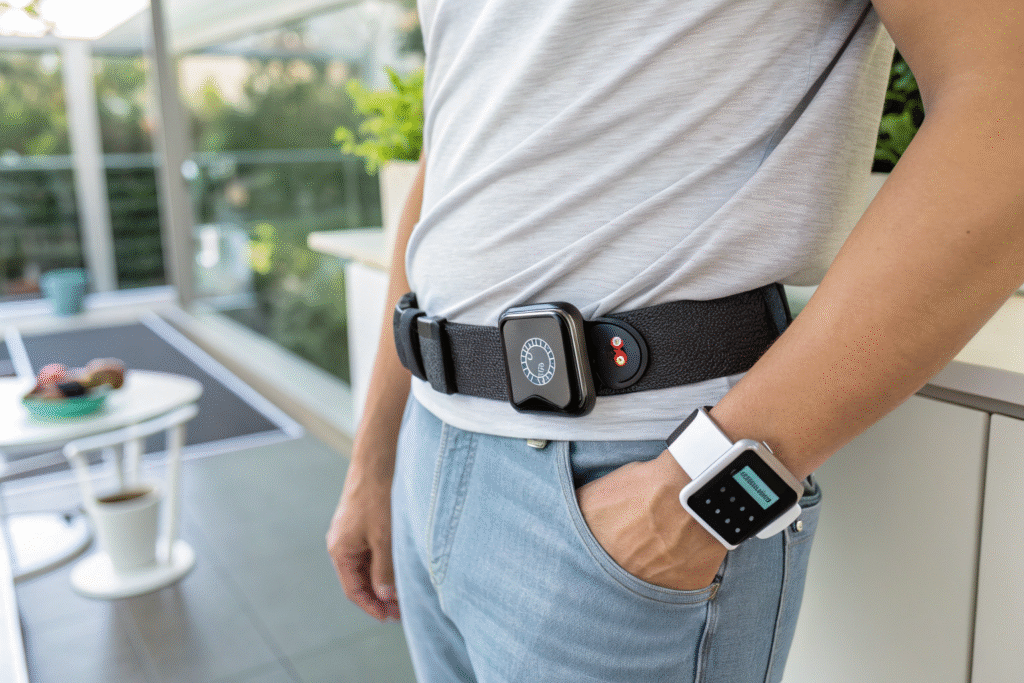
How Does Convenience Drive Adoption Over Dedicated Devices?
The "set it and forget it" appeal of integrated health monitoring addresses the common problem of wearable device abandonment. By incorporating health tracking into an item already worn daily, these belts eliminate the need to remember additional devices or manage separate charging routines. This seamless integration particularly appeals to individuals who want health insights but find dedicated wearables cumbersome or easy to forget.
What Specific Health Concerns Do These Belts Address?
Posture-related issues, sedentary behavior tracking, and core health metrics represent key health concerns that belt positioning is uniquely suited to monitor. With increasing awareness of the health impacts of prolonged sitting and poor posture, consumers seek solutions that provide feedback and reminders throughout the day. The waist position offers ideal monitoring for these specific health issues that other wearable positions cannot address as effectively.
What Regulatory Considerations Impact Development?
Health-tracking products navigate complex regulatory landscapes that vary by claimed functionality and target markets. Understanding these requirements early in development prevents costly redesigns and market access issues.
Medical device regulations, data privacy requirements, and accuracy claims all impact how health-tracking belts can be marketed and what functionality they can offer. Proactive regulatory planning ensures successful market entry.
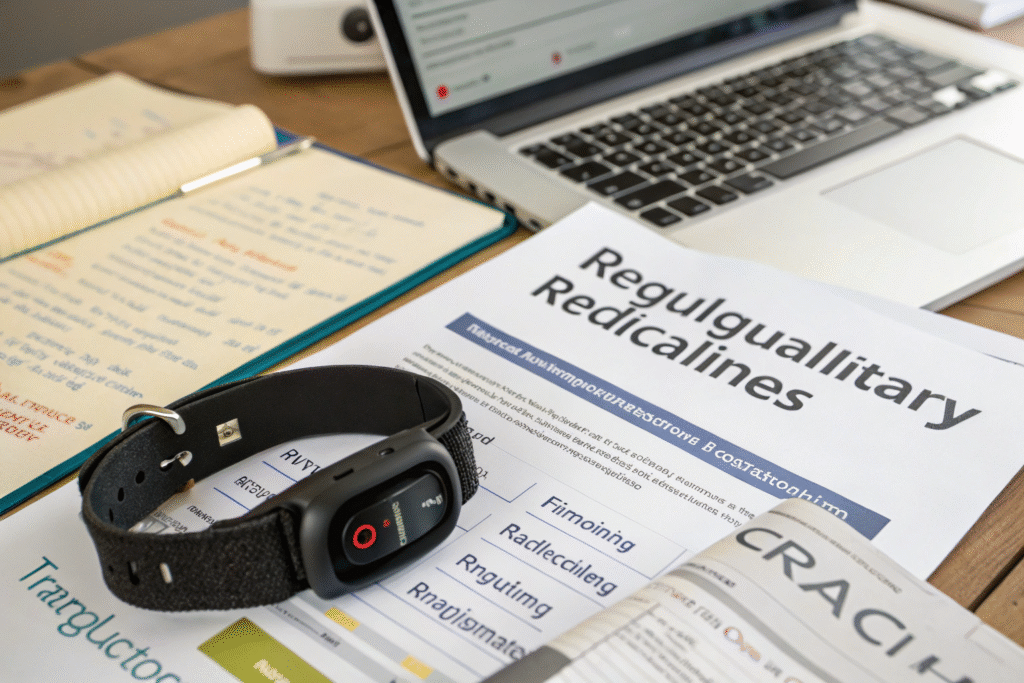
How Do Medical Device Regulations Influence Feature Sets?
FDA regulations for medical devices versus wellness products create important distinctions in what health-tracking belts can claim and how they must perform. Products making specific health claims may require clinical validation and regulatory approval, while wellness-focused products operate under less stringent requirements. Understanding this distinction early guides appropriate feature development and marketing claims.
What Data Privacy Protections Are Required?
Health data privacy regulations like HIPAA in the US and GDPR in Europe impose specific requirements for collecting, storing, and processing health information. Even non-medical health data may trigger privacy obligations, particularly when aggregated or shared with third parties. Robust data protection and transparent privacy policies are essential for consumer trust and regulatory compliance.
| Health Metric | Belt Advantage | Technology Required |
|---|---|---|
| Respiration Rate | Direct torso movement monitoring | MEMS sensors, pattern recognition algorithms |
| Posture Tracking | Center of mass positioning | Multi-axis accelerometers, gyroscopes |
| Activity Level | Whole-body movement capture | Motion sensors, calorie estimation algorithms |
| Stress Indicators | Breathing pattern analysis | Respiratory monitoring, heart rate variability |
Conclusion
Biometric health-tracking belts are emerging as a significant product category by addressing the convergence of health awareness, technological capability, and consumer desire for seamless integration of health monitoring into daily life. The unique waist positioning enables monitoring of specific health parameters that other wearable positions cannot capture as effectively, while the everyday nature of belts ensures consistent wear without additional user effort. As sensor technology continues to advance and consumer health consciousness grows, these innovative products represent a natural evolution in wearable health technology that complements rather than replaces existing solutions.
Ready to explore biometric health-tracking belts for your product lineup? At StylishBelts, we're developing advanced health monitoring technology that integrates seamlessly into fashion-forward accessories. Contact our Business Director Elaine today at elaine@fumaoclothing.com to discuss how our health-tracking expertise can enhance your product offerings.