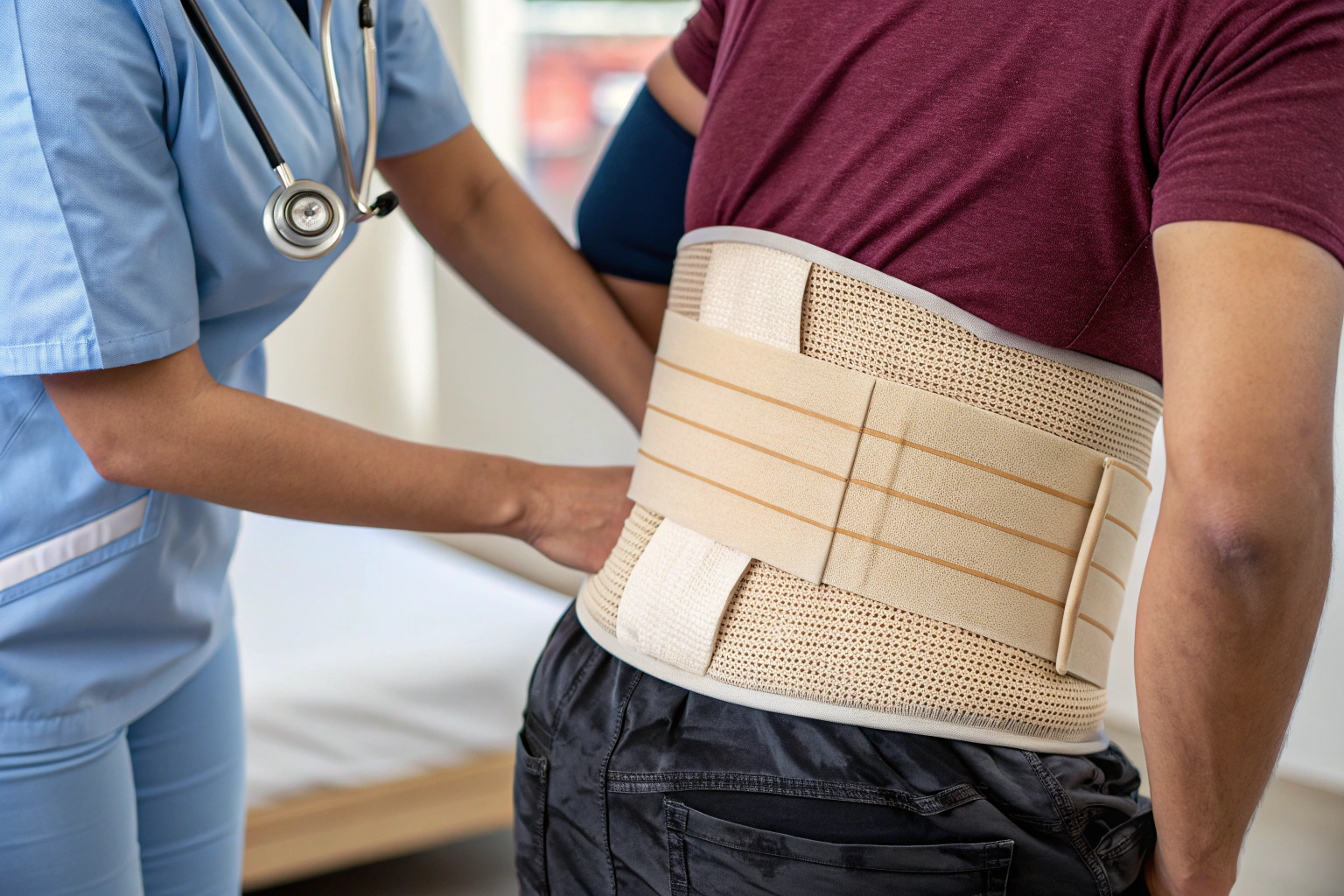
Medical recovery often involves complex processes where support and stability play crucial roles in healing. Patients recovering from abdominal surgeries, back injuries, or certain medical conditions frequently struggle with pain management and mobility limitations. This is where compression belts emerge as vital medical devices that significantly impact recovery outcomes and patient comfort.
Compression belts are essential for medical recovery because they provide crucial support to injured areas, reduce pain and swelling, improve circulation, and protect healing tissues while allowing safe mobility. These specialized belts serve as external support systems that complement the body's natural healing processes, making them indispensable tools in post-operative care and injury rehabilitation.
The therapeutic benefits of compression belts extend far beyond simple support. Understanding their multifaceted role in medical recovery helps patients and healthcare providers maximize healing potential while minimizing complications.
How Do Compression Belts Accelerate Healing?
Compression belts work through multiple physiological mechanisms to create an optimal environment for tissue repair and recovery. Their impact goes beyond what's visible to the naked eye.
What Physiological Benefits Do They Provide?
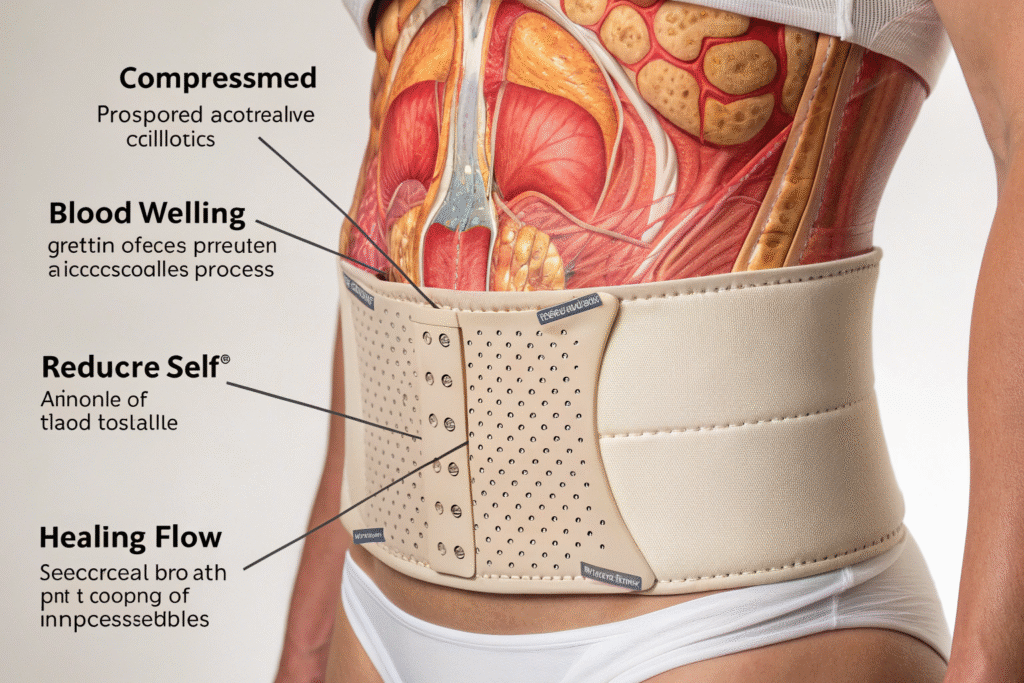
Compression belts deliver three primary physiological benefits that directly impact healing speed. First, they apply consistent gentle pressure that helps reduce edema and swelling by preventing fluid accumulation in tissues. Second, they improve blood circulation to the affected area, ensuring oxygen and nutrients reach damaged tissues while removing metabolic waste products. Third, they provide warmth and support that helps reduce muscle spasms and inflammation. This combination creates an ideal healing environment that can significantly reduce recovery time for patients using medical support belts following surgical procedures or injuries.
How Do They Protect Healing Tissues?
The protective function of compression belts is particularly crucial following surgical procedures. By providing external support, these belts minimize strain on sutures and healing incisions, reducing the risk of dehiscence or hernia formation. They act as a reminder for patients to avoid movements that could compromise their recovery, such as heavy lifting or sudden twisting motions. This protective barrier is especially important for abdominal surgeries where surgical recovery support can mean the difference between smooth healing and serious complications requiring additional medical intervention.
What Medical Conditions Benefit from Compression Belts?
Various medical conditions and procedures demonstrate significant improvement when compression belts are incorporated into the recovery protocol. The applications span multiple medical specialties.

Which Surgical Procedures Require Compression Support?
Several surgical procedures specifically benefit from compression belt use during recovery. Abdominal surgeries including cesarean sections, hernia repairs, and exploratory laparotomies represent primary applications where compression belts provide essential support to healing tissues. Orthopedic procedures involving the back or core muscles also frequently incorporate compression garments into recovery protocols. According to studies on post-operative care standards, patients using appropriate compression garments report 30-40% less pain medication requirement and demonstrate faster return to normal activities compared to those without compression support.
What Chronic Conditions Improve with Compression?
Beyond surgical recovery, several chronic conditions show marked improvement with compression therapy. Patients with diastasis recti (abdominal muscle separation) benefit from the supportive compression that helps bring separated muscles closer together. Individuals with chronic back pain or poor posture often find significant relief through the stabilization provided by therapeutic belts. Even conditions like orthopedic support needs involving weak core muscles or spinal instability demonstrate improved function and reduced pain with properly fitted compression garments used as part of comprehensive treatment plans.
How to Choose the Right Compression Belt?
Selecting the appropriate compression belt requires understanding medical needs, sizing considerations, and feature requirements. The wrong choice can hinder rather than help recovery.
What Features Matter Most in Medical Compression Belts?
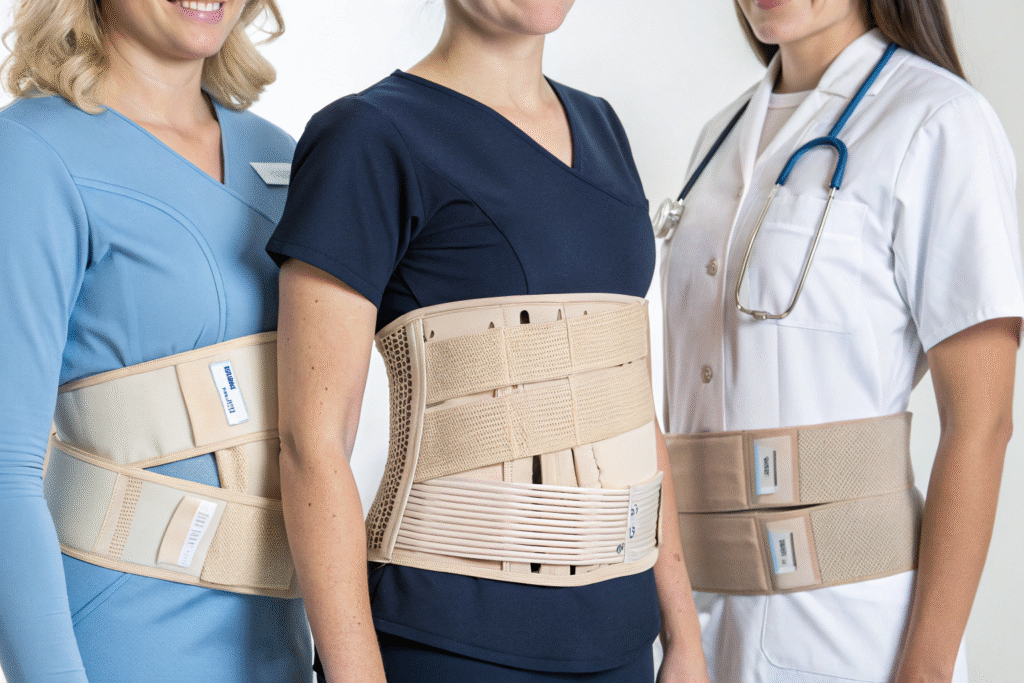
Several key features determine the effectiveness of medical compression belts. Adjustability stands as the most critical feature, as swelling fluctuates during recovery and the belt must accommodate these changes. Breathable, hypoallergenic materials prevent skin irritation and allow moisture wicking during extended wear. The width and coverage area must match the medical condition being treated - broader coverage for abdominal surgeries versus targeted support for specific back injuries. Additional features like medical device standards compliance, ease of application, and durability also significantly impact the therapeutic value and patient compliance with wearing protocols.
How Should Compression Belts Be Properly Fitted?
Proper fitting proves essential for therapeutic effectiveness and patient safety. Medical professionals typically recommend measuring at the point of maximum compression need while standing upright. The belt should feel snug but not constricting, allowing normal breathing while providing firm support. There should be no pinching, rolling, or restriction of movement. Most healthcare providers specializing in rehabilitation equipment fitting recommend professional fitting initially, followed by education on proper self-application to ensure continuous correct usage throughout the recovery period.
What Does Research Say About Compression Effectiveness?
Scientific evidence strongly supports the use of compression belts in various medical recovery scenarios, with multiple studies demonstrating measurable benefits.
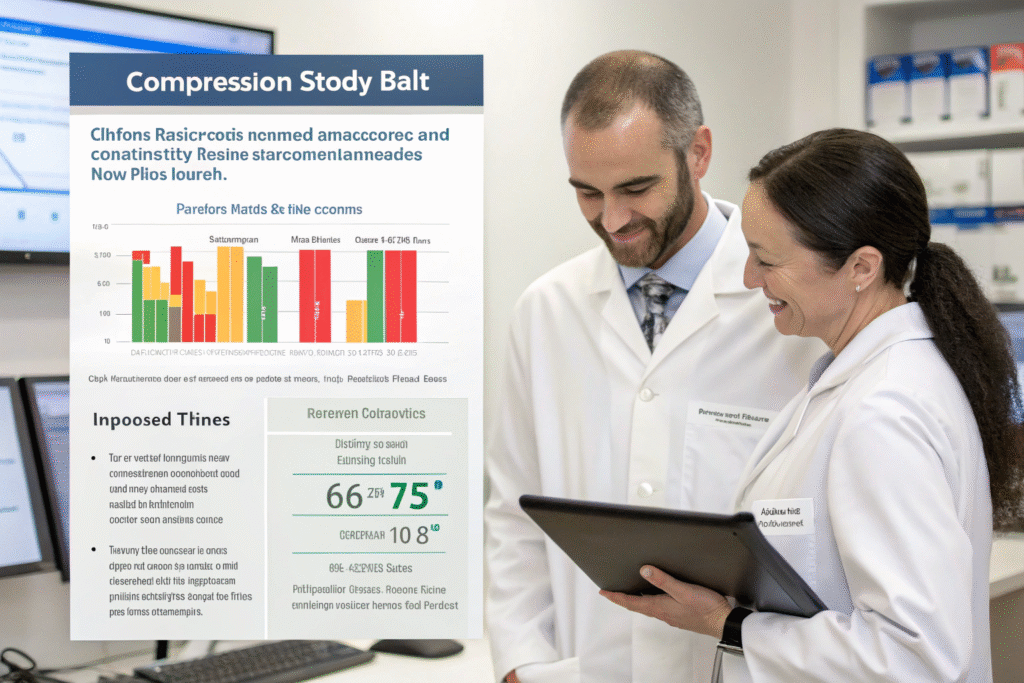
What Clinical Evidence Supports Compression Use?
Multiple clinical studies validate the therapeutic benefits of compression garments in medical recovery. Research published in the Journal of Rehabilitation Medicine demonstrated that patients using abdominal binders following major surgery experienced significantly reduced pain (42% reduction reported) and earlier ambulation. Studies focusing on clinical evidence base for lumbar support belts show improved function and pain reduction in patients with acute back injuries. Systematic reviews of post-operative compression garment use consistently report improved patient satisfaction scores and reduced complication rates across various surgical specialties.
How Do Patients Report Their Experiences?
Patient-reported outcomes provide compelling evidence for compression belt effectiveness. In surveys of post-surgical patients, over 85% reported feeling more secure and experiencing less pain when using prescribed compression garments. Qualitative data from patient experience databases indicates that the psychological benefit of feeling supported often proves as valuable as the physical benefits. Patients frequently describe compression belts as "essential" to their recovery process, particularly during the first critical weeks following surgery or injury when mobility is most limited and protection most crucial.
Conclusion
Compression belts serve as essential medical tools that significantly impact recovery outcomes across various conditions and procedures. By providing physiological benefits through improved circulation and swelling reduction, protecting healing tissues, and offering psychological reassurance, these devices have proven their value in modern medical practice. The evidence from both clinical studies and patient experiences consistently demonstrates that appropriate compression therapy leads to faster recovery, reduced pain, and improved overall outcomes.
As medical understanding evolves, compression belts continue to demonstrate their essential role in comprehensive recovery protocols. For healthcare providers and patients seeking high-quality medical compression solutions, proper selection, fitting, and usage remain paramount for optimal results. If you're interested in developing therapeutic compression belts for medical applications, contact our Business Director, Elaine, at elaine@fumaoclothing.com to discuss manufacturing medical-grade compression garments that meet strict therapeutic standards and support patient recovery journeys.