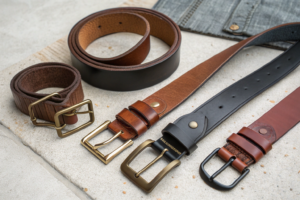
Living in a tropical climate means constant battles with humidity, sweat, and heat that can ruin accessories. Belts, in particular, suffer, often becoming warped, stained, or mildewed. This leaves many people frustrated with their belt choices, cycling through options that don't last a single season.
Cork-backed belts are superior for tropical climates because the natural cork material is breathable, moisture-wicking, and antimicrobial. This combination prevents sweat buildup, inhibits mold and odor, and ensures the belt remains comfortable and intact despite high heat and humidity, unlike common leather or synthetic alternatives.
If you're tired of belts that deteriorate quickly in the heat, understanding the unique properties of cork could be the solution. Let's explore why this natural material outperforms others where it matters most.
How Does Cork Material Combat Humidity and Sweat?
The biggest challenge in tropical climates is managing moisture. Standard belts absorb sweat, leading to damage and discomfort. Cork's natural properties are uniquely suited to handle this problem.
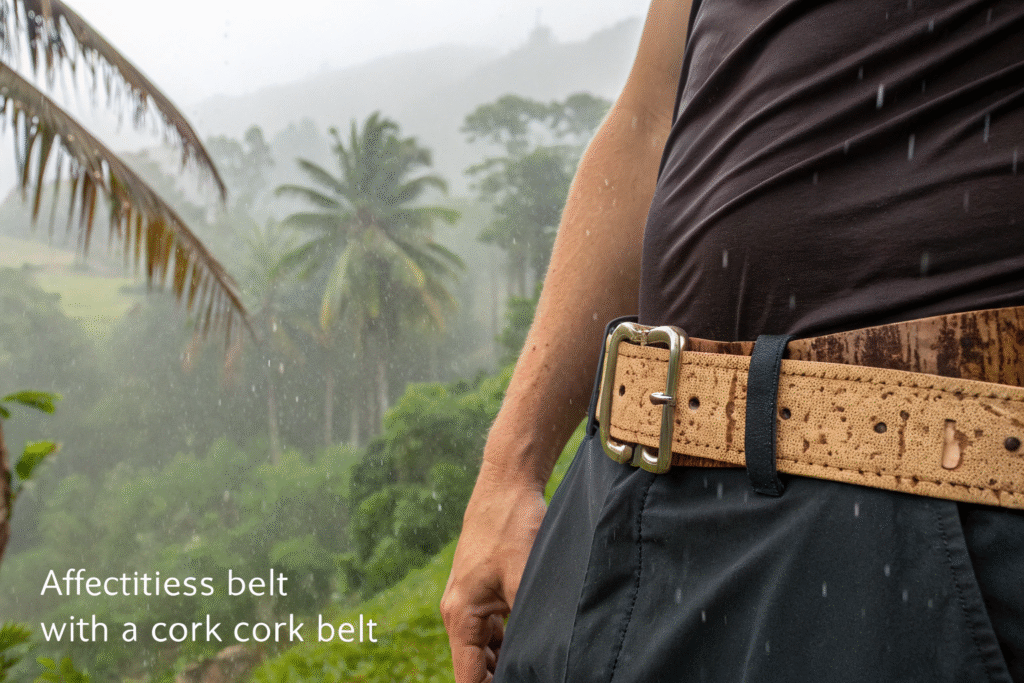
Cork is filled with tiny, sealed air cells that make it naturally hydrophobic, meaning it repels water. When you sweat, the cork backing doesn't absorb the moisture like traditional leather would. Instead, it allows perspiration to evaporate quickly, keeping the belt dry and your skin comfortable. This rapid evaporation is key to preventing the buildup that causes other materials to fail.
What makes cork naturally moisture-wicking?
Cork's moisture-wicking ability comes from its unique cellular structure. The material is composed of a honeycomb of closed cells filled with air, making it naturally resistant to liquid absorption. When used as a belt backing, this structure pulls moisture away from the skin and facilitates its rapid evaporation into the air. This process keeps both the belt and the wearer significantly drier than with a standard leather belt, which can become saturated and stiff.
Why is preventing sweat absorption crucial for belt longevity?
Preventing sweat absorption is critical because moisture is the primary cause of belt degradation in tropical areas. When sweat soaks into a typical leather belt, it leads to the breakdown of fibers, stiffening, and cracking. The salts and acids in sweat can also cause discoloration and weaken the material over time. By repelling moisture, a cork-backed belt maintains its structural integrity and appearance far longer, making it a more durable and cost-effective choice for humid environments.
What Are the Hygienic Benefits of Cork Backing?
In hot and humid conditions, hygiene becomes a major concern. Belts can become breeding grounds for bacteria and fungus, leading to unpleasant odors and potential skin irritation. Cork offers a natural defense against these issues.
Cork contains a substance called suberin, which is a natural biopolymer that makes the material resistant to microbial growth. This means that bacteria and mold, which thrive in damp environments, are unable to grow on the cork surface. This inherent antimicrobial property ensures the belt stays fresher and more hygienic, even with daily use in sweaty conditions.

How does cork resist mold and mildew?
Cork's resistance to mold and mildew is due to the presence of suberin. This waxy substance is naturally found in cork bark and makes the material impermeable to liquids and gases, creating an environment where mold and mildew cannot easily establish or grow. This is a significant advantage over fabric-backed or some synthetic leather belts, which can develop a musty smell and permanent stains from microbial growth in humid climates.
Can a cork-backed belt prevent skin irritation?
Yes, a cork-backed belt can significantly reduce the risk of skin irritation. Because the cork material wicks moisture away and inhibits bacterial growth, it prevents the chafing and rashes that can occur when damp fabric or leather rubs against the skin. The surface of cork is also naturally smooth and non-abrasive. For individuals with sensitive skin, this makes a cork belt a more comfortable and skin-friendly option in the relentless heat.
How Does Cork Compare to Other Belt Materials in the Heat?
When choosing a belt for the tropics, it's helpful to compare cork directly with other common materials. The differences in performance are stark and directly impact comfort and durability.
| Material | Moisture Handling | Durability in Heat | Comfort in Humidity |
|---|---|---|---|
| Cork-Backed Leather | Excellent (Wicks moisture) | Excellent (Resists warping) | Excellent (Stays dry) |
| Full-Grain Leather | Poor (Absorbs sweat) | Fair (Can crack) | Poor (Becomes damp) |
| Synthetic/PU Leather | Very Poor (Traps moisture) | Poor (Can peel) | Very Poor (Causes sweating) |
| Fabric/Webbing | Good (Dries quickly) | Good | Good (Can feel abrasive) |
Why does genuine leather fail in high humidity?
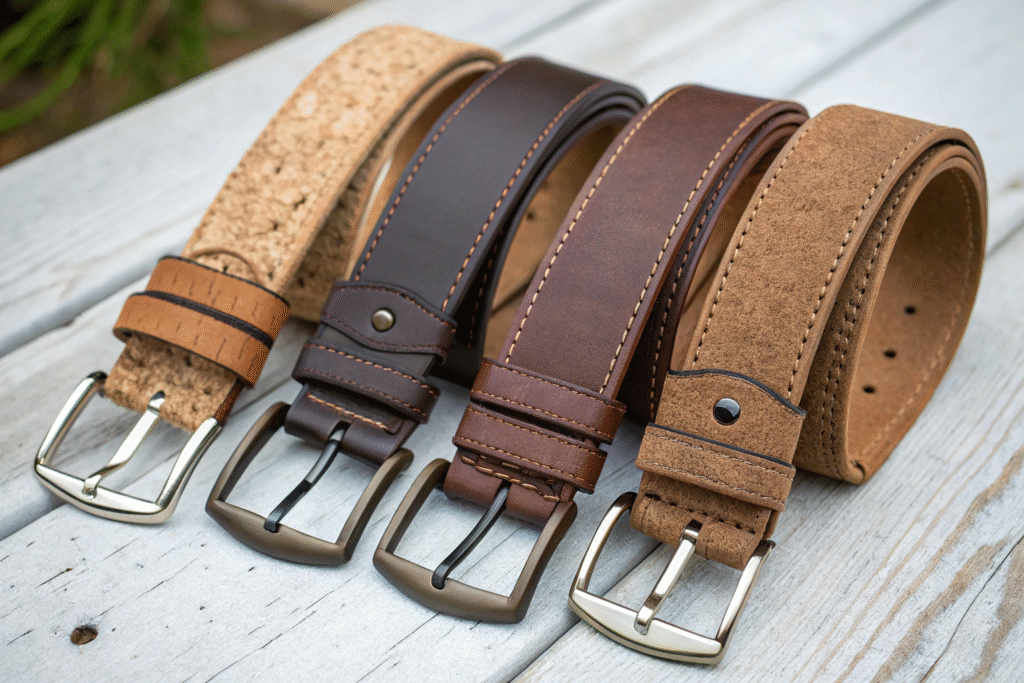
Genuine leather fails in high humidity because it is absorbent and porous. When exposed to constant sweat and moisture, it can become saturated, leading to warping, stretching, and the growth of mildew. The drying process after getting wet often causes the leather to become stiff and brittle, resulting in premature cracking and damage. While a high-quality leather belt is durable in temperate climates, it requires much more maintenance and is less practical for daily tropical wear compared to cork.
Are synthetic belts a good alternative for tropical weather?
Synthetic belts are generally a poor alternative for tropical weather. Materials like PU or PVC are non-porous, which means they trap heat and moisture against the skin. This creates a sticky, uncomfortable feeling and promotes bacterial growth and odor. Furthermore, the adhesive layers in these belts can break down when consistently exposed to heat and sweat, causing the material to delaminate and peel. While affordable, they offer the worst performance in terms of comfort and longevity in humid conditions.
What Should You Look for in a Quality Cork-Backed Belt?
Not all cork-backed belts are created equal. The quality of construction determines how well the belt will perform and last. Knowing what to look for ensures you get a product that lives up to cork's potential.
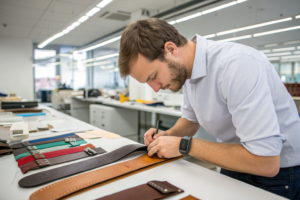
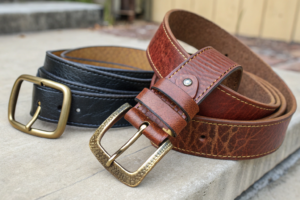
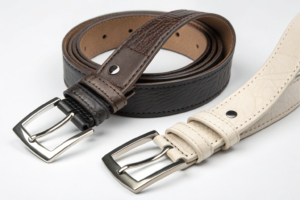
A high-quality cork-backed belt will feature a robust outer layer, typically of full-grain or top-grain leather, firmly bonded to the cork backing. The stitching should be even and tight, and the hardware, such as the buckle, should be made from solid, non-corrosive metal. The craftsmanship ensures the benefits of the cork are fully realized without compromising on style or strength.

How is a durable cork-backed belt constructed?
A durable cork-backed belt is constructed by laminating a thin sheet of high-grade cork to a quality leather facing. This creates a composite material that is both flexible and strong. The best manufacturers use strong, flexible adhesives that can withstand repeated flexing without failing. The edges should be neatly painted or folded and sealed to prevent the layers from separating over time. This careful bonding process is crucial for ensuring the belt remains a single, durable unit through years of use.
What type of buckle works best with cork belts in humid climates?
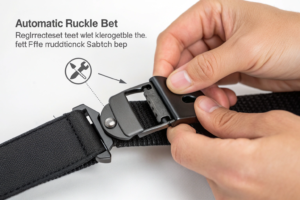
The best buckles for humid climates are made from non-corrosive materials. Solid brass, stainless steel, or zinc alloy with a high-quality plating are excellent choices as they resist tarnishing from sweat and salt in the air. In terms of mechanism, a simple pin buckle or a durable automatic clasp is ideal. These designs are reliable and have fewer small parts that could be compromised by constant exposure to moisture, ensuring the buckle functions smoothly season after season.
Conclusion
Cork-backed belts offer a scientifically superior solution for tropical climates, directly addressing the core issues of moisture, hygiene, and comfort. Their natural ability to wick sweat, resist microbes, and maintain structural integrity makes them the most practical and durable choice for anyone living in or traveling to hot, humid regions.
If you are a brand or retailer looking for a high-performance belt line for tropical markets, we specialize in manufacturing premium cork-backed belts. Contact our Business Director, Elaine, at elaine@fumaoclothing.com to discuss developing your own collection.