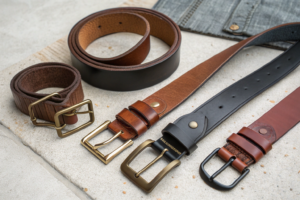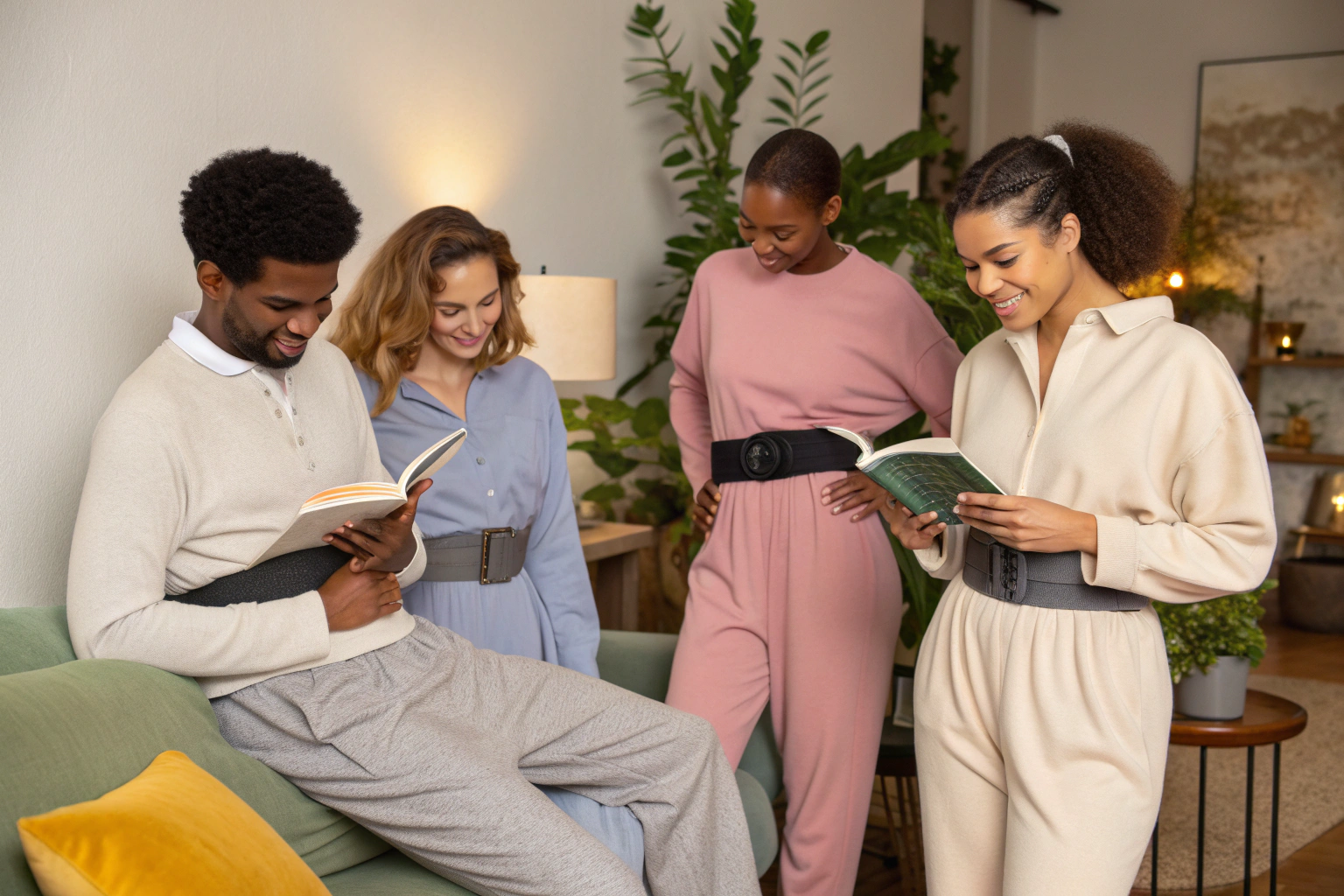
The loungewear revolution has transformed how we dress at home, but one unexpected accessory has emerged as a surprise star: elastic waist belts. As comfort becomes the non-negotiable priority in post-pandemic fashion, these flexible accessories are solving a styling problem many didn't know they had. How did a functional item become a fashion must-have in the comfort-first market?
Elastic waist belts are dominating loungewear markets because they perfectly bridge the gap between comfort and style, providing gentle shaping without restricting movement. Unlike traditional rigid belts that dig into relaxed fabrics, elastic belts move with the body while adding a polished finish to otherwise unstructured loungewear silhouettes. This combination of uncompromised comfort and instant style elevation explains their rapid market penetration.
The elastic waist belt phenomenon represents a fundamental shift in consumer priorities and product design. Let's examine the comfort revolution, styling versatility, material innovations, and market dynamics driving this trend's impressive staying power.
How Does the Comfort Revolution Drive Elastic Belt Demand?
The global shift toward comfort-first dressing has redefined consumer expectations across all categories, with elastic belts emerging as the perfect accessory for this new paradigm. Comfort is no longer just about physical ease but encompasses psychological well-being and adaptive functionality.
The comfort revolution drives elastic belt demand through changing work environments, increased health consciousness, and redefined luxury standards. As remote work becomes permanent for many professionals, clothing that supports all-day comfort without sacrificing professionalism has become essential. Elastic belts meet this need by providing the finished look of traditional belts with the stretch and give of comfortable loungewear.
What Physiological Factors Make Elastic Belts More Comfortable?
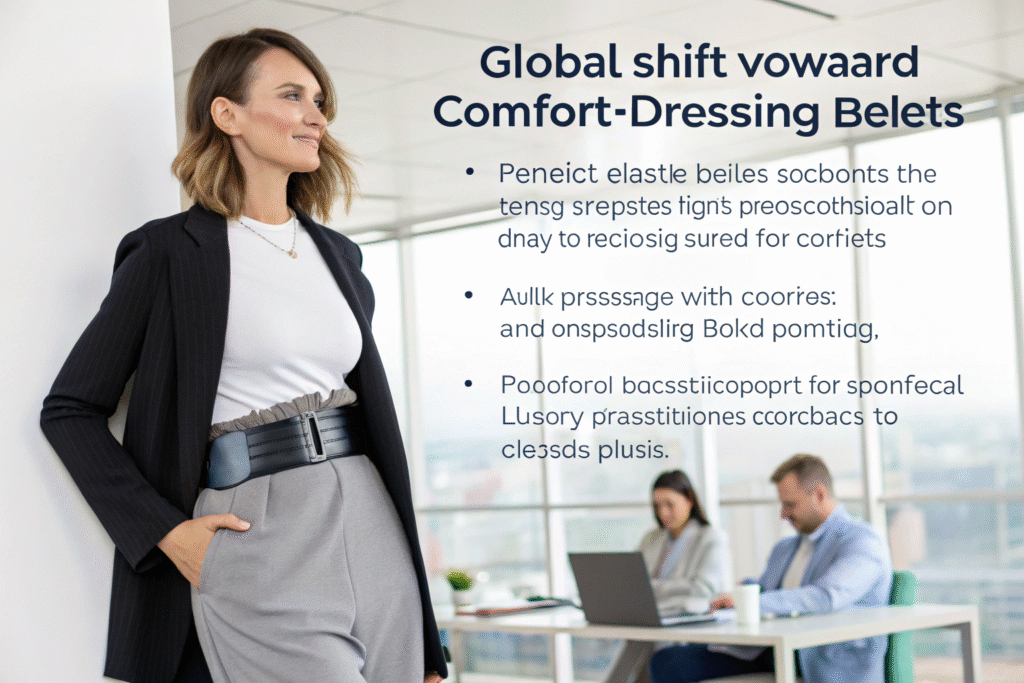
Elastic belts provide superior comfort through even pressure distribution, adaptive sizing throughout the day, and accommodation of natural body movements. Unlike rigid belts that create pressure points, elastic materials distribute tension evenly around the waistline. This prevents the digging sensation that makes traditional belts unbearable during long sitting periods. The stretch accommodation also adapts to natural bloating and posture changes that occur throughout the day, maintaining consistent comfort regardless of body position changes. Research from the Ergonomics Society demonstrates how even pressure distribution prevents discomfort during extended wear, particularly important for sedentary remote workers.
How Have Lifestyle Changes Increased Comfort Demand?
Lifestyle changes including increased remote work, focus on mental wellness, and blurred boundaries between home and social activities have created demand for clothing that transitions seamlessly across contexts. Elastic belts serve this need by working equally well during video calls, home workouts, and casual social gatherings without requiring changes. The psychological comfort of feeling "put together" while maintaining physical ease has become a driving purchasing factor. Market analysis from the The NPD Group shows a 67% increase in hybrid lifestyle products that bridge comfort and style categories since the pandemic began.
What Styling Versatility Makes Elastic Belts Essential?
The styling versatility of elastic belts represents their secret weapon in loungewear dominance. Unlike single-purpose accessories, elastic belts solve multiple styling challenges across various comfort-focused garments.
Elastic belts provide styling versatility through their ability to define silhouettes on unstructured garments, create customizable fits, add color and texture accents, and transition outfits from day to evening. This multifunctionality makes them valuable additions to minimal wardrobes where each piece must deliver maximum utility.
How Do Elastic Belts Transform Unstructured Loungewear?
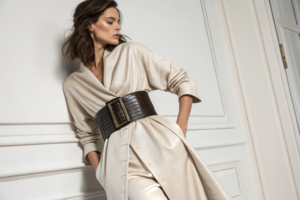
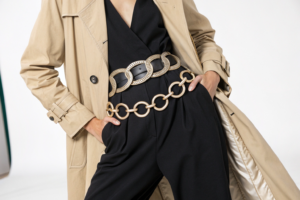
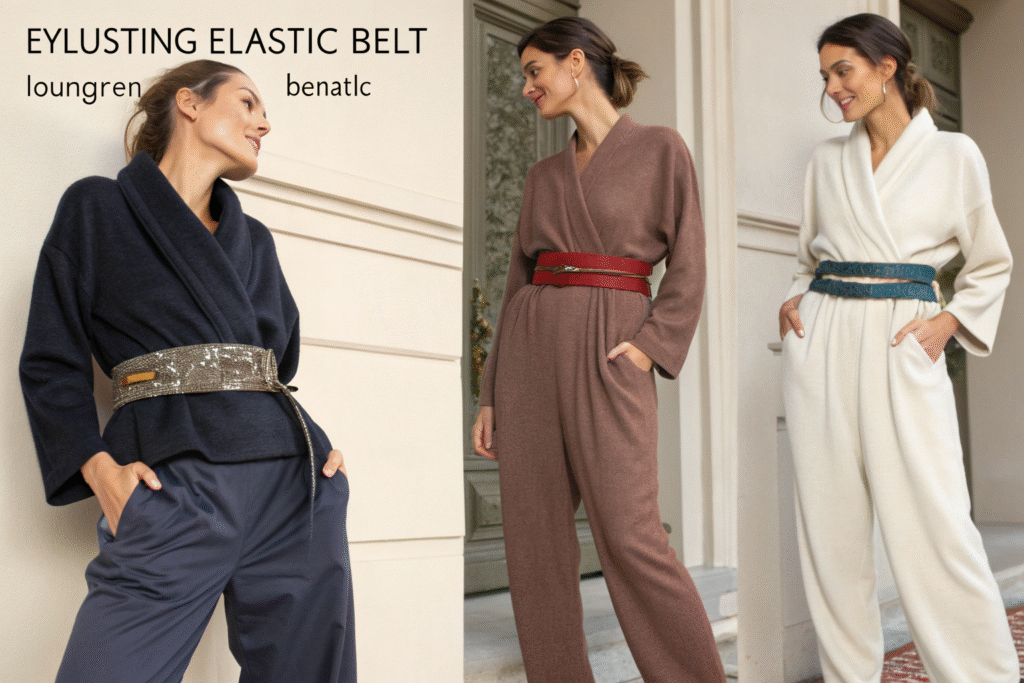
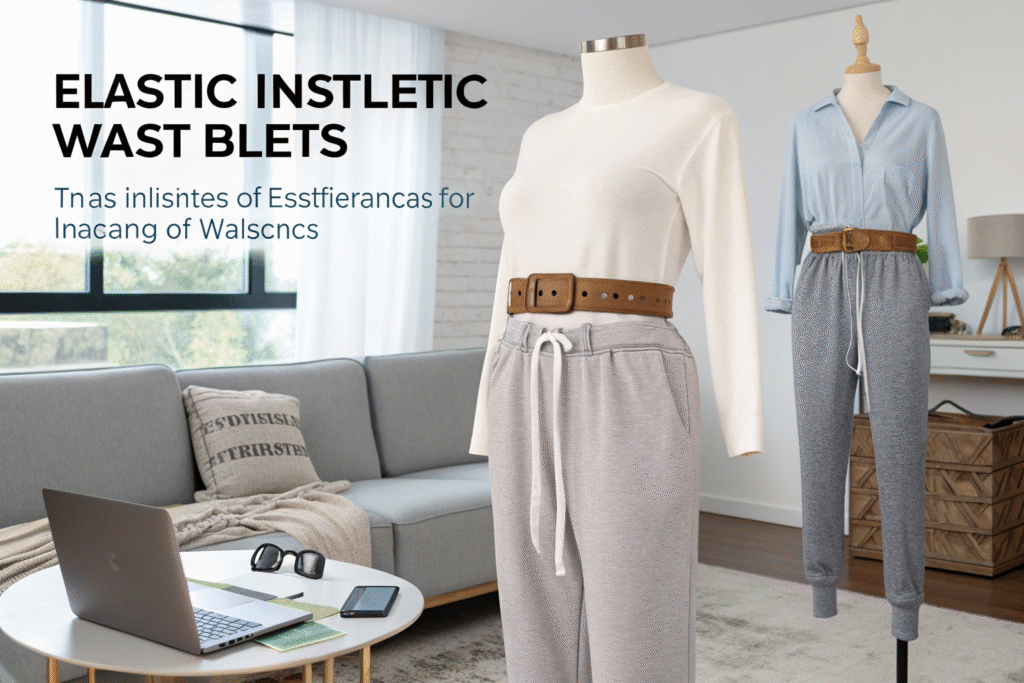
Elastic belts transform unstructured loungewear by creating waist definition that prevents the "sack-like" appearance of many comfort-focused garments. On oversized cardigans, knit dresses, and relaxed jumpsuits, a simple elastic belt creates shape without compromising the easy fit that makes these pieces comfortable. The gentle cinching elevates basic loungewear into intentional outfits suitable for video calls or quick errands without changing clothes. Styling guidance from Who What Wear frequently features elastic belts as the key to making comfortable clothing look polished and intentional.
What Styling Techniques Maximize Elastic Belt Impact?
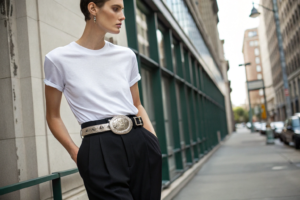
Maximizing elastic belt impact involves positioning them at the natural waist for lengthening effects, using contrasting colors to create visual interest, layering them over longer tops for proportion play, and choosing widths that complement the garment scale. The most effective styling uses elastic belts as both functional and decorative elements, with interesting buckles, textures, or colors that add personality to simple loungewear basics. Fashion education resources from the Fashion Institute of Technology include specific modules on accessorizing unstructured garments for both comfort and style impact.
What Material Innovations Improve Elastic Belt Performance?
Early elastic belts suffered from limited durability and cheap appearance, but recent material innovations have transformed their quality and performance. Today's elastic belts combine technical fabrics with sophisticated design to deliver both style and substance.
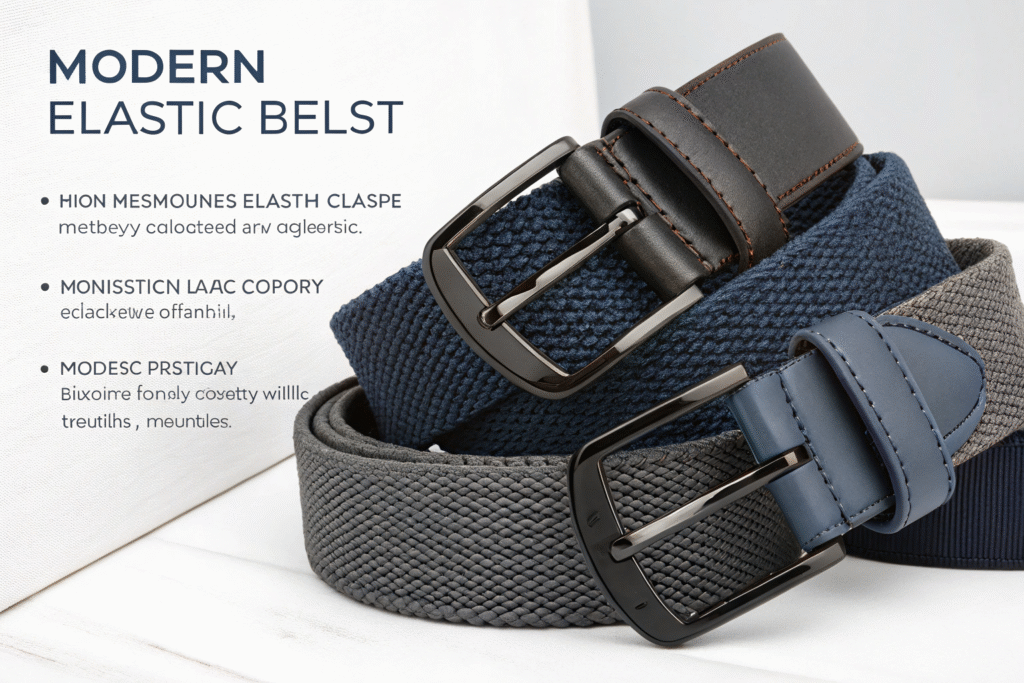
Material innovations include memory elastic that maintains shape, moisture-wicking properties for all-day comfort, sustainable stretch materials, and luxury fabric covers that elevate the basic concept. These advancements address previous limitations while opening new design possibilities that appeal to broader market segments.
What Technical Elastic Developments Enhance Durability?
Technical elastic developments include latex-free alternatives for allergen sensitivity, warp-knit elastics that resist rolling or twisting, and recovery-enhanced fibers that maintain tension through extended wear. These innovations prevent the common failure points of earlier elastic belts while providing consistent performance wash after wash. The integration of technical elastics with luxury materials has been particularly important in convincing premium consumers to embrace the category. The Textile Institute publishes research on elastic material advancements and their applications in fashion and functional accessories.
How Are Sustainable Materials Being Incorporated?
Sustainable material incorporation includes recycled elastic cores, organic cotton covers, plant-based dye processes, and biodegradable stretch alternatives. Brands are responding to consumer demand for eco-conscious comfort products by transparently sourcing materials and implementing circular design principles. The ability to combine sustainability with comfort and style has become a significant market differentiator in the loungewear accessories category. Certification standards from Global Organic Textile Standard provide frameworks for verifying sustainable claims in elastic textile products.
How Do Market Dynamics Support Elastic Belt Growth?
The elastic waist belt trend isn't occurring in isolation but reflects broader market shifts and consumer behavior changes. Understanding these dynamics helps explain why this category shows such strong staying power beyond temporary trend cycles.
Market dynamics supporting elastic belt growth include the formalization of remote work, expansion of the "third space" between home and office, influencer validation of comfort dressing, and retailer merchandising strategies that position elastic belts as loungewear essentials.
What Consumer Segmentation Drives Elastic Belt Adoption?
Key consumer segments driving adoption include remote workers seeking video-appropriate comfort, health-conscious consumers prioritizing unrestricted movement, minimalist wardrobes seeking versatile pieces, and fashion-forward consumers embracing the "elevated comfort" aesthetic. Each segment discovers elastic belts through different pathways but arrives at the same conclusion: they solve multiple dressing challenges simultaneously. Market research from McKinsey's State of Fashion report identifies hybrid dressing as one of the most significant long-term shifts in consumer behavior.
How Are Retail Strategies Capitalizing on This Trend?
Retail strategies capitalizing on the trend include merchandising elastic belts with matching loungewear sets, creating "work from home" styling bundles, positioning them as giftable comfort items, and educational content showing styling versatility. Successful retailers understand that elastic belts often serve as gateway products to broader loungewear collections, making them valuable for customer acquisition and retention. E-commerce platforms like Shopify provide tools for creating bundled product offerings that increase average order value while introducing customers to complementary categories.
Conclusion
Elastic waist belts have emerged as the unexpected hero of the loungewear revolution by solving the fundamental tension between comfort and style. Their dominance reflects deeper shifts in how we live, work, and dress—prioritizing adaptability without sacrificing aesthetics. The category's impressive growth stems from addressing genuine consumer needs rather than following fleeting fashion trends.
The elastic belt phenomenon demonstrates how functional accessories can become style essentials when they perfectly align with contemporary lifestyles. If you're looking to develop elastic waist belts for the expanding loungewear market, our manufacturing expertise can help create products that combine comfort, style, and quality. Contact our Business Director, Elaine, to discuss how we can develop elastic belt collections for your brand. Reach out to Elaine at elaine@fumaoclothing.com. Let's create the comfortable accessories that today's consumers are seeking.