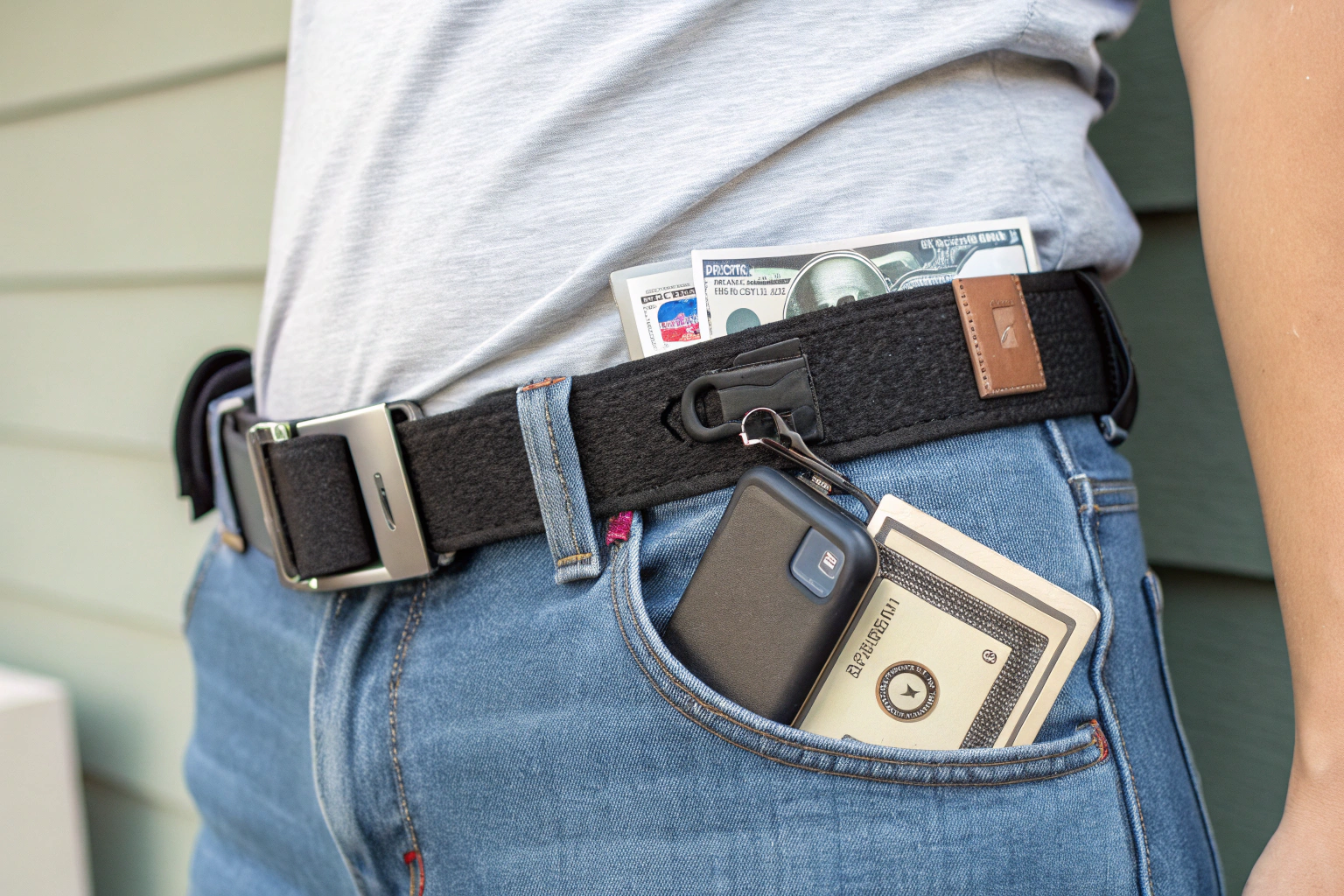
In an increasingly cashless and digital world, a paradoxical trend is emerging: the rise of emergency cash pocket belts. These are not your grandfather's clunky money belts, but sleek, integrated designs featuring hidden zippered or slip pockets sewn discreetly into the inner lining of a belt. At a time when phone payments reign supreme, why are consumers—especially younger, tech-savvy demographics—actively seeking out accessories to hold physical currency? The answer lies at the intersection of practical risk mitigation, a growing distrust in systemic fragility, and the rise of a self-reliant, "prepper-lite" mindset integrated into everyday fashion.
Emergency cash pocket belts are trending because they offer a tangible solution to digital vulnerability, providing a fail-safe backup when phones die, networks fail, or card systems crash. They cater to the modern "everyday carry" (EDC) and urban preparedness movement, represent a form of discreet financial privacy in a surveilled economy, and have been redesigned with contemporary aesthetics that make security both stylish and socially acceptable.
For accessory brands and manufacturers, this trend represents a significant opportunity to blend utility with fashion, creating products that resonate on both a practical and psychological level. Let's unpack the drivers behind this savvy, security-conscious trend.
What Practical Needs Do They Address in a Digital Age?
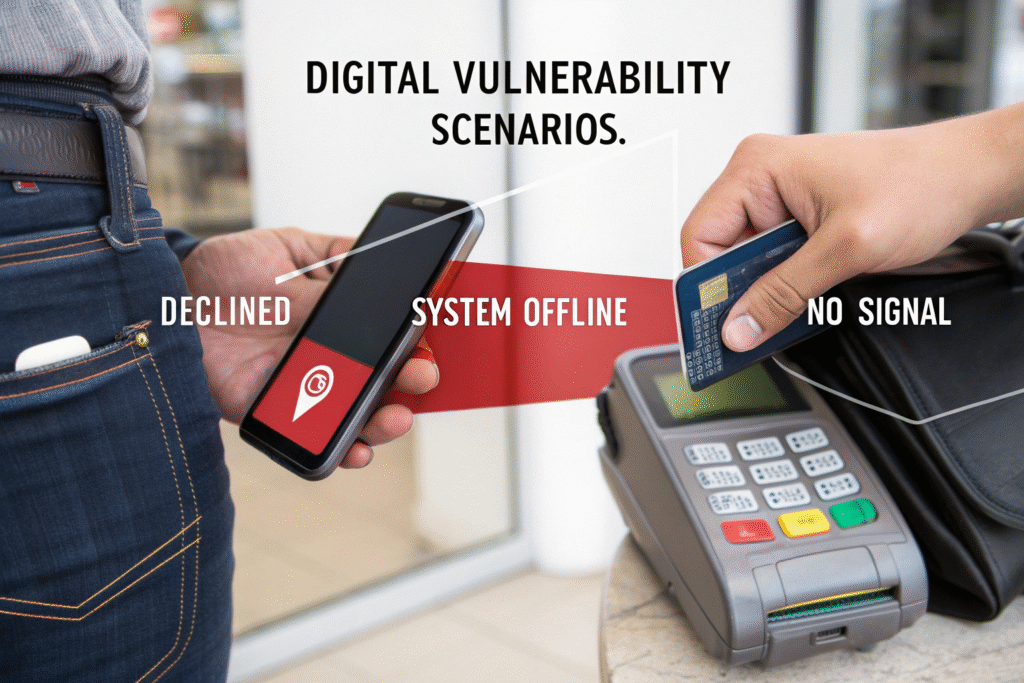
The convenience of digital payments is undeniable, but it creates a single point of failure: your smartphone or a functioning electronic network. Emergency cash belts solve for the edge cases—the moments when the seamless digital experience breaks down. They are a backup plan worn on your body, ensuring you are never stranded or powerless in a transaction.
These belts address critical vulnerabilities: power failure of electronic devices; payment network outages affecting cards and digital wallets; situations requiring tipping or small cash transactions where cards are impractical; travel in areas with limited digital infrastructure or where cash is king; and providing a secure, pickpocket-proof storage method that is more accessible than a bag. They are the sartorial equivalent of a backup generator.
How Do They Function as a "Digital Lifeboat"?
Imagine your phone battery dies after a long day, you're miles from home, and you need a taxi. Or, a widespread network outage, like those experienced by major banks or payment processors, renders cards useless at a critical moment. An emergency cash belt provides immediate agency. Storing a small amount of "get-out-of-trouble" cash—often suggested as $50-$200—can cover a ride home, a meal, a tank of gas, or essential supplies during a short-term crisis. This utility aligns with core principles of personal risk management and preparedness. For the urban dweller, it's less about surviving in the wilderness and more about navigating urban unpredictability.
Why is the "Tipping & Small Transaction" Use Case Significant?
Despite the push for cashless societies, many small businesses, service workers (valets, coat check, tour guides), and informal economies still heavily rely on cash. Fumbling to find cash in a wallet or phone case can be awkward. A discreet compartment in a belt allows for quick, subtle access without revealing a larger wallet, which is a security benefit in itself. This makes the belt not just for emergencies, but for smooth, everyday social and economic interactions.
What Cultural Shifts Are Driving Their Popularity?
The trend is fueled by deeper cultural currents than mere practicality. It reflects a generational shift in mindset, where being prepared is not seen as paranoid but as prudent and even fashionable. This is the mainstreaming of preparedness culture, moving from the fringe to a core component of a curated, responsible lifestyle.
Key cultural drivers include: the normalization of the "Everyday Carry" (EDC) philosophy, which values minimal, reliable tools; a growing distrust in systemic stability (financial, technological, grid); the influence of minimalist and functional fashion trends like techwear; and the post-pandemic mindset that emphasizes personal contingency planning for unexpected disruptions.
How Has the EDC Movement Mainstreamed This Concept?
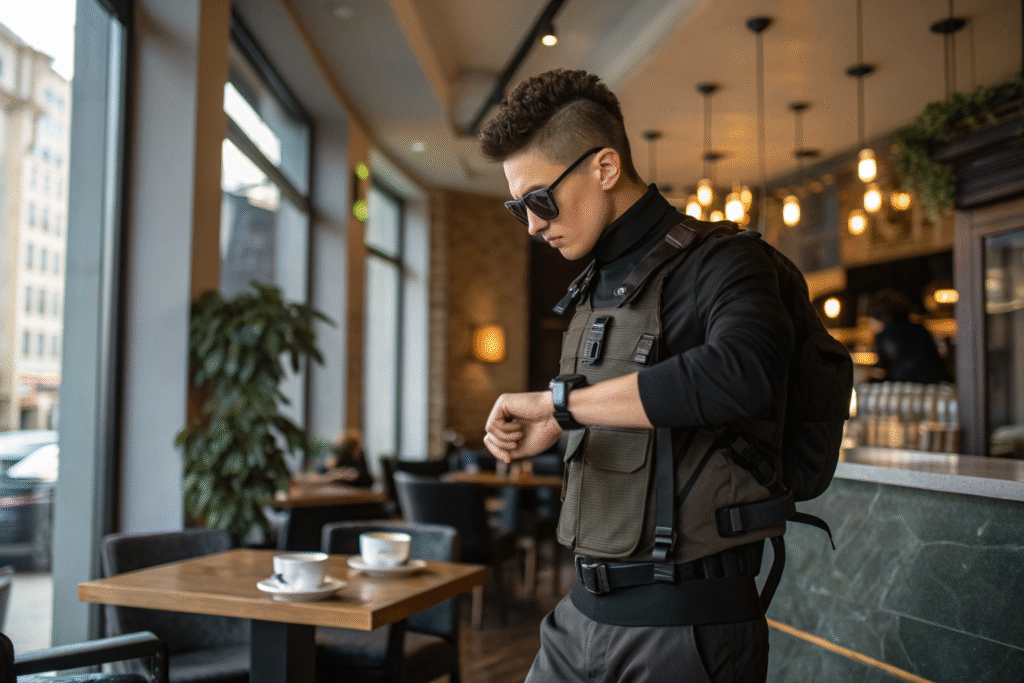
The Everyday Carry movement, once niche among enthusiasts who meticulously curated pocket knives, flashlights, and multi-tools, has profoundly influenced mainstream consumer goods. It champions the idea of carrying versatile, high-quality items that empower you throughout the day. An emergency cash pocket belt is a quintessential EDC item: it's always on you, serves a critical function, and eliminates a point of dependency. Fashion and accessory brands have adeptly incorporated this utility into aesthetically pleasing products, making preparedness accessible and stylish.
What Role Does "System Distrust" Play?
Anecdotal and reported experiences of payment system failures, concerns over financial surveillance, and a general awareness of societal fragility have made individuals seek more control. Physical cash is decentralized, anonymous, and cannot be remotely frozen or hacked. Storing it on your person in a hidden compartment is both a practical and symbolic assertion of independence from digital systems that can fail or be weaponized. This isn't about rejecting technology, but about creating a resilient backup—a concept that resonates strongly in an era of climate-related and cyber-related disruptions.
How Have Design Innovations Made Them Fashionable?
The outdated, bulky "tourist" money belt made of nylon that screams "I'm hiding valuables" is dead. The current trend is driven by invisible, integrated design. The innovation lies in embedding this security feature without compromising the belt's primary function as a fashion accessory. The pocket must be truly hidden, secure, and not affect the drape or comfort of the belt.
Modern designs feature: ultra-slim, welded-seam pockets made from tear-resistant fabrics (e.g., Dyneema, ripstop nylon) that add no bulk; discreet, high-quality zippers or magnetic closures that lie flat and are inaccessible when the belt is worn; integration into the inner lining of leather belts or within the webbing layers of nylon belts; and moisture-resistant barriers to protect cash from sweat. The best designs are undetectable to the casual observer.

What are the Key Material and Construction Innovations?
- Laminated Construction: High-end belts use laminated layers. The cash pocket is sandwiched between the outer leather (or fabric) and a soft inner lining, making it invisible from both sides.
- Laser-Cut and Welded Seams: Instead of bulky stitching, advanced materials are welded with radio frequency (RF) or ultrasonic welding, creating a perfectly flat, strong, and water-resistant seam. This technology is borrowed from high-performance outdoor gear manufacturing.
- Strategic Placement: The pocket is placed along the length of the belt, often in the section that rests on the hip or back, where it lays flattest and is least likely to create a visible lump, unlike a pocket near the buckle.
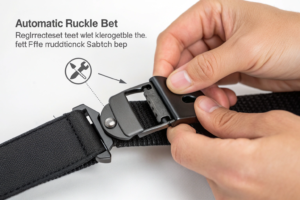
- Buckle Compatibility: The design works with a variety of buckles—from classic pins to modern quick-release—without interfering with the mechanism. The belt remains fully functional and adjustable.
How Does Aesthetic Integration Drive Adoption?
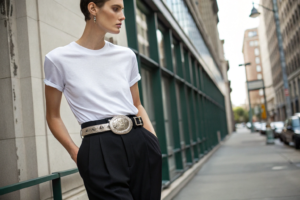
The success lies in the product's dual identity. To the outside world, it's a sharp-looking dress belt, a rugged canvas belt, or a trendy technical belt. Only the wearer knows its secondary function. This allows it to be worn in professional, social, and casual settings without signaling "prepper" or "tourist." It becomes a personal secret and a style item, which is a powerful combination for social media sharing and word-of-mouth marketing within communities interested in functional fashion.
What Are the Sourcing and Marketing Implications?
For brands, this trend requires a specific approach to both sourcing and communication. The product is more technically complex than a standard belt, and its value proposition must be communicated in a way that appeals to both the practical and aspirational sides of the consumer.
Sourcing implications: need for manufacturers with expertise in multi-layer lamination and technical fabric integration; sourcing specialized components like flat, waterproof zippers and tear-resistant liners; rigorous durability testing for the pocket's seams and closures; and potentially higher minimum order quantities (MOQs) due to the complex construction. Marketing must highlight invisible utility, quality construction, and the empowering lifestyle benefit, not just the feature itself.
How to Source a Manufacturer for This Hybrid Product?
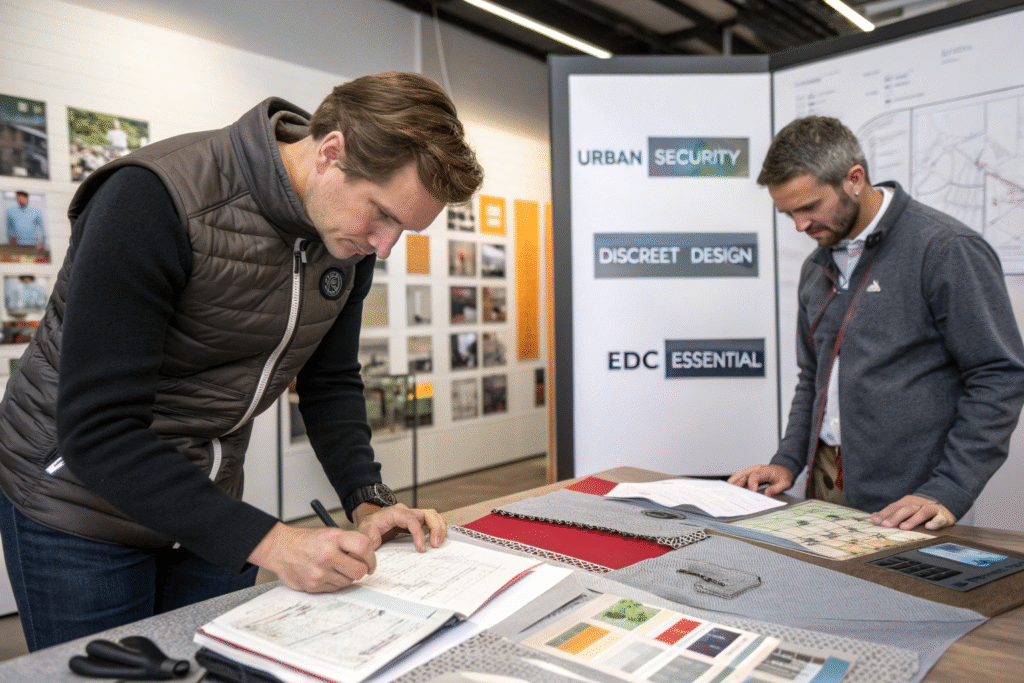
Not every belt factory can execute this well. Vetting questions should include:
- "Can you show me examples of belts you've made with integrated inner pockets or laminated constructions?"
- "What is your process for ensuring the pocket lies perfectly flat and does not 'bubble' or create noise when walking?"
- "How do you source and test the durability of the closure (zipper/magnet) in this application?"
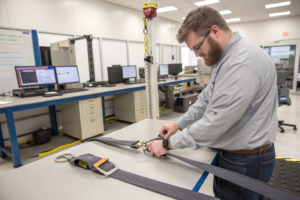
- "What testing do you perform on the pocket's seam strength (e.g., peel test) after repeated flexing?"
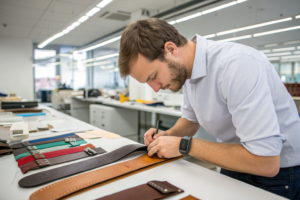
A competent factory will understand that the pocket is not an add-on but an integral part of the belt's architecture. They should provide prototypes that you can stress-test—bend, wear, and load—to evaluate real-world performance.
How to Market the "Invisible Safety Net"?
The marketing narrative should be sophisticated:
- Focus on Empowerment, Not Fear: Frame it as "carry confidence," "everyday freedom," or "your plan B, beautifully designed." Avoid dystopian overtones.
- Highlight Quality & Discretion: Use cutaway visuals and high-quality photography to show the hidden craftsmanship. Emphasize materials: "Full-grain leather exterior, lined with a silent, ripstop nylon compartment."
- Lifestyle Positioning: Show the belt in contexts where its utility shines: travel, nights out, business trips, outdoor festivals, or daily commuting. Partner with EDC influencers, travel bloggers, and minimalist fashion creators.
- Bundle with EDC: Market it as part of a curated preparedness kit or alongside other high-quality EDC items. This taps into the existing EDC community's search for gear.
This approach positions the belt not as a survivalist tool, but as a smart, contemporary accessory for the mindful modern individual.
Conclusion
The trend of emergency cash pocket belts is a fascinating case study in how practical necessity, cultural shift, and design innovation converge to create a new product category. It answers a genuine need for security and autonomy in an interconnected yet fragile world, while satisfying the desire for stylish, well-made accessories. This is not a passing fad but a reflection of a more resilient, self-reliant, and considered approach to daily life.
For brands and manufacturers, it represents an opportunity to add meaningful value through intelligent design. By mastering the technical challenges of seamless integration and communicating the product's benefits with a focus on empowerment and quality, they can tap into a growing market of consumers who value both form and profound function.
If you are looking to develop a line of belts that combines impeccable style with hidden utility, partnering with a manufacturer skilled in complex construction and material integration is crucial. We specialize in creating these hybrid, feature-rich accessories with flawless execution. Contact our Business Director, Elaine, to discuss designing your own line of emergency-ready belts: elaine@fumaoclothing.com. Let's build security into style.