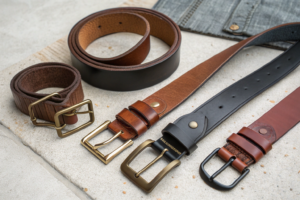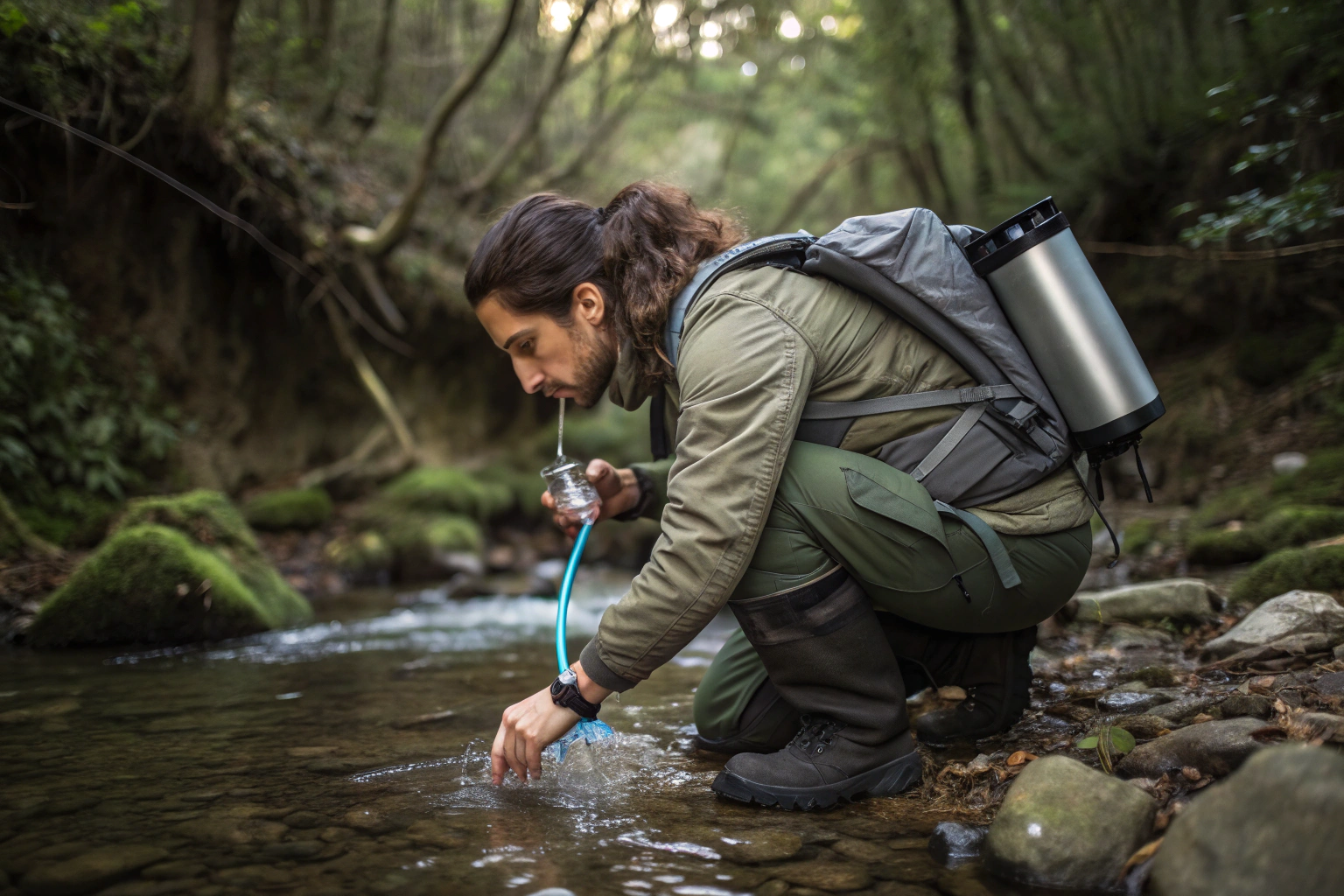
In the expanding universe of survival gear and everyday-carry (EDC) products, innovation is moving beyond backpacks and into the accessories we wear daily. A new category is emerging at the intersection of functional fashion and life-saving technology: the emergency water purifier belt. This isn't a belt with a canteen attached; it's a discreet wearable that integrates water filtration technology directly into its structure, allowing the wearer to source safe drinking water from potentially contaminated sources. For outdoor enthusiasts, disaster preparedness communities, and forward-thinking brands, this product represents a paradigm shift in personal safety gear. But why is this niche product suddenly finding a wider audience?
Emergency water purifier belts are gaining traction because they address a fundamental survival need—access to safe water—in the most convenient and always-accessible way possible. By integrating purification into an item worn every day, they eliminate the "I forgot it in my pack" failure point. This convergence is driven by growing awareness of climate-related disasters, increased participation in outdoor activities, a rising EDC culture focused on preparedness, and advances in miniaturized filtration technology that make such integration feasible.
The belt transforms from a simple accessory into a critical, life-sustaining tool. It embodies the "always prepared" ethos without requiring a change in daily behavior. Let's explore the key drivers behind this growing market trend.
What survival scenarios drive the demand for this product?
The demand isn't born from abstract fear, but from identifiable, increasingly common scenarios where access to clean water is compromised. These scenarios highlight the product's value proposition far beyond a gimmick.
Key survival scenarios driving demand include: unexpected wilderness emergencies (a day hiker getting lost or injured), natural disasters (hurricanes, floods, or earthquakes disrupting municipal water supplies for days), urban survival situations (infrastructure failure during crises), and international travel to regions with uncertain water quality. In each case, having a reliable, on-person water purification method can prevent dehydration and waterborne illness, fundamentally altering survival outcomes.
The product's core appeal is its role as an insurance policy. You hope never to use it, but its presence provides profound peace of mind. For the growing number of people engaging in solo adventures or living in disaster-prone areas, this insurance is becoming a rational purchase.
How does it compare to traditional portable water filters?
Traditional filters—pump filters, gravity bags, squeeze bottles—are effective but have a critical flaw: they are separate items that must be consciously carried. In an emergency, they can be left behind, lost, or buried in a pack.
- Accessibility: A purifier belt is worn. It's on you the moment a crisis strikes, whether you're in your car, at the office, or on a trail.
- Discreteness: It functions as a normal fashion belt or outdoor belt until needed, avoiding the "tactical" look that may be undesirable in everyday settings.
- Speed: Many designs allow for drinking directly from a water source through the belt (like a straw), enabling immediate hydration without the steps of unpacking, assembling, and pumping a traditional filter.
For the urban prepper or the day hiker seeking minimal gear, the belt’s integrated, always-present nature offers a compelling advantage over traditional options that reside in a kit at home or in the trunk of a car.
Is it relevant for urban disaster preparedness?
Absolutely. Modern urban disaster preparedness plans often fail at the water storage stage. People may store gallons of water, but it can be contaminated, run out, or become inaccessible. A water purifier belt provides a renewable solution.
Following an earthquake or flood, tap water may be unsafe, and stores may be closed or emptied. A wearer could use the belt to purify water from a bathtub (filled pre-disaster), a rainwater collector, or even a residential swimming pool (treating chlorine and contaminants). Its urban relevance is a major growth driver, appealing to a broad demographic far beyond hardcore survivalists. Organizations like Ready.gov emphasize the critical need for water planning, which this product directly addresses in a novel way.
What are the core technologies integrated into these belts?
The feasibility of this product hinges on the miniaturization and durability of water purification technologies. Not all belts are created equal; their effectiveness depends on the specific filtration or purification method engineered into the strap or buckle.
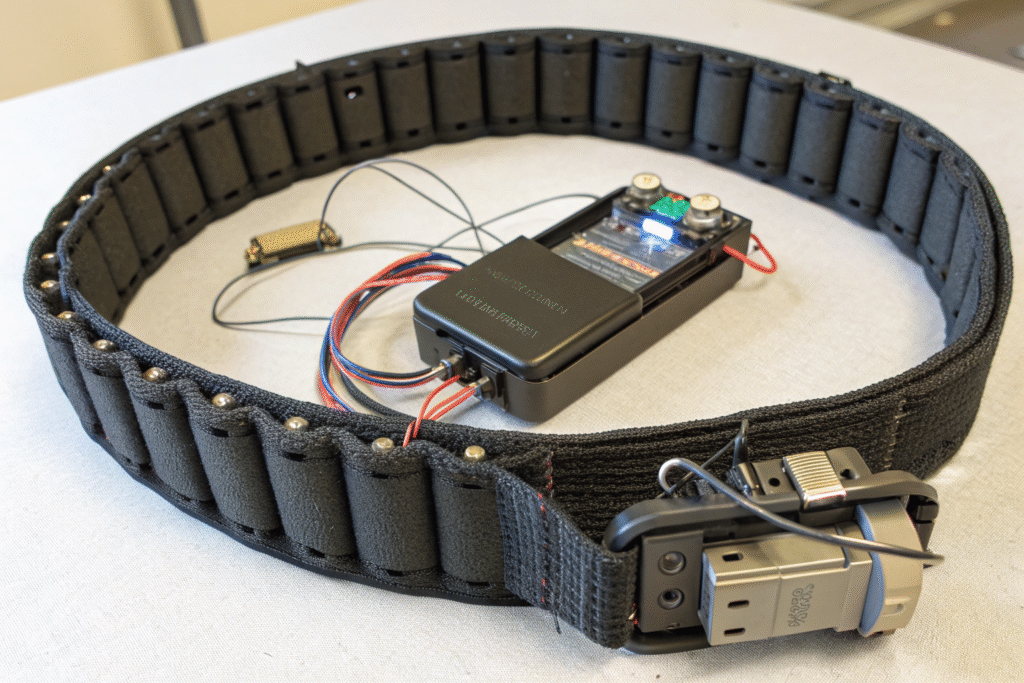
Core technologies include: 1) Hollow Fiber Membrane Filters: Thousands of micro-tubes in a belt segment that physically block bacteria and protozoa (e.g., 0.1 or 0.01 micron). 2) Activated Carbon Elements: Integrated to improve taste and reduce chemicals/chlorine. 3) Electrochemical Purification: A small battery-powered unit in the buckle that uses electrolysis to generate purifying agents like mixed oxidants. 4) UV-C LED Sterilization: A compact UV light in a sealed chamber through which water is passed, destroying microbial DNA. Often, technologies are combined (e.g., membrane + carbon) for broad-spectrum protection.
The engineering challenge is to make these components flexible enough for a belt, durable against repeated flexing, and capable of storing or protecting the functional elements when not in use.
How effective are hollow fiber membranes in a flexible format?
Hollow fiber membrane (HFM) technology is the gold standard in portable filtration. These ultra-fine plastic fibers have microscopic pores that act as a physical barrier to pathogens. Integrating them into a belt requires embedding a cartridge or a flexible flat-pack of fibers into a rigid or semi-rigid section of the belt, often housed in a removable pod or a reinforced section of the strap.
Their effectiveness remains high (typically meeting US EPA standards for bacteria and protozoa removal) as long as the membrane integrity is maintained. The key sourcing question for buyers is: how does the design protect these delicate fibers from crushing, puncturing, or freezing (which can crack the membranes)? A quality manufacturer will have rigorous quality control tests for flow rate and log reduction of test organisms after simulated wear and flex cycles.
Can electrochemical purification be truly miniaturized for a buckle?
Yes, this is a cutting-edge approach. Electrochemical purification works by passing a small electrical current through water with dissolved salts, generating disinfectants like hypochlorous acid. The components—electrodes, a microcontroller, and a small battery—can be miniaturized into a module the size of a thick belt buckle.
The user might fill a small reservoir in the buckle, activate a button, wait for a purification cycle (e.g., 10-15 minutes), and then drink. This method is effective against viruses, which mechanical filters may not catch, making it superior for global travel. The trade-offs are the need for battery power and a wait time. Sourcing such a product requires verifying independent lab reports on pathogen kill rates and assessing the battery life and replacement strategy—key aspects of the manufacturer's development capacity.
Who is the target market beyond hardcore survivalists?
While survivalists are early adopters, the product's true growth potential lies in capturing broader, lifestyle-oriented markets. The marketing must shift from "doomsday prepping" to "smart preparedness" and "adventure readiness."
The expanded target market includes: 1) Everyday Carriers (EDC): Professionals who appreciate elegant tools for urban and travel preparedness. 2) Outdoor Enthusiasts: Hikers, campers, bikers, and fishermen for whom it's a lightweight backup. 3) International Travelers: People visiting regions with unsafe tap water. 4) Parents: Families seeking an extra layer of safety during outdoor trips or potential emergencies. 5) Corporate & Emergency Services: For issue to field staff, security personnel, or as part of emergency kits.
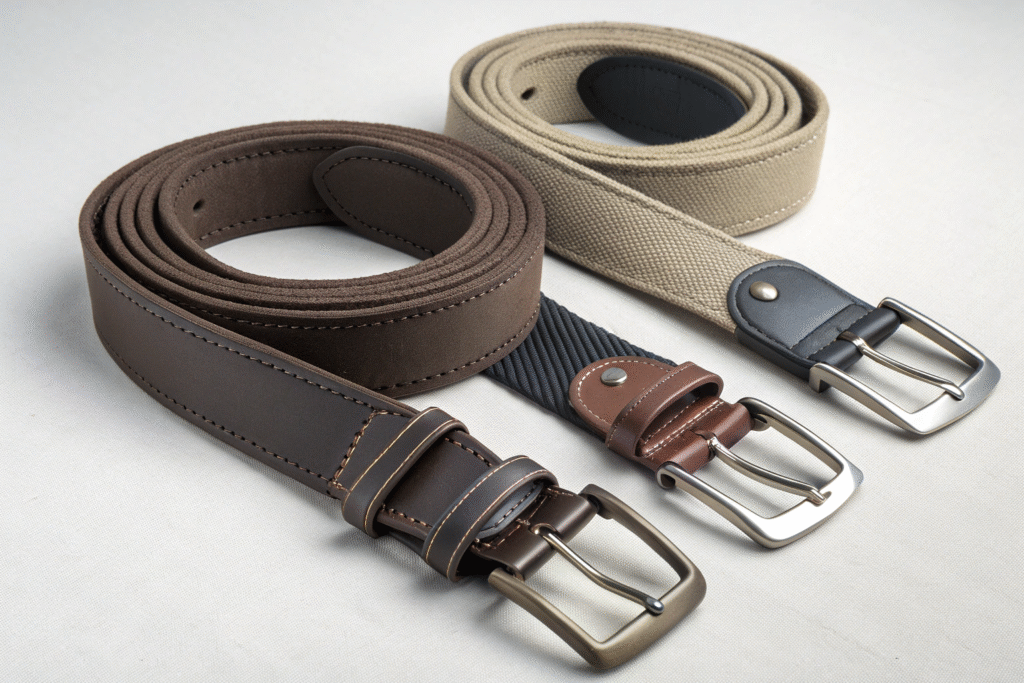
For these groups, the product's aesthetic—its ability to look like a normal canvas belt, leather belt, or nylon webbing belt—is as important as its function. It must not scream "survival gear."
Why are international travelers a key demographic?
International travelers are a prime market because they actively research and purchase water safety solutions. Traditional options are bottled water (plastic waste) or steripens (can break). A purifier belt offers a discreet, always-available alternative.
A traveler can wear it through airports and cities, using it to safely drink from hotel bathroom taps (which may be unreliable), public fountains, or during outdoor excursions without carrying a separate bottle. For the travel gear industry, this represents a high-value, innovative product. Marketing it requires emphasizing its compliance with travel regulations (battery sizes if applicable) and its effectiveness against local waterborne threats, validated by standards from organizations like the World Health Organization.
How is the "everyday carry" (EDC) community influencing design?
The EDC community values minimalism, quality, and discreet functionality. Their influence pushes designs toward:
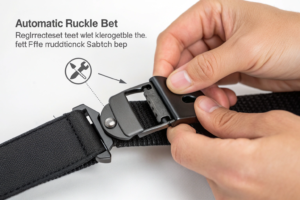
- Sleek Aesthetics: Buckles that look like standard plate buckles or automatic buckles, not sci-fi gadgets.
- Premium Materials: Use of full-grain leather, ballistic nylon, or titanium hardware to appeal to EDC collectors.
- Modularity: Systems where the purification cartridge can be replaced or upgraded without discarding the entire belt.
- Multi-functionality: Incorporating other EDC features like a hidden fire starter, a small cutting tool, or a compass into the buckle.
A manufacturer that engages with EDC forums and understands this culture can create products that become coveted items within the community, driving organic, word-of-mouth promotion and validating the product's design credentials.
What are the critical testing and certification standards?
This is a life-safety product. Claims of "purifies water" are not enough. Retailers, distributors, and end-users must have confidence backed by rigorous, third-party testing. Navigating these standards is crucial for credible market entry.
Critical testing standards include: NSF/ANSI 53 or 58 for reduction of specific health contaminants, EPA Guide Standard for Microbiological Water Purifiers for bacterial/protozoan log reduction, and testing against viruses like Norovirus and Rotavirus. Additionally, materials in contact with drinking water should be certified to NSF/ANSI 61. For the belt itself, durability tests for strap strength, buckle integrity, and filter performance after flex/abrasion cycles are essential.
A supplier should provide detailed test reports from accredited laboratories like SGS or Intertek. The absence of such documentation is a major red flag, indicating the product may be unsafe or ineffective.
What does NSF/ANSI 53 certification actually guarantee?
NSF/ANSI 53 is a standard for "Drinking Water Treatment Units - Health Effects." If a belt's filter is certified to this standard, it means an independent lab has verified it reduces specific contaminants (like lead, cryptosporidium, or volatile organic compounds) to levels below EPA limits. The certification will list the exact contaminants the unit is certified to reduce.
It does not certify the unit purifies all water to drinkable standards. It certifies performance against the listed claims. For a buyer, seeing "Tested to NSF/ANSI 53" is good, but seeing "Certified to NSF/ANSI 53 for reduction of Cysts, Lead, and Benzene" is far more meaningful and trustworthy. Always ask for the certification details and the testing lab's name.
How to verify real-world performance against common pathogens?
Lab tests are one thing; real-world muddiness is another. Beyond certifications, reputable brands conduct field-relevant testing. As a buyer or tester, you can perform simple verification:
- Flow Rate Test: Time how long it takes to filter a liter of clean water. A drastic slowdown in the field could indicate clogging.
- Taste Test: Use the belt to filter water with a strong chlorine or earthy taste (from a safe source) to see if the carbon elements work.
- Independent Review Validation: Look for in-depth reviews from trusted outdoor gear platforms (like OutdoorGearLab) that conduct their own contaminant challenge tests.
Furthermore, inquire about the filter's lifespan (in liters) and whether it is cleanable or must be replaced. A clear, honest communication of limitations (e.g., "Not for use with chemically contaminated water") is a sign of a responsible manufacturer.
Conclusion
Emergency water purifier belts are gaining traction because they solve a timeless problem with timely technology and smart design. They move critical survival gear from the backpack to the body, aligning perfectly with modern trends in preparedness, outdoor activity, and functional fashion. Their rise is fueled by identifiable user scenarios, advances in miniaturized purification tech, and an expanding target market that values discreet, reliable preparedness.
For brands and retailers, this category offers a unique opportunity to diversify into high-value, mission-driven products. Success, however, depends on rigorous partnership with manufacturers who prioritize verifiable performance, durable construction, and user-centric design over hype. If you are interested in developing or sourcing a line of credible, effective emergency water purifier belts, partnering with a technically adept factory is essential. For a detailed consultation on product development, testing standards, and market strategy, contact our Business Director, Elaine, at elaine@fumaoclothing.com. Let's build gear that empowers safety, wherever life takes you.