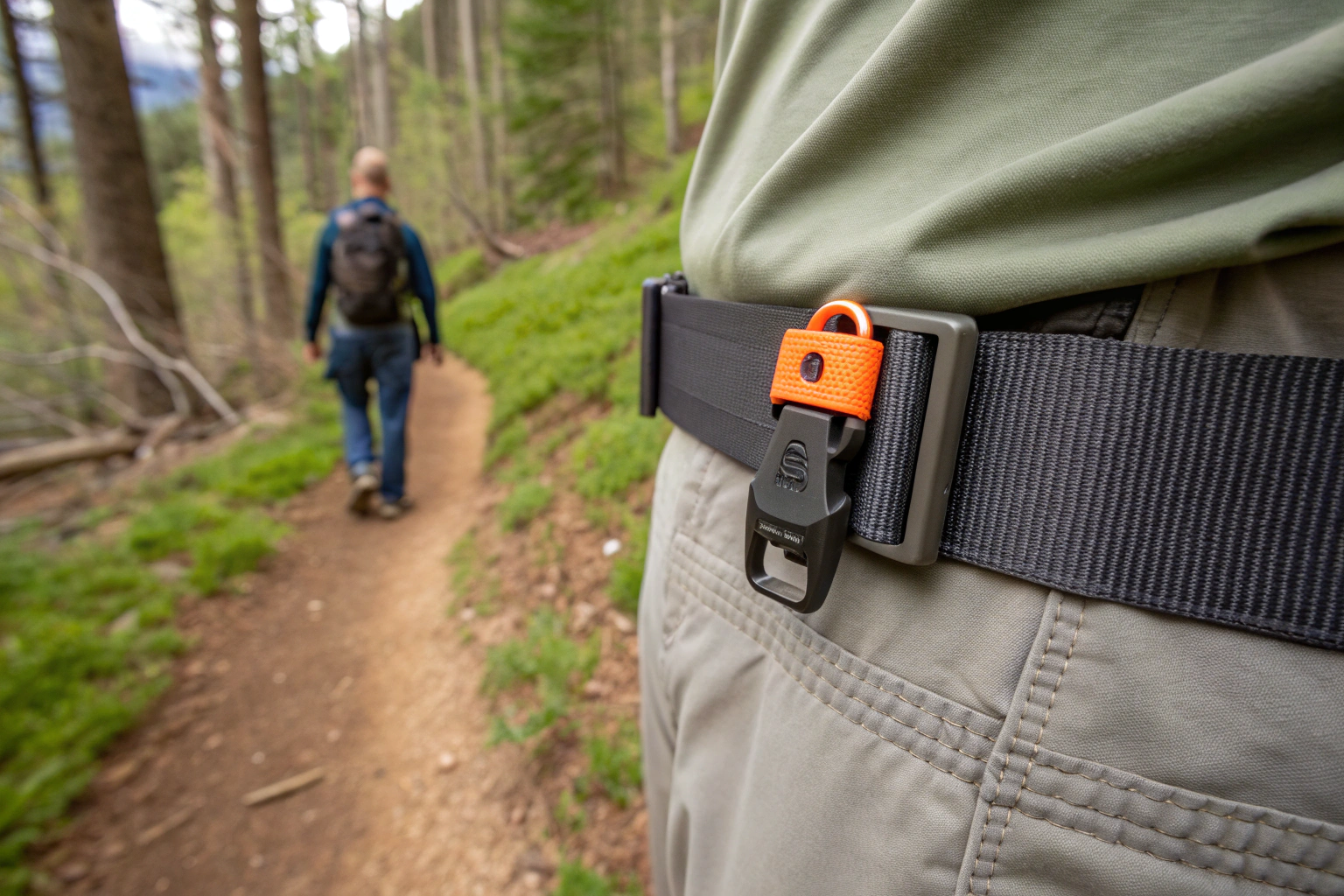
Imagine this: you're hiking a remote trail, you take a misstep, and find yourself with a twisted ankle, unable to walk. You're alone, and your phone has no signal. In this terrifying but common scenario, your most reliable tool for survival isn't a high-tech gadget—it's the emergency whistle built into your belt buckle. While many hikers meticulously pack the "Ten Essentials," this simple, always-on-your-body device is often overlooked, despite being a critical piece of safety gear.
Emergency whistle buckles are crucial for hiking because they provide a fail-safe, body-worn signaling device that operates without batteries, works in all weather conditions, and produces a sound that carries farther and requires less energy than yelling. They turn a mandatory piece of hiking gear—your belt—into a permanent, reliable lifeline, directly addressing the leading cause of search and rescue delays: the inability to locate an injured or lost person quickly.
For outdoor brands, gear manufacturers, and savvy hikers, integrating a whistle into a belt buckle is not a gimmick; it's a responsible design choice that blends everyday utility with essential emergency preparedness. Let's explore the life-saving reasons behind this crucial piece of equipment.
How Does an Emergency Whistle Outperform Voice and Other Signals?
In an emergency, time and energy are your most precious resources. The instinct to shout for help is natural but tragically inefficient in the wilderness. Understanding the physics and physiology behind signaling reveals why a whistle is a non-negotiable upgrade.
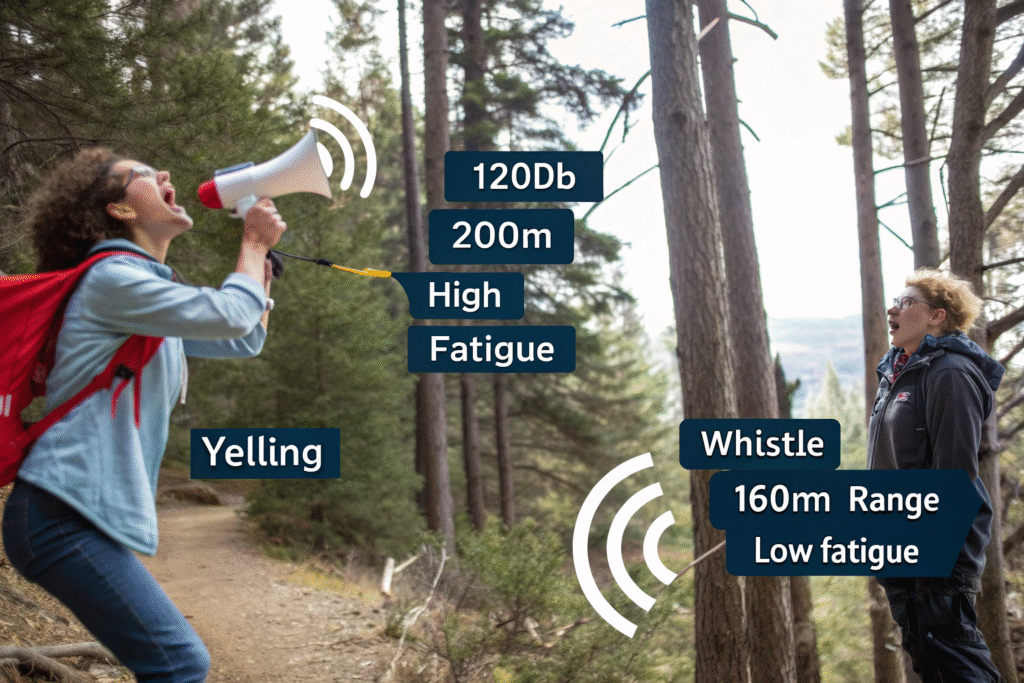
An emergency whistle outperforms the human voice in three critical ways: it produces a louder, more penetrating sound at a higher frequency; it requires a fraction of the physical energy to operate; and its sound is directionally focused and can travel astonishing distances over terrain and through obstacles like dense foliage, where voices are quickly absorbed and muffled.
What Are the Decibel and Distance Advantages?
The numbers are stark. The average person can yell at about 85-90 decibels (dB), with maximum effort reaching maybe 120dB for a very short time. A high-quality pea-less emergency whistle, like those meeting SOLAS or Fox 40 standards, can produce a consistent 120-130dB. More importantly, sound is measured logarithmically. A 10dB increase represents a tenfold increase in sound intensity. This means a 130dB whistle is 100 times more intense than a 110dB yell. In terms of distance, a yell may carry 200 meters on a good day. A whistle's piercing tone can carry over 1.6 kilometers (1 mile) in open terrain and cut through wind and moderate rain. In search and rescue, this difference can mean being found in hours versus days.
Why is Energy Conservation a Lifesaver?
Yelling is exhausting. It consumes vital calories and hydration, strains the vocal cords, and can induce panic-induced hyperventilation. An injured or hypothermic person has limited energy reserves. Blowing a whistle uses minimal lung power—even a child or someone with diminished capacity can produce a loud, clear signal. The standardized international distress signal for a whistle is three sharp blasts (or three of anything: flashes, shouts). Repeating this pattern with a whistle is sustainable for hours, whereas yelling the same pattern would lead to rapid fatigue and voice loss.
What Makes the Belt Buckle the Ideal Location?
The "Ten Essentials" are only essential if you have them when disaster strikes. Gear stowed in a backpack can be lost, buried under other items, or separated from you in a fall. The most reliable safety device is the one that is physically attached to you at all times during the activity.
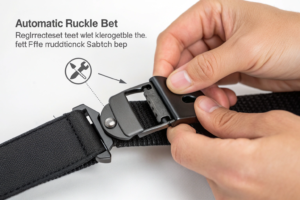
A belt buckle is the ideal location for an emergency whistle because it is a mandatory item for most hikers (to secure pants or backpack hip belts), making the safety feature "always on" without adding a separate item to remember or carry. It remains accessible even if you are separated from your pack, and its integration into a functional piece of gear ensures it is durable, weather-resistant, and ready for immediate use.

How Does "Always-On" Integration Beat "Pack-Based" Safety?
Consider a slip-and-fall scenario. A hiker might tumble down a slope, becoming separated from their backpack which contained their whistle. Or, in a river crossing, the pack could be swept away. A whistle on a chest strap or in a pocket can also be lost. A belt, however, is worn directly on the body and is far less likely to detach unintentionally. For activities like hiking, scrambling, or climbing, where a secure fit is crucial, the belt is non-negotiable. By integrating the whistle into the buckle, you guarantee its presence. This design philosophy aligns with the principles of everyday carry (EDC) and failsafe preparedness.
What Are the Design and Durability Requirements?
Not all whistle buckles are created equal. For true reliability, the design must meet specific criteria:
- Pea-less Design: Uses a chamber-based design (like an acme whistle) instead of a small ball bearing. This prevents freezing, jamming with dirt or moisture, and failure.
- Loud & High-Frequency: The sound should be piercing, not deep. Higher frequencies cut through background noise like wind and water.
- Material Integrity: The buckle itself must be durable, typically marine-grade stainless steel or anodized aluminum, with the whistle chamber protected from impacts that could clog or deform it.
- Easy Operation: Should be operable with gloves on or with numb fingers, a common issue in cold-weather emergencies.
This transforms a standard belt buckle into a piece of survival equipment that is as reliable as the rest of your technical gear.
How Do They Integrate into Broader Safety Protocols?
A whistle is a tool, and its power is magnified exponentially when used within established wilderness safety protocols. It serves not only as a distress signal but also as a preventative and communication tool for groups. Educating users on these protocols is as important as the product itself.
Emergency whistle buckles integrate into safety protocols by providing a standardized tool for the universal distress signal (three blasts), enabling non-verbal communication within hiking groups (e.g., one blast for "stop," two for "come here"), and serving as a critical component of a Trip Plan left with a contact person, who can advise rescuers that all members carry an integrated whistle.

What is the Universal Distress Signal and Why Does it Matter?
The standardized signal is three consecutive sounds—three whistle blasts, three flashes of light, three fires. Repeating this pattern signals "I need help." Search and Rescue (SAR) teams are trained to listen for this pattern. A whistle allows you to produce this signal clearly and repeatedly. In your Trip Plan, you should note that your group uses whistle buckles. If you're overdue, SAR can use this information to optimize their search, knowing you have a powerful auditory signal and instructing ground teams to stop frequently to listen. This protocol is a cornerstone of wilderness first aid and safety training.
How Can They Prevent Group Separation Incidents?
Beyond distress, whistles are excellent for group management. Before setting out, a group can agree on simple signals:
- One Blast: "Stop/Look at me."
- Two Blasts: "Come to my location."
- Three Blasts: Emergency (as above).
This is far more effective and energy-efficient than yelling in dense forest or windy conditions. It keeps groups together, prevents individuals from wandering off trail, and ensures everyone can communicate if someone falls behind. For families with children on the trail, this is an invaluable safety tool, teaching kids to stay within earshot of the signal.
What Should Buyers and Brands Look for When Sourcing?
For outdoor brands, retailers, or corporate buyers sourcing hiking belts, the whistle buckle is a feature that carries significant liability and performance implications. It cannot be an afterthought. Sourcing requires a focus on verifiable performance standards, material quality, and ethical manufacturing.
When sourcing whistle buckles, buyers must prioritize: independent verification of acoustic performance (decibel output and frequency), material certifications for corrosion resistance and strength, a design that ensures the whistle mechanism remains clear and functional even when the buckle is fastened, and manufacturing quality control that tests every single unit, not just a sample.
What Performance Standards and Testing Are Non-Negotiable?
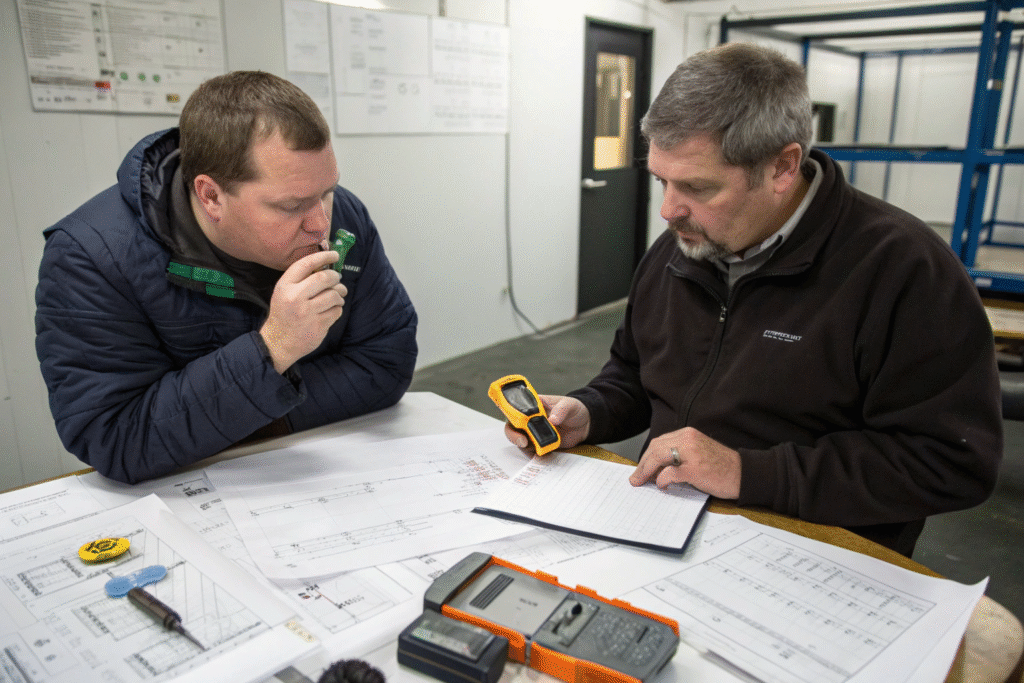
Do not rely on manufacturer claims. Require test reports.
- Decibel Output: Should be tested in an anechoic chamber or controlled environment to verify ≥120dB at 1 meter. Request the report.
- Frequency Range: The pitch should be in the 2-4 kHz range, which is most penetrating.
- Environmental Testing: The buckle should be tested for function after freeze/thaw cycles, salt spray (simulating sweat), and dust ingress. It should meet or exceed relevant sections of ISO 12402-7 for personal flotation device whistles or similar outdoor equipment standards.
- 100% Functional Testing: Every buckle should be blown at the factory to ensure it works before shipment. This is a critical quality control step.
How to Evaluate Design for Real-World Use?
Examine the prototype critically:
- Is the air channel protected? When the belt is threaded and worn, does the belt strap or clothing block the whistle's mouthpiece or exit ports?
- Is it easy to find and use under stress? The whistle should have a distinct, tactile shape that can be located by feel, even in the dark or if the wearer is disoriented.
- Does it compromise belt function? The buckle must still perform its primary task—securing the belt—reliably. The integration should not create a weak point for the belt strap to tear or the buckle to break.
A good supplier will have considered these ergonomic and functional details and will provide testing videos of the prototype in use. For a buyer like Ron, concerned with quality control and certification, this due diligence is paramount to sourcing a product that is both safe and commercially viable.
Conclusion
Emergency whistle buckles are a crucial, life-saving piece of hiking gear because they solve a fundamental problem of wilderness safety: reliable, long-distance communication when it matters most. They leverage superior acoustic physics, conserve vital energy, and—by being integrated into an always-worn item—eliminate the risk of being without a signal when disaster strikes.
For the outdoor industry, this represents a responsible convergence of functional design and essential safety. It’s an opportunity to add tangible value to a basic product and genuinely contribute to hiker preparedness. For the individual hiker, it’s a simple, affordable upgrade that dramatically increases their safety margin on every trail.
If you are a brand looking to develop or source hiking belts that prioritize genuine safety without compromising on style or function, partnering with a manufacturer that understands the rigorous standards for emergency equipment is essential. Our factory specializes in integrating certified, high-performance components into durable outdoor gear. Contact our Business Director, Elaine, to discuss developing a belt line where safety is built in, not bolted on: elaine@fumaoclothing.com. Let's equip adventurers with confidence.