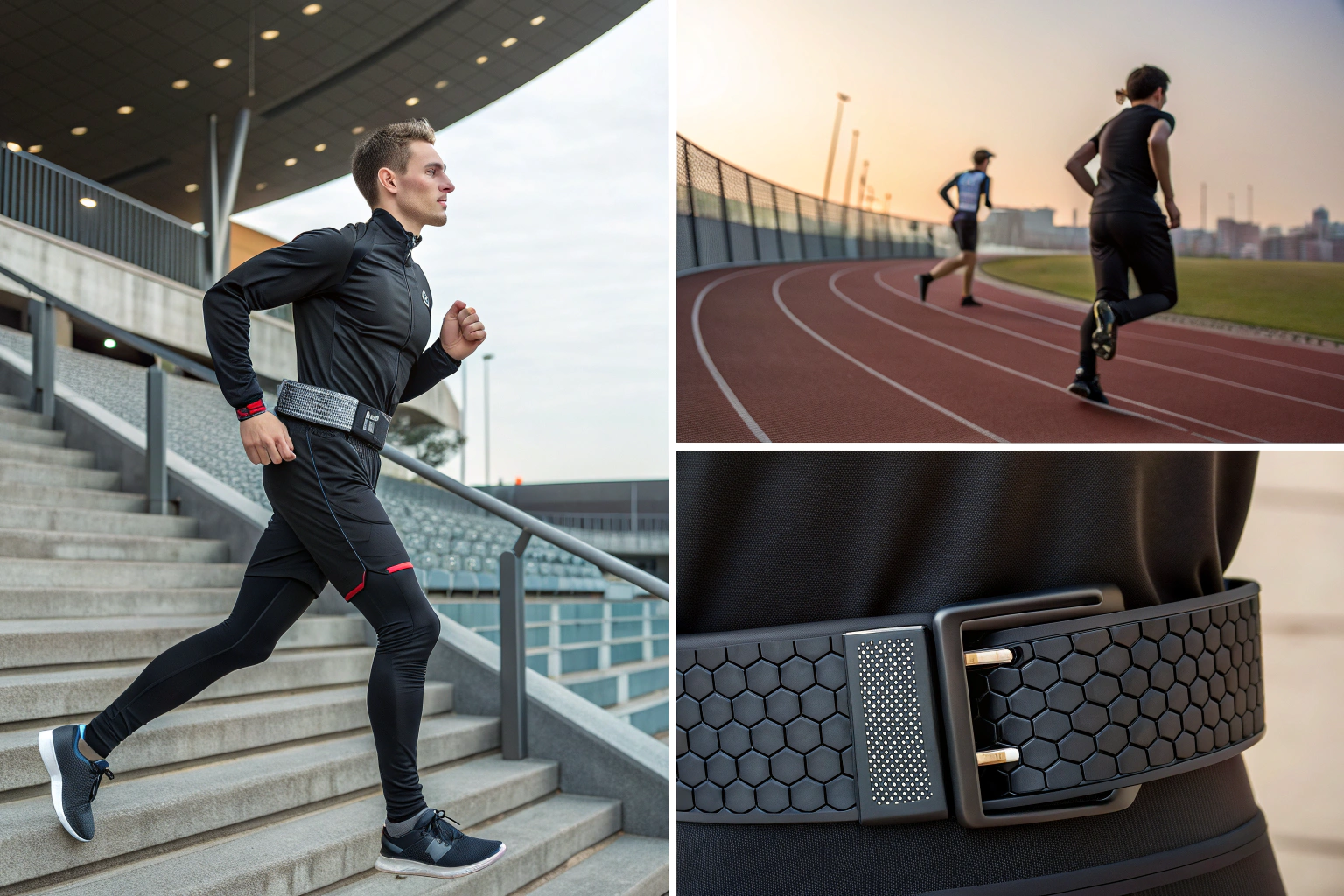
The integration of advanced materials into fashion accessories represents one of the most significant developments in wearable technology. Among these innovations, graphene-infused belts are capturing attention across both tech and fashion industries by combining extraordinary material properties with practical functionality. This convergence addresses longstanding limitations in traditional belt materials while introducing capabilities previously unseen in everyday accessories.
Graphene-infused belts are gaining tech appeal because they leverage the material's exceptional strength, flexibility, thermal conductivity, and antibacterial properties to create products that offer tangible performance benefits beyond conventional accessories. These belts represent the practical application of nanotechnology in fashion, providing measurable advantages in comfort, durability, and functionality.
The appeal extends beyond mere novelty to encompass genuine improvements in user experience, making graphene-infused belts particularly attractive to tech-savvy consumers seeking accessories that align with their interest in innovation and performance-driven products.
What Unique Properties Does Graphene Contribute?
Graphene's incorporation into belt materials transforms conventional accessories through a combination of extraordinary physical properties derived from its single-layer carbon atom structure. These characteristics address multiple limitations of traditional belt materials while introducing entirely new capabilities.
The material science behind graphene explains why it's particularly suited for wearable applications where strength, flexibility, and functionality must coexist within comfortable, everyday products.
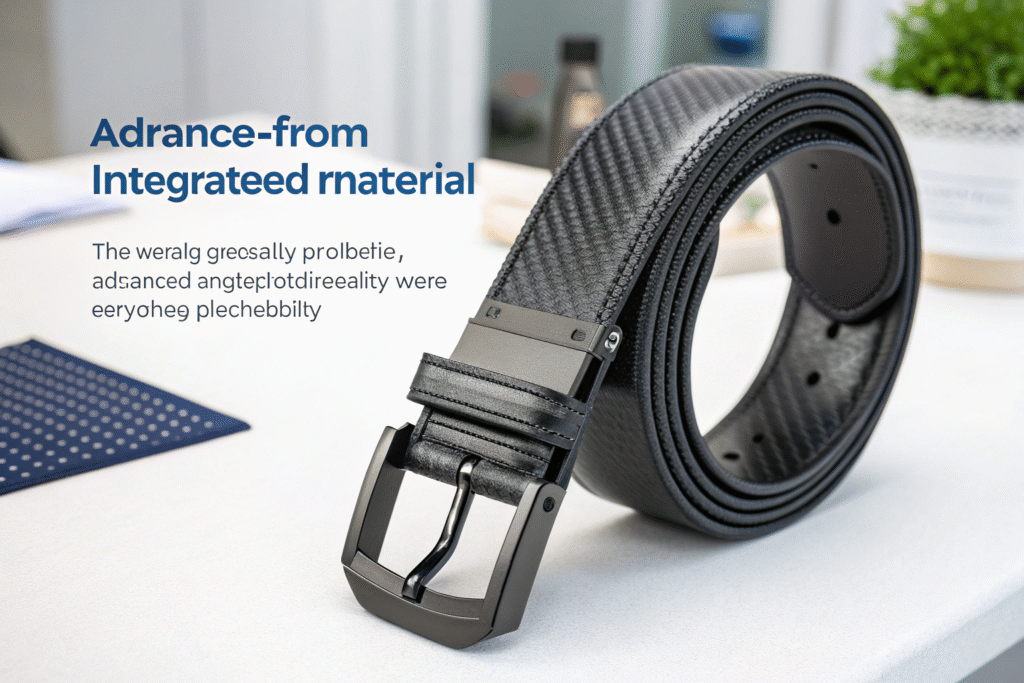
How does graphene enhance material performance?
Graphene contributes several transformative properties:
- Exceptional strength-to-weight ratio with tensile strength approximately 200 times greater than steel at equivalent thickness
- Superior flexibility maintaining integrity through thousands of bending cycles without cracking or permanent deformation
- Outstanding thermal conductivity distributing body heat evenly to prevent hot spots and improve comfort
- Natural antibacterial properties inhibiting microbial growth without chemical treatments
- Electrical conductivity enabling potential integration with electronic components and sensors
According to research published in Nature Materials, graphene-enhanced polymers demonstrate 50-80% improvement in mechanical properties compared to base materials alone. This enhancement allows for thinner, lighter belt designs without sacrificing durability or performance.
What practical benefits do users experience?
The material advantages translate to tangible user benefits:
- Reduced pressure points through even weight distribution and adaptive flexibility
- Temperature regulation preventing excessive heat buildup during extended wear
- Hygienic maintenance resisting odor-causing bacteria between cleanings
- Longer product lifespan withstanding daily wear and environmental exposure better than conventional materials
- Lighter wearing experience achieving comparable strength with less material mass
These benefits are particularly valuable in active and technical applications where comfort and performance intersect. Users consistently report noticeable differences in daily comfort compared to traditional leather or synthetic belts.
How Is Graphene Integration Advancing Wearable Technology?
The incorporation of graphene into belts represents a significant step in the evolution of wearable technology, moving beyond simple electronic integration to advanced material science applications. This approach creates smarter products through enhanced material properties rather than just adding digital components.
The technological appeal stems from graphene's ability to serve multiple functions simultaneously—structural support, environmental interaction, and potential platform for electronic integration—within a single material system.
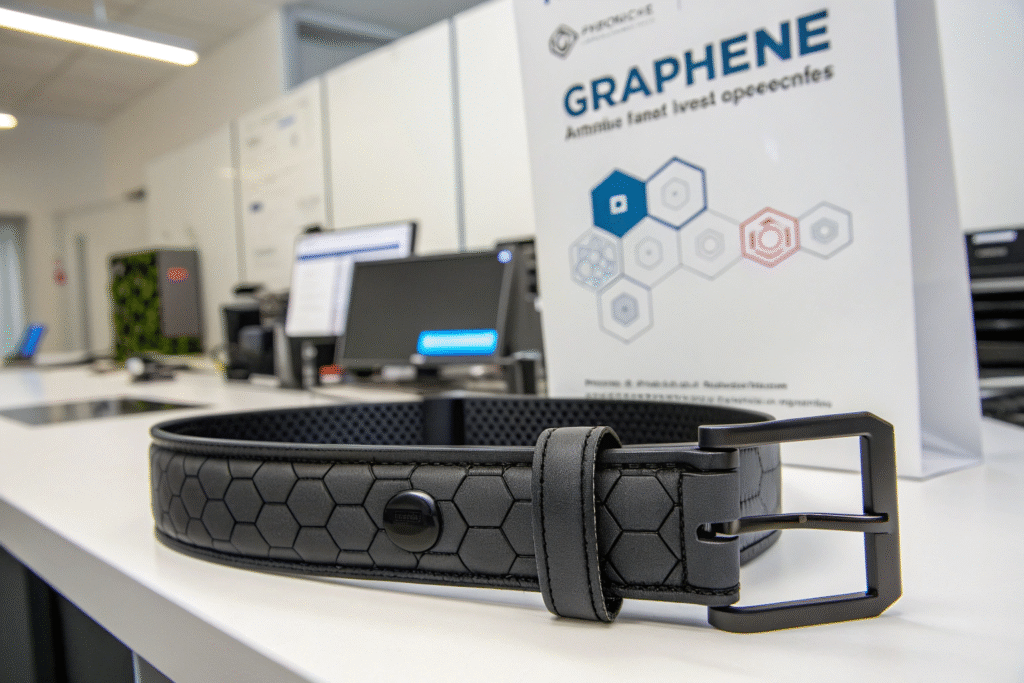
What makes graphene ideal for wearable applications?
Graphene's characteristics align perfectly with wearable technology needs:
- Biocompatibility making it safe for prolonged skin contact without irritation
- Moisture resistance maintaining performance in humid or wet conditions
- Durability withstanding the mechanical stress of daily wear and movement
- Manufacturing compatibility integrating with existing textile and accessory production methods
- Sustainability potential offering longevity that reduces replacement frequency
The European Graphene Flagship project has identified wearable technology as a key application area, with several commercial products already demonstrating the viability of graphene-enhanced textiles and accessories for consumer markets.
How does graphene enable future technological integrations?
The material provides foundations for advanced functionality:
- Sensor platform capabilities allowing integration of health monitoring technology
- Energy harvesting potential converting body movement or temperature differences into usable power
- Data transmission properties enabling communication between connected devices
- Haptic feedback possibilities creating subtle notification systems
- Adaptive response features potentially adjusting properties based on environmental conditions
These capabilities position graphene-infused belts as platforms for future innovation rather than just static accessories. The most advanced prototypes demonstrate integration with health monitoring systems that track posture, activity levels, and basic vital signs.
What Manufacturing Innovations Enable Commercial Viability?
The commercial availability of graphene-infused belts represents a significant achievement in manufacturing technology, overcoming earlier challenges related to material processing, integration methods, and cost management. These advances have transformed graphene from a laboratory curiosity into a commercially viable material for fashion accessories.
The manufacturing evolution encompasses both the production of high-quality graphene materials and their effective integration with textiles and polymers used in belt production, creating composite materials that leverage graphene's advantages while maintaining practical manufacturability.
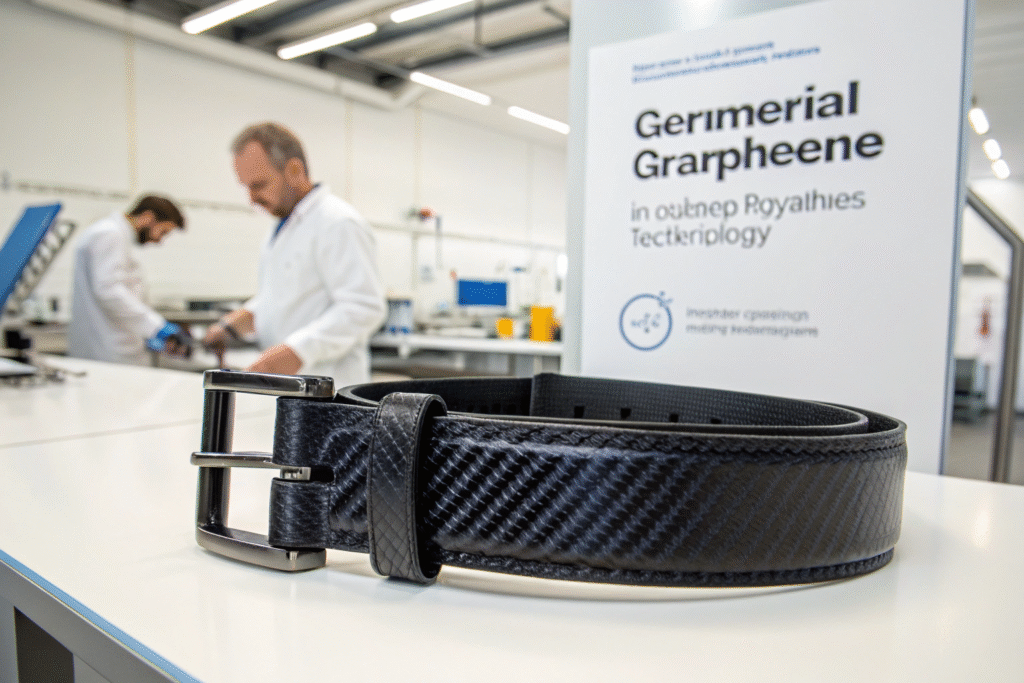
How has graphene processing evolved for consumer products?
Manufacturing advances have addressed key challenges:
- Large-scale production moving from gram quantities to industrial-scale graphene material production
- Integration techniques developing methods for evenly distributing graphene within polymers and textiles
- Cost reduction achieving price points suitable for consumer accessories through improved processes
- Quality consistency maintaining material properties across production batches
- Safety implementation ensuring safe handling of graphene materials throughout manufacturing
According to industry analysis by IDTechEx, manufacturing improvements have reduced graphene production costs by approximately 80% since 2015, making consumer applications increasingly feasible. Current pricing allows premium belt integration while maintaining reasonable retail pricing.
What composite approaches deliver optimal results?
Successful graphene integration utilizes several approaches:
- Polymer composites embedding graphene in nylon, polyurethane, or other belt materials
- Textile coatings applying graphene-enhanced finishes to fabric surfaces
- Hybrid materials combining graphene with other advanced materials for synergistic effects
- Layered constructions positioning graphene in specific areas where properties are most beneficial
- Gradient integration varying graphene concentration based on functional requirements
These methods balance performance enhancement with practical manufacturing considerations. The most effective composites typically contain 3-8% graphene by weight, providing significant property improvements without compromising processability or cost structure.
How Does Consumer Perception Drive Market Adoption?
The market success of graphene-infused belts depends significantly on consumer understanding and appreciation of the technology's benefits. Education, demonstration, and clear communication of advantages play crucial roles in driving adoption beyond early technology enthusiasts to broader consumer segments.
Consumer response reflects evolving attitudes toward advanced materials in everyday products, with increasing appreciation for performance-driven accessories that offer genuine improvements over conventional alternatives.
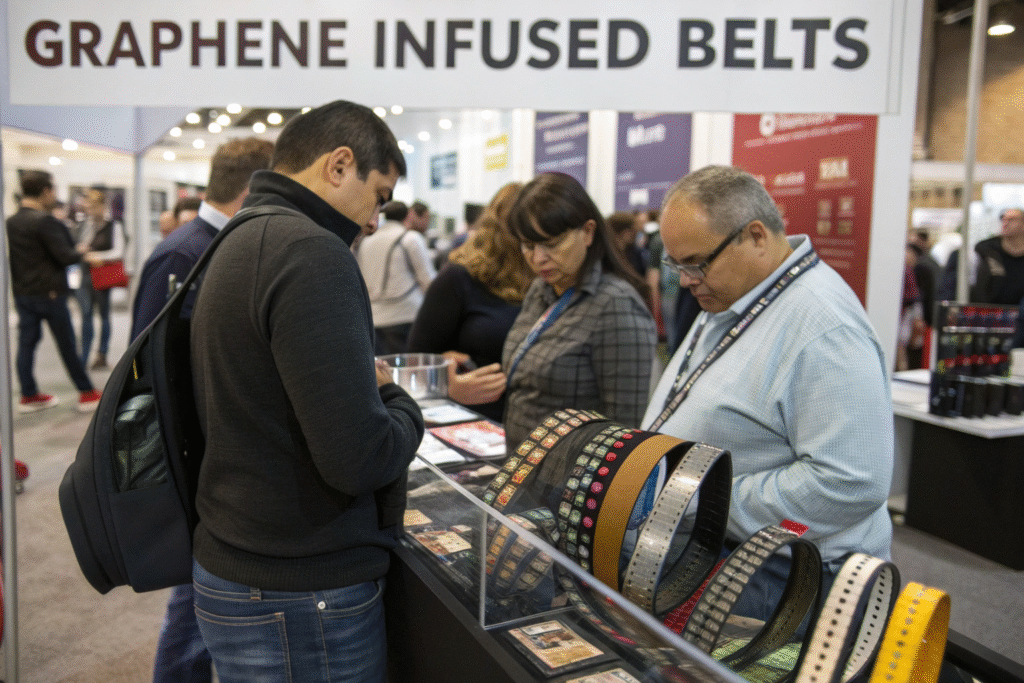
What consumer values align with graphene benefits?
Graphene-infused belts resonate with several consumer priorities:
- Performance orientation seeking products that offer measurable advantages
- Innovation appreciation valuing cutting-edge technology in everyday items
- Comfort focus prioritizing wearing experience and practical benefits
- Durability concern preferring longer-lasting products that reduce replacement frequency
- Health consciousness appreciating antibacterial properties and hygiene benefits
Market research from Gartner's Consumer Technology Research indicates growing consumer interest in products that incorporate advanced materials, with 45% of consumers expressing willingness to pay premium prices for demonstrable performance benefits.
How effective are demonstration strategies?
Successful market education utilizes multiple approaches:
- Visual demonstrations showing flexibility, strength, and thermal properties
- Comparative testing highlighting advantages over conventional materials
- Technical explanations communicating benefits in accessible language
- User testimonials sharing real-world experiences and satisfaction
- Scientific validation referencing research and testing data
These approaches help overcome the abstraction challenge often associated with advanced materials, making intangible benefits tangible and understandable for consumers. The most effective communications focus on user experience improvements rather than technical specifications.
Conclusion
Graphene-infused belts are gaining tech appeal because they successfully translate extraordinary material properties into tangible user benefits that address longstanding limitations of conventional belt materials. The combination of exceptional strength, flexibility, thermal management, and hygienic properties creates a compelling value proposition for consumers seeking performance-driven accessories. As manufacturing advances continue to improve viability and reduce costs, graphene integration represents a significant step in the evolution of wearable technology, moving beyond electronic additions to fundamental material enhancements that improve everyday products.
If your brand is exploring graphene-enhanced products, our factory has developed specialized expertise in advanced material integration for fashion accessories. Contact our Business Director, Elaine, at elaine@fumaoclothing.com to discuss how we can help develop graphene-infused belts that leverage this transformative technology.