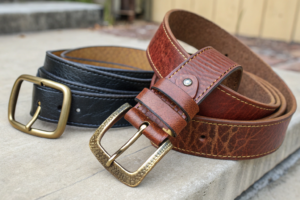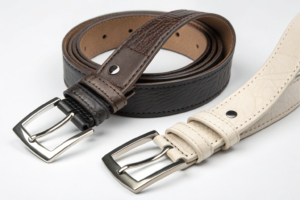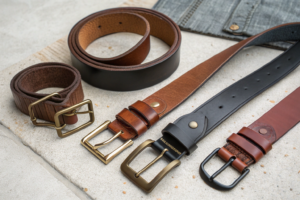
In the relentless pursuit of high-performance and functional fashion, a revolutionary material is making its way from the lab to your wardrobe: graphene. Once hailed as a wonder material for its strength and conductivity, it's now appearing in advanced athletic wear and, intriguingly, in belts. But how can a belt—a simple band of material—actively regulate body temperature? The answer lies not in magic, but in the extraordinary physicochemical properties of graphene, which allow it to intelligently manage thermal energy in ways traditional textiles and leathers simply cannot.
Graphene-infused belts regulate body heat by leveraging the material's exceptional thermal conductivity and its unique infrared radiation properties. The graphene acts as a dynamic, bidirectional thermal channel: it rapidly dissipates excess heat away from warm areas (like the core) to cooler areas, and can also reflect and redistribute the body's own far-infrared radiation to provide gentle warming in cool environments, promoting thermal equilibrium around the midsection.
This isn't about adding insulation or moisture-wicking; it's about fundamentally changing how the material interacts with human body heat. For athletes, outdoor professionals, and anyone seeking next-level comfort in their gear, this represents a significant leap forward. Let's delve into the science and sourcing behind this cutting-edge application.
What is Graphene and How is it Integrated into Belts?
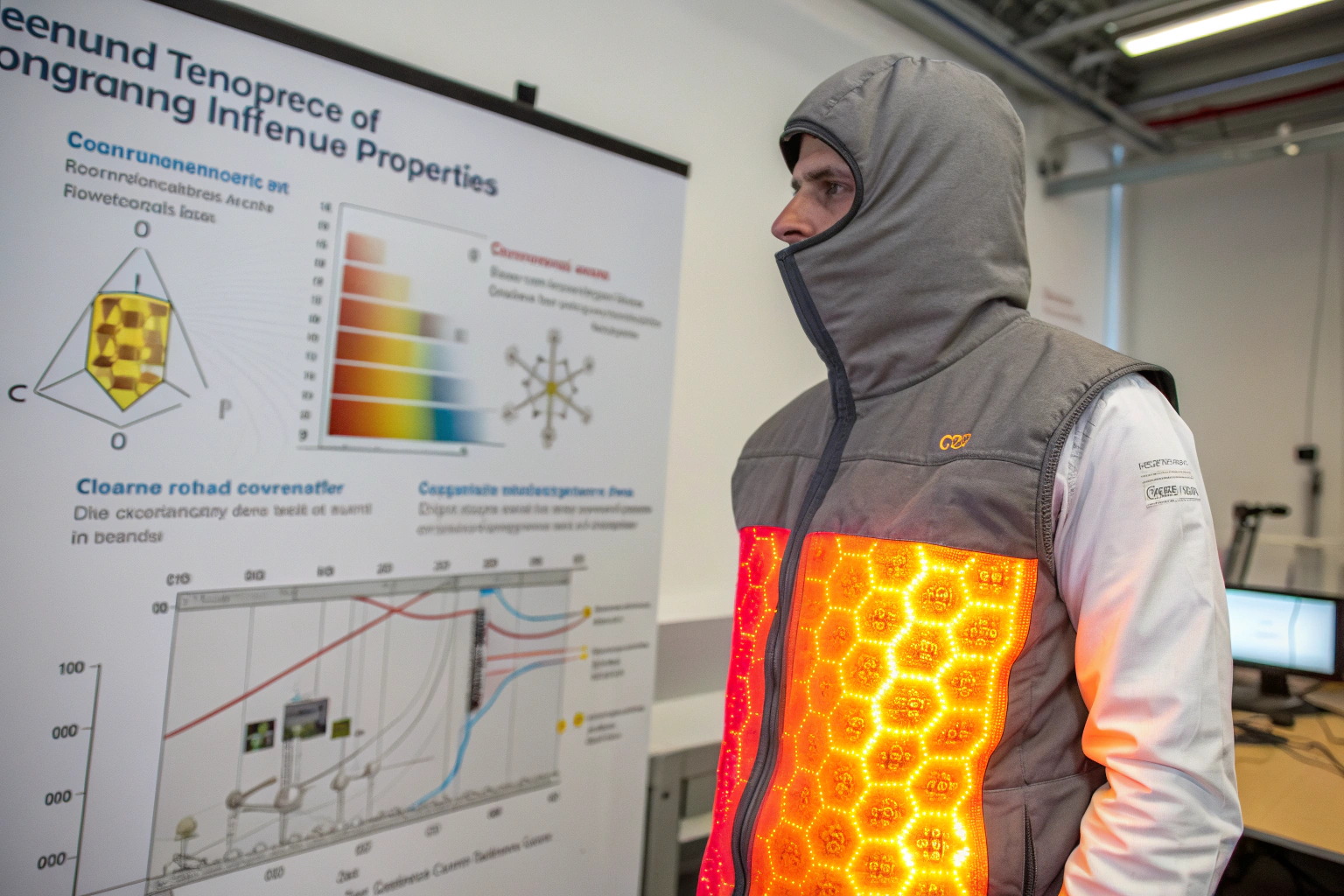
To understand its function, we must first understand the material. Graphene is a single layer of carbon atoms arranged in a two-dimensional, hexagonal honeycomb lattice. It is the basic structural element of other allotropes like graphite, carbon nanotubes, and fullerenes. Its integration into consumer products is the result of advanced material science.
Graphene, in this context, is typically used as graphene nanoplatelets (GNPs) or graphene oxide (GO). These are mixed into polymers (like polyurethane or TPU) to create a graphene-infused masterbatch, which is then used to coat fabrics or form composite fibers. For belts, this often results in a graphene-coated polyester or nylon webbing, or a graphene-infused polyurethane layer laminated to a base material. The integration must be uniform to ensure consistent thermal properties across the entire belt strap.

Why is the Two-Dimensional Structure Key to Thermal Management?
Graphene's 2D structure grants it phenomenal properties. It is an outstanding conductor of both electricity and heat. The carbon lattice allows phonons (quantized units of vibrational energy, i.e., heat) to travel with minimal resistance. This high in-plane thermal conductivity (approximately 3000-5000 W/mK) is what enables rapid heat spreading. In a belt, a warm spot against the lower back doesn't stay localized; the graphene network quickly disperses that thermal energy along the entire length of the belt, preventing hot spots and promoting even temperature distribution. This is fundamentally different from insulating materials that simply trap heat.
What Are the Common Manufacturing Methods for Integration?
There are two primary methods relevant to belt production:
- Coating/Dyeing: A graphene dispersion is applied to finished fabrics (like a canvas belt webbing) through a pad-dyeing or coating process. This is cost-effective and adds functionality to existing materials but may affect durability through washing or abrasion.
- Melt-Spinning Composite Fibers: Graphene nanoplatelets are mixed into the polymer pellets (e.g., nylon) before they are extruded into yarn. The graphene becomes an integral part of the fiber itself. This method, used by pioneers like Directa Plus for their G+® fabric, creates a more permanent and evenly distributed effect, leading to superior and longer-lasting performance. This is the method sought after for high-performance applications.
How Does Graphene Facilitate Bidirectional Thermal Regulation?
The term "regulate" implies an active, intelligent response. While graphene isn't a smart material that switches modes, its inherent properties allow it to perform two seemingly opposite functions—cooling and mild warming—based on the environmental conditions and the body's own thermal output.
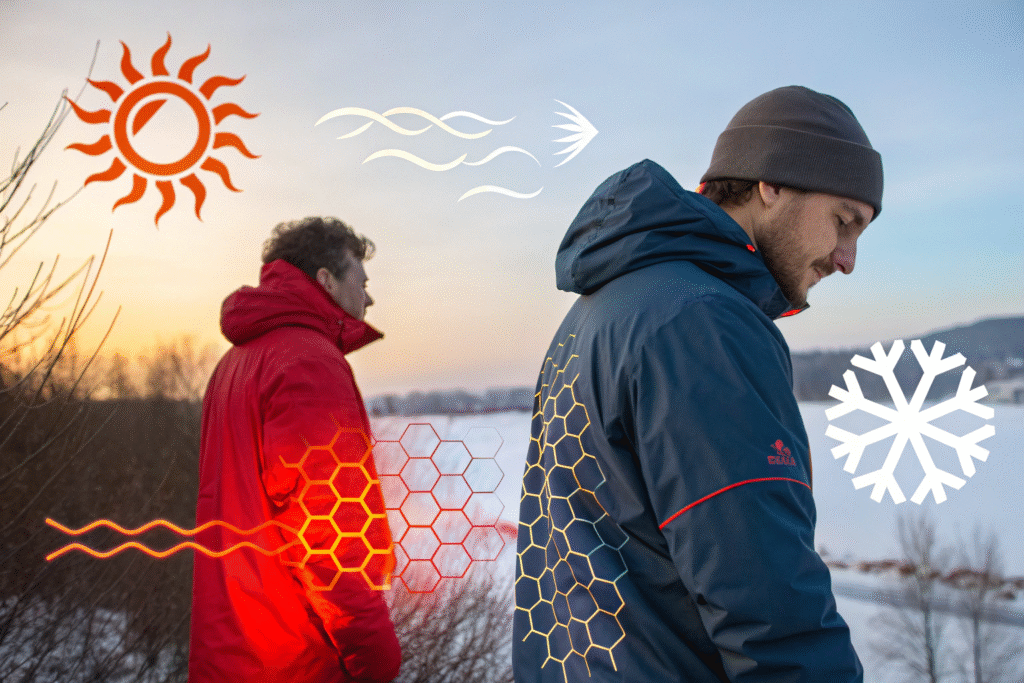
Graphene facilitates bidirectional regulation through two primary mechanisms: lateral heat spreading (cooling) and far-infrared (FIR) radiation reflection/emission (warming). The dominant effect at any given time depends on the temperature differential between the body, the belt material, and the surrounding environment. It works to minimize that differential, promoting stability.
How Does the "Heat Spreading" Cooling Effect Work?
When a part of the body (e.g., the lower back during exercise) becomes significantly warmer than the rest of the belt's surface area, a strong thermal gradient is created. Graphene's high thermal conductivity acts like a superhighway for this excess heat. The heat energy is rapidly conducted away from the hot spot and distributed across the entire surface area of the belt. This increases the effective surface area for heat dissipation into the air. It prevents the uncomfortable feeling of a "hot band" around the waist and can help mitigate sweat buildup in that localized area. This principle is similar to how a heat sink works in electronics, but on a flexible, wearable scale.
What is the Role of Far-Infrared Radiation in Warming?
All objects, including the human body, emit far-infrared radiation (wavelengths 5-20 μm), which is essentially radiant heat. Graphene has a high emissivity in the FIR spectrum. In cooler environments, the graphene-infused material can absorb the body's own FIR radiation and re-emit a portion of it back towards the skin. This creates a gentle, radiant warming effect without needing to insulate and trap air (like traditional thermal wear). It's a subtle, non-bulky way to help maintain core temperature. Studies, such as those cited in the International Journal of Thermal Sciences, have explored the FIR radiative properties of carbon nanomaterials. For the wearer, this can translate to reduced muscle stiffness in cold weather, making it popular for athletic warm-ups and outdoor activities.
What Are the Performance Benefits for Specific User Groups?
The theoretical science is compelling, but the real question is: who benefits and how? Graphene-infused belts are finding traction in niche markets where precise thermal comfort translates directly to performance, safety, or well-being. The benefits are tangible and address specific pain points.
Key user groups include: athletes and fitness enthusiasts seeking temperature regulation and muscle support during activity; outdoor and tactical professionals exposed to fluctuating conditions; individuals in climate-controlled environments (like offices) who experience drafts or variable AC; and those using thermotherapy for back discomfort or muscle recovery.

How Do Athletes Benefit from Thermal Regulation?
For athletes, maintaining an optimal core temperature is critical for performance and recovery. During intense activity, the core and lower back can overheat. A graphene belt's heat-spreading function can help mitigate this, potentially delaying fatigue. Post-activity, in a cooler setting, the FIR reflection can help keep the lumbar muscles warm and supple, aiding in recovery and reducing the risk of stiffness. This makes it a versatile piece of gear for cyclists, runners, and weightlifters. It complements other performance wear technologies focused on moisture management by addressing the thermal component directly.
Why is This Valuable for Occupational and Therapeutic Use?
- Outdoor/Tactical: A police officer, security personnel, or construction worker may be stationary in a cold vehicle then active in the sun. A belt that adapts to both scenarios is a practical advantage, reducing the need to layer or change gear.
- Office & Travel: The modern environment often battles between overheating and over-air-conditioning. A belt that promotes thermal equilibrium can prevent the discomfort of a cold back from AC drafts or the sweatiness from a warm conference room.
- Therapeutic Warmth: While not a medical device, the gentle, radiant warmth can be soothing for individuals with chronic lower back discomfort. It provides a consistent, low-level heat source that is more convenient and less bulky than an electric heating pad, aligning with principles of thermotherapy.
How to Source and Verify Authentic Graphene-Infused Products?
The "graphene" label, like many advanced material claims, is vulnerable to greenwashing and exaggeration. Some products may contain trace amounts of low-quality graphene or related carbon materials (like carbon black) with minimal functional benefit. Sourcing requires a diligent, evidence-based approach to ensure you are getting a product with meaningful performance.
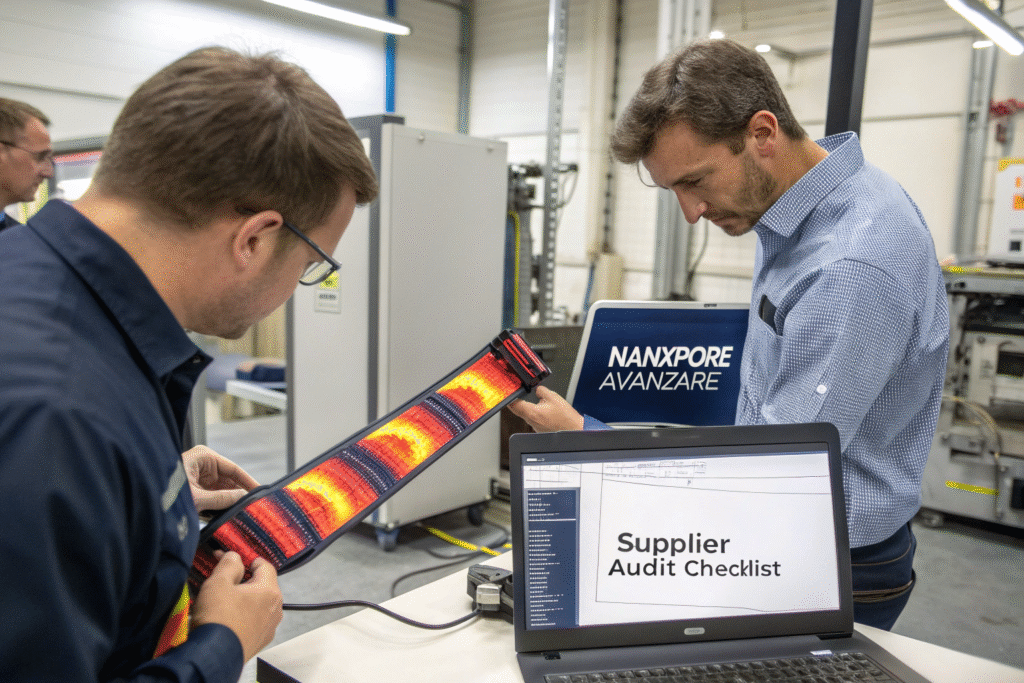
To source authentic graphene-infused belts, you must: demand material certificates and SDS from the graphene supplier; verify the graphene content percentage and dispersion quality within the polymer; request independent lab test reports on thermal conductivity or FIR emissivity; and partner with manufacturers that have direct relationships with reputable graphene material producers, not just intermediaries.
What Documentation and Testing Provide Proof?
- Source Traceability: Your manufacturer should provide a certificate from their graphene supplier (e.g., NanoXplore, Graphene Manufacturing Group, or a reputable chemical company). This certifies the type (GNPs, GO), purity, and platelet size.
- Technical Data Sheet (TDS) for the Composite: The factory's material TDS should specify the graphene loading (e.g., 5-10% by weight in the masterbatch). Loading below 1-2% is often considered "window dressing."
- Performance Test Reports: Ask for third-party test reports from labs like SGS or Intertek. Key tests include:
- Thermal Conductivity: Measured in W/mK. A significant increase over the base polymer should be demonstrated.
- Far-Infrared Emissivity: Measured on a scale of 0 to 1. Effective materials often have an emissivity >0.8 in the 8-14 μm range.
- Durability Testing: Wash and abrasion tests to show the effect is not just a surface coating that washes off.
How to Vet a Manufacturer's True Expertise?
Ask pointed technical and supply chain questions:
- "What is your graphene masterbatch source, and can we visit their facility or join an audit?"
- "What is your process for ensuring homogeneous dispersion of graphene in the polymer?" (Poor dispersion leads to clumping and ineffective performance).
- "Can you provide a sample belt for us to send to our own chosen lab for verification testing?"
- "What is the expected degradation in thermal performance after 50 wash cycles?"
A credible manufacturer will be transparent and proud of their supply chain. They will understand that they are selling a performance claim that must be substantiated. This level of supply chain diligence is essential to avoid costly mistakes and protect your brand's reputation.
Conclusion
Graphene-infused belts represent a fascinating convergence of advanced material science and everyday apparel. They regulate body heat not through bulk or batteries, but through the innate physical properties of carbon arranged at the nanoscale. By enabling bidirectional thermal management—dissipating heat and providing radiant warmth—they offer a unique solution for athletes, professionals, and anyone seeking a higher level of adaptive comfort.
For brands and buyers, this category demands a technically informed sourcing strategy. Success depends on partnering with manufacturers who have genuine expertise in nanomaterials integration and who can provide the hard data to back their claims. In a market eager for innovation, a verifiably high-performance graphene belt can be a flagship product that demonstrates technical leadership and meets a real, if nuanced, consumer need.
If you are exploring the development of performance belts with genuine graphene technology, partnering with a factory that controls its advanced material supply chain is critical. We have established partnerships with leading graphene producers and the in-house expertise to integrate it into functional belt designs. Contact our Business Director, Elaine, to discuss creating a product that truly leverages the future of materials: elaine@fumaoclothing.com. Let's engineer comfort at the molecular level.