The winter accessories market is experiencing a significant transformation as technological innovation meets consumer demand for both functionality and comfort. Heated belts represent the convergence of these trends, moving from niche outdoor gear to mainstream winter accessories across multiple consumer segments. This shift reflects broader changes in how consumers approach cold weather preparation and their increasing expectation that everyday items can offer enhanced comfort through integrated technology.
Heated belts are gaining winter market share because they deliver targeted thermal comfort, address specific circulation issues, offer discreet warming technology, provide therapeutic benefits beyond simple warmth, and integrate seamlessly with existing winter wardrobes. Unlike bulkier heated garments that can feel technical or cumbersome, heated belts provide core body warming in a familiar accessory format, making thermal regulation accessible throughout daily winter activities rather than just during outdoor sports or extreme conditions.
The growing market penetration of heated belts signals an important evolution in winter wear, where consumers increasingly prioritize proactive comfort management rather than simply layering for insulation. Understanding why these products are resonating reveals insights about changing consumer expectations and the expanding definition of functionality in the accessories market.
What Technical Innovations Drive Consumer Adoption?
Advances in heating technology, power systems, and materials have transformed heated belts from bulky novelty items to refined accessories suitable for daily wear.
How Has Heating Element Technology Evolved?
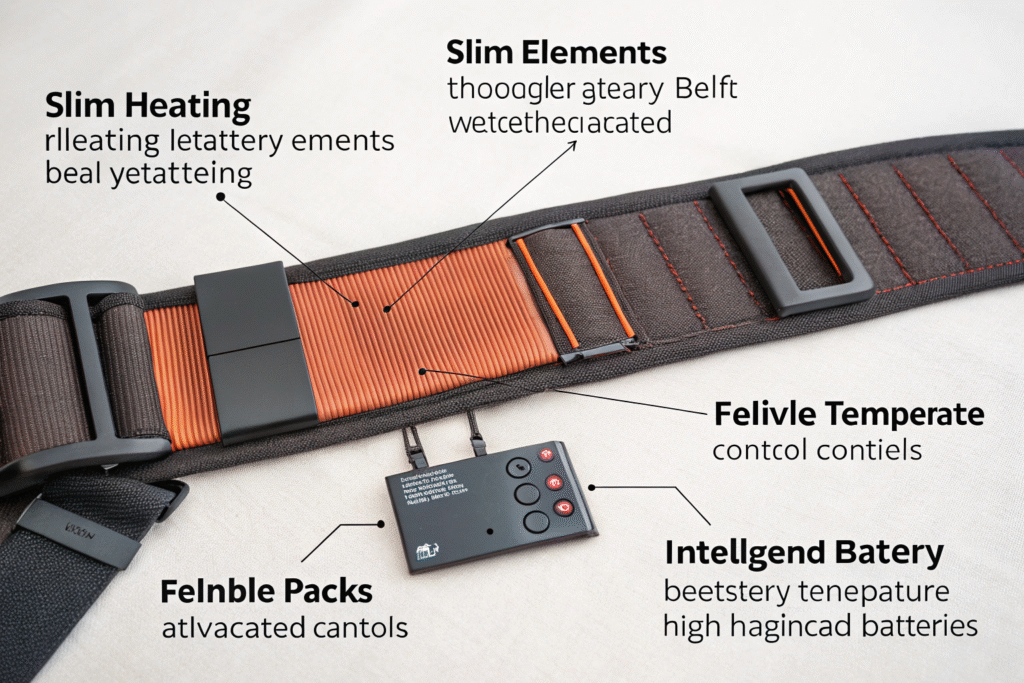
Modern heated belts utilize advanced carbon fiber heating elements that provide consistent, low-voltage warmth without the bulkiness of earlier metal wire systems. These ultrathin elements (typically 0.5-1mm thick) integrate directly into belt layers, creating flexible heating zones that conform to body contours while remaining virtually undetectable during wear. The most sophisticated implementations feature segmented heating panels that distribute warmth evenly across the lower back and abdominal areas—key zones for core temperature regulation—without creating hot spots that could cause discomfort or safety concerns.
The heating control systems have similarly evolved, with precision thermostats maintaining temperatures within 2-3°F of target settings and multiple heat settings (typically 3-5 levels) allowing customization based on activity level and environmental conditions. Advanced models incorporate motion sensors that adjust heat output based on activity, conserving battery during movement while increasing warmth during stationary periods. This intelligent thermal management represents a significant advancement over early single-temperature designs that couldn't adapt to changing conditions.
What Power System Improvements Enhance Usability?
The shift to high-density lithium-polymer batteries has dramatically improved the wearability and runtime of heated belts. Modern power packs measuring just 1-2cm thick provide 4-8 hours of continuous heat on medium settings, sufficient for full-day use without recharging. The most user-friendly designs incorporate removable batteries that can be easily replaced or charged via USB-C connections, eliminating the dedicated chargers that complicated earlier generations.
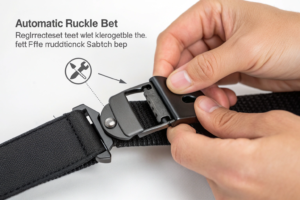
The placement and integration of power systems have similarly evolved to prioritize comfort and discretion. Rather than bulky external packs, current designs typically house batteries within slightly enlarged buckle mechanisms or distributed slim cells along the belt length. This integrated approach maintains the belt's traditional silhouette while adding functionality, addressing a key barrier to adoption among fashion-conscious consumers who rejected earlier technical-looking implementations.
What Consumer Needs Drive Market Expansion?
Heated belts address specific winter discomforts that traditional layers and outerwear cannot adequately solve, creating their unique market position.

How Do They Address Core Temperature Regulation?
Heated belts provide targeted core warming that leverages the body's natural thermoregulation processes. By maintaining warmth around the abdominal area and lower back—where major blood vessels are closest to the skin surface—the belts help maintain overall body temperature more efficiently than warming extremities alone. This physiological approach allows wearers to feel comprehensively warmer without needing to heavily insulate their entire body, enabling lighter, more mobile winter dressing.
The core warming benefit proves particularly valuable during transition periods—moving between heated buildings and cold outdoor environments, or during activities with varying exertion levels. Traditional layers often create overheating during active periods followed by chilling during rest, while heated belts can be adjusted to maintain consistent comfort regardless of activity changes. This adaptability addresses the dynamic nature of modern winter life where people frequently move between different temperature environments throughout their day.
What Therapeutic Benefits Drive Specific Demographics?
Beyond general comfort, heated belts provide targeted therapeutic benefits that appeal to specific demographic segments. For older adults with circulation issues, the consistent mild warmth can improve comfort during cold weather when circulation naturally decreases. For individuals with back discomfort or muscle stiffness, the heat provides soothing relief that complements other therapies. These health and wellness benefits expand the market beyond purely recreational users to include those seeking pain management and mobility support.
The therapeutic positioning has proven particularly effective in marketing to professionals who spend extended periods in cold environments—construction workers, event staff, transportation employees—where maintaining core warmth directly impacts both comfort and productivity. For these users, heated belts represent practical tools rather than luxury items, justifying investment through improved work experience and potentially reduced fatigue from fighting cold stress throughout shifts.
How Does Design Integration Support Market Growth?
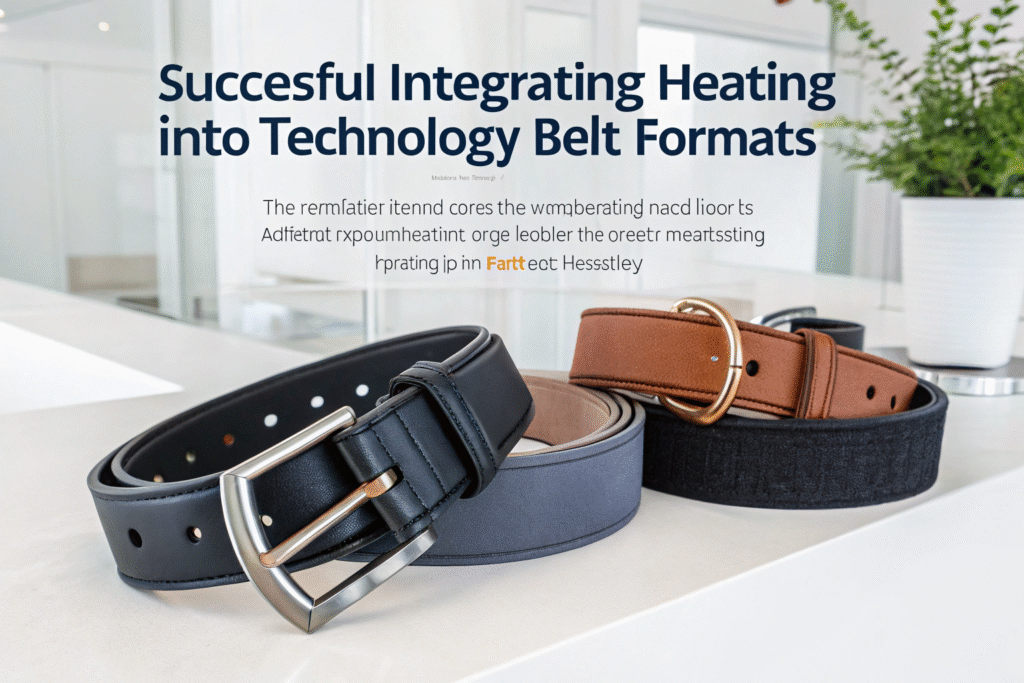
The successful integration of heating technology into familiar belt formats has been crucial for moving beyond early adopter markets to mainstream acceptance.
| Design Integration Challenge | Modern Solution | Market Impact |
|---|---|---|
| Discreet Heating Elements | Ultrathin carbon fiber panels integrated between lining and outer material | Maintains traditional belt appearance while adding functionality |
| Power System Bulk | Distributed slim batteries or buckle-integrated power | Eliminates uncomfortable bulges and technical appearance |
| Washability | Removable electronics and waterproof connectors | Enables easy care identical to regular belts |
| Style Limitations | Heating elements compatible with various materials and finishes | Allows fashion-forward designs beyond technical aesthetics |
| Temperature Control | Slim touch controls or smartphone connectivity | Provides easy adjustment without compromising style |
How Has Aesthetic Evolution Supported Mainstream Acceptance?
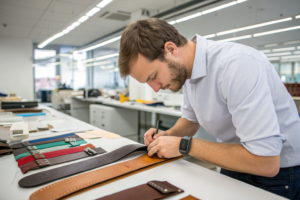
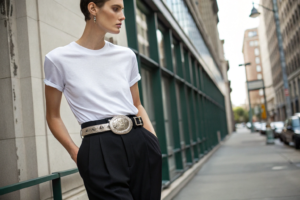
The transition from obviously technical to discreetly integrated designs has been crucial for heated belt market expansion. Early versions often featured visible wiring, bulky controls, and limited style options that appealed primarily to outdoor enthusiasts willing to sacrifice aesthetics for functionality. Current generations offer heating elements completely concealed between leather or fabric layers, minimalist controls integrated into buckle designs, and style options ranging from formal dress belts to casual webbing designs that match mainstream fashion expectations.
This aesthetic normalization has been particularly important for workplace adoption, where technical-looking accessories might violate dress codes or professional standards. Heated belts that appear identical to traditional options until activated overcome this barrier, enabling use in office environments, customer-facing positions, and formal settings where obvious technical gear would be inappropriate. This discretion has proven essential for all-day wear across diverse contexts rather than limited to recreational use.
What Role Does User Experience Play in Adoption?
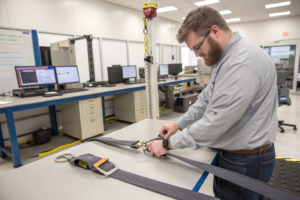
Simplifying the user experience has been another critical factor in heated belt market growth. Early models often required complex charging systems, difficult-to-operate controls, and specialized care instructions that created friction beyond their warmth benefits. Modern implementations prioritize intuitive operation—single-button controls, clear battery indicators, standard USB charging, and straightforward cleaning—that minimize the learning curve for new users.
The most successful user experience designs make the technology feel secondary to the comfort benefits. Automatic temperature adjustment based on ambient conditions, long enough battery life to forget about daily charging, and durability that withstands normal belt use all contribute to products that feel reliably helpful rather than fussily technological. This reliability builds the daily usage patterns that drive word-of-mouth recommendations and repeat purchases, essential for moving beyond novelty status to established winter accessory category.
What Market Trends Support Continued Growth?
Several converging consumer and industry trends create favorable conditions for ongoing heated belt market expansion.
How Does Wellness Culture Influence Demand?
The growing prioritization of wellness across consumer segments creates natural alignment with heated belt benefits. As consumers increasingly view self-care as including physical comfort and proactive health management, products that enhance daily comfort through technological assistance gain legitimacy. The positioning of heated belts as both comfort items and therapeutic tools resonates with consumers who increasingly invest in products that support their well-being beyond basic necessities.
The wellness connection extends to stress reduction, with the psychological comfort of reliable warmth in cold conditions providing mental well-being benefits alongside physical comfort. For consumers managing winter blues or seasonal affective disorder, the consistent comfort of heated belts can provide emotional support during challenging months. This expanded wellness positioning moves the products beyond simple warmth to encompass broader well-being benefits that justify premium pricing.
What Demographic Shifts Support Market Expansion?
Several demographic trends create favorable conditions for heated belt market growth. Aging populations with increased circulation concerns represent a natural market, while millennial and Gen Z consumers accustomed to integrated technology in all aspects of life approach heated accessories with less skepticism than previous generations. Additionally, the growth of remote and hybrid work models creates new use cases for heated belts during home office hours when environmental temperatures might be lower than traditional office settings.
The demographic advantage extends to geographic mobility patterns, with populations moving to colder regions for affordability or lifestyle reasons creating new markets for winter comfort solutions. Former southern residents relocating to northern cities, for example, often struggle with cold adaptation and seek technological solutions to bridge their comfort gap. These demographic shifts create expanding markets beyond traditional cold-weather regions to include populations with less inherent cold tolerance living in increasingly variable climate conditions.
Conclusion
Heated belts are gaining winter market share because they successfully address fundamental comfort needs through technology that has matured from novelty to reliability. The convergence of improved heating elements, better power systems, discreet integration, and intuitive user experiences has created products that deliver genuine value across diverse user scenarios from outdoor work to office environments to therapeutic applications.
As the technology continues evolving toward even more discreet implementations, longer battery life, and smarter temperature management, heated belts are positioned to transition from specialized winter gear to standard cold-weather accessories. Their ability to provide personalized comfort in a familiar format represents a compelling value proposition that aligns with multiple consumer trends around wellness, technology integration, and personalized comfort solutions.
Ready to explore heated belt options for your winter collection? Contact our Business Director, Elaine, at elaine@fumaoclothing.com to discuss our heated belt technologies and design approaches that balance warmth, style, and usability for the growing winter comfort market.