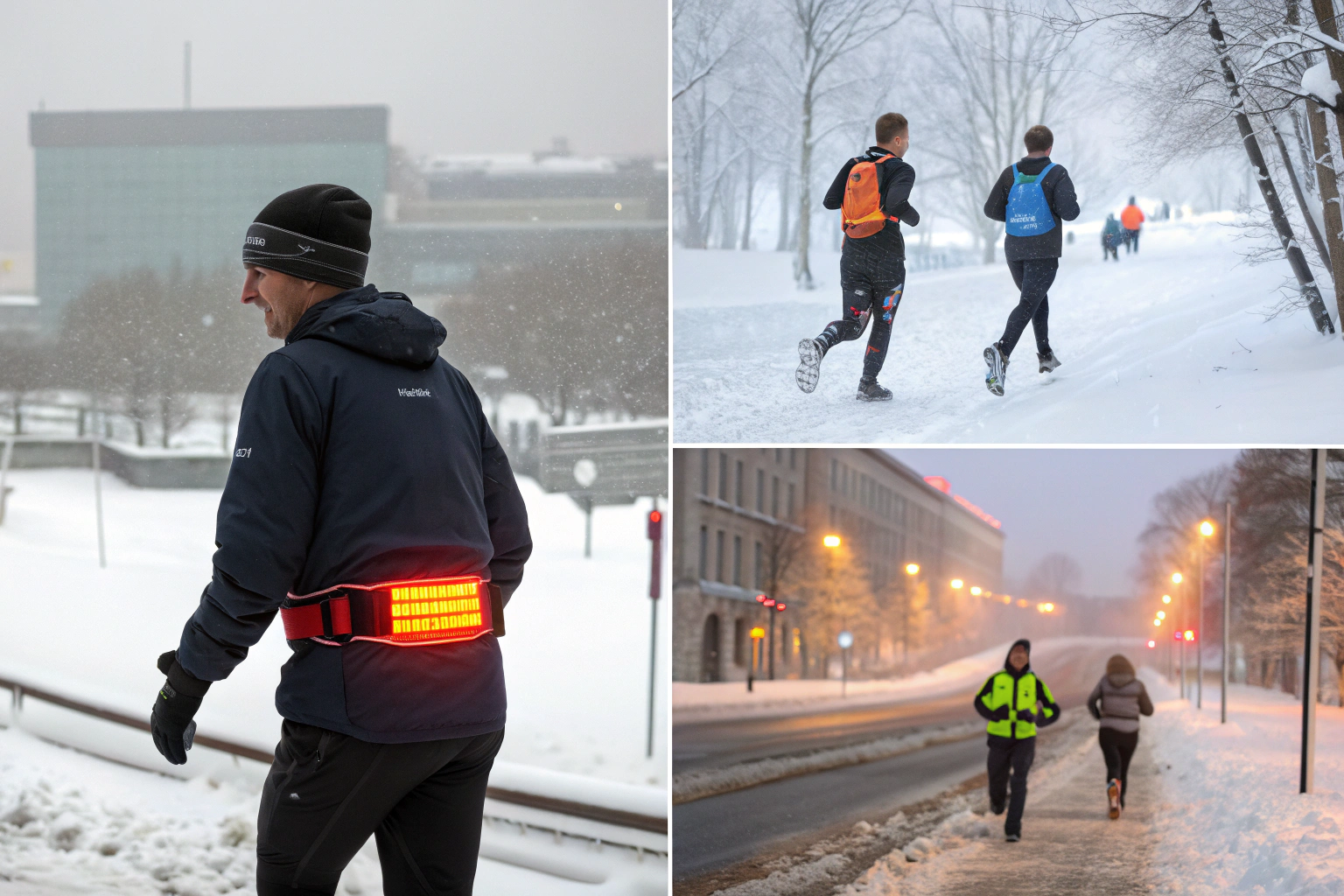
Northern climate consumers face significant challenges during winter months, where traditional layering often proves insufficient against penetrating cold that affects core body temperature. Standard belts serve only functional or fashion purposes during winter, missing the opportunity to provide genuine thermal comfort. This gap in the market leaves consumers choosing between bulkier heated garments or enduring discomfort during outdoor activities and commutes.
Heated winter belts are gaining northern market share because they deliver targeted core warming, reduce overall clothing bulk, provide therapeutic benefits for muscle stiffness, and integrate seamlessly with existing winter gear. These innovative belts use advanced heating technologies to maintain consistent warmth around the abdomen and lower back—areas critical for overall thermal comfort—while maintaining the appearance and functionality of traditional belts.
The convergence of improved battery technology, flexible heating elements, and consumer demand for smart thermal regulation has created ideal conditions for heated belt adoption in cold climates. This analysis explores the functional advantages, technological innovations, and consumer trends driving this growing market segment.
What Technological Innovations Enable Practical Heated Belts?
Early heated garments suffered from bulky wiring, short battery life, and uneven heat distribution. Modern heated belts solve these challenges through advanced materials and intelligent systems that balance warmth, comfort, and practicality.
The integration of flexible heating elements, efficient power management, and smart temperature control creates products that provide genuine warmth without compromising wearability. Each technological component addresses specific limitations of previous heated garment generations.
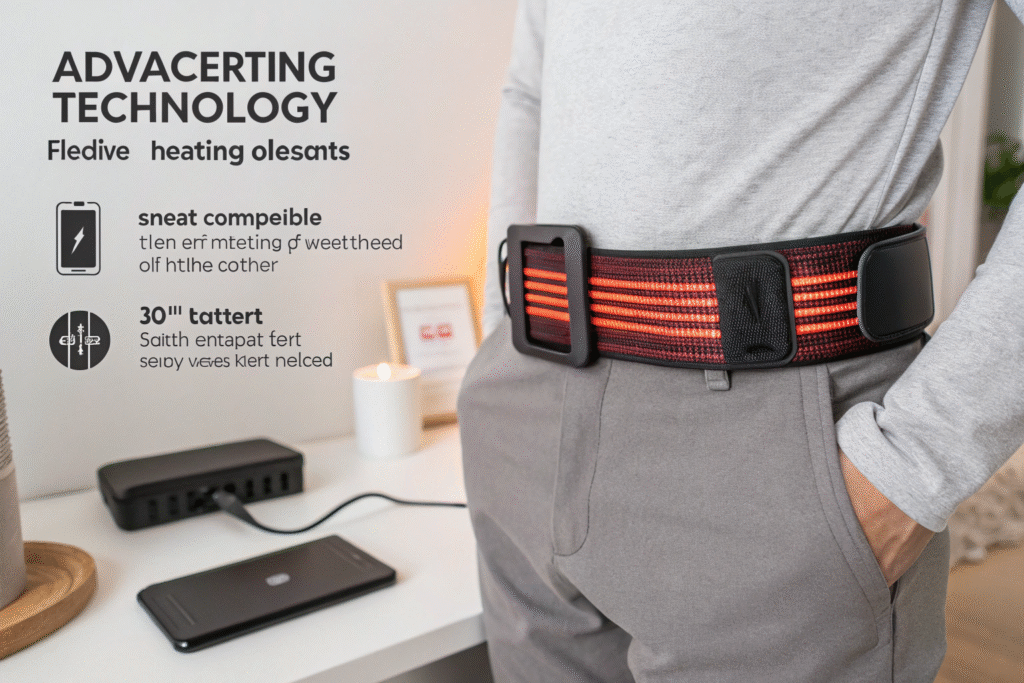
How Do Carbon Fiber Heating Elements Improve Performance?
Flexible carbon fiber heating elements have revolutionized heated garments by providing:
- Even heat distribution: Eliminating hot spots common with wire-based systems
- Extreme flexibility: Maintaining belt drape and comfort during movement
- Rapid warming: Reaching target temperatures in 1-2 minutes
- Low power consumption: Extending battery life through efficient heating
These elements can be woven directly into belt materials or applied as thin, flexible panels that are virtually undetectable during wear.
What Battery Advances Make All-Day Warmth Possible?
High-density lithium polymer batteries specifically designed for wearable applications enable practical heated belt operation through:
- Compact dimensions: Fitting seamlessly into belt designs without bulk
- Thermal stability: Maintaining performance in freezing temperatures
- Multiple heat settings: Providing 4-8 hours of continuous warmth per charge
- Quick recharge capability: Restoring full power in 1-2 hours
Modern systems typically provide 6+ hours of low-heat operation or 2-3 hours of high-heat output from batteries smaller than a smartphone.
What Health and Comfort Benefits Drive Adoption?
Beyond simple warmth, heated winter belts offer specific health and comfort advantages that resonate strongly with northern consumers. These benefits extend beyond temperature regulation to address common cold-weather physical challenges.
The therapeutic effects of consistent core warmth provide meaningful quality-of-life improvements for people with various health considerations and activity patterns. Each benefit addresses identifiable winter discomforts.
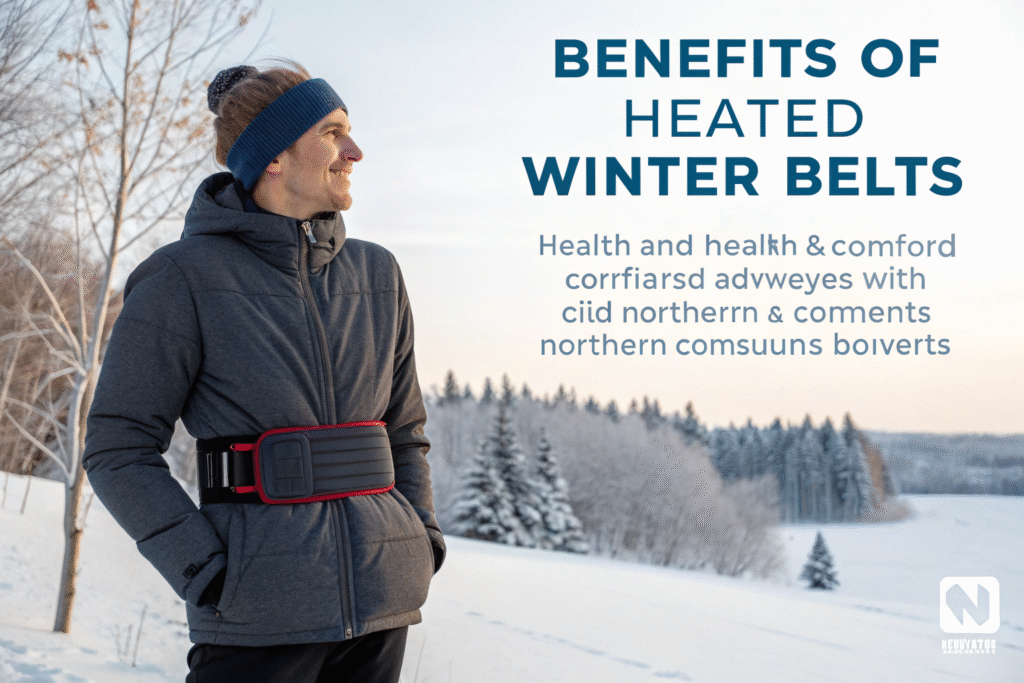
How Do Heated Belts Address Winter Muscle Stiffness?
Targeted warmth applied to the core and lower back provides therapeutic benefits for:
- Muscle relaxation: Reducing stiffness from cold-induced tension
- Improved circulation: Enhancing blood flow to core muscles
- Joint comfort: Easing discomfort in hips and lower back
- Flexibility maintenance: Preventing the restricted movement common in cold weather
These benefits prove particularly valuable for outdoor workers, commuters, and individuals with existing muscle or joint concerns.
Why Does Core Warming Provide Disproportionate Comfort?
Heating the torso rather than extremities creates outsized comfort improvements because:
- Core temperature regulation: The body prioritizes maintaining core warmth
- Reduced shivering: Preventing the body's emergency heating mechanism
- Improved blood distribution: Warming blood before it circulates to extremities
- Psychological impact: The sensation of core warmth creates overall comfort perception
This efficient heating approach allows lower overall energy consumption while providing greater perceived warmth.
What Market Trends Support Northern Climate Adoption?
Several converging trends in consumer behavior, technological accessibility, and climate patterns have created ideal conditions for heated belt adoption in northern markets. Understanding these trends helps explain the timing of this product category's emergence.
The combination of harsh winter experiences, technological comfort expectations, and specific demographic factors creates strong demand for innovative heating solutions. Each trend contributes to market readiness.
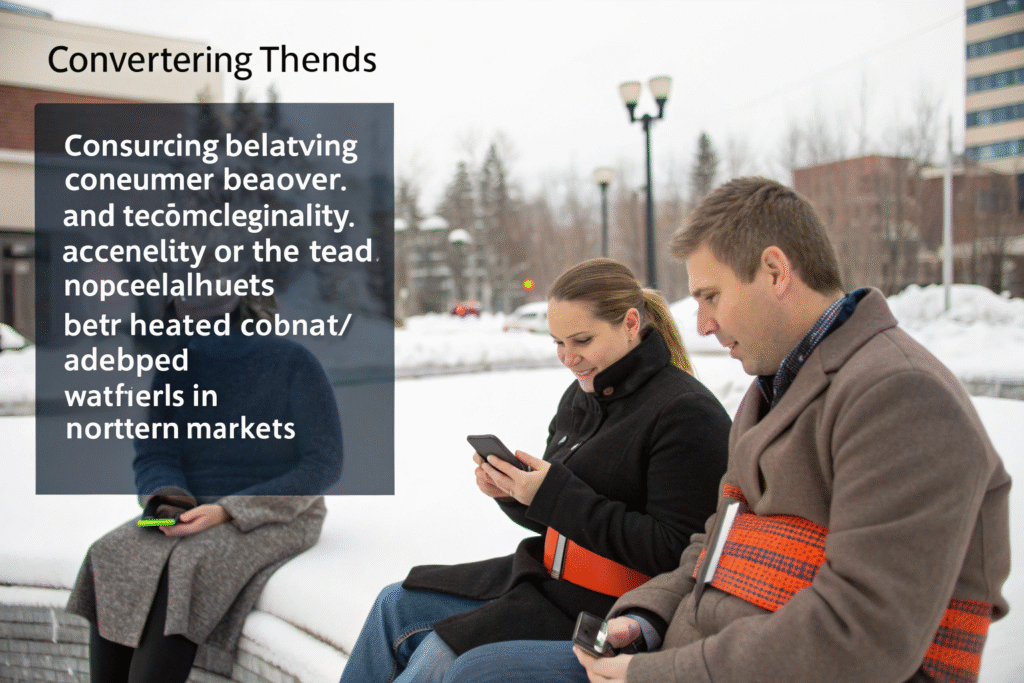
How Does Outdoor Activity Growth Drive Demand?
Increasing winter outdoor recreation participation creates demand for better cold-weather gear, including:
- Winter sports enthusiasts: Needing comfortable gear for extended outdoor exposure
- Dog walkers and runners: Seeking solutions for daily outdoor activities
- Winter commuters: Wanting comfort during transportation waits and walks
- Outdoor workers: Requiring practical warmth without restricting movement
These active consumers value products that enable comfortable outdoor time during winter months.
Why Are Older Demographics Particularly Receptive?
Age-related circulation changes and cold sensitivity make heated belts particularly appealing to older northern consumers because they:
- Address circulation issues: Providing warmth despite reduced blood flow
- Offer targeted therapy: Focusing heat on common stiffness areas
- Provide safety reassurance: Reducing fall risk from stiff, cold muscles
- Enable outdoor activity: Supporting continued winter mobility
This demographic often has both the need and financial means to invest in premium comfort solutions.
What Design Innovations Balance Warmth and Wearability?
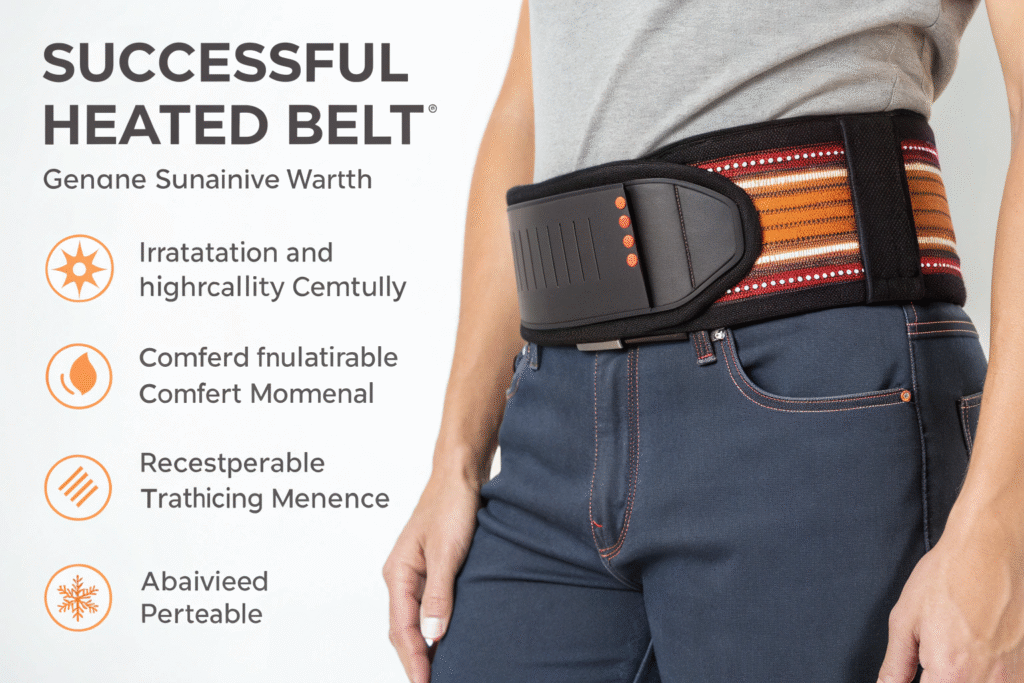
Successful heated belts must provide genuine warmth while maintaining the appearance, comfort, and functionality of traditional belts. This balance requires thoughtful design approaches that integrate heating technology seamlessly.
The most effective designs make heating elements virtually undetectable during normal wear while providing intuitive control and reliable performance. Each design element serves both aesthetic and functional purposes.
How Can Heating Elements Maintain Belt Flexibility?
Strategic placement and segmentation of heating panels preserves natural belt movement through:
- Zoned heating systems: Independent panels that move separately
- Flexible connections: Wiring that accommodates bending and twisting
- Material integration: Heating elements woven into flexible substrates
- Strategic stiffening: Limited rigid areas only where essential
These approaches allow the belt to conform to body movements while maintaining consistent heating performance.
What Control Systems Enhance User Experience?
Intuitive, accessible control interfaces make heated belts practical for daily use through:
- Simple button controls: Easy operation while wearing gloves
- Haptic feedback: Confirming settings without visual checking
- Mobile app integration: Allowing remote control and customization
- Auto-adjustment: Adapting heat output based on ambient temperature
These user-friendly controls encourage regular use rather than technological frustration.
| Feature | Northern Climate Benefit | Technology Required |
|---|---|---|
| Rapid Heating | Immediate comfort in extreme cold | Carbon fiber elements, efficient power delivery |
| All-Day Battery | Extended outdoor activity support | High-density LiPo batteries, power management |
| Water Resistance | Performance in snow and wet conditions | Sealed components, moisture-resistant materials |
| Layered Compatibility | Works under outerwear | Low-profile design, consistent heat distribution |
Conclusion
Heated winter belts are gaining significant northern market share by solving genuine cold-weather comfort challenges through advanced technology that balances warmth, wearability, and practicality. The combination of efficient heating elements, long-lasting batteries, therapeutic benefits, and seamless integration creates products that meaningfully improve winter quality of life. As northern consumers increasingly expect technological solutions to environmental challenges and value extended outdoor activity regardless of season, heated belts represent a natural evolution in cold-weather gear that meets both functional needs and comfort expectations.
Ready to develop heated winter belts for your northern market customers? At StylishBelts, we're pioneering thermal technology that integrates seamlessly into fashionable, functional accessories. Contact our Business Director Elaine today at elaine@fumaoclothing.com to discuss how our heated belt expertise can enhance your cold-weather product offerings.