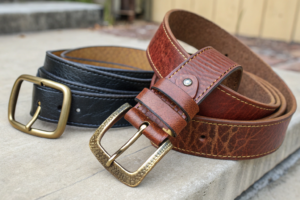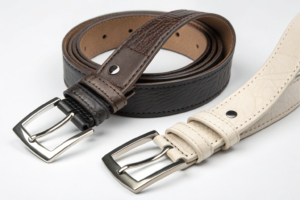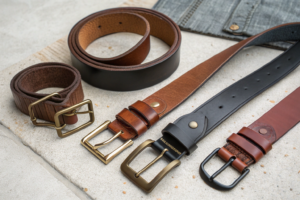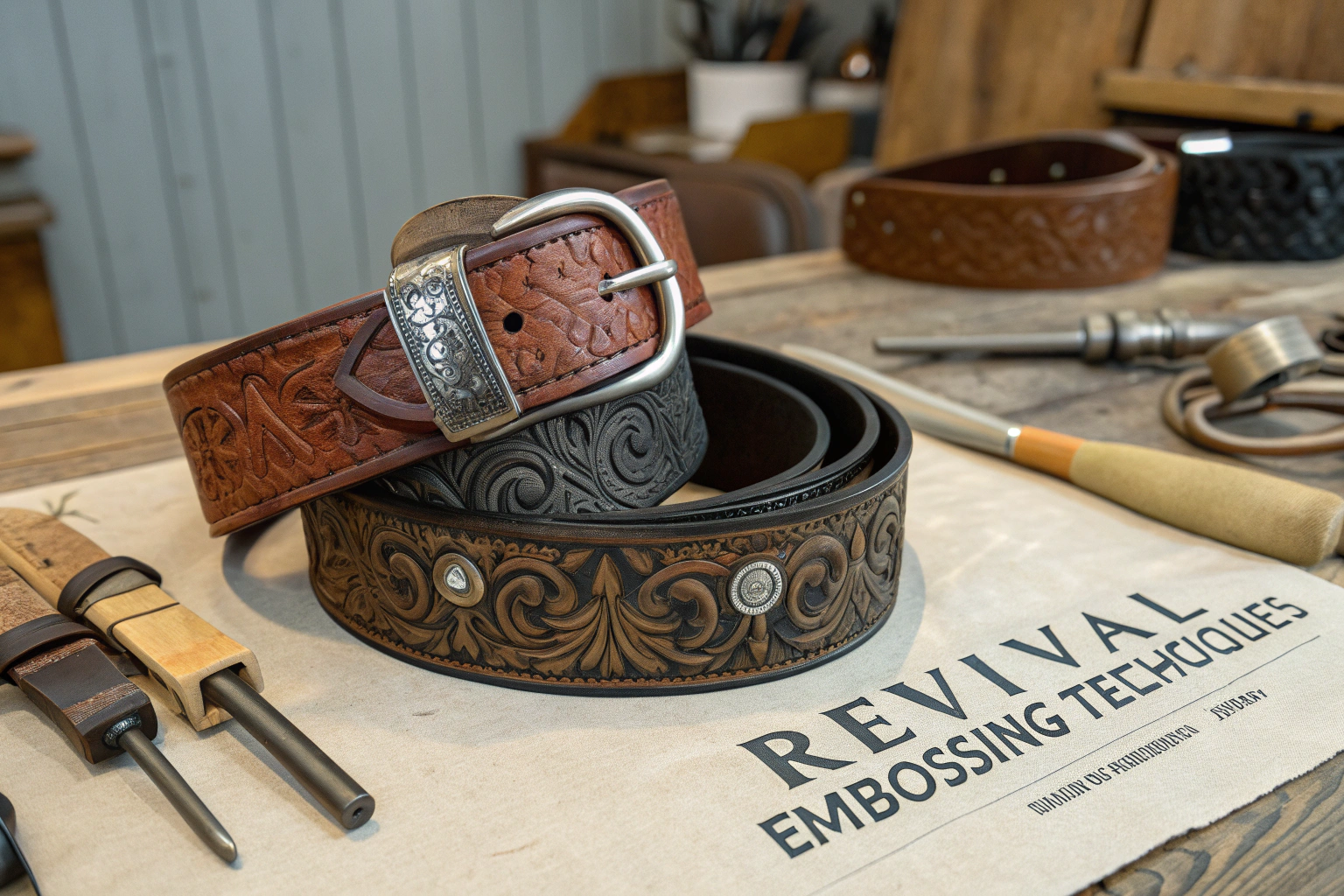
In an era dominated by mass production and digital manufacturing, a quiet revolution is taking place in the fashion accessories industry. Heritage embossing techniques, once considered relics of a bygone artisan era, are experiencing a remarkable resurgence in belt manufacturing and design. This revival represents more than just nostalgia—it signals a fundamental shift in consumer values and manufacturing philosophy.
Heritage embossing techniques are making a comeback because they offer authentic craftsmanship, unique artistic expression, sustainable production methods, and emotional connection that modern manufacturing cannot replicate. These time-honored techniques create products with soul and story, addressing contemporary consumers' growing desire for authenticity, quality, and meaningful purchases in an increasingly digital world.
The return to traditional embossing methods reflects broader cultural and market trends that prioritize human touch over machine perfection. Let's explore the key drivers behind this renaissance in artisanal belt production.
What Cultural Shifts Are Driving the Heritage Revival?
Several interconnected cultural movements have created the perfect environment for heritage embossing techniques to reclaim their relevance in modern fashion.
How Does Authenticity Appeal to Modern Consumers?
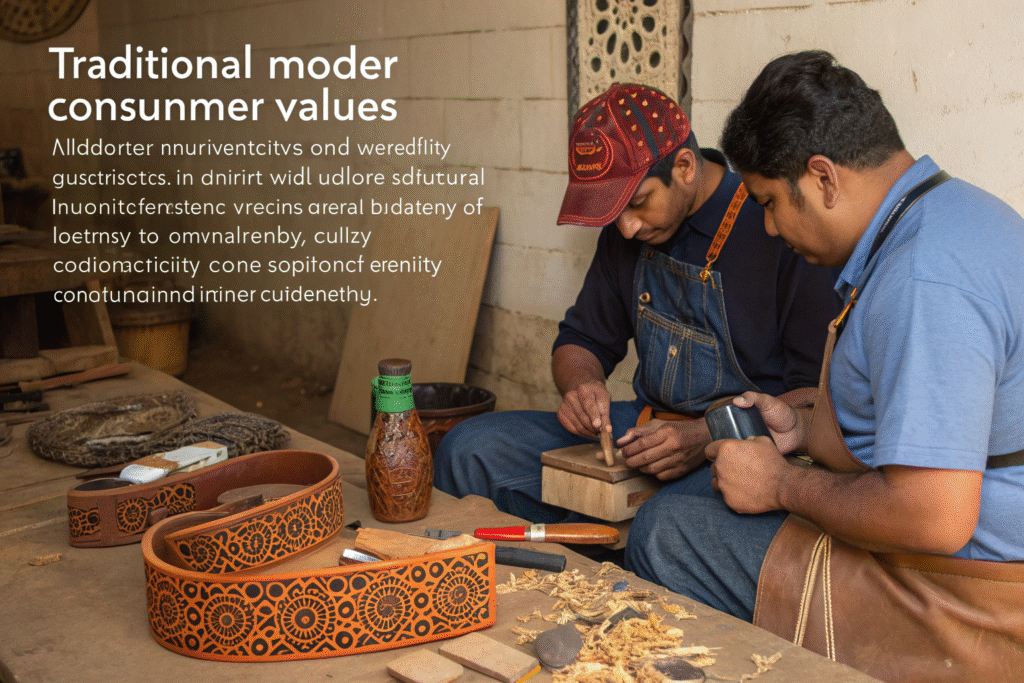
Today's consumers, particularly millennials and Gen Z, are increasingly rejecting mass-produced perfection in favor of products that show human artistry and individual character. Heritage embossing techniques create slight variations and imperfections that testify to handmade quality, making each piece unique. This authenticity resonates deeply in a world saturated with identical products, offering what psychological studies show consumers now crave: products with stories and soul. The visible craftsmanship becomes a badge of distinction that transcends mere fashion to represent values and identity.
What Role Does Cultural Preservation Play?
There's growing appreciation for techniques that preserve cultural heritage and traditional skills that might otherwise disappear. Consumers are increasingly aware that their purchasing decisions can help sustain artisan communities and protect intangible cultural heritage. This awareness transforms belt purchases from simple transactions into acts of cultural stewardship. The knowledge that one is supporting traditional craftsmanship and helping preserve skills passed down through generations adds significant emotional value to the finished product.
How Do Heritage Techniques Enhance Product Quality?
Beyond their aesthetic appeal, traditional embossing methods offer tangible quality advantages that justify their revival in contemporary manufacturing.
What Durability Advantages Do Traditional Methods Offer?
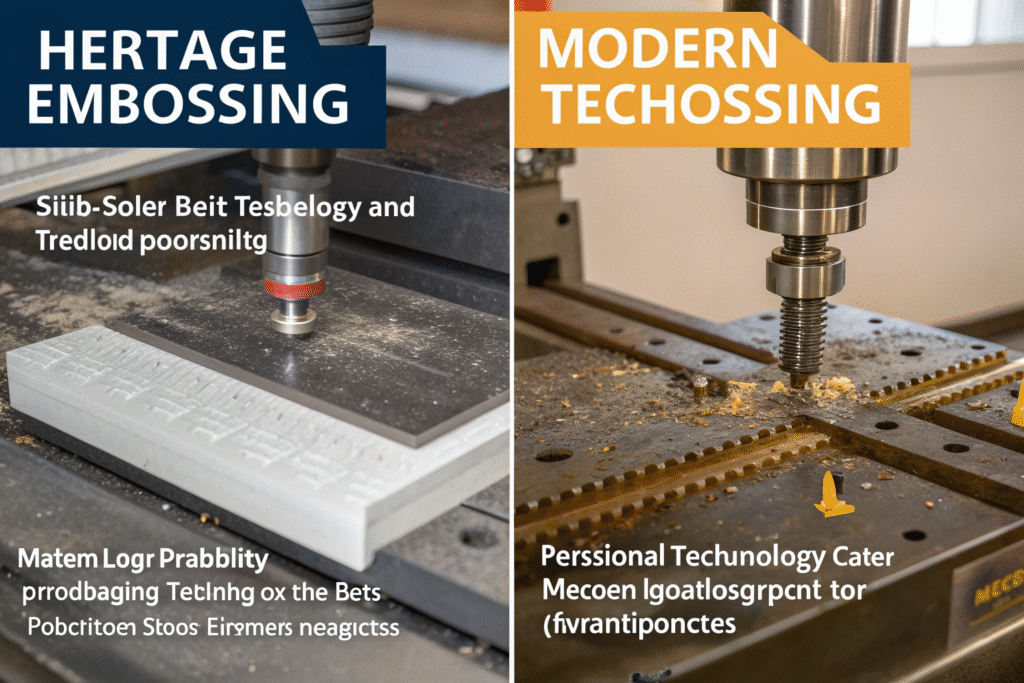
Heritage embossing techniques, particularly those involving hand-tooling and thermal pressing, create deeper, more permanent impressions that withstand years of use and conditioning. Unlike some modern chemical or laser etching that affects only the surface, traditional methods physically reshape the leather fibers, creating patterns that become more characterful with age. This results in products that not only last longer but actually improve aesthetically over time, developing a patina that tells the story of their use and care.
How Does Material Response Differ?
Traditional embossing methods work in harmony with natural materials rather than forcing compliance. The gradual, pressure-based approach of heritage techniques allows leather to maintain its structural integrity and natural characteristics. This respectful treatment results in better flexibility, more consistent aging, and superior comfort as the belt molds to the wearer's body over time. The difference becomes particularly apparent after years of use, when traditionally embossed belts often look better than when new, while modern alternatives may show wear and deterioration.
What Sustainable Benefits Do Heritage Methods Provide?
The environmental advantages of traditional embossing align perfectly with contemporary sustainability concerns.
How Do Traditional Methods Reduce Environmental Impact?
Heritage embossing requires significantly less energy consumption and resource use compared to modern alternatives. Most traditional tools are manually operated or use simple mechanical advantage, eliminating the electricity demands of laser etchers and hydraulic presses. The natural oils and finishes used in traditional methods are biodegradable and non-toxic, contrasting with the chemical compounds often employed in contemporary surface treatments. This lower environmental footprint appeals to eco-conscious consumers seeking to minimize their fashion-related ecological impact.
What Waste Reduction Advantages Exist?
Traditional craftsmanship inherently follows waste-not principles that modern manufacturing struggles to replicate. Artisans working with heritage techniques typically use every part of their materials, finding creative uses for scraps and off-cuts that would be discarded in automated processes. The slower, more deliberate pace of traditional embossing allows for careful planning that minimizes errors and material waste. This approach not only reduces environmental impact but also represents a more respectful relationship with materials that consumers increasingly value.
How Does Heritage Embossing Create Market Differentiation?
In a crowded marketplace, traditional techniques offer powerful points of differentiation that resonate with contemporary consumers.
What Storytelling Opportunities Arise?
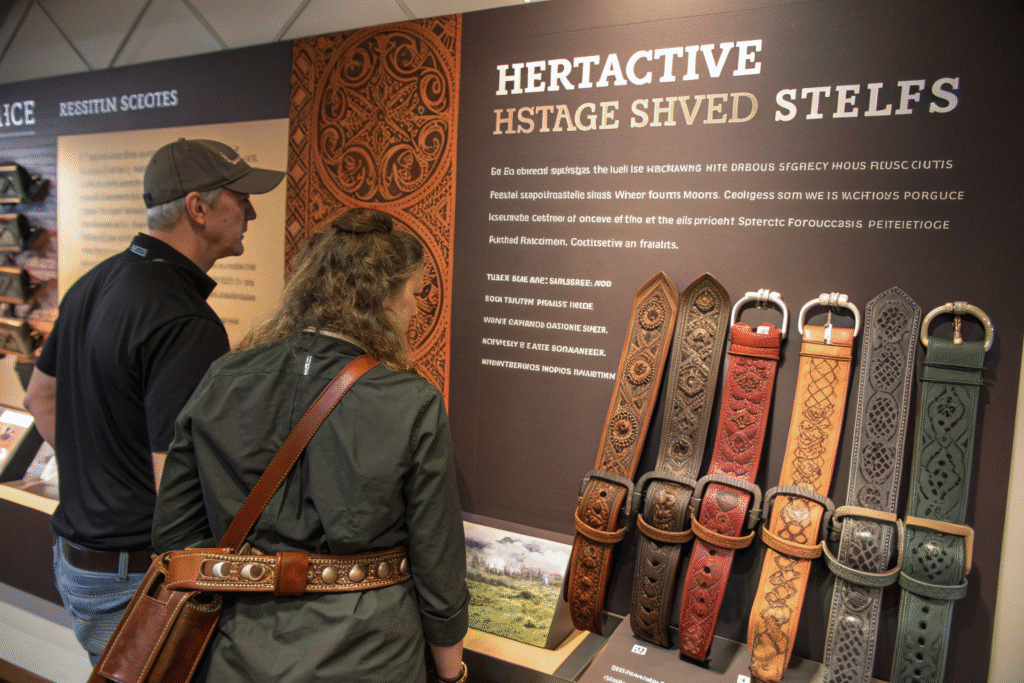
Each heritage-embossed belt carries a compelling narrative about its creation that mass-produced items cannot match. The techniques themselves have histories—whether drawn from specific cultural traditions, regional specialties, or family workshops. These stories transform products from mere accessories into tangible connections to people, places, and traditions. This narrative depth provides powerful marketing content and helps justify premium pricing by offering emotional value alongside functional utility.
How Does Artisanal Quality Support Premium Positioning?
The visible evidence of handcraftsmanship and time investment inherent in heritage embossing naturally supports premium product positioning. Consumers understand and appreciate the skill, time, and attention required for traditional techniques, making them willing to pay significantly more for these products. This quality perception extends beyond initial purchase to long-term value retention, with heritage-embossed belts often maintaining or increasing their worth over time, unlike mass-produced alternatives that depreciate quickly.
Conclusion
The comeback of heritage embossing techniques represents a meaningful convergence of quality craftsmanship, sustainable values, cultural preservation, and market differentiation. These traditional methods offer what modern consumers increasingly seek: products with authenticity, soul, and story that stand apart in a world of sameness.
As the fashion industry continues to grapple with issues of sustainability, authenticity, and meaning, heritage techniques provide compelling answers that benefit manufacturers, consumers, and artisan communities alike. If you're interested in incorporating genuine heritage embossing techniques into your belt collections, contact our Business Director, Elaine, at elaine@fumaoclothing.com to discuss how our artisan partnerships and traditional workshop capabilities can bring authentic craftsmanship to your product line.