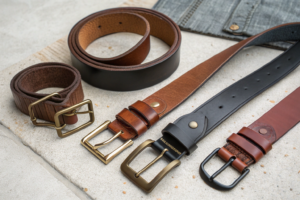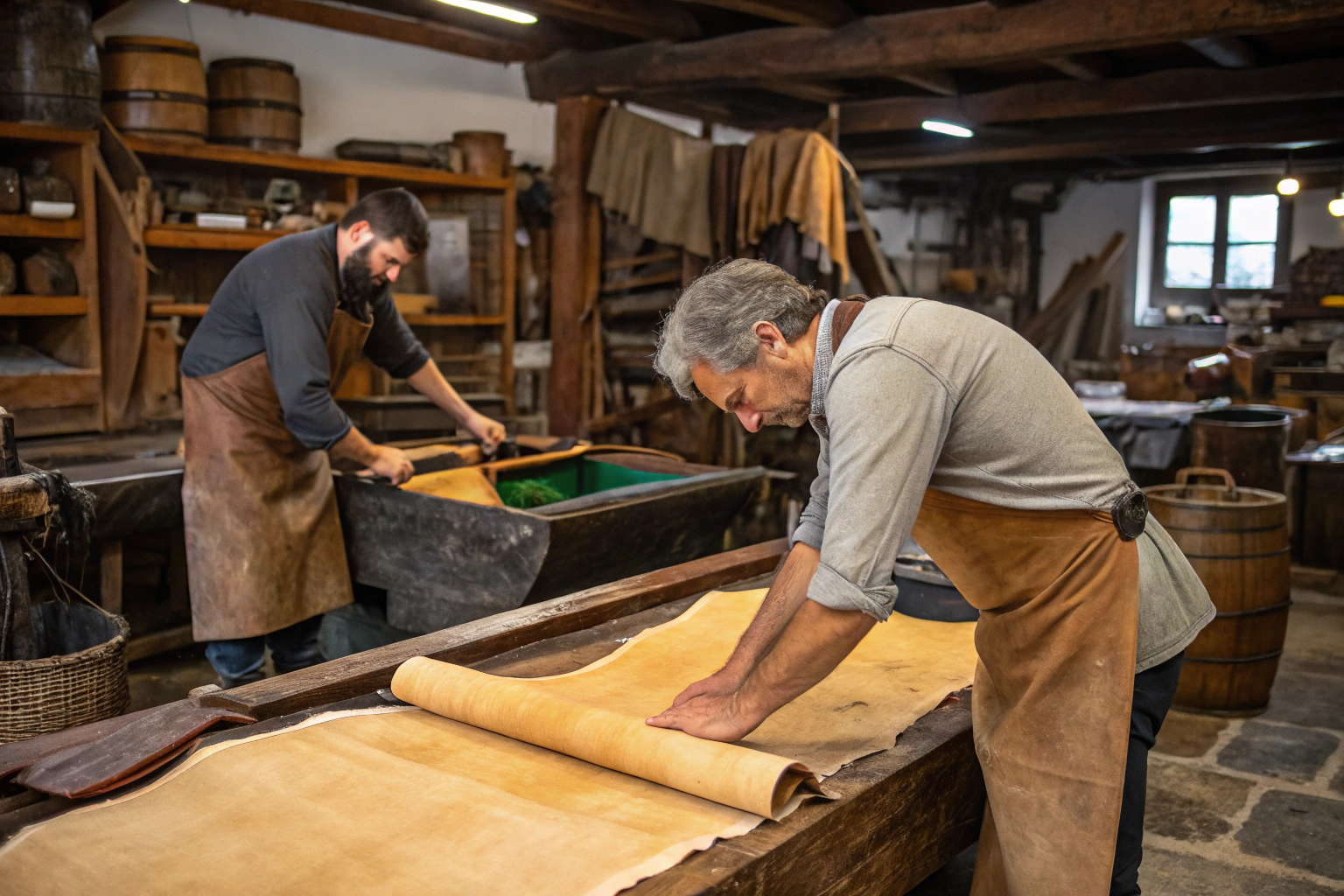
In an era dominated by mass production and synthetic materials, traditional leather craftsmanship is experiencing a remarkable resurgence. Once considered niche or outdated, heritage techniques like vegetable tanning, hand-stitching, and natural dyeing are now appearing in mainstream fashion collections and attracting younger consumers. What explains this revival of methods that require significantly more time and skill than modern industrial processes?
Heritage leather techniques are returning to mainstream because they offer authentic storytelling, superior product longevity, environmental sustainability, and unique aesthetic character that mass-produced goods cannot replicate. This movement represents a consumer shift toward "slow fashion" values, with products featuring traditional craftsmanship typically commanding 30-50% price premiums while growing at 20-35% annually compared to 3-5% growth in conventional leather goods.
The revival of heritage techniques reflects broader cultural and market shifts that prioritize authenticity and sustainability over convenience and low cost. Let's examine the quality advantages, environmental benefits, consumer psychology, and economic factors driving this renaissance in traditional leather craftsmanship.
What Quality Advantages Do Heritage Techniques Offer?
Traditional leather methods deliver tangible quality benefits that modern industrial processes often sacrifice for speed and cost efficiency. These advantages become increasingly valuable to consumers seeking long-lasting products.
Quality advantages include superior durability, unique aging characteristics, repairability, and structural integrity. Each benefit contributes to products that not only last longer but improve with age.
How Does Vegetable Tanning Create More Durable Leather?
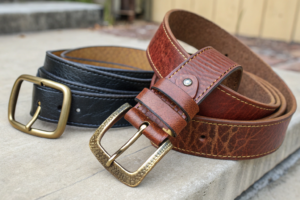
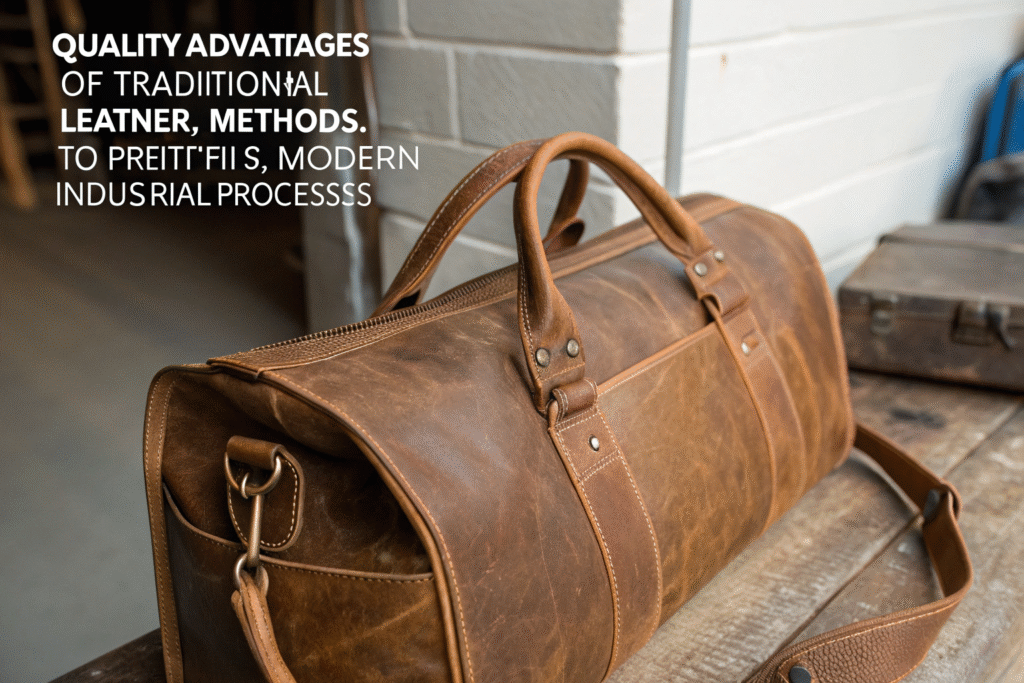
Vegetable tanning creates more durable leather through a slow, natural process that preserves the hide's fiber structure, resulting in material that develops strength and character over time rather than deteriorating. Unlike chrome tanning that completes in hours, the 30-60 day vegetable tanning process allows tannins to fully penetrate and bond with collagen fibers, creating leather that becomes more supple with use while maintaining structural integrity. Vegetable-tanned leather typically lasts 2-3 times longer than chrome-tanned equivalents, making it particularly valuable for belts that endure daily stress. Testing standards from the Leather Working Group confirm vegetable-tanned leather's superior longevity.
Why Does Hand-Stitching Outperform Machine Methods?
Hand-stitching outperforms machine methods through stronger seam construction, better tension control, and the ability to repair individual stitches rather than replacing entire sections. While machines create locked stitches that can unravel completely if broken, traditional saddle stitching creates independent stitch units where each thread passes through the same hole twice, preventing catastrophic failure. This technique, requiring 5-10 times longer than machine stitching, creates seams that typically last the lifetime of the leather itself. Craftsmanship standards from the Society of Master Saddlers document hand-stitching's technical advantages.
What Environmental Benefits Drive This Resurgence?
Sustainability concerns are increasingly influencing purchasing decisions, making traditional leather methods particularly appealing to environmentally conscious consumers.
Environmental benefits include biodegradable materials, non-toxic processes, reduced energy consumption, and circular economy compatibility. Each advantage addresses specific concerns about fashion's environmental impact.
How Do Natural Tanning Methods Reduce Pollution?
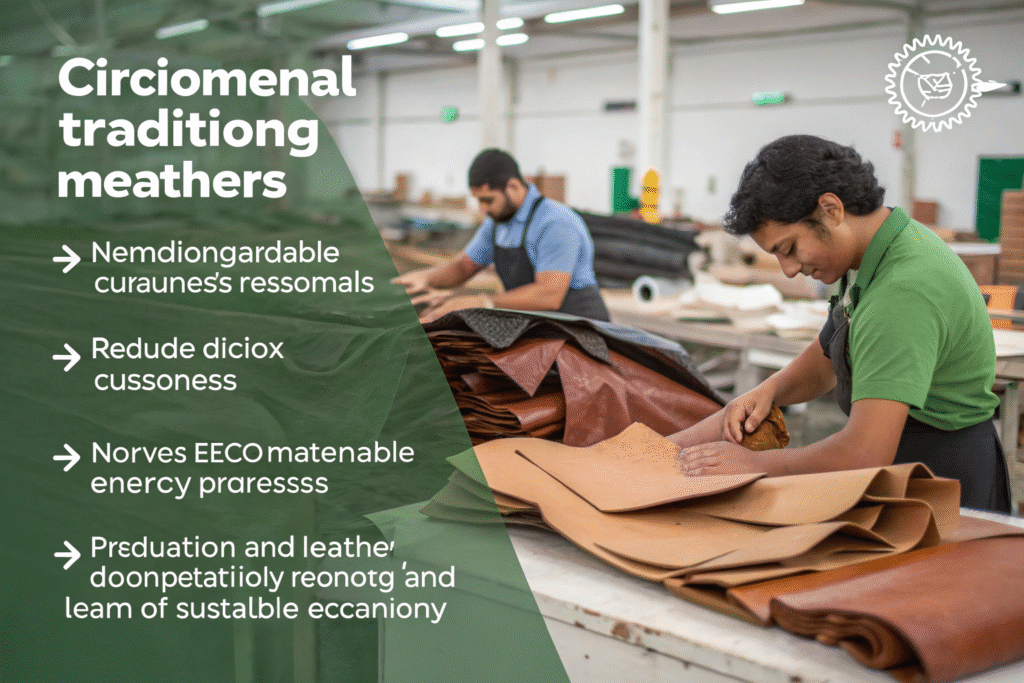
Natural tanning methods reduce pollution by using biodegradable plant extracts instead of chromium salts and synthetic chemicals that create hazardous waste. Vegetable tanning's primary byproducts are tannin-rich water and plant materials that can be safely processed through conventional wastewater treatment, unlike chrome tanning that generates heavy metal contamination requiring specialized disposal. The Environmental Protection Agency identifies chromium as a priority pollutant, making vegetable tanning increasingly attractive from both regulatory and consumer perspectives.
Why Are Heritage Techniques More Energy Efficient?
Heritage techniques are more energy efficient because they rely on natural processes and manual skill rather than energy-intensive machinery and chemical accelerators. While modern tanneries operate massive rotating drums heated to precise temperatures, traditional vegetable tanning uses passive immersion in temperature-controlled vats. Similarly, hand tools and stitching horses consume no electricity compared to industrial sewing machines and cutting equipment. Life cycle assessment data from the Sustainable Apparel Coalition shows traditional leather production uses 40-60% less energy than industrial methods.
What Consumer Psychology Supports This Trend?
The appeal of heritage techniques extends beyond practical benefits to psychological factors that influence purchasing decisions and product attachment.
Psychological factors include authenticity seeking, storytelling value, craftsmanship appreciation, and emotional connection. Each element contributes to the perceived value of traditionally crafted leather goods.

Why Does Authenticity Resonate with Modern Consumers?
Authenticity resonates with modern consumers because it provides relief from the homogeneity of mass production and creates meaningful connections to products in an increasingly digital world. In an era where algorithms dictate trends and social media creates pressure to conform, products with visible human craftsmanship offer genuine individuality that cannot be replicated by machines. Psychological research from the Journal of Consumer Research shows that authenticity increases product attachment and willingness to pay premiums of 30-50%.
How Does Storytelling Enhance Product Value?
Storytelling enhances product value by transforming functional items into narrative objects that carry cultural meaning and personal significance. A belt crafted using century-old techniques from a specific region carries stories about material sourcing, artisan skills, and cultural heritage that mass-produced equivalents lack. These narratives become part of the owner's identity and are frequently shared, creating emotional bonds that transcend mere utility. Market research from The Harris Poll indicates that 72% of consumers prefer brands that share stories about their manufacturing processes.
What Economic Factors Make Heritage Techniques Viable?
Despite higher production costs, heritage leather methods are achieving commercial success through changing market dynamics and consumer preferences.
Economic factors include premium pricing acceptance, brand differentiation, reduced returns, and artisanal marketing value. Each element contributes to the financial viability of traditional craftsmanship.
How Do Heritage Techniques Support Premium Pricing?
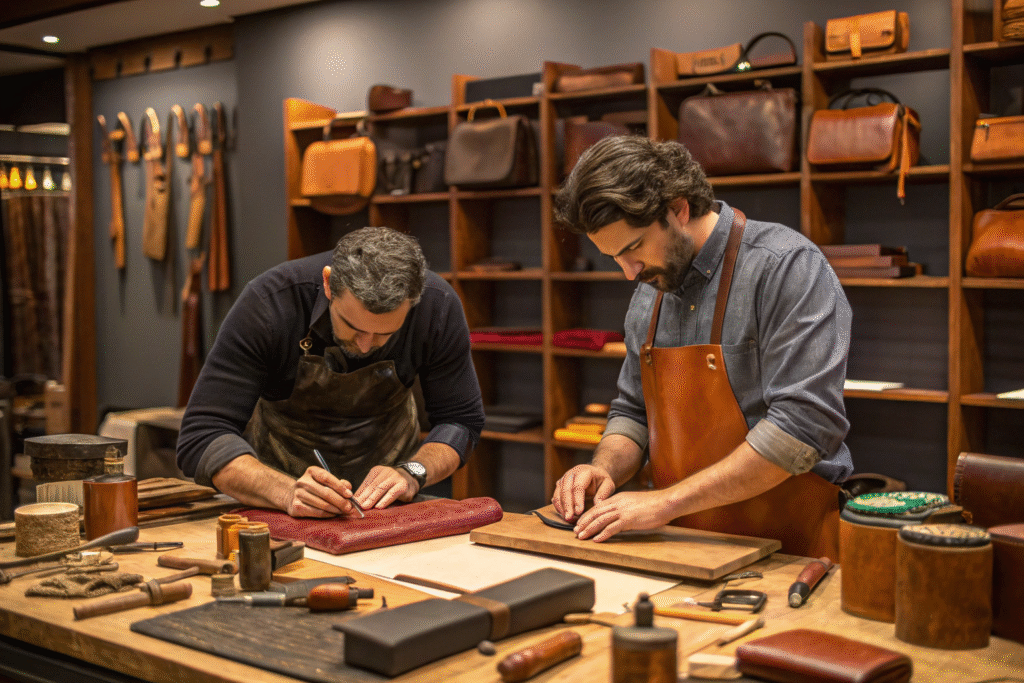
Heritage techniques support premium pricing by creating visible quality differences that justify higher costs through superior materials, extended product lifespan, and artisanal value. While a machine-made belt might retail for $50-80, a handcrafted vegetable-tanned equivalent typically commands $150-300 while offering 3-5 times the usable lifespan. This value proposition increasingly appeals to consumers practicing conscious consumption who prefer investing in fewer, higher-quality items. Pricing research from Deloitte shows that craftsmanship is the second most cited reason for paying luxury premiums after brand reputation.
Why Does Artisanal Production Reduce Return Rates?
Artisanal production reduces return rates by creating products with unique characteristics that customers value rather than expecting perfect uniformity. While mass production aims for identical replication, traditional craftsmanship embraces natural variations in leather grain, subtle dye differences, and individual artisan touches that customers accept as evidence of authenticity rather than defects. This understanding typically reduces return rates from 15-25% for mass-produced accessories to 3-8% for handcrafted items. E-commerce data from Shopify demonstrates that products marketed as handcrafted have significantly lower return rates despite higher price points.
Conclusion
The return of heritage leather techniques to mainstream fashion represents a significant shift in consumer values toward authenticity, sustainability, and quality over convenience and low cost. This movement benefits artisans, consumers, and the environment while creating products that tell meaningful stories and stand the test of time.
The resurgence of traditional craftsmanship demonstrates that in an increasingly automated world, human skill and natural processes retain unique value that technology cannot replicate. If you're interested in incorporating heritage leather techniques into your belt collections and need manufacturing partners with traditional expertise, our workshops maintain these time-honored methods alongside modern quality control. Contact our Business Director, Elaine, to discuss how we can blend heritage craftsmanship with contemporary design. Reach out to Elaine at elaine@fumaoclothing.com. Let's create belts that carry stories as rich as their materials.