In an era dominated by mass production and automated manufacturing, consumers increasingly seek products with authentic stories and human craftsmanship. Standard woven belts, while functional, often lack the distinctive character and emotional resonance that modern consumers desire. The uniformity of machine production creates accessories that serve practical purposes but fail to connect with the growing market segment valuing artistry and tradition.
Heritage loom techniques are elevating woven belts because they deliver unique aesthetic character, superior craftsmanship storytelling, cultural preservation value, and exceptional durability that mass production cannot replicate. These traditional methods create distinctive patterns, subtle variations, and tangible human artistry that transform functional accessories into wearable art with authentic stories.
The resurgence of interest in traditional craftsmanship represents a significant shift in consumer values. This analysis explores how heritage weaving techniques create competitive advantages in the modern belt market through their unique combination of aesthetic appeal, cultural significance, and quality differentiation.
What Technical Superiority Do Heritage Looms Provide?
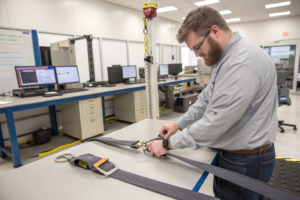
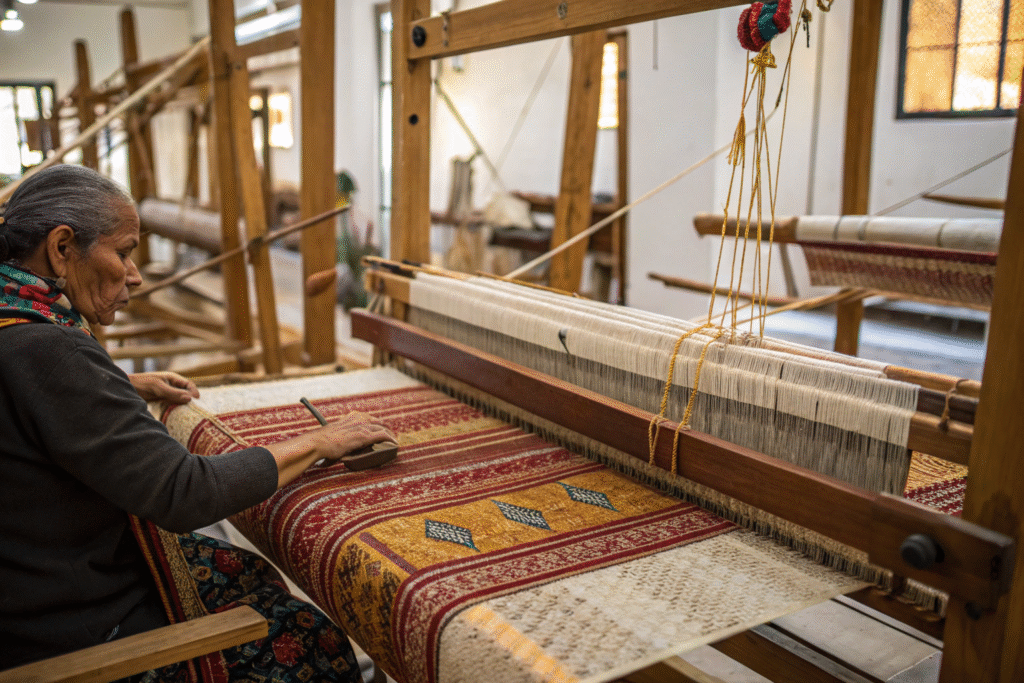
Traditional weaving methods employ techniques and attention to detail that industrial looms cannot economically replicate. The fundamental approach to material handling, tension control, and pattern execution creates structural and aesthetic differences that discerning consumers immediately recognize.
Heritage looms allow for more complex pattern integration, superior material preservation, and structural integrity that exceeds industrial standards. These technical advantages result from the artisan's direct control over every aspect of the weaving process rather than automated programming.
How Do Traditional Looms Create Superior Fabric Integrity?
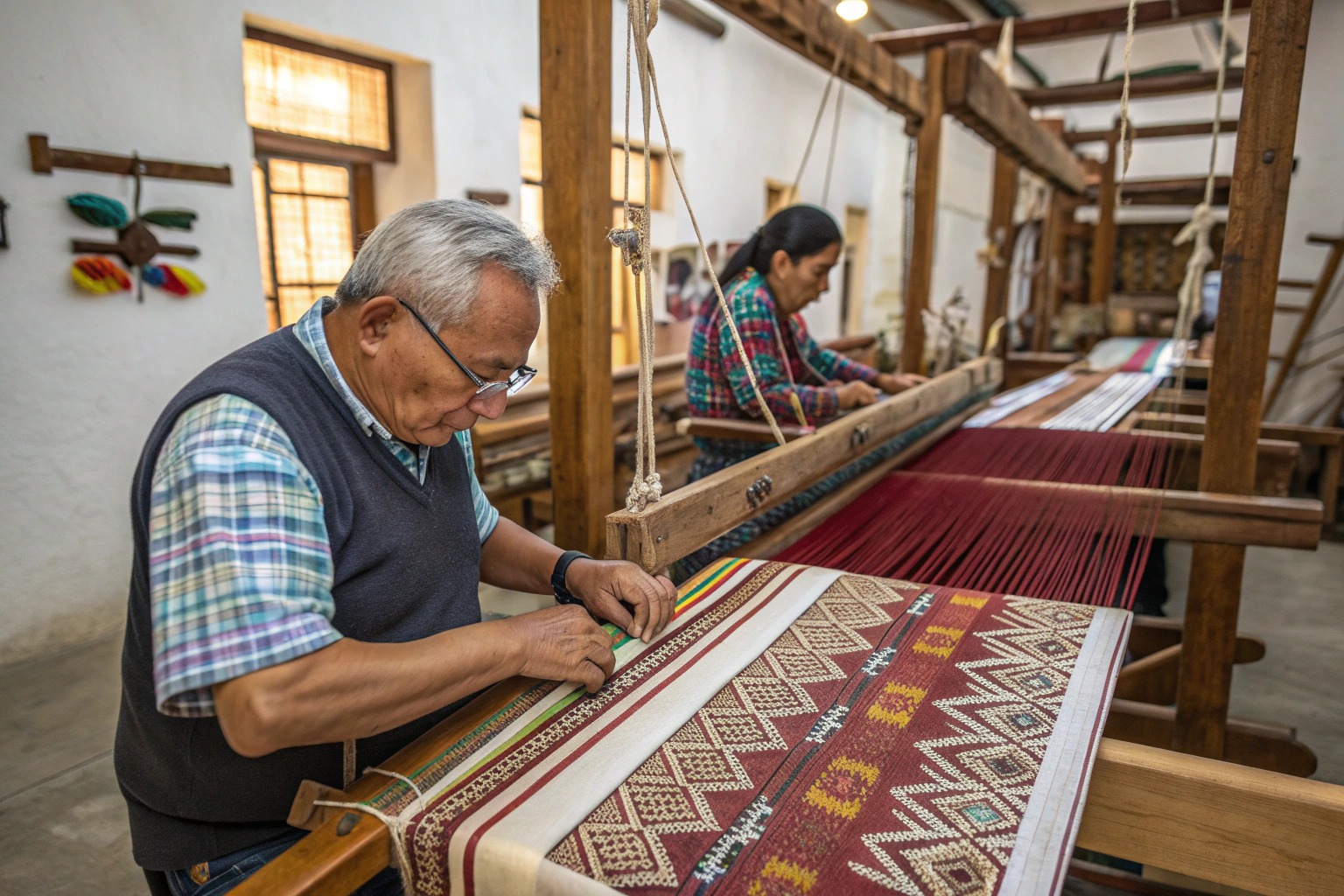
Heritage loom techniques typically maintain consistent, appropriate tension across both warp and weft threads, preventing the stress concentrations that can lead to premature wear in mass-produced woven goods. The artisan's ability to adjust tension in response to material variations creates more uniform fabric strength throughout the belt. This meticulous approach results in products that maintain their structure and appearance through years of use.
Why Do Hand-Operated Looms Allow Greater Pattern Complexity?
Unlike industrial looms limited by their programming and mechanical capabilities, traditional handlooms enable unlimited pattern variations through direct artisan control. Weavers can incorporate complex designs, subtle color gradients, and unique textural elements that would be economically unfeasible in factory production. This flexibility allows for truly distinctive designs that cannot be easily copied by competitors.
What Cultural and Storytelling Value Do Heritage Techniques Add?
In our increasingly digital and automated world, products with genuine human stories and cultural significance carry emotional weight that transcends their functional utility. Heritage weaving techniques connect consumers to traditions, communities, and artistry that mass production eliminates.
The narrative of skilled artisans preserving cultural traditions through their craft creates powerful marketing opportunities and emotional connections. These stories transform accessories from mere fashion items into cultural artifacts.

How Does Cultural Preservation Enhance Brand Positioning?
Belts produced using traditional techniques specific to cultural regions carry authentic heritage that cannot be replicated through superficial design elements. Whether featuring Navajo weaving patterns, Scandinavian bands, or Asian silk weaving traditions, these techniques connect products to specific cultural narratives that resonate with ethically-minded consumers. This authenticity supports premium positioning and brand differentiation.
Why Do Artisan Stories Create Emotional Consumer Connections?
Knowing that a belt was woven by specific artisans using generations-old techniques creates personal connections between consumers and producers. Showcasing weavers' stories, their training backgrounds, and their dedication to preserving traditional methods transforms anonymous manufacturing into meaningful human relationships. This transparency builds trust and loyalty that price-based competition cannot overcome.
What Market Differentiation Do Heritage Techniques Provide?
In a crowded accessories market, distinctive products that cannot be easily copied command premium prices and dedicated customer bases. Heritage loom techniques create natural barriers to competition through their requirement for specialized skills and time-intensive processes.
The unique characteristics of traditionally woven belts provide immediate visual differentiation while supporting substantiated claims of superior quality and ethical production. These advantages create sustainable competitive positioning.
How Do Natural Variations Become Selling Features?
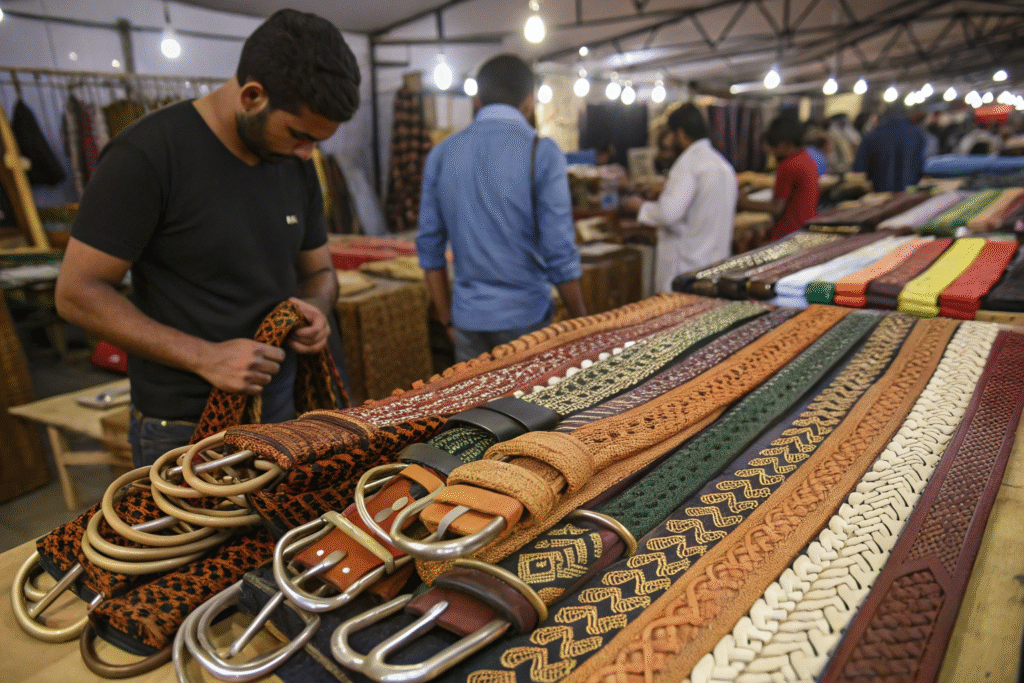
Unlike industrial production that strives for perfect uniformity, heritage weaving embraces natural variations as evidence of authentic craftsmanship. Slight irregularities in pattern alignment, subtle color shifts from natural dyes, and unique textural characteristics become markers of authenticity rather than quality flaws. Educated consumers appreciate these variations as proof of genuine artisan production.
Why Does Skill Scarcity Support Premium Pricing?
The declining population of master weavers trained in traditional techniques creates natural scarcity that justifies premium pricing. Unlike factory skills that can be quickly taught, heritage weaving requires years of apprenticeship and practice to master. This skill investment translates to higher production costs that consumers increasingly recognize as representing true value rather than mere expense.
What Sustainable Advantages Do Traditional Methods Offer?
Beyond aesthetics and storytelling, heritage loom techniques frequently align with sustainable production values that appeal to environmentally conscious consumers. The natural materials, low-energy processes, and artisanal scale create smaller environmental footprints than industrial alternatives.
The sustainability narrative complements the craftsmanship story, creating comprehensive ethical appeal that addresses multiple consumer values simultaneously.

How Do Natural Material Traditions Support Sustainability?
Heritage weaving typically utilizes natural, biodegradable materials like organic cotton, linen, wool, and plant-based dyes that minimize environmental impact. These material choices contrast with synthetic fibers and chemical treatments common in mass production. The natural material focus provides authentic sustainability benefits beyond the superficial greenwashing common in fashion marketing.
Why Does Artisan Production Reduce Environmental Impact?
Small-scale heritage weaving operates with significantly lower energy consumption than industrial textile manufacturing. The absence of massive machinery, reduced transportation needs, and minimal packaging requirements collectively create smaller carbon footprints. This environmental advantage provides legitimate sustainability claims that support brand positioning and consumer trust.
| Heritage Technique | Market Advantage | Production Consideration |
|---|---|---|
| Backstrap Weaving | Unique tension patterns, portability | Low output, high skill requirement |
| Treadle Loom Weaving | Complex patterns, consistent quality | Space requirements, setup time |
| Inkle Loom Weaving | Narrow fabric specialization, colorwork | Limited width, manual process |
| Card Weaving | Ancient technique, structural integrity | Time-intensive, pattern limitations |
Conclusion
Heritage loom techniques are elevating woven belts by combining unparalleled craftsmanship, authentic storytelling, cultural significance, and sustainable production into products that transcend their functional purpose. In an increasingly homogenized marketplace, these traditional methods create distinctive accessories that cannot be replicated by industrial manufacturing, supporting premium positioning and building emotional consumer connections. The resurgence of interest in artisan craftsmanship represents not nostalgia but recognition of enduring quality and meaningful production in a disposable culture.
Ready to incorporate heritage weaving techniques into your belt collections? At StylishBelts, we partner with master weavers to create distinctive accessories that blend traditional craftsmanship with contemporary design. Contact our Business Director Elaine today at elaine@fumaoclothing.com to discuss how heritage loom techniques can differentiate your products in a competitive market.