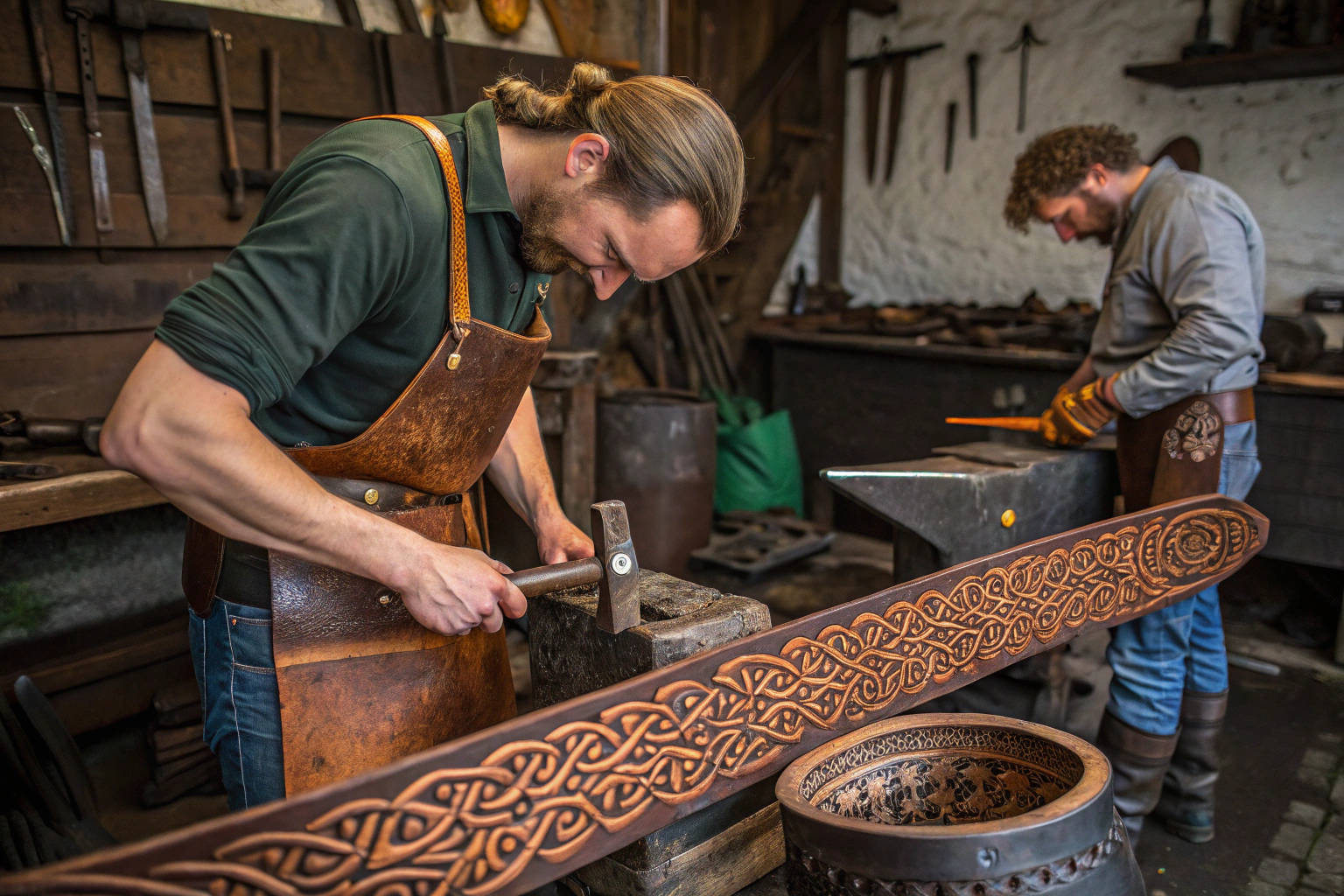
In an era dominated by mass production and automated manufacturing, consumers increasingly seek products with authentic craftsmanship, visible human touch, and proven longevity. Modern riveting methods, while efficient and consistent, often lack the distinctive character and emotional resonance that today's market desires. The perfection of machine-made connections can feel sterile compared to the unique variations of handcrafted techniques.
Heritage riveting techniques are trending because they deliver visible craftsmanship, superior durability, authentic storytelling, and unique aesthetic character that mass production cannot replicate. These traditional methods create distinctive metal connections that showcase artisan skill while providing structural integrity proven through generations of use.
The resurgence of interest in traditional craftsmanship represents a broader cultural shift toward valuing authenticity and sustainability over convenience and disposability. This analysis explores the aesthetic, functional, and market factors driving the return of heritage riveting in fashion accessories.
What Functional Advantages Do Heritage Techniques Offer?
Beyond aesthetic appeal, heritage riveting methods provide tangible performance benefits that modern techniques often sacrifice for efficiency. The physical characteristics of traditional rivet connections create durability advantages that appeal to consumers seeking long-lasting products.
The manual process of heritage riveting allows for material-specific adjustments and strategic reinforcement that automated systems cannot replicate. This customization results in connections that better withstand the stresses of daily wear.
How Does Hand-Peening Enhance Long-Term Durability?
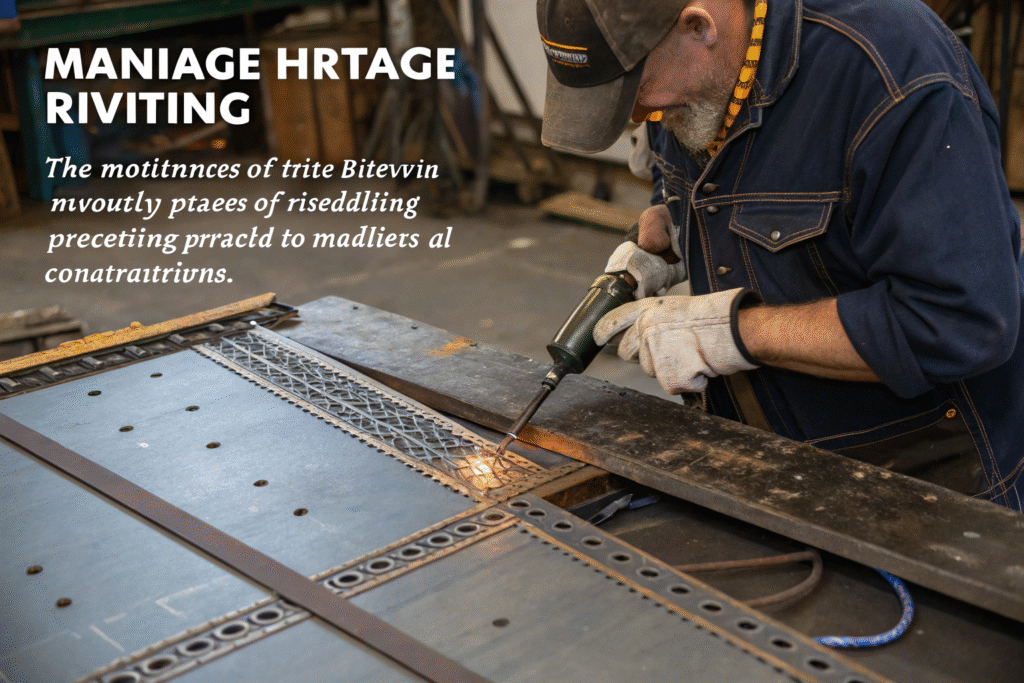
The process of hand-peening rivets creates work-hardened connections that become stronger through mechanical deformation. Unlike machine-set rivets that may loosen over time, properly peened rivets maintain constant tension as materials settle and compress. This characteristic is particularly valuable for belts that experience constant flexing and stress at connection points. The gradual settling of materials around hand-set rivets creates increasingly secure connections over time.
Why Do Traditional Methods Accommodate Material Variations?
Heritage techniques allow artisans to adjust their approach based on material characteristics that automated systems might treat uniformly. Different leather thicknesses, metal hardness variations, and unique material combinations each require slightly different riveting approaches. Experienced craftspeople can sense when a rivet needs more or less pressure, creating ideal connections for each specific situation rather than applying uniform standards.
What Aesthetic Qualities Drive Consumer Appeal?
The visual and tactile characteristics of heritage riveting create immediate distinction from mass-produced alternatives. These aesthetic qualities provide the authentic appearance that modern consumers associate with quality and craftsmanship.
The unique markings, slight variations, and visible human touch of heritage techniques tell a visual story that machine perfection cannot replicate. Each imperfection becomes a feature rather than a flaw.

How Do Hammer Marks Create Visual Character?
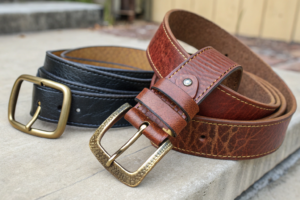
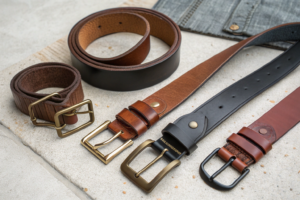
The distinctive tool marks left by traditional riveting hammers provide visual texture that immediately signals handmade quality. Unlike the uniform appearance of machine-set rivets, each hammer strike in heritage techniques leaves a unique pattern that catches light differently and creates visual interest. These marks become more beautiful with age as they develop a natural patina through use.
Why Does Slight Variation Enhance Perceived Value?
The minor inconsistencies inherent in handcrafted riveting demonstrate authentic human involvement that educated consumers increasingly value. Unlike the perfect uniformity of machine production, slight variations in rivet placement, peening pattern, and metal finish prove genuine craftsmanship. These variations become markers of authenticity rather than quality concerns.
What Cultural Narratives Support This Trend?
Beyond physical characteristics, heritage riveting carries cultural and emotional significance that resonates with contemporary consumers. The stories and traditions behind these techniques create emotional connections that transcend mere functionality.
The revival of heritage methods represents a broader cultural movement toward mindful consumption, appreciation of tradition, and rejection of disposable culture. Each element contributes to a compelling narrative that supports premium positioning.
How Does Craft Preservation Enhance Brand Storytelling?
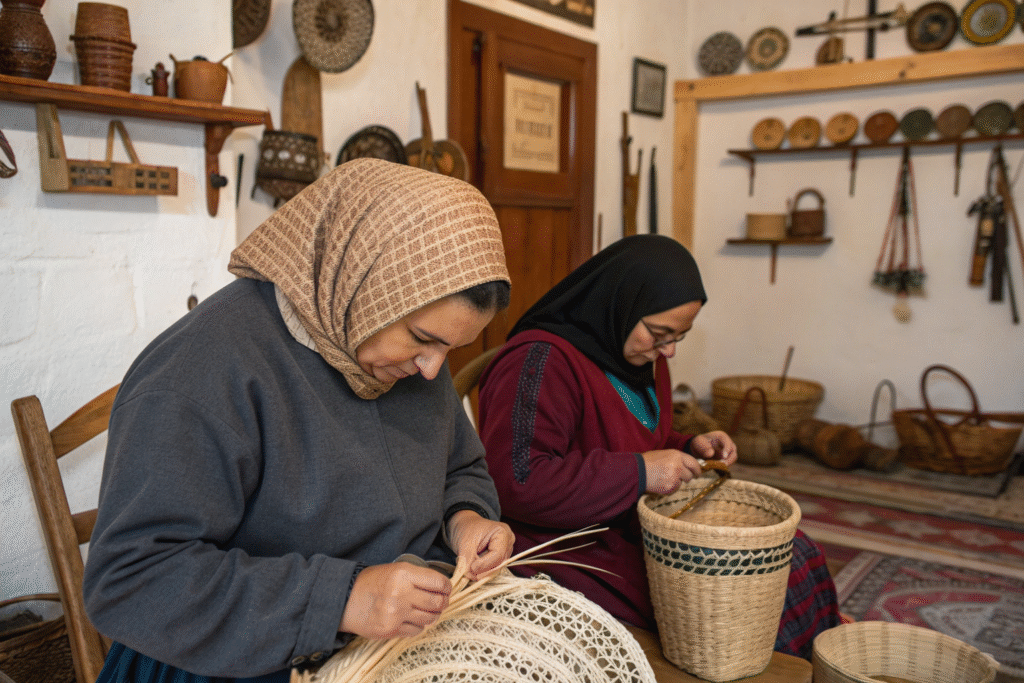
The narrative of preserving traditional craftsmanship provides powerful marketing material that connects products to cultural heritage. Brands using heritage riveting can share stories about the techniques' origins, the artisans who maintain them, and the historical significance of the methods. This storytelling transforms products from mere accessories into cultural artifacts carrying meaningful narratives.
Why Does Sustainability Consciousness Support Traditional Methods?
Heritage riveting aligns with growing consumer interest in sustainable, long-lasting products by creating connections designed to last decades rather than years. The repairability of traditionally riveted items—unlike many modern bonded or welded connections—supports circular economy principles. This environmental benefit provides additional justification for consumers choosing heritage techniques over modern alternatives.
What Manufacturing Considerations Impact Implementation?
Successfully incorporating heritage riveting requires understanding the specific skills, tools, and time investments involved. These practical considerations differentiate traditional methods from modern manufacturing approaches.
The artisan skills, specialized tools, and increased production time required for heritage techniques create both challenges and opportunities for brands implementing these methods.
What Skills Are Required for Quality Heritage Riveting?
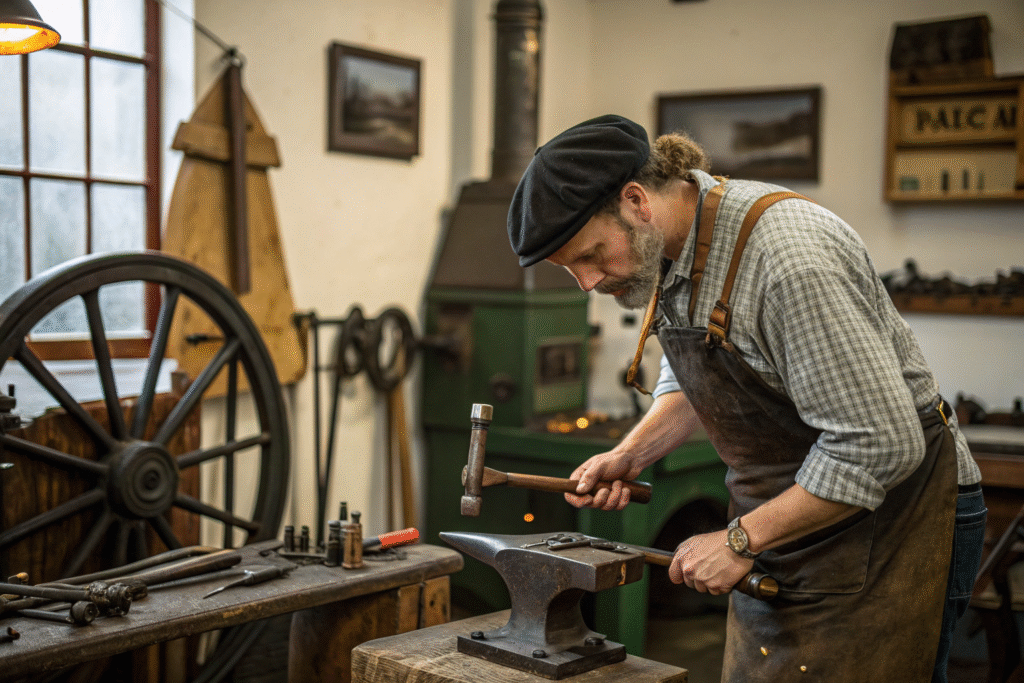
Mastering traditional riveting requires significant training and experience that cannot be quickly learned. Essential skills include:
- Material sensing: Understanding how different materials respond to pressure
- Tool control: Maintaining consistent hammer strikes and pressure application
- Pattern consistency: Creating visually coherent results despite manual processes
- Problem anticipation: Recognizing potential issues before they affect final quality
These skills typically require years to develop, creating natural barriers to entry that support premium positioning.
How Does Production Time Impact Commercial Viability?
The significantly longer production time for heritage techniques creates natural scarcity that justifies higher pricing. While machine riveting might take seconds per connection, heritage methods often require minutes of careful work. This time investment translates to higher costs but also creates products that cannot be mass-produced, appealing to consumers seeking distinctive, non-mass-produced accessories.
| Characteristic | Heritage Riveting | Modern Machine Riveting |
|---|---|---|
| Production Speed | Minutes per connection | Seconds per connection |
| Visual Consistency | Artisanal variations | Perfect uniformity |
| Long-Term Durability | Improves with material settling | May loosen over time |
| Repairability | Easily repaired or replaced | Often requires complete replacement |
Conclusion
Heritage riveting techniques are trending because they satisfy modern consumers' desire for authentic craftsmanship, visible human touch, and products with meaningful stories. The combination of superior durability, unique aesthetics, cultural significance, and alignment with sustainable values creates a compelling proposition that mass-produced alternatives cannot match. As consumers continue seeking products with character and longevity, heritage methods represent both a connection to traditional craftsmanship and a progressive choice in an increasingly disposable marketplace.
Ready to incorporate heritage riveting techniques into your belt collections? At StylishBelts, we specialize in traditional craftsmanship methods that combine artisanal quality with contemporary design. Contact our Business Director Elaine today at elaine@fumaoclothing.com to discuss how our heritage techniques can add authentic character to your products.