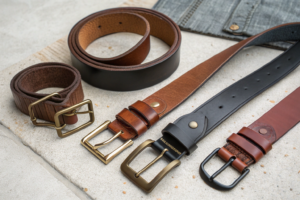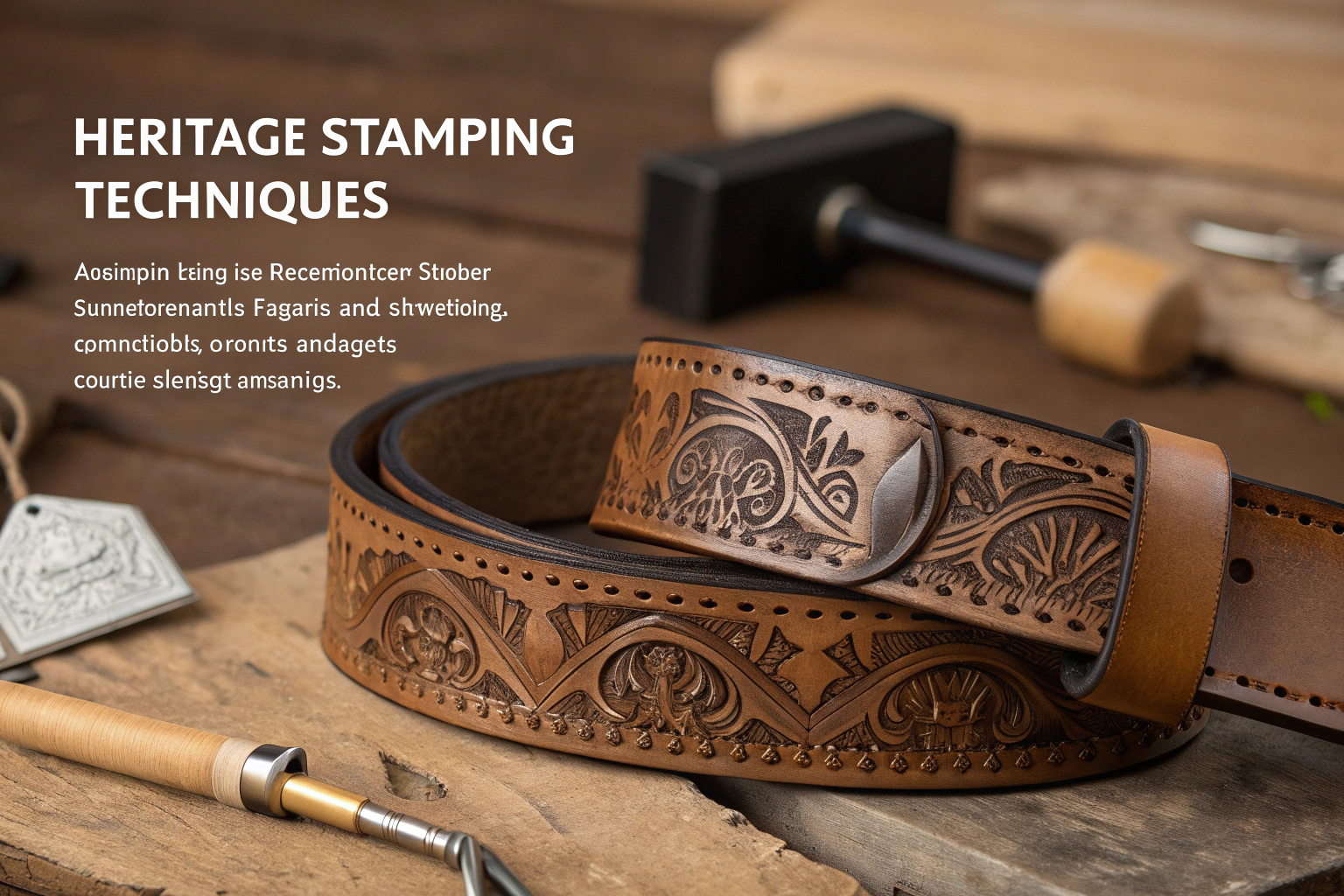
In an age of laser-precise, digitally-replicated patterns, there's a growing and powerful counter-movement: the resurgence of heritage stamping techniques in leather goods. These methods—hand-driven tooling, press embossing with century-old dies, and artisanal patterning—are seeing a remarkable revival. But why, in our era of hyper-efficiency and digital perfection, are consumers and brands alike turning back to these labor-intensive, "imperfect" processes? This trend is not merely nostalgic; it's a profound response to the homogenization of modern manufacturing, representing a search for authenticity, storytelling, and human connection in the objects we own.
Heritage stamping techniques are trending because they offer tangible authenticity and soul in a mass-produced world, create unique, variable products that algorithms cannot replicate, carry a powerful narrative of craftsmanship and history, and align with the values of the slow fashion and sustainability movements. They transform a leather belt from a commodity into a wearable artifact with a story, satisfying the modern consumer's desire for meaning and individuality.
For manufacturers and brands, this trend represents both a challenge and a significant opportunity. It demands a return to skilled craftsmanship but offers the chance to command substantial price premiums and build deep brand loyalty. Let's explore the multifaceted drivers behind this hand-tooled renaissance.
What Defines Heritage Stamping and Why is it Different?
To understand the trend, we must first define the techniques. Heritage stamping refers to methods that predate computer automation, relying on physical force, hand-guided tools, and often, tools with history themselves. These are not merely "old ways," but specific processes that impart a unique character impossible to fake with modern technology.
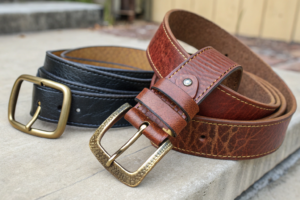
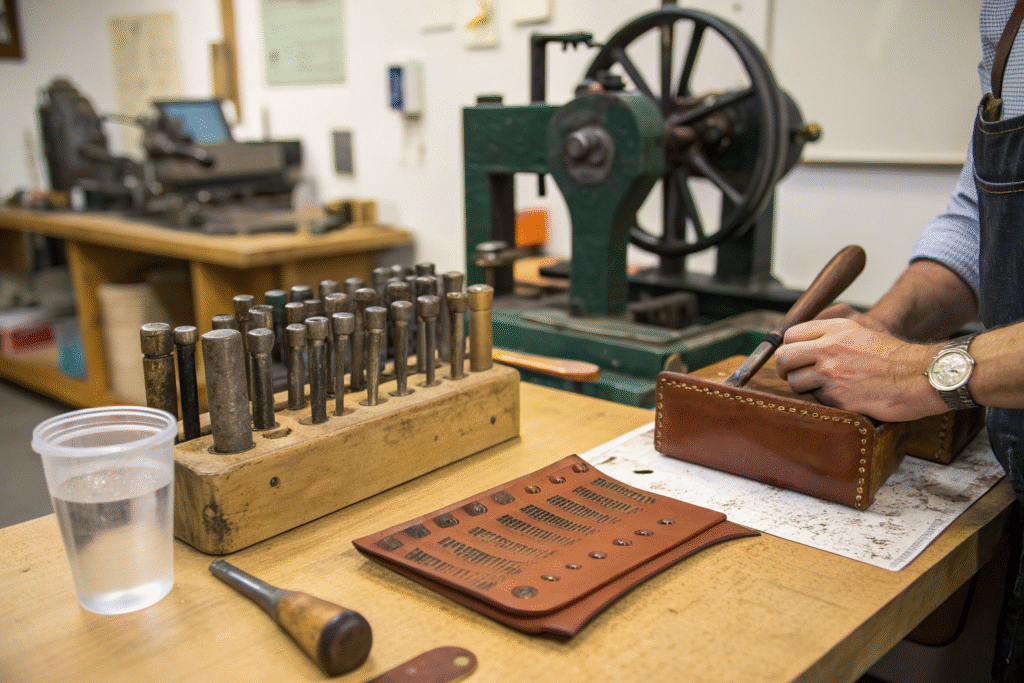
Heritage techniques include: Hand Stamping with Individual Steel Tools, where a craftsperson uses a mallet to strike individual stamping tools (each with a pattern like floral, geometric, or border) to build a design; Press Embossing with Antique Dies, where a hydraulic or manual press uses a large, intricately carved metal die (often from the early 20th century) to imprint a full pattern at once; and Carving and Tooling, which involves cutting into dampened leather with a swivel knife and then using beveling and background stamps to create a 3D, bas-relief effect. The results are inherently variable and bear the marks of human hands.
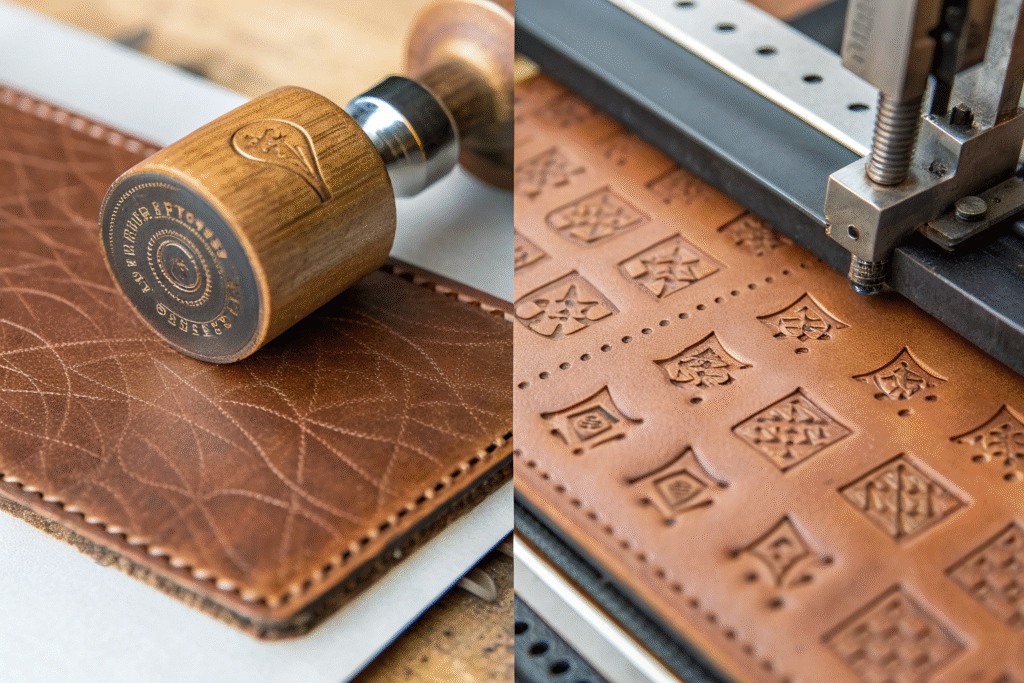
How Does Hand Stamping Create Irreplicable Character?
Each strike of the mallet is an individual event. Factors like the angle of the tool, the force of the blow, the moisture content of the leather, and even the craftsperson's fatigue introduce subtle variations. This means:
- No Two Pieces Are Identical: The pattern may have a slightly deeper impression in one area, a tool mark may be doubled for emphasis, or the spacing may have a human rhythm. This variability is the antithesis of industrial uniformity and is prized as proof of authentic handwork.
- Deep, Organic Texture: Hand-driven stamps often sink deeper into the leather than heated rollers can achieve, creating a tactile, shadow-rich surface that changes dramatically with light and develops a unique patina as the high points wear.
- Connection to the Maker: Each piece carries the literal imprint of the artisan's decisions and movements, creating a physical connection between maker and user that a machine cannot facilitate. This aligns with the philosophy of the maker movement.
Why are Antique Dies and Presses So Valued?
Using original, often 100-year-old, steel embossing dies connects a product directly to a specific historical aesthetic—Art Deco, Victorian, Western Americana. These dies were often hand-engraved by master die-sinkers and possess a level of detail and stylistic nuance that is prohibitively expensive to recreate today. Pressing leather with these dies in a vintage fly press or hydraulic machine doesn't just transfer a pattern; it transfers a piece of design history. For brands, this provides an instant, authentic heritage narrative that is verifiable and deeply compelling.
What Cultural Shifts Are Driving the Demand?
The resurgence of these techniques is a symptom of broader cultural disillusionment with the anonymous, disposable output of globalized fast fashion and mass production. Consumers, particularly Millennials and Gen Z, are driving a shift towards products that represent values, not just value.
Key cultural drivers include: the rejection of soulless perfection in favor of "wabi-sabi" imperfections; the rise of conscious consumption and the "buy it for life" mentality; a hunger for authenticity and transparency in brand storytelling; and the romanticization of craftsmanship and skilled labor as a form of resistance against digital alienation. Heritage techniques satisfy a deep psychological need for objects that feel "real" and connected to human effort and history.
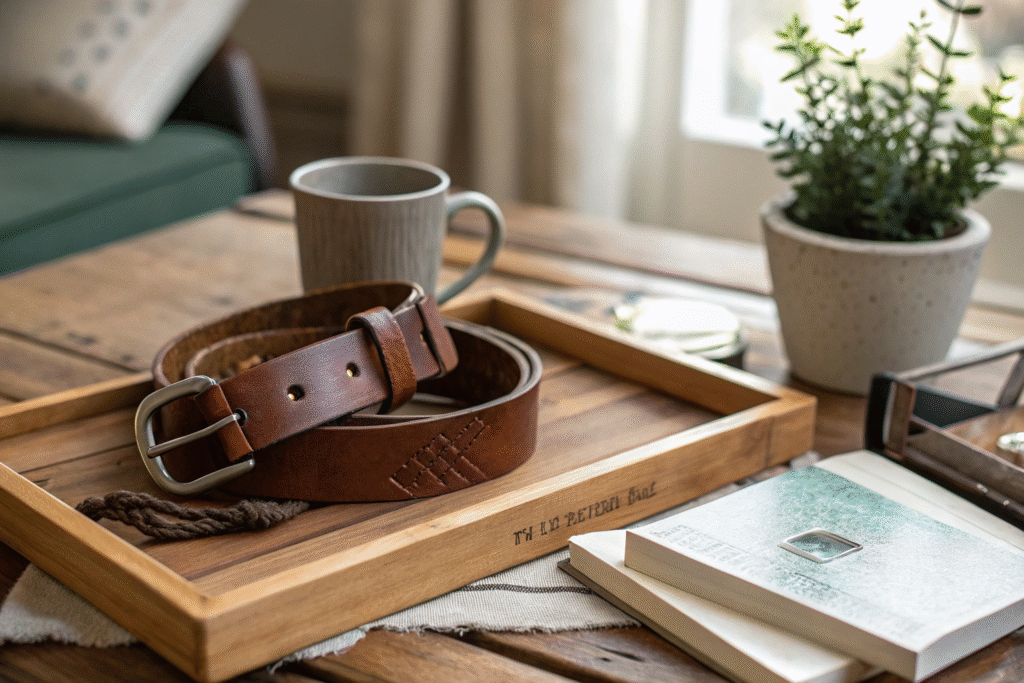
How Does "Wabi-Sabi" Philosophy Influence This Trend?
The Japanese concept of wabi-sabi—finding beauty in imperfection, impermanence, and incompleteness—has deeply permeated Western design. Heritage stamping is a perfect physical manifestation of this philosophy. The slight misalignments, the tool marks, the way the pattern fades at the edges of a hand-stamped border—these aren't flaws; they are evidence of the object's handmade genesis and its unique journey into being. In a world of sterile digital perfection, these imperfections are comforting and human.
Why is Storytelling More Important Than Ever?
In the experience economy, products are vessels for stories. A belt made with a die from a 1920s saddlery, or hand-tooled by a third-generation artisan in a specific region, comes with a built-in narrative. Brands can communicate this story through packaging, websites, and social media, creating an emotional resonance that a "Product of China" label never could. This transforms the purchase from a transaction into a participation in a story—of preservation, of skill, of place. Effective brand storytelling is now a key competitive advantage.
What Are the Production and Sourcing Realities?
Adopting heritage techniques is not a simple switch for a mass-production factory. It requires a specific infrastructure, skilled labor, and often, a different business model centered around lower volumes and higher value. Sourcing such products means finding partners who have preserved these skills or invested in reviving them.
Production realities include: dependence on scarce artisanal skills that require years of training; slower production speeds compared to automated embossing; the need for specialized materials like high-quality, vegetable-tanned leather that accepts tooling well; challenges with scaling consistency while maintaining the desired handmade character; and often, higher material waste during the learning curve and due to the unforgiving nature of handwork. Sourcing requires finding specialist workshops or factories with artisan divisions.
How to Source Authentic Heritage Stamping?
The search is for capability, not just capacity.
- Look for Specialized Workshops: Seek out smaller ateliers or factories that advertise "hand-tooling," "saddlery techniques," or "artisan leatherwork." These are often found in regions with a history of leathercraft (e.g., parts of the UK, Italy, the American Southwest, Mexico).
- Audit for True Skill: During a factory visit, don't just look at finished samples. Ask to see the process. Are the artisans actually striking each stamp by hand, or are they just operating a machine with a vintage-style die? Can they demonstrate tooling on a fresh piece of leather?
- Examine the Tool Library: A serious heritage workshop will have an extensive collection of stamping tools and possibly antique dies. The condition and variety of these tools are a good indicator of their commitment.
- Ask About Training: How do they develop new artisans? Is there an apprenticeship system? This speaks to the sustainability of their craft.
Your partner should be as passionate about the technique as you are about the product. They are not just vendors; they are custodians of a craft.
What are the Cost and Lead Time Implications?
Be prepared for a different economic model:
- Labor Cost: Hand-stamping is time-consuming. A complex belt may take an artisan several hours, compared to seconds for a machine emboss. This labor cost is the primary driver of the price premium.
- Tooling and Die Costs: If you need a custom antique-style die created, the engraving cost can be very high ($2,000-$10,000+). Using existing dies from the factory's library is more cost-effective.
- Lead Times: Production will be slower. A batch of 100 hand-stamped belts may take weeks, not days.
- Minimum Order Quantities (MOQs): May be lower than for mass production, as the model is based on skilled labor batches rather than massive machine setup efficiency.
These factors mean heritage-stamped products are positioned in the mid-to-high luxury tier, competing on artistry and story, not price.
How Can Brands Leverage This Trend Authentically?
For a brand, simply slapping a tooled pattern on a belt is not enough. The trend demands authenticity. Consumers are adept at spotting "heritage-washing"—superficial use of rustic aesthetics without genuine substance. To leverage this trend successfully, a brand's commitment must be deep and communicable.
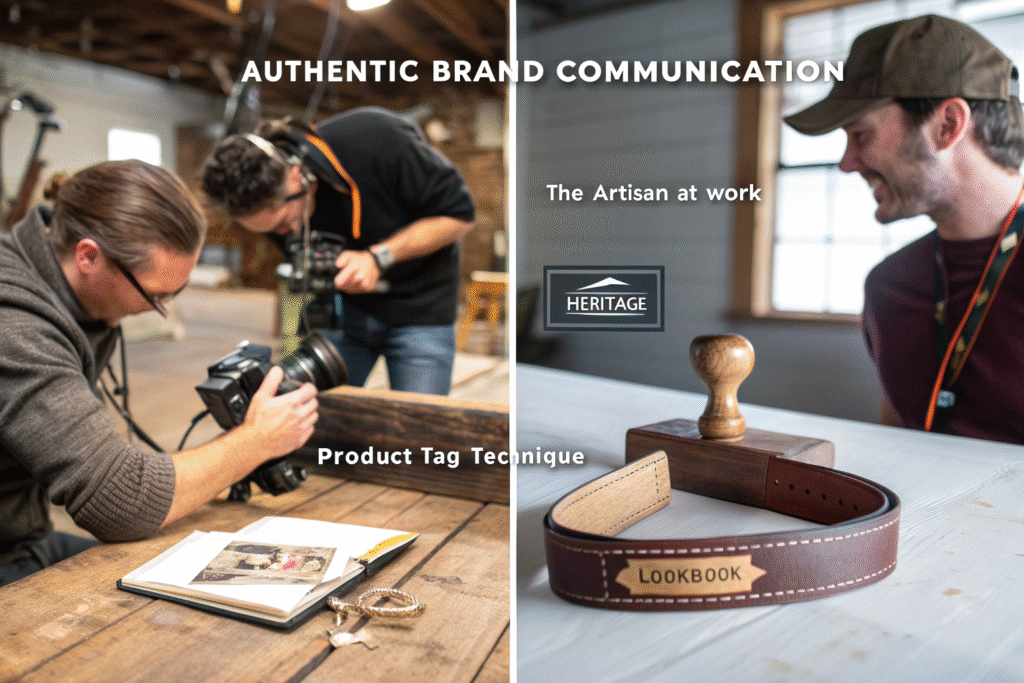
Authentic leverage involves: investing in and highlighting real artisans (names, stories, workshops); educating the consumer about the techniques and their history; designing products that truthfully reflect the technique's character (e.g., not forcing perfect symmetry where it wouldn't occur naturally); and ensuring the entire brand ecosystem—from packaging to marketing—reflects the values of craftsmanship and permanence. It's about building a credible narrative, not just applying a visual style.
What Does "Authentic Storytelling" Look Like in Practice?
Move beyond "handmade." Be specific and transparent:
- Provenance of Tools: "This pattern is stamped using original Art Deco steel dies, circa 1928, discovered in a restored workshop in Birmingham."
- Artisan Spotlight: "Each belt is hand-tooled by Marco, who learned the craft from his grandfather in their Florentine workshop. See his process on our Instagram."
- Material Traceability: "We use only 5mm vegetable-tanned leather from the Tuscany region, the only leather that properly accepts and holds this deep hand-tooling."
- The "Why": Explain why the technique matters: "Hand-stamping allows for a depth and texture that machines cannot achieve, and ensures each piece is uniquely yours."
This approach builds immense trust and allows the brand to charge a significant premium that customers understand and accept.
How to Integrate Heritage Techniques into a Modern Collection?
The trend isn't about creating museum replicas. The most successful applications blend heritage techniques with contemporary design sensibilities.
- Modern Silhouettes, Heritage Details: A minimalist, sleek belt strap with a subtly hand-stamped border or a single, artfully placed motif on the buckle end.
- Unexpected Material Combinations: Heritage stamping on colored leathers or non-traditional materials (within reason), paired with modern hardware.
- Capsule Collections: Introduce a heritage-stamped line as a special, limited-edition capsule within a broader, more contemporary collection. This creates exclusivity and tests the market.
The goal is to show reverence for the past while speaking clearly to the present—creating heirlooms for the 21st century.
Conclusion
The trend towards heritage stamping techniques is a meaningful correction in our relationship with material goods. It represents a collective yearning for substance, narrative, and human touch in a world increasingly dominated by the virtual and the anonymous. For the consumer, a heritage-stamped belt is not just an accessory but a talisman of authenticity—a daily reminder of skill, history, and intentionality.
For brands and manufacturers, this trend offers a path to differentiation that is deeply defensible. It cannot be copied by a fast-fashion competitor with a digital printer. It requires investment in skills, patience with process, and a commitment to truthful storytelling. Those who embrace it authentically will build loyal communities of customers who value the story as much as the product itself.
If your brand is drawn to the depth and authenticity of heritage techniques, partnering with a manufacturer that possesses these rare skills and shares your philosophical commitment is the essential first step. We have cultivated partnerships with master toolers and workshops dedicated to preserving these arts. Contact our Business Director, Elaine, to discuss how to weave heritage craftsmanship into your brand's future: elaine@fumaoclothing.com. Let's imprint your story in leather, not just ink.