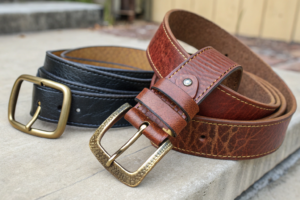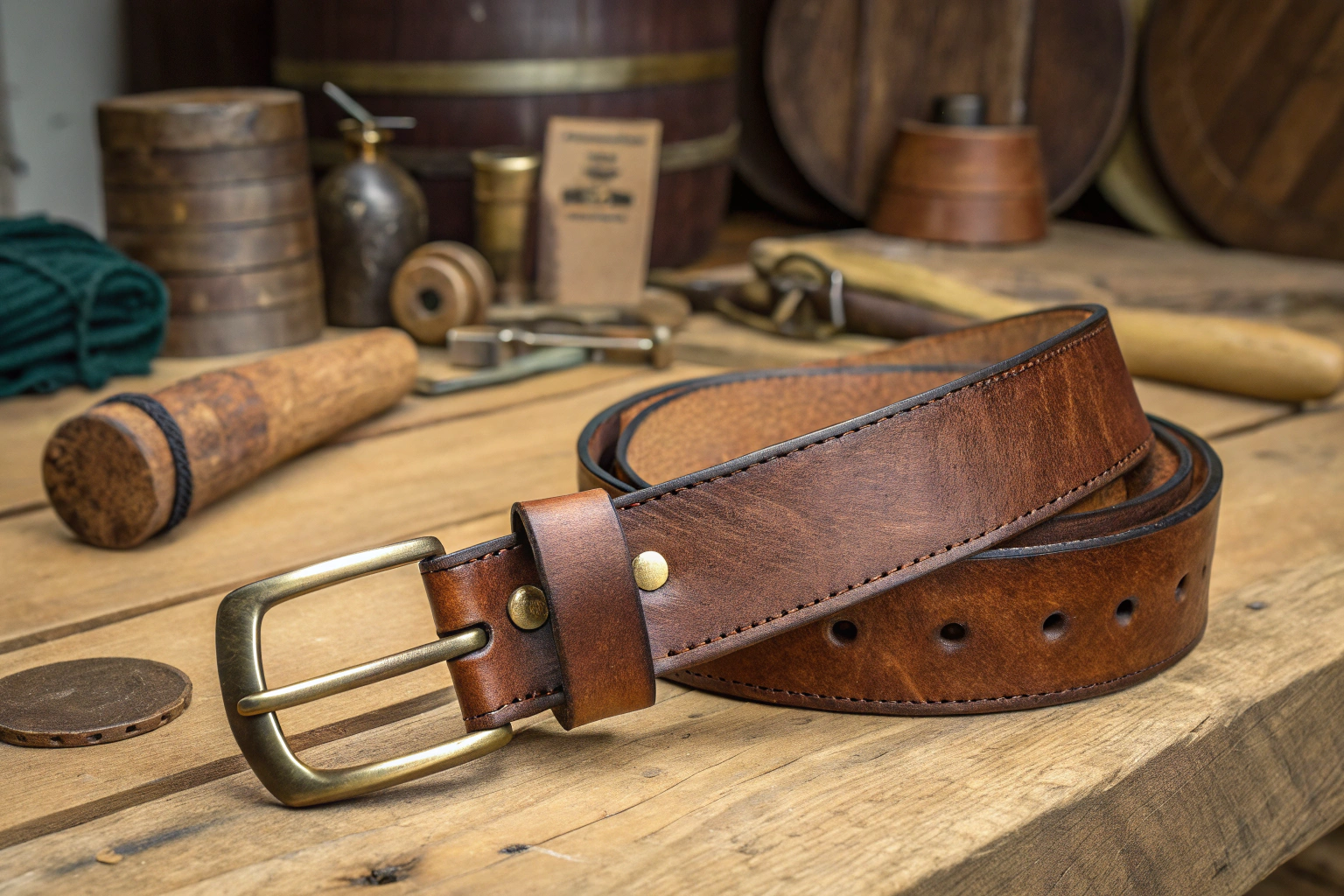
The premium belt market is experiencing a quiet revolution. Consumers increasingly reject mass-produced accessories that lack character and longevity, seeking instead products with authentic stories and proven durability. Heritage tanning methods, once nearly extinct, are making a remarkable comeback in response to this demand for authenticity.
Heritage tanning methods are returning to premium belts because they produce leather with unparalleled character, environmental sustainability, and lasting quality that modern methods cannot replicate. These traditional techniques—including vegetable tanning, bark tanning, and brain tanning—create leather that develops a unique patina over time, tells a compelling story of craftsmanship, and aligns with contemporary values of sustainability and transparency in manufacturing.
The revival of heritage tanning represents a fundamental shift in consumer values toward products that age gracefully, embody traditional craftsmanship, and connect wearers to centuries-old manufacturing traditions. This movement goes beyond nostalgia to represent a conscious choice for quality and sustainability over convenience and cost.
What Quality Differences Define Heritage-Tanned Leather?
Heritage-tanned leather possesses distinct characteristics that mass-produced alternatives cannot duplicate. These qualitative differences become immediately apparent upon handling and grow more pronounced with years of use.
The fundamental quality distinctions include deeper color penetration, natural variation that celebrates hide individuality, structural integrity that withstands decades of use, and a unique aging process that adds character rather than simply wearing out. These attributes transform belts from disposable accessories into lifelong companions.
How Does Patina Development Differ from Modern Leathers?
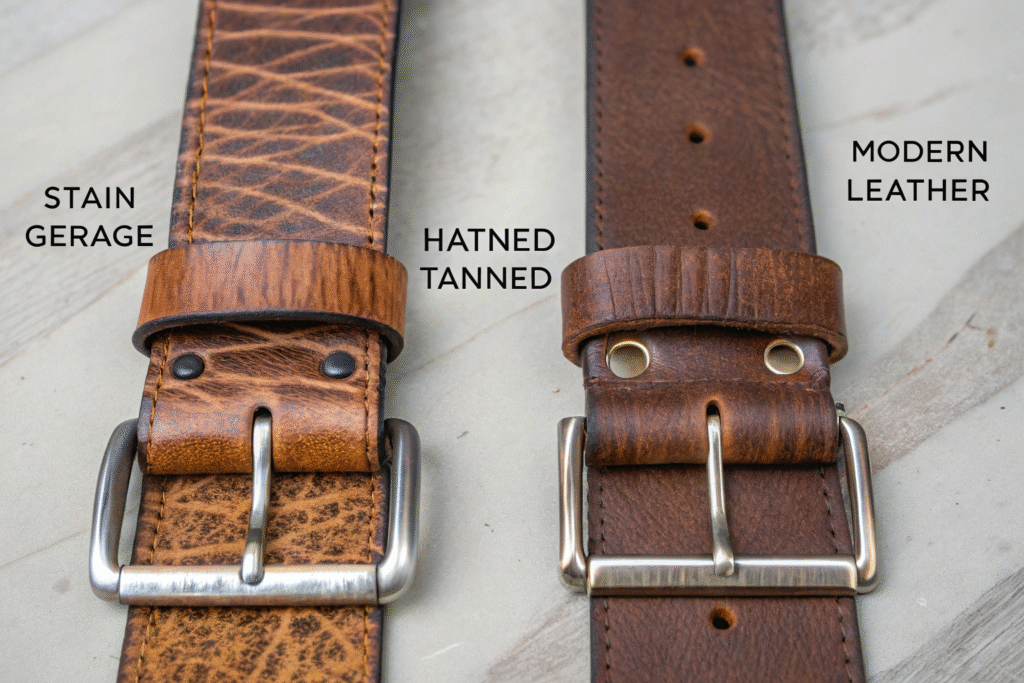
Vegetable-tanned leather develops a rich, personal patina that reflects the wearer's experiences and environment. Unlike chrome-tanned leather that simply fades or cracks, heritage methods produce leather that darkens beautifully, develops character marks that tell stories, and becomes softer without losing structural integrity. This natural aging process creates a unique connection between owner and accessory that mass-produced belts cannot replicate. Each scratch, water spot, and sun exposure becomes part of the belt's narrative rather than a defect.
What Structural Advantages Ensure Long-Term Durability?
Heritage tanning methods like oak bark tanning produce leather with denser fiber structure that resists tearing and deformation. The slow penetration of natural tannins creates a through-and-through coloration that doesn't rub off or fade unevenly. This structural integrity means properly cared for vegetable-tanned belts can last decades rather than years, often outliving their owners. The material develops what craftsmen call "memory," conforming to the wearer's body while maintaining its essential shape and function.
How Do Heritage Methods Align with Modern Sustainability Values?
Contemporary consumers increasingly prioritize environmental responsibility in their purchasing decisions. Heritage tanning methods offer compelling sustainability advantages that align perfectly with modern ecological values.
The environmental benefits include biodegradable processes, renewable material sourcing, reduced chemical pollution, and support for traditional economies that maintain biodiversity and cultural heritage. These advantages position heritage-tanned belts as conscious choices for environmentally aware consumers.

What Environmental Advantages Do Natural Tannins Provide?
Unlike synthetic tannins that can pollute waterways, natural tannins from tree bark, leaves, and fruits are biodegradable and non-toxic. The vegetable tanning process utilizes renewable plant resources rather than petroleum-based chemicals. Waste products from heritage tanneries can be composted rather than requiring hazardous waste disposal. This closed-loop approach minimizes environmental impact while creating beautiful products, addressing growing consumer concerns about manufacturing's ecological footprint.
How Does Heritage Tanning Support Traditional Economies?
Traditional tanning methods sustain specialized craftsmanship that might otherwise disappear, preserving cultural heritage while providing economic opportunities in rural communities. Many heritage tanneries source hides from local farms practicing sustainable agriculture, creating regional economic ecosystems. This ethical sourcing approach resonates with consumers seeking transparency in their supply chains. The revival of these methods represents both environmental and cultural sustainability that modern mass production cannot replicate.
What Artisanal Stories Enhance Product Value?
Modern consumers crave products with authentic stories and human connections. Heritage tanning provides compelling narratives that transform functional accessories into meaningful possessions with cultural significance.
The artisanal stories encompass generational knowledge transfer, regional traditions, natural material provenance, and the visible hand of the craftsperson. These narratives add intangible value that transcends mere functionality, creating emotional connections between wearers and their accessories.
How Does Generational Craftsmanship Impact Perceived Value?
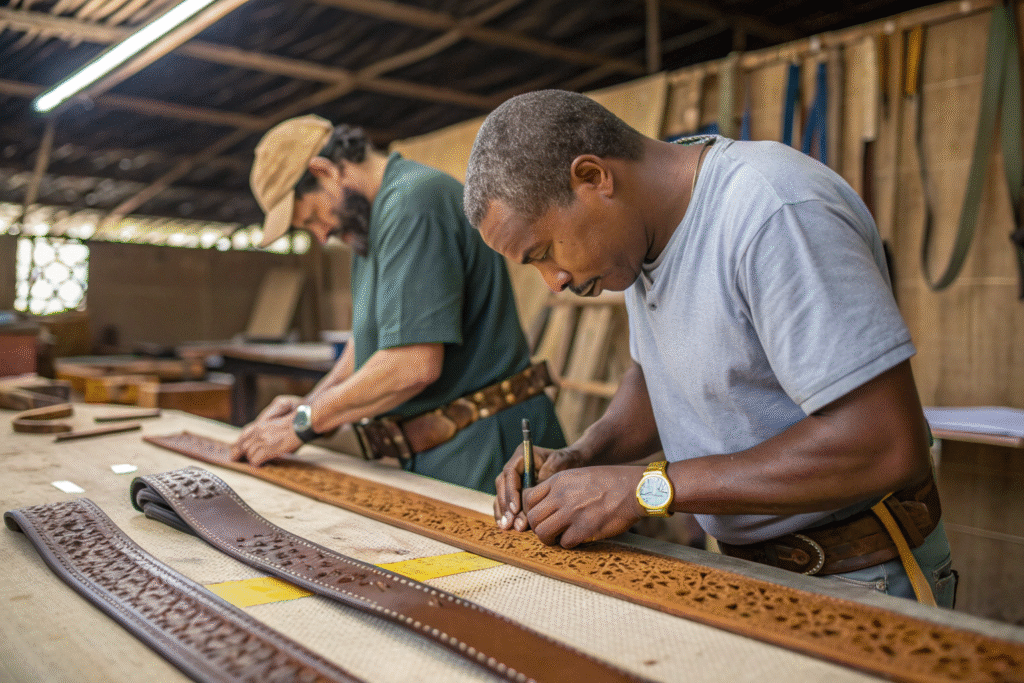
Belts crafted using methods passed through multiple generations carry cultural significance that factory-made products lack. Knowing a master tanner with decades of experience personally oversaw the process adds tangible value. The specialized knowledge required—recognizing when hides are perfectly tanned by feel and smell rather than laboratory measurements—represents irreplaceable human expertise. These connections to living traditions justify premium pricing while preserving cultural heritage that mass production renders obsolete.
What Regional Traditions Create Distinctive Products?
Different regions developed unique tanning methods using locally available materials, creating distinctive leather characteristics. Italian vegetable tanning from Tuscany produces firm, fragrant leather perfect for structured belts. Japanese bark tanning creates incredibly durable leather with unique color tones. English oak bark tanning yields leather that develops particularly rich patina. These regional specialties tell geographic stories that enhance product mystique and provide authentic differentiation in a market saturated with generic offerings.
How Does Heritage Tanning Meet Modern Market Demands?
While rooted in tradition, heritage tanning methods successfully address several key contemporary consumer demands. The revival represents strategic adaptation rather than simple nostalgia.
Modern market alignment occurs through meeting demands for sustainability, authenticity, quality, and personalization that current mass-production systems struggle to satisfy. Heritage methods offer solutions that feel both timeless and perfectly contemporary.
What Consumer Values Does Heritage Tanning Satisfy?
Today's consumers increasingly value transparent supply chains, environmental responsibility, and product longevity over disposable fashion. Heritage tanning delivers on all three values simultaneously. The process is inherently transparent—natural materials and traditional methods are easily understood versus complex chemical processes. The environmental benefits address eco-conscious purchasing decisions. The exceptional durability supports anti-consumption values favoring fewer, higher-quality possessions. This alignment with contemporary values explains why heritage methods are experiencing commercial revival.
How Do Modern Designers Integrate Heritage Techniques?
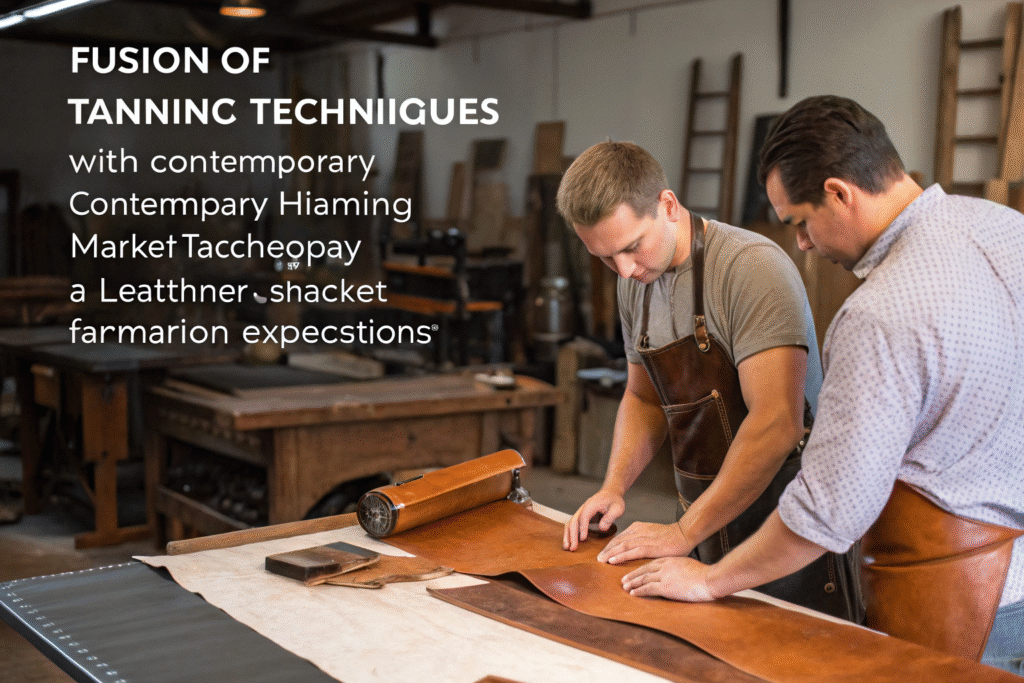
Progressive designers combine traditional tanning methods with contemporary aesthetics, creating products that feel both timeless and current. They might use vegetable-tanned leather in minimalist belt designs that appeal to modern tastes while benefiting from traditional craftsmanship. Others highlight the natural imperfections and variations as design features rather than flaws. This strategic integration allows heritage methods to remain relevant while preserving their essential character, creating products that stand apart in a homogenized marketplace.
Conclusion
The return of heritage tanning methods to premium belts represents a meaningful shift in consumer consciousness toward quality, sustainability, and authenticity. These time-tested techniques produce leather with unparalleled character, environmental benefits, and longevity that modern methods cannot match. As consumers increasingly reject disposable fashion in favor of meaningful possessions, heritage tanning offers a compelling alternative that satisfies both practical needs and emotional desires for connection to tradition and craftsmanship.
If you're interested in offering premium belts featuring heritage tanning methods, contact our Business Director, Elaine. Our partnerships with traditional tanneries can provide authentic, sustainably produced belts that meet growing market demand. Reach her at elaine@fumaoclothing.com to discuss heritage-tanned belt options.