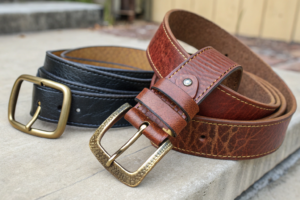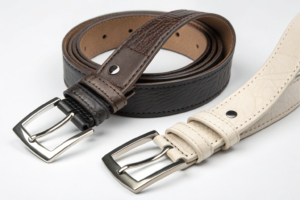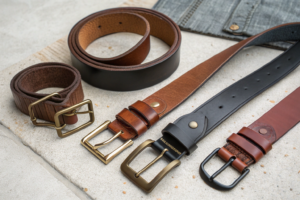
In an age of mass production and identical, machine-stamped accessories, there is a growing hunger for objects with a soul. This is where heritage leather tooling techniques step in, transforming a simple belt from a functional item into a wearable heirloom. But why are these centuries-old methods, which are slower and more costly than modern automation, suddenly commanding such attention and premium prices in the market? The answer lies in a powerful convergence of consumer values: a search for authenticity, a respect for craftsmanship, and a desire for personal expression in a homogenized world.
Heritage leather tooling techniques are elevating belts because they embed unmatched artistry, unique character, and a tangible human story into each piece. Methods like hand-stamping, carving, filigree, and floral patterning create one-of-a-kind textures and designs that machines cannot replicate, appealing directly to consumers who value craftsmanship, individuality, and sustainable, slow-fashion principles over fast, disposable trends.
For brands and retailers, this isn't merely a stylistic choice; it's a strategic positioning in the high-end and artisan segments of the market. Let's explore the specific forces driving this renaissance of old-world craftsmanship.
What Defines Heritage Leather Tooling and Embossing?
Before understanding the "why," we must understand the "what." Heritage tooling is a family of decorative techniques where patterns are physically impressed or cut into the surface of leather. This is distinct from modern embossing, which often uses heated, pressure-based rollers to create repetitive patterns on coated leathers.
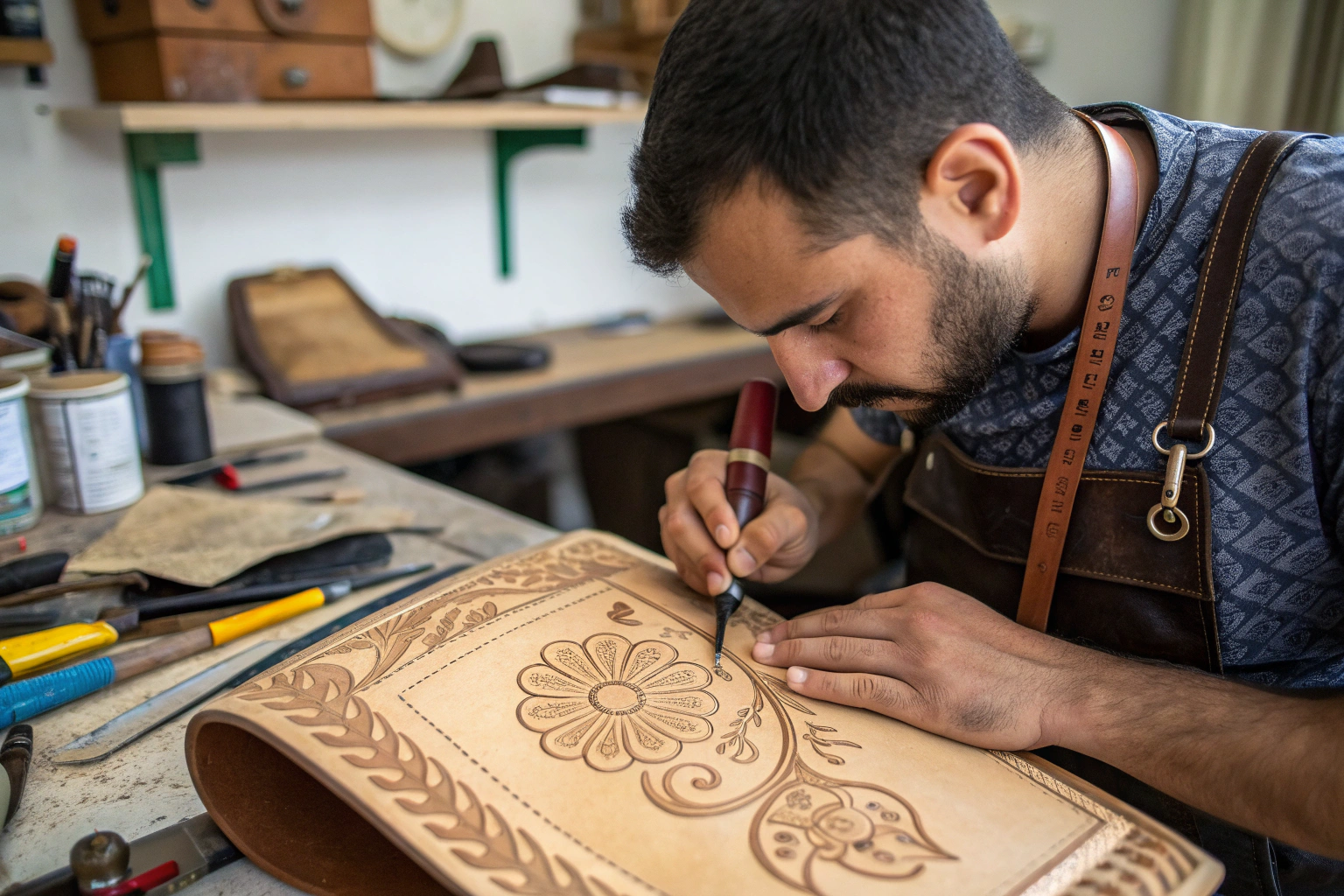
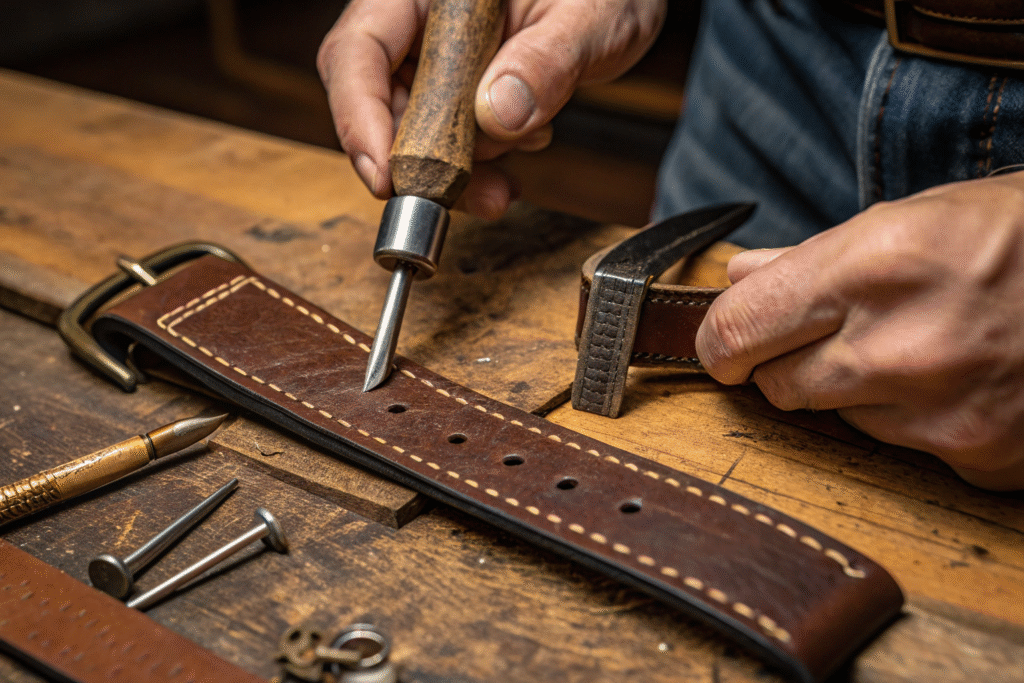
Heritage techniques are defined by being predominantly manual, utilizing specialized hand tools (stamps, gouges, mallets), and requiring a deep understanding of leather's behavior—especially vegetable-tanned leather, which is uniquely receptive to tooling when "cased" (dampened). Key methods include: hand-stamping with individual designs, carving where lines are cut into the leather, and filigree or openwork which involves cutting out intricate patterns.
How Do Hand-Stamping and Carving Create Unique Character?
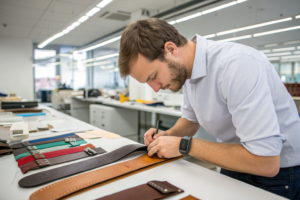
Hand-stamping involves using a set of individual steel stamps, each with a specific pattern (floral, geometric, border). The artisan arranges and strikes each stamp individually with a mallet. Because each strike has slight variations in angle and force, and because the arrangement can be customized, no two hand-tooled belts are ever identical. This results in a living texture that catches light and ages dynamically. Carving goes a step further: the artisan uses a swivel knife to cut freehand designs into the leather, then uses beveling stamps to create a three-dimensional, bas-relief effect. This is true wearable art, often telling a story or showcasing a family crest. The vegetable tanning process is crucial here, as it produces a firm, natural leather that holds these impressions for a lifetime.
Why is Vegetable-Tanned Leather the Essential Canvas?
Not all leather can be tooled. Chrome-tanned leathers are too soft and stretchy. Heritage tooling demands full-grain vegetable-tanned leather. This leather is tanned using natural tannins from tree bark, resulting in a firm, pale hide that is perfect for accepting and holding tooled impressions. When dampened ("cased"), it becomes malleable for the artisan. As it dries, it permanently sets the design. Over time, this leather develops a rich, dark patina from exposure to light, oils, and use. The tooled patterns deepen and become more pronounced, meaning the belt becomes more beautiful with age—a direct antithesis to planned obsolescence. This connection to natural materials and slow craftsmanship is a core part of its appeal.
What Consumer Trends Are Driving the Demand?
The resurgence of these techniques is not accidental. It is a direct response to powerful underlying shifts in consumer psychology and purchasing behavior. In a digital, fast-paced world, people are seeking grounding, authenticity, and a sense of connection through the physical objects they own and wear.
Key consumer trends driving demand include: the "Buy It for Life" and slow fashion movement, which values durability and timeless design; the desire for personalization and unique, non-mass-produced items; and a growing appreciation for artisan skills and the human stories behind products, often fueled by direct-to-consumer brand storytelling.
How Does the "Buy It for Life" Ethos Align with Tooled Belts?
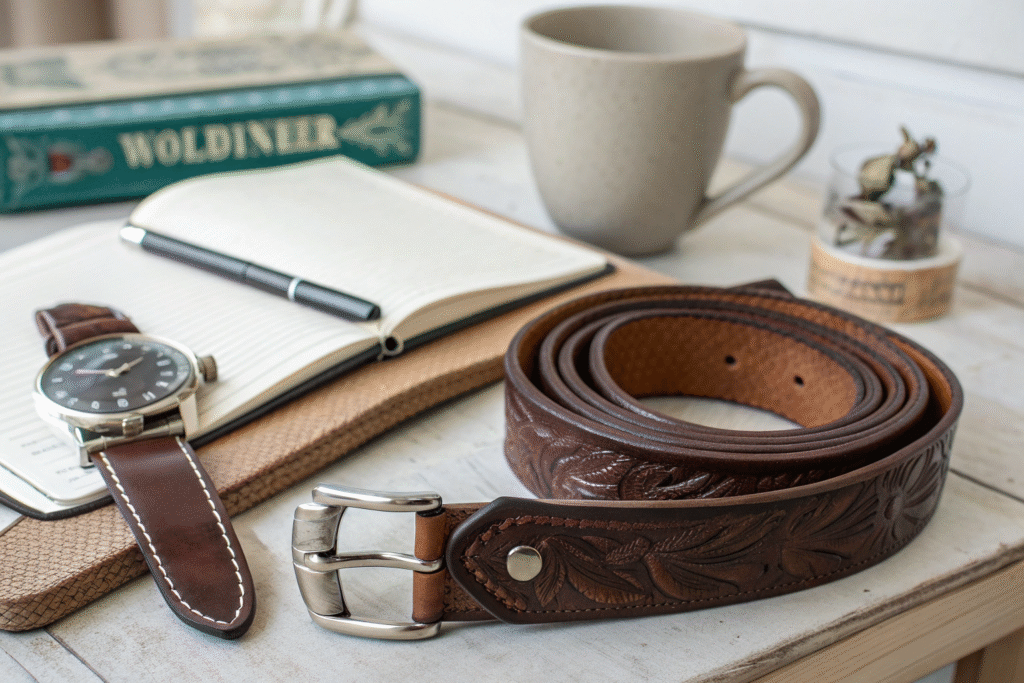
The modern consumer, especially Millennials and Gen Z, is increasingly skeptical of disposable fashion. They are investing in fewer, higher-quality items that last. A hand-tooled belt on a solid brass buckle is the epitome of this. It is not a seasonal item; it is a permanent accessory designed to age gracefully over decades. This aligns perfectly with the principles of the circular economy, where products are kept in use for as long as possible. The visible craftsmanship signals intrinsic quality, justifying a higher price point that amortizes over a lifetime of use, rather than the cost-per-wear of a fast-fashion belt.
Why is Storytelling and Provenance So Powerful?
In an era of anonymous global supply chains, provenance is king. Consumers want to know who made their product and how. Heritage tooling provides a perfect narrative. Brands can showcase the artisan—their name, their workshop, their decades of honed skill. This creates an emotional connection that a "Product of China" label on a machine-made belt cannot. It transforms the purchase from a transaction into a patronage of craftsmanship. This storytelling is amplified through social media and brand websites, where videos of the tooling process captivate audiences, demonstrating the time, skill, and care invested. For the wearer, the belt becomes a conversation piece with a built-in story.
What is the True Value Proposition for Brands and Retailers?
Adopting heritage tooling is a significant operational decision. It requires skilled labor, slower production times, and higher material costs. For brands, the justification must come from a clear value proposition that transcends simple aesthetics and delivers tangible business benefits in competitive markets.
The true value proposition includes: commanding a substantial price premium due to perceived artistry and scarcity; creating a defensible brand moat that is difficult for fast-fashion competitors to copy; fostering extreme customer loyalty through emotional product attachment; and enabling highly profitable customization or limited-edition programs that drive direct sales and marketing buzz.
How Does It Create a Defensible Market Position?
Fast fashion competes on speed and price. It cannot compete on true, hand-applied artistry. The time and skill required to produce a hand-tooled belt create a natural barrier to entry. A brand that masters this and builds a reputation for quality craftsmanship owns a niche that is insulated from the race to the bottom. This is a classic blue ocean strategy, creating an uncontested market space. Retailers can position these belts not as mere accessories, but as collectible art objects within the apparel department, attracting a different, higher-spending customer.
Can Customization and Limited Editions Drive Direct Sales?
Absolutely. Heritage tooling is inherently adaptable. It allows for monogramming, custom insignias, or bespoke patterns at a level of detail impossible with machine embroidery or printing. This opens the door for high-margin made-to-order business models and personalized gifting. Furthermore, brands can release numbered limited editions based on specific tooling patterns, creating urgency, exclusivity, and collectibility. This strategy is highly effective for direct-to-consumer sales and building a community of dedicated followers, much like the models used by craft distilleries or boutique watchmakers.
How to Source and Produce Tooled Belts at Scale?
The biggest challenge for brands is scaling authenticity. How do you maintain the integrity of hand craftsmanship while producing at volumes that support wholesale or significant retail distribution? This requires a unique manufacturing model that blends artisan workshops with modern production management.
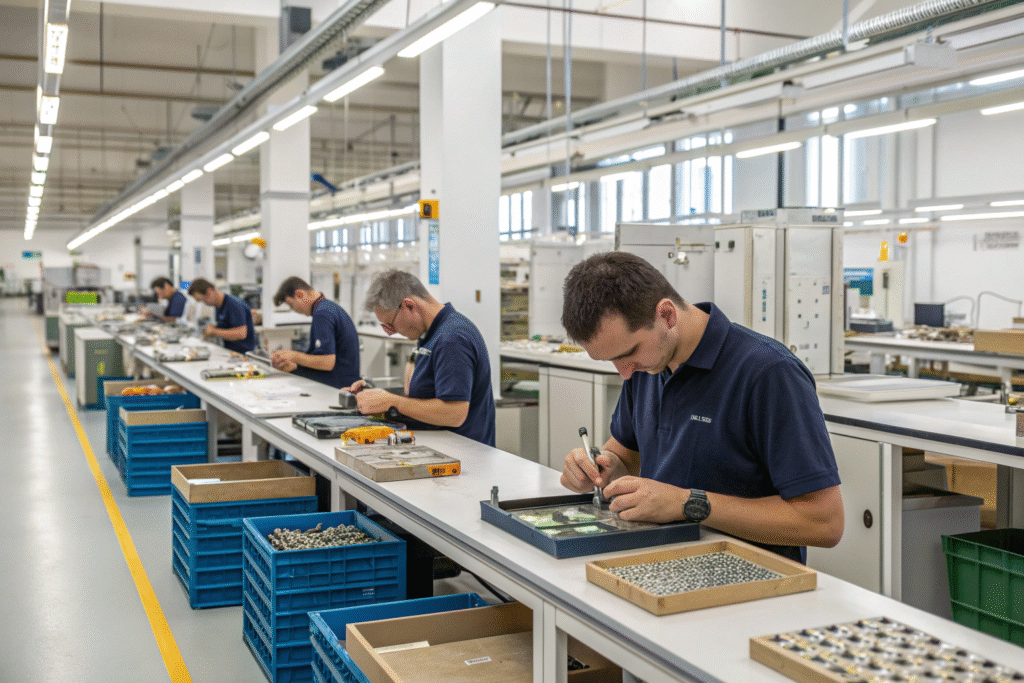
Successful scaled production relies on a "collective" or "workshop-integrated" model. This involves partnering with a manufacturer that either houses a dedicated artisan studio within its facility or has a tightly managed network of master toolers and apprentices. The factory provides the consistent material supply, cutting, stitching, buckle fitting, and quality control, while the specialized artisan team performs the tooling as a dedicated, managed process step.
What Does the Production Workflow Look Like?
The workflow diverges from standard belt production after the cutting stage:
- Precision Cutting: Belts are cut from select vegetable-tanned hides.
- Casing: The leather straps are uniformly dampened to the correct level for tooling.
- Artisan Tooling Station: Each belt is assigned to an artisan who executes the design, using templates for consistency in layout but applying the tools by hand.
- Drying & Setting: The tooled belts are left to dry naturally, setting the impressions.
- Finishing: Dyeing or edge finishing is applied (often after tooling to allow the dye to pool in the grooves, highlighting the design).
- Assembly & QC: Buckles are attached, and a final inspection ensures both craftsmanship and function are perfect.
This model ensures each piece is hand-tooled while maintaining efficiency and consistency in the other 80% of the manufacturing process. It’s crucial to work with a factory that understands this hybrid production planning.
How Do You Ensure Consistent Quality and Artisan Support?
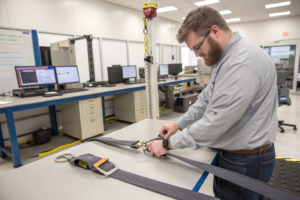
Consistency is managed through training, clear design "patterns," and rigorous quality checkpoints. The factory must invest in its artisan team, providing ergonomic workspaces and fostering skill development to ensure the craft survives. For buyers, due diligence is key. During a factory audit, insist on visiting the tooling workshop. Speak to the artisans. Assess the tool library and the quality of the raw leather. Ask about their apprentice programs. A credible manufacturer will be proud to show this off and will have a low turnover rate among its craftspeople, indicating a sustainable and ethical practice. This ethical dimension further strengthens your brand story.
Conclusion
Heritage leather tooling techniques are elevating belts because they satisfy a profound modern desire for authenticity, quality, and human connection in our possessions. They transform a utilitarian object into a narrative-rich artifact that appreciates in character over time. For brands, this represents a powerful avenue for differentiation, allowing them to build a loyal community, command premium prices, and create products that stand outside the volatile cycles of fast fashion.
Sourcing and scaling this craftsmanship requires a thoughtful partnership with a manufacturer that respects and integrates traditional skills within a reliable modern framework. The result is a product line that carries not just the weight of leather and metal, but the weight of history, skill, and intention—a value proposition that an increasingly discerning market is eager to embrace.
If you are looking to develop a collection that embodies true craftsmanship and timeless appeal, our factory has established artisan workshops dedicated to heritage leather tooling techniques. Contact our Business Director, Elaine, to explore how we can craft belts with a story for your brand: elaine@fumaoclothing.com. Let's create heirlooms, not just accessories.