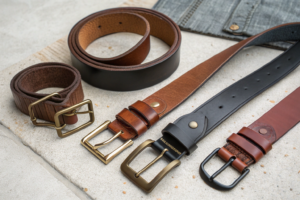
In an era dominated by mass production and automated manufacturing, a curious counter-trend is emerging in the accessories market. Braided belts featuring heritage weaving techniques are commanding premium prices and attracting discerning consumers who value craftsmanship and story behind their accessories. This revival represents more than nostalgia—it's a strategic response to market demands for authenticity and quality.
Heritage weaving techniques are elevating braided belts because they deliver unparalleled craftsmanship quality, create unique aesthetic appeal, support sustainable production values, and provide compelling brand storytelling opportunities. These traditional methods, honed over generations, produce belts with distinctive character and durability that modern manufacturing cannot replicate, appealing to consumers seeking products with soul and substance beyond mere functionality.
The resurgence of these techniques coincides with growing consumer awareness about production methods and increasing appreciation for artisanal quality. Understanding why heritage weaving creates market advantage reveals important insights about evolving consumer values and product differentiation strategies.
What Quality Advantages Do Heritage Techniques Offer?
Traditional weaving methods produce structural and aesthetic qualities that modern manufacturing struggles to duplicate, creating tangible product benefits that justify premium positioning.
How Does Manual Weaving Enhance Durability?
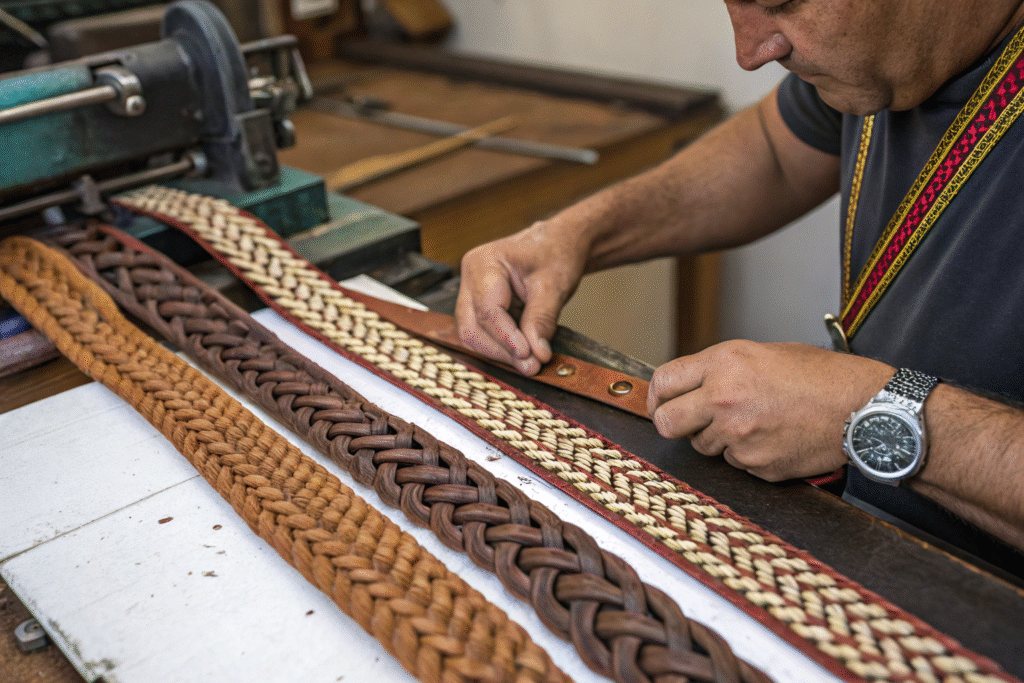
Heritage weaving techniques incorporate structural integrity principles developed through centuries of refinement. The manual process allows weavers to adjust tension in real-time, creating consistent density throughout the belt that prevents weak points and premature stretching. Unlike machine weaving that follows rigid patterns, artisan weavers can reinforce high-stress areas like buckle attachment points, significantly extending product lifespan.
The material handling in traditional methods also preserves natural fiber strength. Machine weaving often subjects materials to aggressive tension and friction that damages fiber structure, while hand weaving maintains material integrity through controlled, gradual processes. This careful handling results in belts that maintain their shape and strength through years of daily wear, creating long-term value that justifies higher initial investment.
What Unique Textural Qualities Result from Hand Weaving?
The tactile experience of hand-woven belts creates sensory appeal that machine-made products cannot match. The subtle variations in tension and spacing create dynamic surface textures that change with light and movement. These organic patterns reflect the human touch behind them, creating emotional connection that transcends pure functionality.
The most sought-after heritage techniques produce distinctive visual signatures—the raised diamond patterns of Scandinavian flat braiding, the intricate interlocking of Japanese Kumihimo, or the colorful geometric designs of Native American weaving. These recognizable patterns carry cultural significance that transforms accessories into wearable art, appealing to consumers seeking products with deeper meaning and connection to tradition.
How Do Heritage Techniques Support Sustainable Production?
The environmental and social benefits of traditional weaving align with growing consumer demand for responsible manufacturing practices.
What Environmental Benefits Do Traditional Methods Offer?
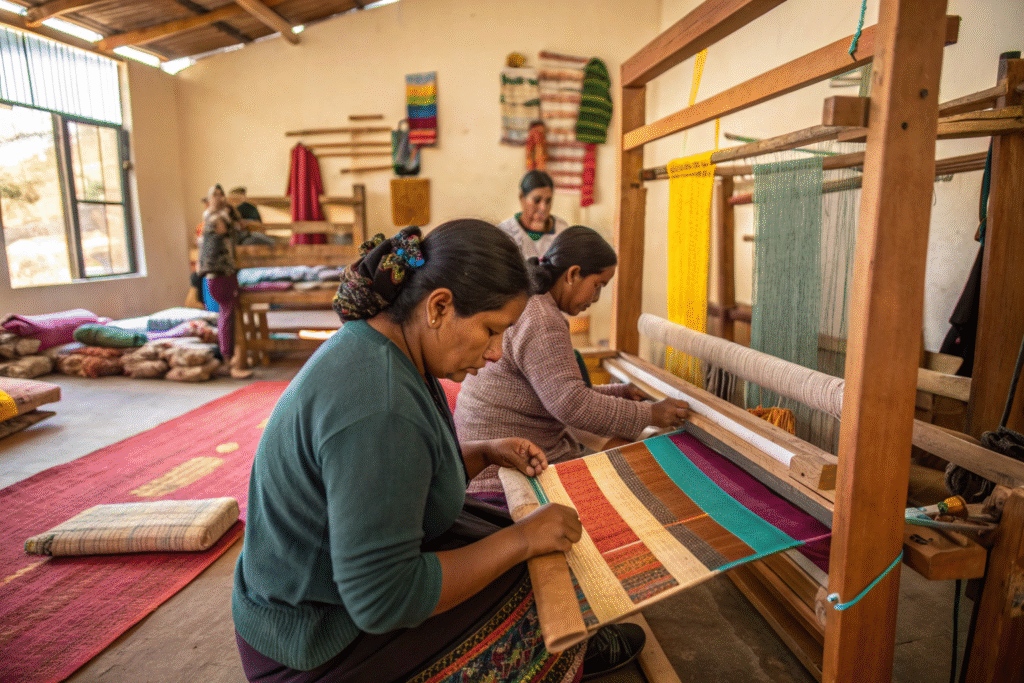
Heritage weaving typically employs significantly lower energy inputs than industrial manufacturing, relying on manual skill rather than powered machinery. The scale of production naturally limits resource consumption, while the focus on quality over quantity encourages careful material selection and minimal waste. Many traditional weavers utilize natural, biodegradable materials and plant-based dyes, reducing environmental impact throughout the product lifecycle.
The longevity of hand-woven belts further enhances their sustainability profile. Products made to last for decades rather than seasons reduce consumption frequency and associated resource use. This durability, combined with timeless designs that transcend temporary trends, creates products that remain relevant and functional for years, directly countering fast fashion's disposable mentality.
How Does Heritage Weaving Support Cultural Preservation?
Traditional weaving techniques represent intangible cultural heritage that requires active practice to preserve. By creating commercial demand for these skills, belt manufacturers help sustain artistic traditions that might otherwise disappear. This cultural preservation provides compelling storytelling material that resonates with consumers who want their purchases to support meaningful causes beyond mere product acquisition.
The most successful implementations partner directly with weaving communities, ensuring fair compensation and respectful adaptation of traditional designs. These partnerships often revitalize local economies in rural areas where few other income opportunities exist. The resulting products carry authentic stories of cultural continuity and community support that modern manufacturing cannot replicate, creating emotional value beyond physical attributes.
What Marketing Advantages Do Heritage Techniques Create?
The storytelling potential and unique characteristics of heritage-woven belts provide powerful marketing tools in an increasingly homogenized marketplace.
How Does Artisanal Storytelling Enhance Brand Perception?
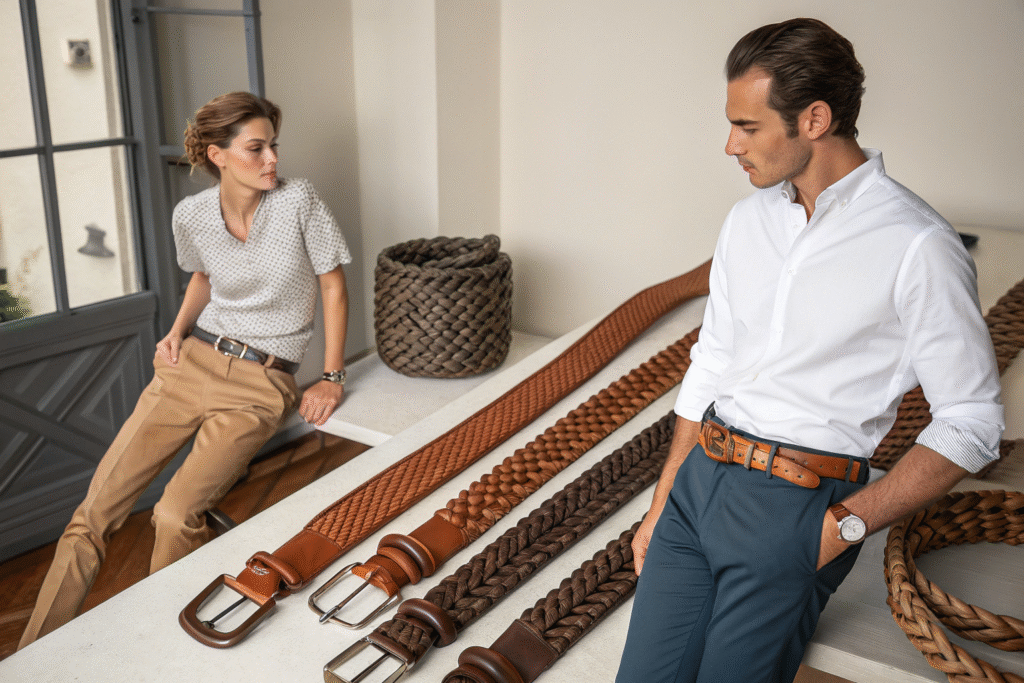
The narrative potential of heritage techniques provides rich material for brand building. Stories about specific weavers, historical techniques, and cultural significance create emotional connections that transcend product specifications. These narratives transform accessories from utilitarian items into carriers of meaning and tradition, justifying premium pricing through experiential value rather than just material cost.
Visual documentation of the weaving process—showing skilled hands creating intricate patterns—provides authentic content that engages customers more effectively than polished advertising. The transparency of traditional manufacturing contrasts favorably with opaque industrial supply chains, building trust through demonstrated craftsmanship. This authenticity proves particularly valuable for brands targeting consumers skeptical of mass production and corporate manufacturing.
What Exclusive Positioning Opportunities Exist?
Heritage techniques naturally support limited edition and exclusive positioning due to their time-intensive nature and specialized skills. The production constraints of hand weaving—limited output and unique variations between pieces—create natural scarcity that justifies premium pricing. This exclusivity appeals to consumers seeking products that reflect individual taste rather than mass-market trends.
The most successful brands leverage this exclusivity through numbered editions, certificates of authenticity, and direct connections to specific artisans. These elements reinforce the special nature of each piece, transforming standard accessories into collectible items with inherent value beyond their functional purpose. This positioning creates natural protection against price competition, as the unique qualities of heritage-woven belts cannot be duplicated by conventional manufacturers.
How Can Brands Successfully Implement Heritage Techniques?
Integrating traditional weaving into modern product lines requires careful planning and respectful collaboration with artisan communities.
What Sourcing Considerations Ensure Authentic Implementation?
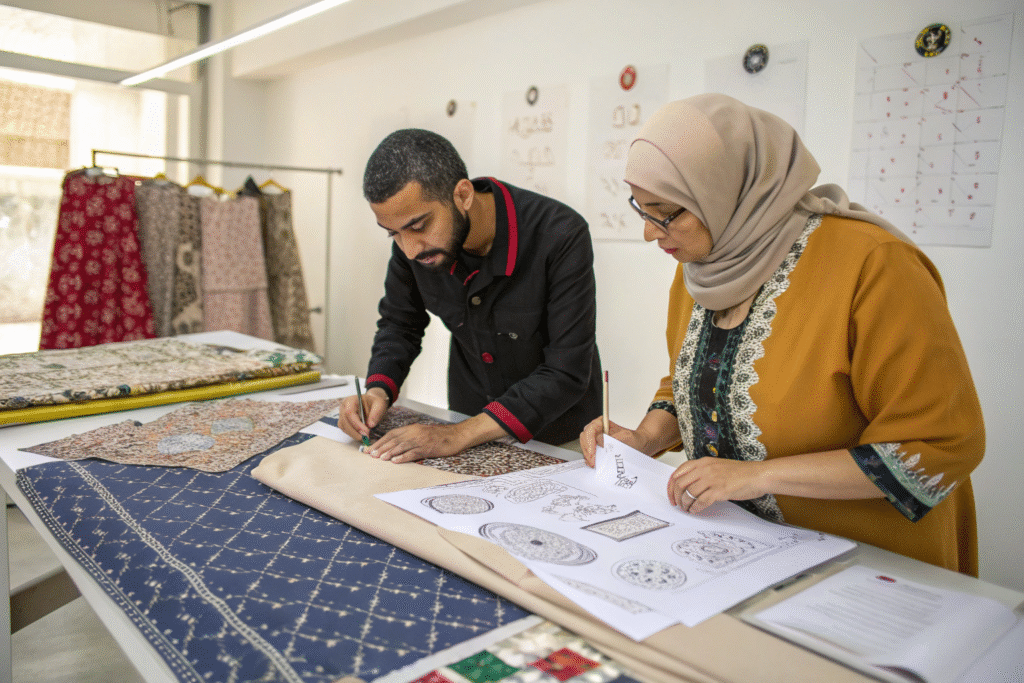
Successful implementation requires ethical and transparent sourcing that respects both the techniques and the communities that practice them. Brands should establish direct relationships with weaving cooperatives or master artisans rather than working through multiple intermediaries. This direct engagement ensures proper compensation for skilled labor and maintains the integrity of traditional methods.
The most respectful approaches involve co-creation rather than simple appropriation. This means collaborating with tradition-bearers to adapt techniques for contemporary products while maintaining cultural authenticity. These partnerships should include knowledge transfer in both directions—artisans sharing traditional expertise while learning about market requirements and quality standards. This mutual respect creates sustainable relationships that benefit both commercial and cultural objectives.
How Can Production Challenges Be Managed?
The operational challenges of artisan production require flexible approaches that differ from conventional manufacturing. Lead times typically extend longer due to the manual nature of the work, while natural variations in materials and execution require quality standards that accommodate acceptable deviations rather than demanding perfect uniformity.
Successful brands develop production systems that balance commercial requirements with respect for traditional methods. This might involve establishing training programs to expand the artisan base, providing specialized tools that enhance efficiency without compromising technique, or implementing staggered production schedules that accommodate agricultural cycles in farming communities where weaving provides supplementary income. These adaptations create viable production models that preserve traditional skills while meeting market demands.
Conclusion
Heritage weaving techniques are elevating braided belts by delivering unmatched quality, sustainable production values, and compelling storytelling opportunities that resonate with contemporary consumers. The revival of these traditional methods represents a strategic response to market demands for authenticity, craftsmanship, and products with meaningful background.
Brands that successfully integrate heritage techniques gain significant competitive advantages through product differentiation, premium pricing capability, and deeper customer connections. As consumers continue seeking products with substance and story, traditional craftsmanship offers powerful solutions that industrial manufacturing cannot duplicate.
Ready to explore heritage weaving techniques for your belt collections? Contact our Business Director, Elaine, at elaine@fumaoclothing.com to discuss how our partnerships with artisan communities can create distinctive braided belts that combine traditional craftsmanship with contemporary design.