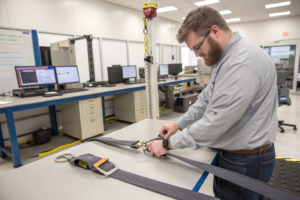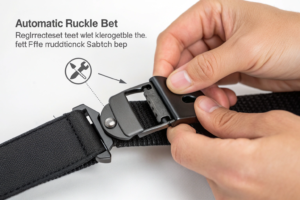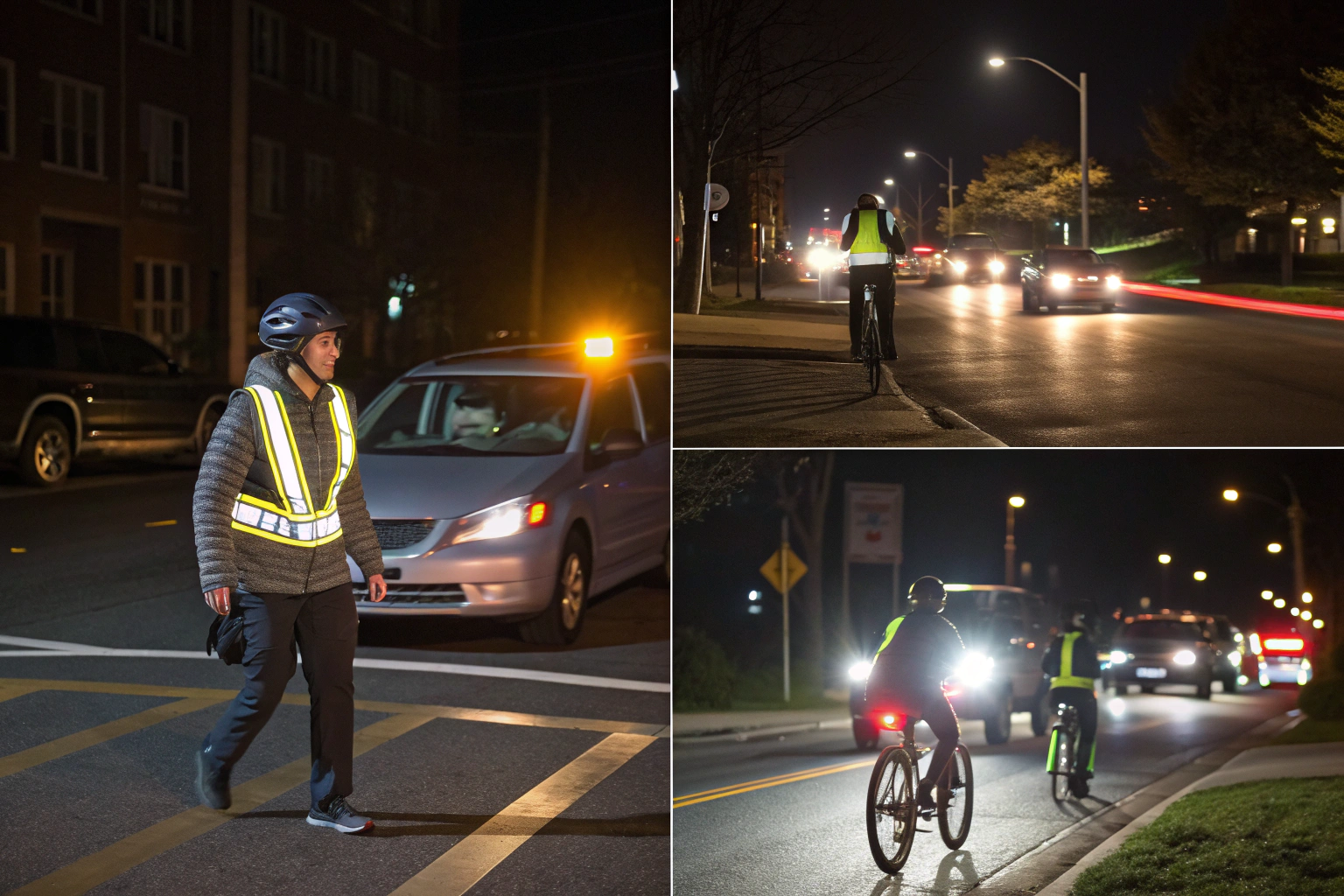
Pedestrian and cyclist visibility remains a critical safety concern, with nighttime fatalities occurring at rates three times higher than during daylight hours. Traditional safety gear often proves inadequate because it requires active illumination sources that can fail, require charging, or be forgotten during spontaneous activities. The human eye naturally struggles with depth perception and motion detection in low-light conditions, making passive visibility solutions essential for anyone moving near traffic after dark.
Light-reflective belts are crucial for night safety because they dramatically increase visibility distance, require no power source, work automatically in headlight illumination, and provide 360-degree awareness for drivers. These belts utilize retroreflective technology that bounces light directly back to its source, making wearers visible from up to 500 feet away—giving drivers critical extra seconds to react and avoid collisions.
The combination of urbanization, increased nighttime activities, and persistent pedestrian safety challenges has created urgent need for effective visibility solutions. This analysis explores how reflective belts address fundamental safety gaps that conventional approaches miss.
How Does Retroreflective Technology Enhance Visibility?
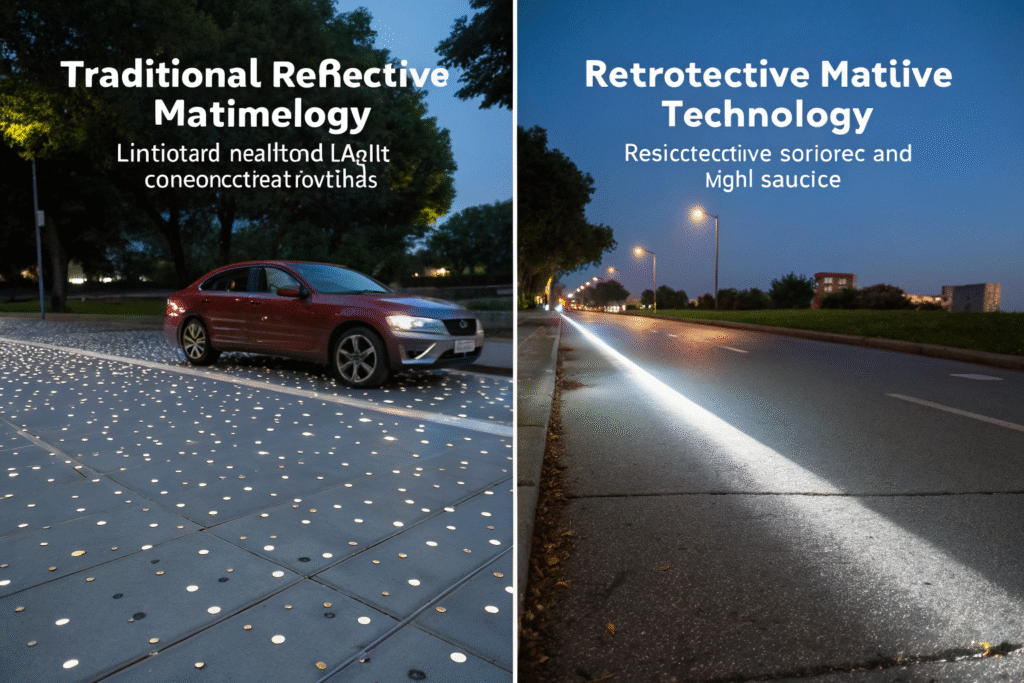
Traditional reflective materials scatter light in multiple directions, providing limited visibility benefits. Retroreflective technology uses precisely engineered optical systems to return light directly to its source, creating dramatically brighter visibility exactly where drivers are looking.
This targeted light return creates visibility that can be up to 1,000 times brighter than conventional white materials under the same lighting conditions. The technology works through microscopic glass beads or prismatic surfaces that create predictable light paths back toward approaching vehicles.
What Makes Retroreflection Superior to Standard Reflection?
Retroreflective materials contain optical systems specifically designed to return light to its source, unlike conventional materials that scatter light randomly. This directed return creates significantly brighter appearance from a driver's perspective—exactly where visibility matters most. The technology ensures that when headlights strike the material, the light travels back along the same path to the driver's eyes, creating maximum perceived brightness.
How Do Different Reflective Materials Compare?
The ANSI/ISEA 107 standard classifies reflective materials into three performance levels:
- Performance Level 1: Minimum visibility for nighttime urban environments
- Performance Level 2: Intermediate visibility for higher-risk environments
- Performance Level 3: Maximum visibility for highest-risk situations
Understanding these classifications helps select appropriate reflective intensity for specific nighttime activities and risk levels.
What Design Features Maximize Safety Effectiveness?
Simply adding reflective material doesn't guarantee optimal safety benefits. Strategic placement, adequate coverage area, and motion-enhanced designs significantly impact how quickly drivers can detect and recognize pedestrians.
The human factors of nighttime detection—including contrast, biological motion recognition, and peripheral vision sensitivity—should inform reflective belt design. Understanding these factors creates products that work with human visual perception rather than against it.
Why Does Waist-Level Positioning Enhance Detection?
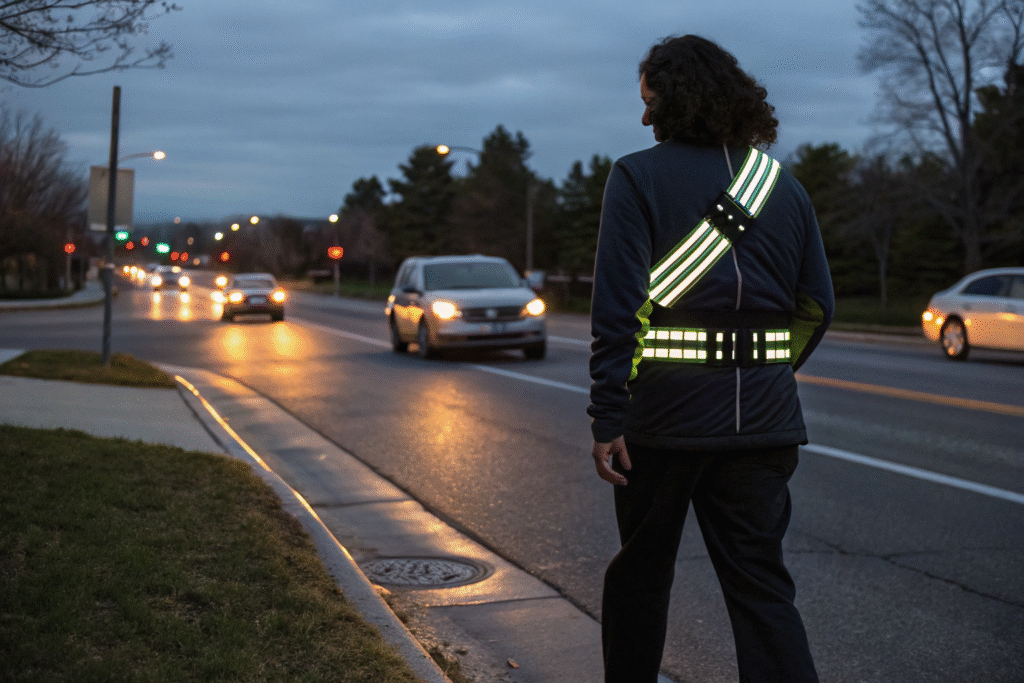
Reflective material positioned at torso level creates the most effective biological motion cues that humans instinctively recognize as person-shaped. When placed at the waist, reflective belts create distinctive pendulum-like motion patterns during walking or running that trigger immediate recognition in drivers' peripheral vision. This positioning proves more effective than ankle or arm placement for early detection.
How Does Coverage Area Impact Visibility Distance?
Research shows that increasing reflective surface area directly extends detection distance. While even narrow reflective strips provide benefits, belts with 2-3 inch widths create significantly earlier detection than thinner designs. The optimal balance provides maximum visibility without compromising comfort or style—typically 1.5-2.5 inches for most safety applications.
What Environmental Factors Affect Reflective Performance?
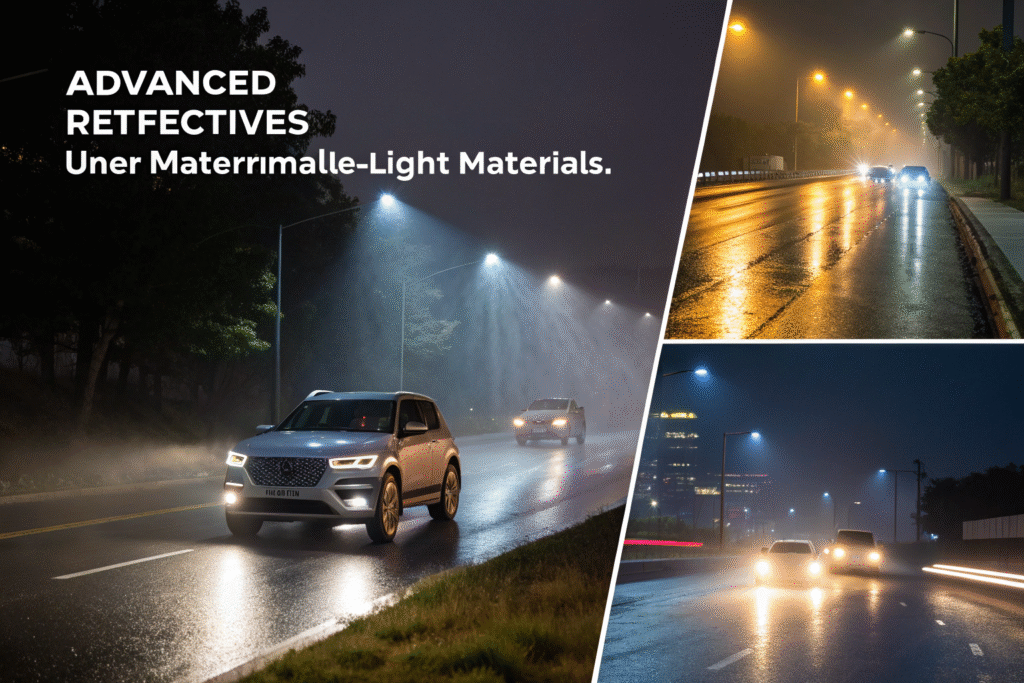
Reflective materials don't perform equally in all conditions. Understanding how rain, fog, vehicle lighting types, and urban light pollution impact visibility helps design products that maintain effectiveness across real-world scenarios.
Advanced reflective technologies address the specific challenges of different nighttime environments, from poorly lit rural roads to brightly illuminated urban streets with multiple competing light sources.
How Do Weather Conditions Impact Reflective Effectiveness?
Rain and fog reduce reflective performance by scattering light before it reaches the reflective surface and again on its return path. However, high-quality retroreflective materials maintain significant visibility advantages even in poor conditions. Some advanced materials incorporate water-resistant coatings and surface treatments that shed moisture, maintaining reflectivity when ordinary materials would be compromised.
Why Do Different Vehicle Headlights Affect Visibility?
The transition from traditional halogen headlights to LED and HID systems changes how reflective materials perform. Modern headlights with cooler color temperatures and different beam patterns interact differently with reflective technologies. The most effective belts use materials tested and certified for performance across the full spectrum of automotive lighting technologies.
What Standards and Certifications Ensure Reliability?
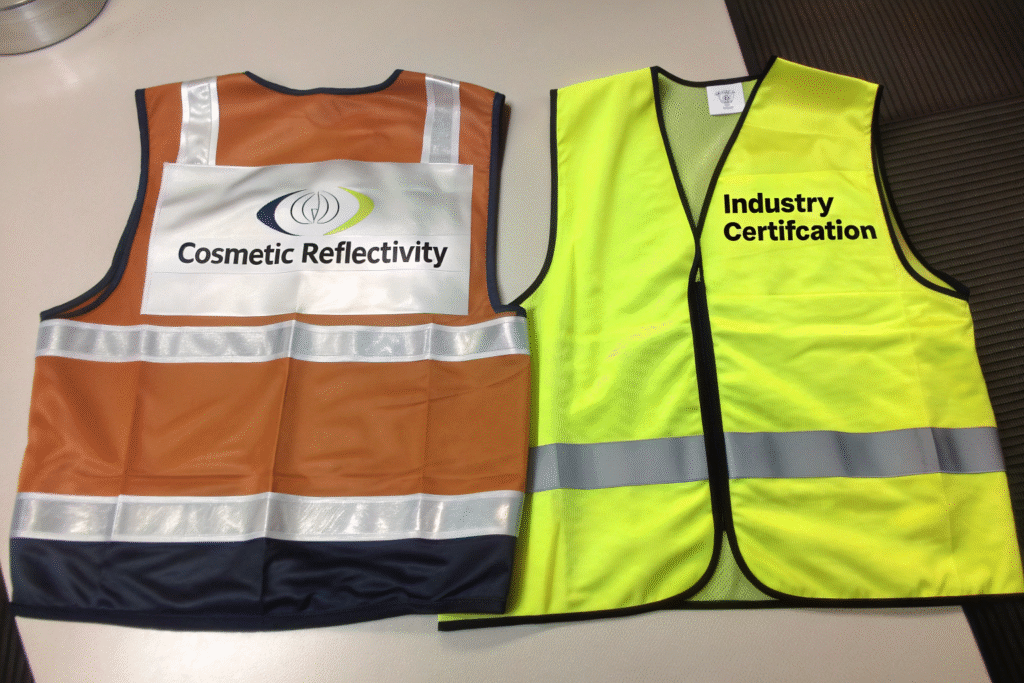
Not all reflective products deliver consistent safety performance. Understanding industry standards and certification processes helps identify products that provide reliable protection rather than merely cosmetic reflectivity.
Independent verification ensures materials maintain their reflective properties through cleaning, weather exposure, and normal wear. These standards separate safety equipment from fashion accessories with reflective claims.
What Do ANSI/ISEA Standards Guarantee?
The ANSI/ISEA 107 standard for high-visibility safety apparel establishes minimum requirements for:
- Minimum reflective material area and placement
- Photometric performance (brightness measurements)
- Durability through cleaning and weather exposure
- Color fastness and background material performance
Products meeting these standards undergo rigorous testing to ensure they perform as promised in safety-critical situations.
How Does CE Certification Differ from ANSI?
The European CE certification for personal protective equipment follows different testing protocols but serves similar purposes. Understanding both standards helps manufacturers create products suitable for global markets. The most comprehensive belts meet or exceed both ANSI and CE requirements, ensuring maximum safety regardless of geographic location.
| Safety Feature | Impact on Visibility | Standard Requirement |
|---|---|---|
| Retroreflective Material | 500+ foot detection distance | ANSI 107 Performance Level 2 |
| Background Material | Daylight visibility | Fluorescent color maintenance |
| Durability | Consistent performance | 25+ wash cycles, weather resistance |
| Coverage Area | Early detection | Minimum 15 square inches reflective |
Conclusion
Light-reflective belts address a critical safety gap by making pedestrians, cyclists, and workers visible to drivers at distances that allow for safe reactions and collision avoidance. The combination of retroreflective technology, strategic positioning, and certified performance creates protection that passive clothing cannot match. As nighttime activities continue to increase and vehicle technologies evolve, reflective belts provide essential visibility that can mean the difference between near-miss and tragedy.
Ready to integrate certified reflective technology into your belt collections? At StylishBelts, we engineer safety-focused accessories that combine ANSI-certified visibility with fashion-forward design. Contact our Business Director Elaine today at elaine@fumaoclothing.com to discuss how our reflective belt technology can enhance safety for your customers.